Menu

Water Stains on Drywall in Providence – Expert Diagnosis Prevents Hidden Mold and Structural Damage

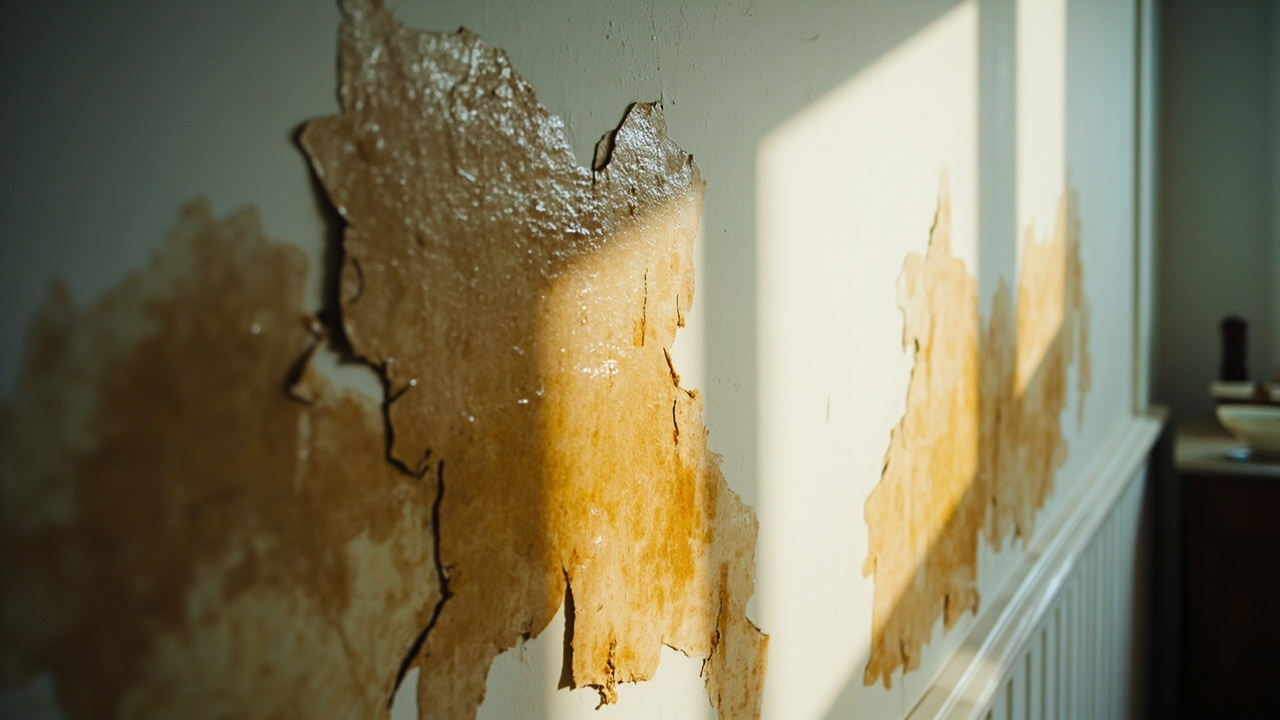
Those brown water spots on walls and yellow stains on drywall signal active leaks that worsen daily. Our certified technicians pinpoint the hidden source, stop ongoing damage, and restore your walls correctly the first time.

Slider Image 1
Slider Image 2
Slider Image 3
Slider Image 4
Slider Image 5
Slider Image 7
Slider Image 8
Slider Image 9
Slider Image 10
Slider Image 11

Why Water Stains Appear on Providence Drywall and What They Mean

You notice a brown water spot on your ceiling. Maybe it is small, maybe it is spreading. Either way, you wonder if you should panic or wait.

Providence homes face constant moisture pressure. Our coastal climate pushes humidity levels above 70 percent for much of the year. Triple-decker wood frames and older plaster-over-lath construction absorb this moisture readily. Add in freeze-thaw cycles that crack roof flashing and aging cast iron plumbing that corrodes from the inside, and you have the perfect recipe for moisture discoloration on sheetrock.

Water marks on ceilings rarely appear overnight. By the time you see yellow stains on drywall, water has been migrating through wall cavities for days or weeks. The stain is just the visible endpoint. Behind that wet patch on plasterboard, you likely have soaked insulation, compromised framing, and early-stage mold colonization.

Providence's housing stock complicates diagnosis. Many College Hill and Federal Hill homes blend original plaster walls with newer drywall repairs. Water travels along the path of least resistance, often showing up several feet away from the actual leak source. A ceiling stain in your second-floor bedroom might trace back to a roof penetration above the third-floor bathroom or a pinhole leak in a concealed copper supply line.

Ignoring these stains invites disaster. Prolonged moisture exposure degrades the gypsum core of drywall, turning it soft and crumbly. The paper facing becomes a food source for mold. Wooden studs and joists begin to rot. What starts as a cosmetic issue becomes a structural and health hazard.

The faster you act, the less damage you absorb. Atlas Water Damage Restoration Providence specializes in tracing these leaks to their origin, stopping the water intrusion, and remediating all hidden damage before it spreads.

Why Water Stains Appear on Providence Drywall and What They Mean
How We Diagnose and Fix Water Stains the Right Way

How We Diagnose and Fix Water Stains the Right Way

Most homeowners make the same mistake. They see a stain, assume the leak is directly above it, patch the ceiling, and repaint. Three months later, the stain returns, darker and larger.

We do not guess. We use thermal imaging cameras to map temperature differentials behind your walls. Wet insulation and saturated framing show up as cold spots on the infrared scan. We pair this with moisture meters that measure the water content of drywall and wood framing in percentage points. This combination reveals the full extent of moisture intrusion, not just the visible stain.

Once we map the damage, we trace the water to its source. Roof leaks require attic access and careful inspection of valleys, chimneys, and vent boot seals. Plumbing leaks demand pressure testing of supply lines and visual inspection of drain stacks. HVAC condensate issues require checking drain pans and verifying proper pitch on drain lines.

After we identify and repair the source, we address the collateral damage. Wet drywall must be removed and discarded. You cannot dry it and reuse it. The gypsum core loses structural integrity once saturated, and the paper facing harbors mold spores. We cut out affected sections back to the nearest stud, ensuring clean edges for the replacement panel.

If moisture has been present for more than 48 hours, we assume mold growth and treat all exposed framing with antimicrobial solutions. We then install new insulation if the old material was compromised, hang new drywall, tape and mud the seams, and prime the surface to prevent tannin bleed-through from any residual water staining in the framing.

The final step is confirmation. We recheck moisture levels in surrounding areas to ensure no hidden pockets remain. Only then do we consider the job complete. This methodical approach eliminates recurrence and protects your home from long-term damage.

What Happens When You Call About Water Stains

Water Stains on Drywall in Providence – Expert Diagnosis Prevents Hidden Mold and Structural Damage
01

Immediate Leak Assessment

We arrive with thermal imaging and moisture detection equipment. Our technician scans the affected area and surrounding walls to map moisture distribution. This reveals whether you have an active leak or residual dampness from a resolved issue. We document moisture readings and photograph all findings for your records and insurance claim if needed.
02

Source Identification and Repair

We trace the moisture path to the leak origin. This might involve attic inspection, pressure testing plumbing, or examining HVAC systems. Once identified, we coordinate immediate repair, either directly or through trusted local contractors. No demolition begins until the source is fixed. This prevents further water intrusion during the restoration process and ensures the problem does not return.
03

Drywall Removal and Restoration

We remove compromised drywall and treat exposed framing with antimicrobial agents. After verifying all materials are dry, we install new drywall, finish seams to match existing texture, and prime the surface. The repaired area blends seamlessly with surrounding walls. We perform a final moisture check to confirm complete dryness before closing out the project.

Why Providence Homeowners Trust Atlas for Water Stain Diagnosis

Water damage in Providence demands local knowledge. You cannot apply generic solutions to homes built between 1890 and 1920 with balloon framing and no vapor barriers. You cannot assume standard leak patterns in triple-deckers where plumbing stacks serve three separate units stacked vertically.

Atlas Water Damage Restoration Providence has worked in every neighborhood from Smith Hill to Wayland Square. We understand how water behaves in these older structures. We know that moisture discoloration on second-floor ceilings in Federal Hill often traces to shared plumbing chases between units. We recognize that brown water spots in Blackstone homes frequently originate from ice dam damage caused by inadequate attic ventilation and insulation.

Our technicians carry Rhode Island contractor licenses and maintain IICRC certification in water damage restoration. This training matters because improper remediation creates liability. If you patch over mold without treating it, you expose occupants to respiratory hazards. If you leave wet framing in place, you invite wood rot and structural failure. Insurance companies deny claims when restoration work fails to meet industry standards.

We also navigate the insurance process for you. Most homeowners policies cover sudden and accidental water damage but exclude gradual leaks. The distinction hinges on documentation. Our moisture mapping and photographic evidence establish the timeline and extent of damage, strengthening your claim. We provide detailed estimates that match insurance adjuster expectations, reducing disputes and delays.

Local availability matters during emergencies. We maintain crews in Providence 24 hours a day, 7 days a week. When a pipe bursts at 2 AM, you do not have time to wait for a company dispatching from Boston or Worcester. Response time determines damage severity. The faster we extract water and begin drying, the less drywall you lose.

Trust is built on results. We do not upsell unnecessary services. If your water stain traces to a minor roof repair and limited drywall replacement, we tell you that. If the damage is extensive and requires structural work, we explain why. Transparency eliminates surprises and builds long-term relationships with Providence residents who call us first when problems arise.

What to Expect When You Hire Us for Water Stain Restoration

Response Time and Availability

We answer your call within minutes and dispatch a technician to your Providence home within two hours for emergencies. Non-emergency assessments typically occur within 24 hours of your initial contact. Our crews work evenings and weekends to accommodate your schedule. We understand that water damage does not wait for business hours, and neither do we. Once onsite, the assessment takes 30 to 60 minutes depending on the complexity of the leak source.

Detailed Inspection and Documentation

Our technician performs a room-by-room moisture survey using calibrated meters. We document moisture content percentages in drywall, insulation, and framing. Thermal imaging identifies temperature anomalies that indicate hidden water. We photograph all affected areas and provide a written report outlining the leak source, extent of damage, and recommended repairs. This documentation serves as the foundation for your insurance claim and ensures transparency throughout the restoration process.

Professional Drywall Restoration

We match existing wall textures and paint finishes so repairs blend invisibly. Our crew removes only the damaged sections, preserving as much original material as possible to control costs. We use mold-resistant drywall in areas prone to moisture exposure, such as bathrooms and basements. All seams receive three-coat finishing for smooth transitions. The final surface is primed with stain-blocking primer to prevent tannin bleed and ensure paint adhesion. The result looks factory-original, not patched.

Post-Restoration Moisture Verification

We return 48 to 72 hours after completing repairs to verify moisture levels in treated areas. This follow-up visit confirms that no hidden dampness remains and that the leak source is fully resolved. If moisture readings are elevated, we investigate further at no additional charge. Our goal is complete resolution, not quick turnover. We provide maintenance recommendations to help you prevent future water intrusion, such as gutter cleaning schedules and plumbing inspection intervals.

Frequently Asked Questions

You Have Questions,
We Have Answers

How do you get water stains out of drywall? +

First, fix the source leak. In Providence homes, older plumbing often causes ceiling stains. Let the drywall dry completely before treating. Use a primer-sealer designed for water stains to block discoloration from bleeding through. Apply two coats. If the stain reappears or drywall feels soft, you have structural damage that needs professional attention. High humidity in Rhode Island can slow drying, so use fans and dehumidifiers. Surface stains might clean up with this method, but hidden mold or compromised drywall integrity requires replacement, not just cosmetic fixes.

Does water stained drywall need to be replaced? +

It depends on saturation level and drying time. If drywall stayed wet longer than 48 hours, replacement is necessary. Providence's coastal humidity slows drying and accelerates mold growth. Check for sagging, crumbling texture, or soft spots. Small surface stains can be sealed and painted if the drywall feels solid and dried quickly. Extensive discoloration, bulging, or peeling paper face means the gypsum core absorbed too much water and lost structural integrity. Replacing damaged sections prevents mold colonization behind walls and maintains your home's indoor air quality.

How to tell if water is leaking behind drywall? +

Look for discoloration spreading across walls or ceilings, especially near plumbing runs or exterior walls common in older Providence homes. Peeling paint or wallpaper signals moisture accumulation. Use your hand to feel for damp areas, temperature changes, or soft drywall. A musty odor indicates mold growth behind the surface. You may hear dripping sounds inside walls. Warped baseboards or buckling flooring near walls confirms hidden leaks. Moisture meters detect wetness without cutting drywall. If you spot these signs, shut off water to that area and call a professional before damage spreads.

Are water stains on walls bad? +

Yes. Water stains indicate active or past leaks that compromise your home. Moisture trapped in walls creates perfect conditions for mold growth, which spreads quickly in Providence's humid climate. Stains signal structural damage to drywall, insulation, and framing. Even old stains can hide ongoing problems. Water travels along studs and joists, so visible staining might be far from the actual leak source. Ignoring stains leads to costly repairs, mold remediation, and potential health issues. Address them immediately to prevent rot, electrical hazards, and decreased property value.

Is drywall ruined once it gets wet? +

Not always, but timing matters. Drywall can recover if dried within 24 to 48 hours and moisture did not saturate the gypsum core. Providence's high humidity extends drying time and increases mold risk. If water soaked through to the back or drywall remained wet past 48 hours, replacement is necessary. Clean water from supply lines causes less damage than contaminated water from sewage or flooding. Check for sagging, discoloration, or soft texture. Even if it looks dry, hidden mold may be growing. Professional assessment prevents future problems.

Can water stains be removed from walls? +

Surface stains can be removed if you address the leak first. After drywall dries completely, use a stain-blocking primer before repainting. Light discoloration often responds to this treatment. However, if stains reappear after priming or drywall feels spongy, the damage goes deeper than the surface. Providence homes with older plaster walls may respond differently than modern drywall. Deep stains indicate absorbed water that primer cannot fix. Professional evaluation determines if cosmetic fixes work or if you need drywall replacement to prevent mold and structural issues.

Can you paint over water stains in drywall? +

Never paint directly over water stains. The discoloration will bleed through standard paint repeatedly. First, confirm the leak is repaired and drywall is completely dry. This takes longer in Providence's humid conditions. Apply a stain-blocking primer specifically formulated for water damage. Use two coats for heavy staining. Once sealed, you can paint normally. If stains reappear after priming, moisture remains inside the wall or mold is present. Painting over active water damage traps moisture, accelerates deterioration, and wastes money on repeated paint jobs.

Will homeowners insurance cover water damage to a ceiling? +

Coverage depends on your policy and the water source. Sudden, accidental damage like burst pipes typically qualifies. Gradual leaks from poor maintenance usually do not. Providence homeowners should check if their policies exclude flood damage, which requires separate coverage given coastal risks. Insurance may cover repairs but not mold remediation if you delayed reporting damage. Document everything with photos immediately. Review your deductible and coverage limits. Filing claims for minor damage can raise premiums. Consult your policy or agent before starting repairs to avoid claim denials or coverage gaps.

How to tell if drywall is water damaged? +

Press the wall gently. Water damaged drywall feels soft or spongy instead of firm. Look for discoloration, typically yellow or brown stains that spread outward. Paint may bubble, peel, or flake. Texture can appear swollen or warped. In Providence's older homes, you might see separation between drywall and framing. Run your hand across the surface to detect temperature changes, cooler spots indicate moisture. A musty smell confirms water intrusion. Mold appears as black, green, or white spots. Use a moisture meter for confirmation before cutting into walls unnecessarily.

Does homeowners insurance cover water leaks in walls? +

Coverage varies by cause and policy type. Sudden pipe bursts generally qualify. Slow leaks from deferred maintenance do not. Providence homeowners face specific risks from freezing pipes during harsh winters and aging plumbing in historic homes. Insurance excludes damage from neglect or wear. If a covered event like a storm causes the leak, you may have coverage. Policies often exclude mold unless it results from a covered peril. Review your declarations page for water damage exclusions. File claims promptly with documentation. Consider endorsements for broader water damage protection.

How Providence's Coastal Humidity and Aging Housing Amplify Water Stain Risks

Providence sits at the head of Narragansett Bay, where marine air delivers high humidity year-round. Summer dew points regularly exceed 65 degrees, creating conditions where moisture condenses on cold surfaces inside your walls. This invisible condensation saturates insulation and promotes mold growth before you see any staining. Older homes in Fox Point and College Hill lack modern vapor barriers, allowing this moisture to migrate freely through wall cavities. Combine this with original cast iron drain lines that corrode from the inside and clay tile roofs that crack under freeze-thaw stress, and you understand why brown water spots and yellow stains appear more frequently here than in drier climates. The problem is not just the leak. It is the environment that accelerates deterioration once moisture enters your walls.

Atlas Water Damage Restoration Providence has worked with historic preservation committees on restoration projects in the Armory and Broadway-Armory districts. We understand the requirements for maintaining architectural integrity while addressing modern water damage. Our technicians recognize the difference between horse-hair plaster and modern drywall, and we know when to call in specialized tradespeople for historic finishes. This local expertise ensures your repairs meet both structural standards and neighborhood character. When you hire a water damage company unfamiliar with Providence housing stock, you risk improper repairs that fail inspection or clash with historic guidelines. We navigate these complexities daily.

Water Damage Restoration Services in The Providence Area

We are proud to serve the entire Providence area and its surrounding communities. Our strategically located team allows us to provide a fast and reliable response to any water damage emergency, no matter where you are. We invite you to view our service area on the map below to confirm that we are able to reach you quickly. If you are in need of immediate assistance or have questions about our service coverage, please don't hesitate to give us a call at any time.

Address:
Atlas Water Damage Restoration Providence, 12 Eagle St, Providence, RI, 02908

Additional Services We Offer

Our news updates

Latest Articles & News from The Blogs

Why your Pawtucket basement smells like sewage every time it rains If your basement smells like sewage every time it…

Why your Pawtucket basement smells like sewage every time it rains

Why your Pawtucket basement smells like sewage every time it rains If your basement smells like sewage every time it…

Choosing between a sump pump and an ejector pump for your basement in Johnston

Choosing between a sump pump and an ejector pump for your basement in Johnston A flooded basement in Johnston can…

How to get rid of the chemical smell after water damage cleanup in your Smith Hill apartment

How to get rid of the chemical smell after water damage cleanup in your Smith Hill apartment If you are…

Contact Us

Every day you wait, moisture spreads deeper into your walls. Call Atlas Water Damage Restoration Providence now at (401) 262-8400. We will diagnose the source, stop the leak, and restore your drywall correctly. Available 24/7 for emergency response.