Menu

Peeling Paint & Wallpaper in Providence | Expert Diagnosis Reveals the Hidden Water Damage

When bubbling paint or lifting wallpaper appears in your Providence home, it signals more than cosmetic damage. Our certified technicians identify the moisture source destroying your walls and stop it before structural rot sets in.

Slider Image 1
Slider Image 2
Slider Image 3
Slider Image 4
Slider Image 5
Slider Image 7
Slider Image 8
Slider Image 9
Slider Image 10
Slider Image 11

Why Your Providence Walls Are Failing

You painted two years ago. The walls looked perfect. Now you see bubbling paint near the ceiling, blistering wall paint above the baseboards, or lifting wallpaper in the bathroom. You press the surface and feel something soft underneath. That softness is saturated drywall or plaster.

Providence homes face a unique moisture challenge. The humid coastal climate combines with aging housing stock. Many homes in Federal Hill, College Hill, and the East Side were built before modern vapor barriers existed. The original plaster walls and wood lath absorb moisture differently than modern drywall. When humidity rises during summer months or when pipes leak behind walls, that moisture has nowhere to go.

The result is flaking paint that peels in sheets. Loose wallpaper that sags away from corners. Paint that bubbles like blisters on skin. These symptoms tell you water is trapped inside your wall cavity. The longer water sits, the more damage spreads. Wood studs rot. Mold colonies grow in the dark space between walls. Electrical wiring corrodes. The cosmetic problem you see is the warning light for structural damage you cannot see.

Most homeowners try to repaint or reapply wallpaper. This approach fails because you are covering the symptom without fixing the cause. The new paint bubbles within weeks. The fresh wallpaper peels again. You waste money on repeated cosmetic repairs while the hidden water damage worsens behind the surface.

Why Your Providence Walls Are Failing
How We Stop Water Damage at the Source

How We Stop Water Damage at the Source

Atlas Water Damage Restoration Providence does not patch symptoms. We investigate the moisture source, eliminate it, and repair the structural damage before any cosmetic work begins.

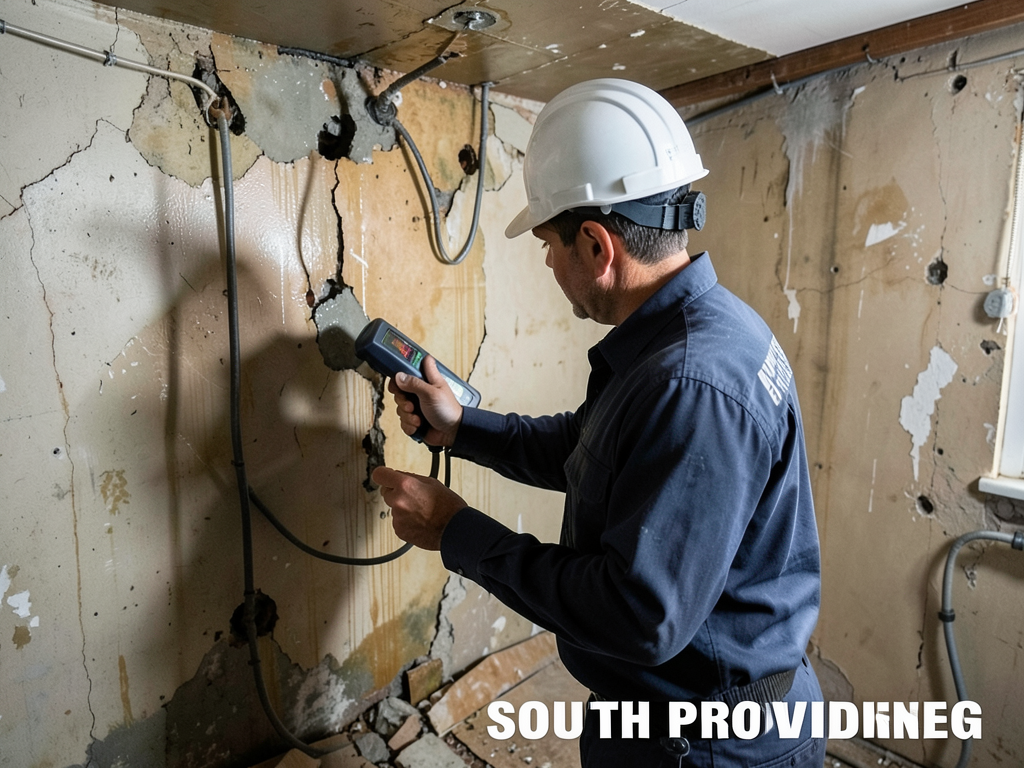
First, we use thermal imaging cameras to map temperature differentials across your walls. Wet areas show up cooler than dry areas. This technology reveals moisture patterns invisible to the naked eye. We trace the pattern back to the source. Common culprits include leaking supply lines, failed wax rings around toilets, condensation from improperly vented bathrooms, or exterior water intrusion through failed flashing or deteriorated mortar joints.

Second, we use penetrating moisture meters to measure water content inside wall cavities. We take readings at multiple depths. Surface readings tell us about recent moisture. Deep readings tell us about chronic saturation. If readings exceed 16 percent moisture content in wood framing or 1 percent in drywall, we document active water damage requiring remediation.

Third, we open the wall in targeted locations. Exploratory cuts allow us to inspect the back side of your drywall or plaster, examine the framing lumber, check for mold growth, and verify the condition of insulation. We photograph everything. This evidence guides our remediation plan.

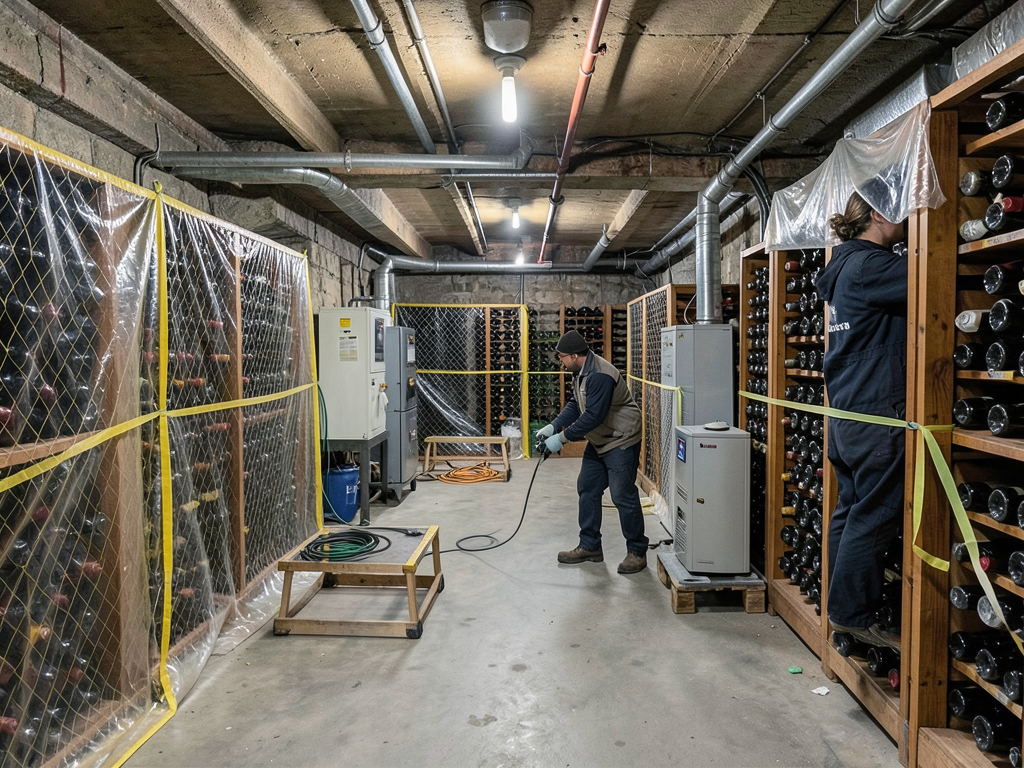
We then extract standing water, set up commercial dehumidifiers and air movers, and dry the wall cavity to below 12 percent moisture content. Only after confirmed dryness do we treat mold, replace rotted framing, install new moisture-resistant drywall, and prepare surfaces for painting. This sequence prevents recurrence.

What Happens During Your Wall Assessment

Peeling Paint & Wallpaper in Providence | Expert Diagnosis Reveals the Hidden Water Damage
01

Initial Moisture Mapping

Our technician arrives with thermal imaging equipment and moisture detection tools. We scan every wall showing peeling paint or loose wallpaper. The camera displays a color-coded heat map revealing wet zones. We document moisture readings at the surface and probe deeper into wall cavities. This diagnostic phase takes 30 to 45 minutes and produces a detailed moisture map showing exactly where water hides.
02

Source Identification

We trace moisture patterns back to their origin point. We inspect plumbing fixtures, check supply line connections, examine exterior walls for penetration points, and test bathroom ventilation systems. We look at roof drainage patterns if damage appears on upper floors. We identify whether the problem stems from plumbing failure, condensation, or exterior intrusion. You get a written explanation of what caused your blistering wall paint and how to stop it.
03

Drying and Restoration Plan

Once we locate the source and stop active water intrusion, we deploy drying equipment. Dehumidifiers pull moisture from the air. Air movers force airflow into wall cavities through strategically placed openings. We monitor moisture levels daily until readings confirm complete dryness. Then we present a restoration plan covering mold treatment, framing repairs, drywall replacement, and surface refinishing. You approve the scope before work begins.

Why Providence Homeowners Choose Local Water Damage Experts

Providence housing stock differs from newer construction in suburban developments. Homes in neighborhoods like Mount Pleasant, Silver Lake, and Fox Point contain plaster walls over wood lath, not drywall over studs. The plaster absorbs water differently. It holds moisture longer. Drying techniques that work on modern drywall fail on historic plaster.

Atlas Water Damage Restoration Providence understands these differences. We know how to dry plaster without cracking it. We know when plaster can be saved and when it must be removed. We understand the three-coat plaster systems common in pre-1950 homes. We work with the brown coat, scratch coat, and finish coat to preserve original walls whenever possible.

We also understand Providence building codes and historic district regulations. If your home sits in a local historic district, you face restrictions on exterior alterations and material choices. We navigate these requirements. We document existing conditions for preservation commissions. We source period-appropriate materials when repairs require matching original finishes.

Our familiarity with local insurance adjusters speeds your claim process. We provide documentation that meets carrier requirements. We photograph damage progression. We calculate drying times based on local humidity levels, not national averages. We know which local carriers require specific testing protocols and which accept thermal imaging as sufficient evidence.

Most water damage companies treat every wall the same way. That approach damages historic plaster and creates bigger repair bills. We adapt our methods to your specific wall system. You get effective drying without unnecessary demolition.

What to Expect During Water Damage Remediation

Response Time and Availability

We dispatch technicians to Providence homes within two hours of your call. Emergency response runs 24 hours a day, seven days a week. When you discover flaking paint or bubbling walls after business hours, you get the same fast response as daytime calls. Water damage worsens by the hour. Delayed response means deeper saturation, more extensive mold growth, and higher repair costs. We arrive quickly, assess the situation, and start containment procedures immediately. Initial drying equipment goes into place the same day. This rapid deployment limits damage spread and protects undamaged areas of your home.

Comprehensive Damage Assessment

Our assessment goes beyond the visible damage. We inspect adjacent rooms, check floors below damaged walls, and examine attic spaces above problem areas. Water travels along pipes, follows electrical conduit, and seeps through floor joists. The bubbling paint you see in one room often indicates water damage extending into other spaces. We map the full extent before starting repairs. You receive a written assessment detailing moisture readings, affected areas, and recommended remediation scope. This documentation helps you understand what needs repair and supports insurance claims. The assessment typically takes 60 to 90 minutes.

Complete Structural Repair

We repair structural damage before addressing cosmetic issues. If moisture has rotted wall studs, we sister new lumber alongside damaged members or replace sections entirely. We treat mold-affected wood with antimicrobial solutions. We replace soaked insulation with new material rated for moisture resistance. We install vapor barriers in areas prone to condensation. Drywall or plaster replacement uses moisture-resistant products in wet areas like bathrooms and kitchens. We seal all penetrations to prevent future water intrusion. The goal is not just fixing what you see but preventing recurrence.

Post-Remediation Monitoring

Water damage remediation does not end when we finish repairs. We schedule follow-up moisture checks at 30 and 90 days after completion. These visits confirm your walls remain dry and no hidden moisture has reappeared. We provide humidity monitoring recommendations to help you maintain optimal indoor conditions. If you experience any paint bubbling or wallpaper lifting within the first year after remediation, we return to investigate at no charge. This monitoring catches problems early when they are easier and cheaper to fix. You get documentation of all follow-up readings for your records.

Frequently Asked Questions

You Have Questions,
We Have Answers

Why is my paint peeling like wallpaper? +

Paint peeling in sheets points to moisture infiltration behind the substrate. Providence's high humidity and freeze-thaw cycles push water vapor through walls, breaking the bond between paint and surface. Poor surface prep, painting over a dirty or glossy surface, or applying latex over oil-based paint also causes adhesion failure. If you see extensive sheet peeling, check for roof leaks, failed caulking around windows, or basement moisture seeping upward. The paint film separates when water gets trapped between layers. Address the moisture source first, or the problem repeats.

What to do if paint is peeling off the wall? +

Stop further damage by identifying the moisture source. Check for leaks, condensation, or plumbing issues common in older Providence homes. Scrape away loose paint with a putty knife, feather the edges with sandpaper, and inspect the wall substrate for water stains or soft spots. If drywall feels spongy or shows dark staining, you need professional water damage restoration before repainting. Once dry, prime bare areas with a stain-blocking primer, then repaint. Skipping the moisture investigation guarantees the peeling returns within months.

Is it cheaper to paint or peel and stick wallpaper? +

Paint costs less upfront but requires proper prep and drying time. A gallon covers about 350 square feet and runs cheaper than peel-and-stick wallpaper per square foot. Peel-and-stick saves labor time and works well for renters, but quality varies wildly. In Providence's humid climate, cheap peel-and-stick can lift or bubble within a year. Paint lasts longer when applied correctly. If your walls have moisture issues, neither option works until you fix the underlying problem. Factor in longevity and prep costs, not just material price.

Can I just paint over peeling paint? +

No. Painting over peeling paint traps moisture and loose material beneath fresh coats, guaranteeing failure. The new paint adheres to the unstable layer, not the wall, and peels faster than the original. You must scrape loose paint down to a stable edge, sand smooth, and prime bare spots. Providence's seasonal humidity accelerates this failure cycle. If water damage caused the peeling, painting over it without addressing the leak wastes time and money. Proper surface prep takes longer but prevents repeating the same repair every year.

Will Kilz stop peeling paint? +

Kilz is a primer, not a structural fix. It blocks stains and seals porous surfaces, but it will not bond loose paint to the wall. If moisture caused the peeling, Kilz slows water vapor transmission temporarily but does not stop it. You must remove loose paint and fix the water source first. Kilz works well on bare drywall or plaster after scraping, creating a uniform base for topcoat adhesion. In Providence homes with historic plaster walls, Kilz helps stabilize porous surfaces, but only after you address underlying moisture problems.

Should I scrape off all the peeling paint? +

Yes. Loose paint creates an unstable base that compromises new coatings. Scrape until you reach paint that does not lift easily, then feather the edges with sandpaper to create a smooth transition. Check adjacent areas, because peeling often spreads beyond what you see. In older Providence homes with multiple paint layers, scraping reveals the extent of adhesion failure. If you find bare wood or plaster underneath, inspect for rot or water damage. Removing all compromised material prevents the new paint from failing prematurely.

What is the difference between flaking and peeling paint? +

Flaking means small chips or fragments breaking off the surface, often from age or weathering. Peeling describes larger sections lifting away from the substrate, usually caused by moisture or adhesion failure. Flaking happens when paint oxidizes and loses flexibility. Peeling indicates water trapped between layers, forcing the film to separate. Providence's humidity and temperature swings cause both issues, but peeling requires immediate moisture investigation. Flaking can be sanded and repainted. Peeling demands you find and fix the water source before any cosmetic repair will hold.

What causes paint to peel on interior walls? +

Moisture is the primary culprit. Leaking roofs, failed window caulking, plumbing leaks, or vapor drive from basements push water through walls, breaking paint adhesion. Poor surface prep, painting over glossy finishes without sanding, or using incompatible paint types also cause failure. In Providence, homes near the waterfront or with poor attic ventilation face higher interior humidity, accelerating peeling. Applying paint to damp surfaces traps moisture beneath the film. If your home has historic plaster walls, water infiltration can destabilize the substrate itself, requiring more than a simple repaint.

Can peeling paint be fixed? +

Yes, if you address the root cause. Scrape loose paint, repair any water damage to drywall or plaster, and let the area dry completely. Prime bare spots with a stain-blocking primer, then repaint. If moisture caused the peeling, fix leaks or improve ventilation before repainting. Providence's older housing stock often has hidden moisture pathways, so inspect thoroughly. Cosmetic fixes without moisture correction fail quickly. If the substrate is compromised, you may need drywall replacement or plaster repair. Proper diagnosis prevents wasting time on repairs that do not last.

What is the downside to peel and stick wallpaper? +

Peel-and-stick wallpaper struggles in humid or temperature-variable environments like Providence. The adhesive weakens over time, causing edges to lift or entire panels to sag. Poor wall prep, textured surfaces, or residual moisture reduce adhesion. Removal can damage drywall, pulling off paper facing or paint. Quality varies widely, with cheaper options yellowing or bubbling quickly. If your home has moisture issues, peel-and-stick fails fast. It works for short-term rentals or low-moisture spaces, but longevity and removal difficulty make it less practical for permanent applications in older homes.

How Providence Coastal Humidity Accelerates Paint and Wallpaper Failure

Providence sits at the head of Narragansett Bay. The coastal location brings higher humidity levels than inland areas. Summer humidity regularly exceeds 70 percent. This moisture-saturated air penetrates homes through gaps around windows, door frames, and foundation penetrations. When humid outdoor air meets cooler interior wall surfaces, condensation forms inside wall cavities. This condensation saturates drywall backing paper and loosens wallpaper adhesive. The problem intensifies in homes without adequate vapor barriers, which includes most Providence housing built before 1980. Colonial-era homes in the East Side and Victorian homes in Elmwood face particular vulnerability due to their age and construction methods.

Atlas Water Damage Restoration Providence has worked in this climate for years. We understand how Providence humidity patterns affect different wall systems. We know that plaster walls in Federal Hill triple-deckers behave differently than drywall in Wayland Square colonials. We adjust drying equipment placement and run times based on local humidity levels measured in real time, not generic manufacturer guidelines. Our technicians live in Providence neighborhoods. They see the same blistering wall paint in their own homes. This local knowledge translates to faster, more effective remediation that accounts for the specific challenges Providence homeowners face.
Water Damage Restoration Services in The Providence Area

We are proud to serve the entire Providence area and its surrounding communities. Our strategically located team allows us to provide a fast and reliable response to any water damage emergency, no matter where you are. We invite you to view our service area on the map below to confirm that we are able to reach you quickly. If you are in need of immediate assistance or have questions about our service coverage, please don't hesitate to give us a call at any time.

Address:
Atlas Water Damage Restoration Providence, 12 Eagle St, Providence, RI, 02908

Additional Services We Offer

Our news updates

Latest Articles & News from The Blogs

Why your Pawtucket basement smells like sewage every time it rains If your basement smells like sewage every time it…

Why your Pawtucket basement smells like sewage every time it rains

Why your Pawtucket basement smells like sewage every time it rains If your basement smells like sewage every time it…

Choosing between a sump pump and an ejector pump for your basement in Johnston

Choosing between a sump pump and an ejector pump for your basement in Johnston A flooded basement in Johnston can…

How to get rid of the chemical smell after water damage cleanup in your Smith Hill apartment

How to get rid of the chemical smell after water damage cleanup in your Smith Hill apartment If you are…

Contact Us

Bubbling paint and lifting wallpaper signal active water damage destroying your walls right now. Every day you wait allows moisture to spread deeper into wall cavities. Call Atlas Water Damage Restoration Providence at (401) 262-8400. We diagnose the problem, eliminate the moisture source, and restore your walls properly.