Menu

Basement Flood Cleanup in Providence – Complete Water Extraction and Structural Drying Services

Atlas Water Damage Restoration Providence delivers full-scale basement flood restoration with industrial pumping equipment, thermal imaging diagnostics, and IICRC-certified drying protocols to protect your foundation and eliminate mold risk.

Slider Image 1
Slider Image 2
Slider Image 3
Slider Image 4
Slider Image 5
Slider Image 7
Slider Image 8
Slider Image 9
Slider Image 10
Slider Image 11

Why Providence Basements Flood and What Happens When You Wait

Providence sits at the confluence of three rivers and experiences significant coastal storm surge from Narragansett Bay. When nor'easters hit or spring snowmelt overwhelms aging storm drains, basements in Federal Hill, Smith Hill, and College Hill neighborhoods flood fast. The city's older housing stock, much built before modern waterproofing standards, makes flooded basement water removal a recurring problem for homeowners across the metro.

You face three urgent threats when water enters your basement. First, the structural risk. Water saturates concrete and erodes mortar joints in foundation walls. Second, the electrical hazard. Submerged panels and outlets create dangerous conditions. Third, the mold timeline. Spores colonize porous materials within 24 to 48 hours in Providence's humid climate.

Basement water extraction is not just pumping out standing water. It requires removing moisture trapped in wall cavities, beneath flooring, and inside HVAC ductwork. Homeowners who attempt DIY cleanup with shop vacs miss 60% of hidden moisture, which leads to secondary damage weeks later. Warped floor joists, delaminated subfloors, and toxic mold growth turn a manageable flood into a major renovation project.

The clock starts the moment water breaches your basement. Flooded basement remediation must address visible water, hidden moisture, contamination levels, and structural integrity simultaneously. Delay creates compounding damage that insurance adjusters will scrutinize closely when processing your claim.

Why Providence Basements Flood and What Happens When You Wait
How Professional Basement Flood Restoration Actually Works

How Professional Basement Flood Restoration Actually Works

Effective flooded basement pumping begins with category classification. Clean water from a broken supply line requires different protocols than gray water from a washing machine backup or black water from a sewer breach. We test contamination levels on arrival to determine safety equipment needs and disposal procedures.

High-capacity submersible pumps remove standing water at rates up to 100 gallons per minute. For shallow flooding, truck-mounted extractors pull water from carpets and concrete. Speed matters because hydrostatic pressure increases the longer water sits against foundation walls, forcing moisture deeper into porous materials.

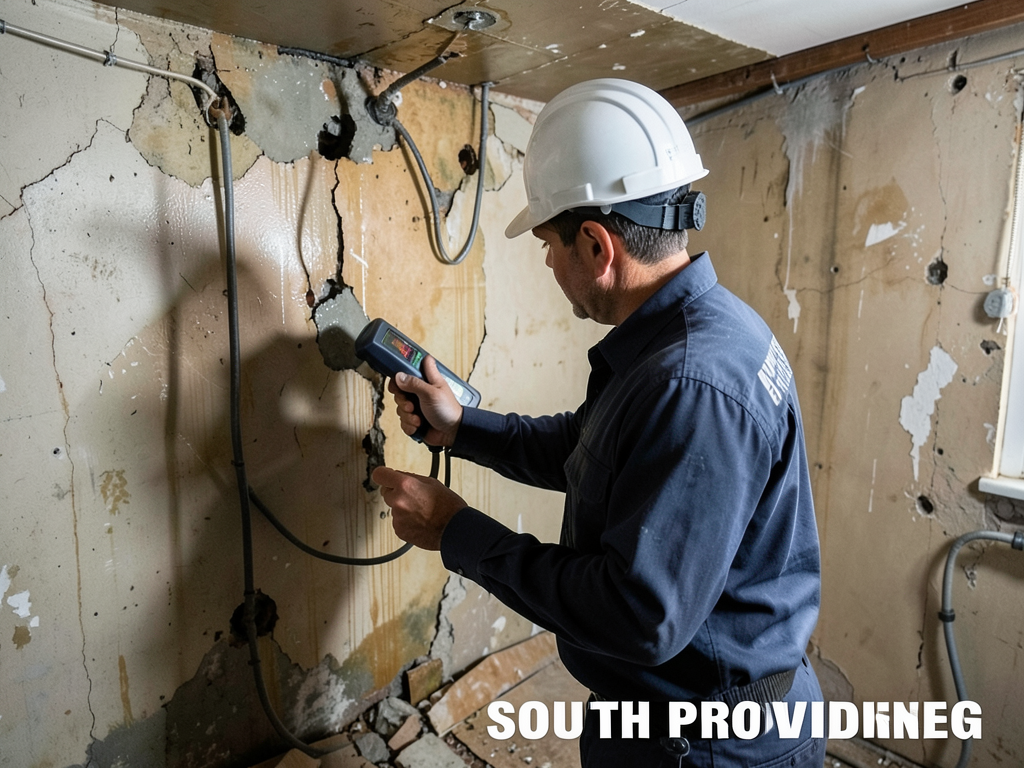
After extraction, we deploy moisture mapping technology. Infrared cameras identify saturated areas invisible to the naked eye. Pin-type and non-invasive meters measure moisture content in wood framing, drywall, and concrete to establish drying benchmarks. This data drives equipment placement and prevents premature teardown.

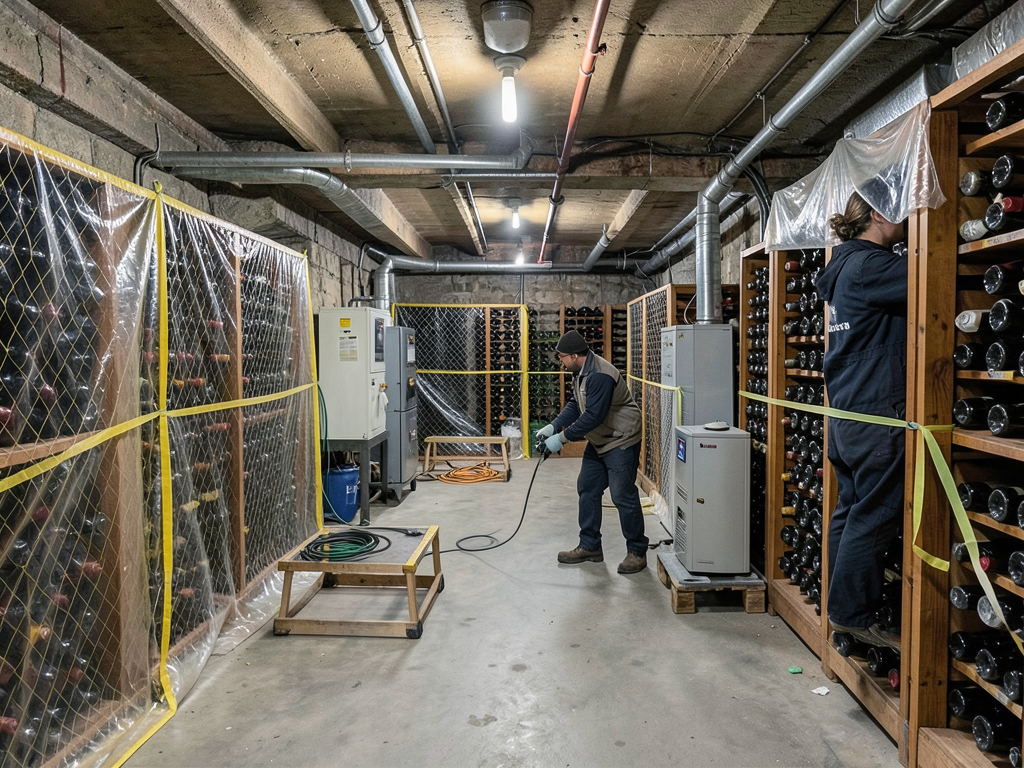
Industrial air movers create rapid air circulation across wet surfaces. Low-grain refrigerant dehumidifiers extract moisture from the air, dropping relative humidity below 40% to halt microbial growth. We position equipment to create airflow patterns that target trapped moisture in rim joists, wall cavities, and beneath vinyl flooring.

Basement flood restoration includes antimicrobial application on all affected surfaces. We remove and dispose of non-salvageable materials like soaked insulation, cardboard, and particle board. Structural drying continues until moisture readings return to normal levels, typically three to five days for standard flooding. We document the entire process with photos and moisture logs for your insurance claim, ensuring you receive proper coverage for the full scope of damage.

What Happens During Your Basement Flood Emergency

Basement Flood Cleanup in Providence – Complete Water Extraction and Structural Drying Services
01

Emergency Water Removal

We arrive with truck-mounted extraction units and submersible pumps to remove standing water immediately. Our technicians assess electrical hazards, shut off power to affected areas, and begin pumping within minutes of arrival. We extract water from carpets, concrete, and hard-to-reach spaces beneath stairs and around furnaces while documenting flood height and contamination level for insurance purposes.
02

Moisture Detection and Monitoring

Thermal imaging cameras locate hidden moisture in walls, floors, and ceilings that visual inspection misses. We measure moisture content in structural materials using calibrated meters and create a drying map. Air movers and dehumidifiers are strategically positioned based on moisture readings, airflow patterns, and material density. Daily monitoring ensures drying progresses properly and prevents mold colonization during the restoration process.
03

Sanitization and Verification

After structural drying reaches target levels, we apply EPA-registered antimicrobial treatments to all affected surfaces. Final moisture readings confirm materials have returned to normal levels. We provide detailed documentation including before and after photos, moisture logs, and equipment placement records. This comprehensive reporting supports your insurance claim and verifies your basement is safe for reconstruction or immediate use.

Why Providence Homeowners Choose Local Flood Restoration Experts

Atlas Water Damage Restoration Providence operates year-round in a city where basement flooding peaks during March snowmelt and October coastal storms. We understand how the Woonasquatucket and Moshassuck Rivers behave during heavy rain events. We know which neighborhoods experience combined sewer overflow during storms and which streets flood first when the Providence River breaches its banks.

Local expertise matters when navigating Providence's historic building inventory. Homes in the Armory and Broadway districts feature rubble stone foundations that absorb water differently than poured concrete. Victorian-era properties often have dirt-floor crawlspaces that require specialized drying techniques. We adapt our restoration approach based on your home's construction era and materials.

Insurance claims move faster when documentation meets carrier requirements from the start. We photograph damage using industry-standard formats, measure affected areas according to IICRC S500 guidelines, and provide detailed scope-of-loss reports. Our technicians are trained in Xactimate estimating software, the platform most Rhode Island insurance adjusters use. This alignment eliminates claim delays and revision requests.

We maintain relationships with Providence-area contractors who specialize in post-flood reconstruction. If your flood requires foundation repair, electrical panel replacement, or mold remediation beyond structural drying, we connect you with licensed professionals who understand local code requirements. Rhode Island building codes require specific vapor barriers and drainage systems in flood-prone areas. We ensure your restoration meets current standards, not just repairs damage.

Our response time averages under 90 minutes for Providence metro calls. We stock equipment locally and dispatch crews directly from our Providence facility, not from regional hubs in Boston or Hartford.

What to Expect During Professional Basement Flood Cleanup

Immediate Response Timeline

We answer emergency calls 24 hours a day, 365 days per year. When you contact us during active flooding, a crew dispatches within 60 to 90 minutes with extraction equipment and safety gear. For overnight calls, we perform emergency water removal immediately and return at daylight for detailed assessment. Non-emergency calls receive same-day or next-day scheduling. Our technicians arrive in marked vehicles with all necessary equipment to begin work immediately, eliminating delays while waiting for equipment delivery or rental procurement.

Comprehensive Damage Assessment

Initial assessment includes moisture mapping, contamination testing, and structural evaluation. We inspect HVAC systems, electrical panels, water heaters, and furnaces for flood damage. Thermal imaging reveals moisture in wall cavities and beneath flooring that surface inspection misses. We document all findings with photos, moisture readings, and written notes. You receive a detailed scope of work explaining what requires drying, what needs removal, and projected timeline. This assessment forms the basis for your insurance claim and guides our restoration strategy.

Certified Drying Standards

We follow IICRC S500 water damage restoration standards throughout the drying process. Air movers and dehumidifiers run continuously until moisture readings reach normal levels for each material type. Concrete requires different target levels than wood framing or drywall. Daily monitoring tracks drying progress and ensures equipment operates at peak efficiency. We adjust equipment placement based on moisture readings, not arbitrary timelines. Final verification confirms all materials meet industry standards before we remove equipment and close your project.

Post-Restoration Documentation

You receive complete project documentation including initial damage photos, daily moisture logs, equipment placement diagrams, and final verification readings. This package supports your insurance claim and provides proof of professional remediation if you sell your home. We maintain project records for five years and provide copies to future buyers or insurance companies upon request. Our documentation demonstrates proper restoration protocols were followed, protecting your property value and reducing liability concerns. We also provide maintenance recommendations to prevent future flooding.

Frequently Asked Questions

You Have Questions,
We Have Answers

How to clean up after a flooded basement? +

Start by shutting off power to the basement at the breaker box. Remove standing water using a sump pump or wet vac. Pull out saturated materials like carpets, furniture, and damaged drywall within 48 hours to prevent mold. Scrub surfaces with detergent and disinfect with a bleach solution. Set up industrial fans and dehumidifiers to dry the space completely. Providence basements often face high humidity from Narragansett Bay moisture, so proper drying is critical. Document everything with photos for insurance claims before you remove debris.

How much does it cost to clean up a flooded basement? +

Cleanup costs in Providence range from $1,500 to $10,000 depending on flood severity, water type, and affected square footage. Minor clean water incidents cost less. Category 3 water from sewage backups or floodwaters requires specialized handling and costs more. Costs increase if you need mold remediation, structural drying, or foundation repairs. Older Providence homes with stone foundations or finished basements face higher restoration costs. Insurance may cover some expenses. Get multiple estimates from certified water damage companies before starting work.

How much does it cost to remove water from a basement? +

Water removal costs depend on volume and contamination level. Pumping out clean groundwater from a sump failure runs $500 to $2,000. Extracting several feet of floodwater with debris costs more. Emergency 24-hour service adds to the price. Providence properties near the Woonasquatuck River or low-lying areas like Fox Point often face repeat flooding, which justifies investing in permanent sump pump systems. Most restoration companies charge by the hour for labor plus equipment rental. Get a written estimate that includes disposal fees.

How much does Servpro cost to clean a basement? +

Servpro pricing varies by location and job scope. National franchises often charge $2,500 to $7,500 for basement flood cleanup in Providence. You pay for water extraction, drying equipment, antimicrobial treatment, and labor. Prices increase for after-hours emergency service or contaminated water. While Servpro is a recognizable brand, local Providence restoration companies often provide comparable service at competitive rates with faster response times. Always compare multiple quotes. Ask about insurance direct billing and certified technician credentials before committing.

What kills mold after a flood? +

Bleach kills surface mold on non-porous materials like tile or concrete. Mix one cup of bleach per gallon of water and scrub affected areas. For porous materials like drywall or insulation, removal is the only solution. Professional antimicrobial treatments penetrate deeper and prevent regrowth better than household bleach. Providence's humid climate accelerates mold growth after flooding. Encapsulants seal mold spores on surfaces you cannot remove. Always wear protective gear and ensure ventilation. If mold covers more than 10 square feet, hire a certified mold remediation company.

Is basement flooding covered by insurance? +

Standard homeowners insurance typically covers sudden, accidental water damage like burst pipes or appliance failures. It rarely covers basement flooding from exterior groundwater, sewer backups, or storm surge unless you purchased separate flood insurance through FEMA or a sewer backup endorsement. Providence properties in FEMA flood zones near the Providence River or Seekonk River need flood insurance. Review your policy declarations page carefully. Many homeowners mistakenly assume they have coverage. Contact your agent immediately after a flood to file a claim.

How much will insurance pay for a flooded basement? +

Payout amounts depend on your policy limits, deductible, and damage extent. If covered, insurance may pay $5,000 to $50,000 or more for structural repairs, contents replacement, and temporary relocation. Flood insurance through FEMA caps at $250,000 for the structure and $100,000 for contents. Document everything with photos and receipts. Providence homeowners with finished basements and older heating systems often face higher replacement costs. Adjusters may depreciate older materials. Hire a public adjuster if the insurance company undervalues your claim.

How long does it take to dry out a basement after a flood? +

Drying takes three to seven days with professional equipment running continuously. Concrete walls and floors in Providence basements hold moisture longer than wood-framed structures. High humidity from coastal proximity slows evaporation. Infrared cameras and moisture meters track progress. Rushing the process leads to hidden mold growth inside wall cavities. Dehumidifiers must run until readings drop below 15 percent moisture content. Cold temperatures in winter extend drying time. Skipping proper drying to save money causes bigger problems later. Trust the equipment readings, not visual inspection alone.

What is the most expensive part of finishing a basement? +

This question addresses finishing costs, not flood cleanup. The most expensive part of finishing a basement is typically waterproofing and foundation repair, especially in older Providence homes with stone or brick foundations. Egress windows, electrical upgrades, and HVAC extensions add significant cost. If you are rebuilding after a flood, address drainage issues and install a quality sump pump system first. Otherwise, you will face repeated water damage. Foundation work can exceed $10,000 alone. Budget for moisture barriers and vapor-proof insulation given Providence's climate.

Do plumbers fix flooded basements? +

Plumbers fix the causes of basement flooding like burst pipes, sewer backups, or failed sump pumps. They do not handle water extraction, drying, or mold remediation. You need a certified water damage restoration company for cleanup. In Providence, many older homes have combined sewer systems that back up during heavy rain. A plumber can install backwater valves or upgrade your sump pump. Call a plumber first if water is actively entering through pipes. Call a restoration company to remove standing water and dry the structure.

How Providence's Coastal Climate and Aging Infrastructure Increase Basement Flood Risk

Providence experiences higher basement flooding rates than inland Rhode Island cities due to coastal storm surge, combined sewer systems, and high water tables near Narragansett Bay. When tropical systems or nor'easters push bay water upstream into the Providence River, drainage systems designed in the 1950s cannot handle the volume. Neighborhoods below Interstate 95 near the waterfront see recurring floods during king tides and heavy rain events. The city's topography funnels stormwater downhill toward the rivers, overwhelming catch basins and forcing water into basement window wells and foundation cracks. These conditions make rapid flooded basement water removal critical to preventing structural damage and mold growth in Providence's humid coastal environment.

Rhode Island building codes require specific flood mitigation measures for homes in FEMA flood zones, but many Providence properties predate these requirements. Atlas Water Damage Restoration Providence technicians understand local code enforcement expectations and can identify whether your basement meets current standards during restoration. We work directly with Providence building inspectors when flood damage requires permits for electrical or structural repairs. Our familiarity with local insurance carriers, including Rhode Island-based companies and national providers common in the metro area, streamlines claims processing. Choosing a local restoration company means faster response times, knowledge of neighborhood-specific flooding patterns, and connections to qualified contractors who understand Providence's unique housing stock and regulatory environment.

Water Damage Restoration Services in The Providence Area

We are proud to serve the entire Providence area and its surrounding communities. Our strategically located team allows us to provide a fast and reliable response to any water damage emergency, no matter where you are. We invite you to view our service area on the map below to confirm that we are able to reach you quickly. If you are in need of immediate assistance or have questions about our service coverage, please don't hesitate to give us a call at any time.

Address:
Atlas Water Damage Restoration Providence, 12 Eagle St, Providence, RI, 02908

Additional Services We Offer

Our news updates

Latest Articles & News from The Blogs

Why your Pawtucket basement smells like sewage every time it rains If your basement smells like sewage every time it…

Why your Pawtucket basement smells like sewage every time it rains

Why your Pawtucket basement smells like sewage every time it rains If your basement smells like sewage every time it…

Choosing between a sump pump and an ejector pump for your basement in Johnston

Choosing between a sump pump and an ejector pump for your basement in Johnston A flooded basement in Johnston can…

How to get rid of the chemical smell after water damage cleanup in your Smith Hill apartment

How to get rid of the chemical smell after water damage cleanup in your Smith Hill apartment If you are…

Contact Us

Water damage worsens every hour you wait. Call Atlas Water Damage Restoration Providence at (401) 262-8400 right now for emergency flood response. Our crews are ready to dispatch with industrial extraction equipment and drying systems. We handle insurance paperwork and begin water removal immediately.