Menu

Understanding Mold Toxicity in Providence – Recognize the Health Risks Before Symptoms Become Serious

Learn How to Identify Mold Illness Symptoms, Understand Black Mold Health Risks, and Protect Your Family from the Hidden Effects of Mold Exposure in Providence Homes

Slider Image 1
Slider Image 2
Slider Image 3
Slider Image 4
Slider Image 5
Slider Image 7
Slider Image 8
Slider Image 9
Slider Image 10
Slider Image 11

Why Providence Residents Face Elevated Mold Toxicity Risks

Providence's humid coastal climate creates the perfect breeding ground for toxic mold growth. The city averages 47 inches of rainfall annually, and the combination of old housing stock with modern humidity levels creates conditions where mold thrives behind walls, under floors, and in crawl spaces you never see.

Mold illness symptoms often mimic other conditions, which makes diagnosis difficult. You might experience chronic fatigue, brain fog, respiratory issues, or unexplained skin rashes. Signs of mold poisoning can escalate from mild allergic reactions to severe neurological problems. The reality is that many Providence residents live with mycotoxin illness without realizing the source.

Black mold health risks are particularly concerning in homes built before 1978. These older structures, common throughout the East Side, Federal Hill, and Fox Point neighborhoods, often have inadequate ventilation and outdated moisture barriers. When water intrusion occurs from aging plumbing or roof leaks, black mold colonizes quickly.

The effects of mold exposure compound over time. Children, elderly residents, and anyone with compromised immune systems face the highest risk. You may notice symptoms worsen during Providence's humid summer months or after heavy rain events that stress aging drainage systems.

Understanding the connection between water damage and mold toxicity is critical. Mold needs three things: moisture, organic material, and time. Providence homes offer all three in abundance. The question is not whether mold will grow after water damage, but how quickly you can stop it.

Why Providence Residents Face Elevated Mold Toxicity Risks
How Mold Produces Mycotoxins and Affects Human Health

How Mold Produces Mycotoxins and Affects Human Health

Mold toxicity occurs when certain mold species release mycotoxins as part of their metabolic process. These toxic compounds become airborne and enter your body through inhalation, skin contact, or ingestion. Stachybotrys chartarum, commonly called black mold, produces some of the most dangerous mycotoxins.

Your body responds to mycotoxin exposure through multiple pathways. The respiratory system reacts first, triggering inflammation in the nasal passages, throat, and lungs. You may develop a persistent cough, wheezing, or shortness of breath. These symptoms often get misdiagnosed as asthma or seasonal allergies.

Neurological effects develop when mycotoxins cross the blood-brain barrier. This explains the cognitive symptoms many people experience: difficulty concentrating, memory problems, mood swings, and headaches. The toxins interfere with neurotransmitter function and can cause oxidic stress in brain tissue.

The immune system becomes dysregulated with chronic exposure. Some people develop heightened sensitivity to mold, where even small exposures trigger severe reactions. Others experience immune suppression, making them more susceptible to infections.

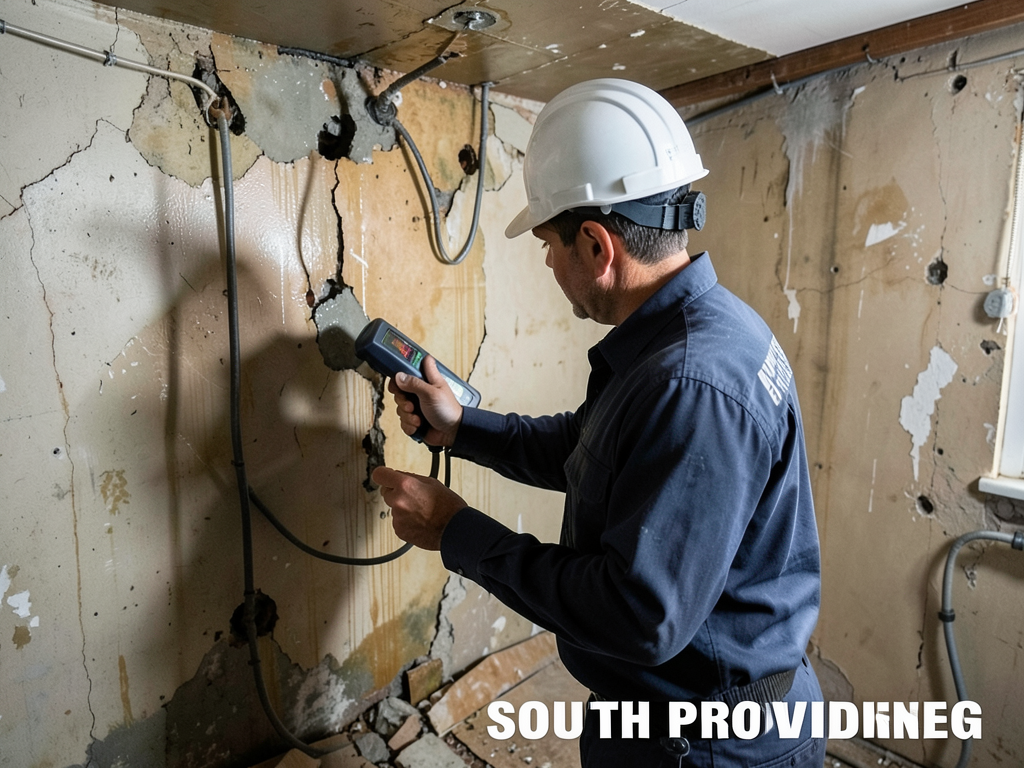
Atlas Water Damage Restoration Providence uses moisture meters, thermal imaging, and air quality testing to identify hidden mold reservoirs. We understand that visible mold represents only part of the problem. The mycotoxins can persist in dust and on surfaces long after visible growth is removed.

Effective remediation requires containment, HEPA filtration, antimicrobial treatment, and complete removal of contaminated materials. Half measures leave mycotoxins behind. You need complete source removal combined with air scrubbing to eliminate the health threat.

What Happens During a Mold Toxicity Assessment

Understanding Mold Toxicity in Providence – Recognize the Health Risks Before Symptoms Become Serious
01

Environmental History Review

We document your symptoms, timeline of onset, and any correlation with weather events or home changes. This history helps identify the likely contamination source. We ask about previous water damage, plumbing leaks, roof problems, and basement flooding. Providence's aging infrastructure often reveals patterns. We also review your home's age and construction type, as pre-war buildings have different vulnerability profiles than newer construction.
02

Comprehensive Mold Inspection

We conduct visual inspection of all potential mold reservoirs including crawl spaces, attics, basements, and behind appliances. Thermal imaging reveals moisture trapped inside wall cavities. We use moisture meters to measure material water content in drywall, flooring, and framing. Air sampling captures spore counts and species identification. Surface sampling from HVAC ducts, return vents, and suspicious areas provides additional data. This multi-point approach identifies both active growth and dormant contamination.
03

Results and Action Plan

You receive a detailed report showing contamination locations, spore types identified, and moisture readings throughout your home. We explain which mold species pose health risks and prioritize remediation areas. The action plan includes source moisture repair, containment protocols, removal procedures, and post-remediation verification testing. We provide this information in clear language, not just lab numbers. You understand what needs to happen and why each step matters for eliminating mycotoxin exposure.

Why Providence Homeowners Trust Local Mold Expertise

Providence's unique housing challenges require local knowledge. The city's historic districts contain homes built between 1850 and 1920, with construction methods that predate modern moisture management. These homes have lime plaster walls, horsehair binders, and minimal vapor barriers. Mold assessment in a College Hill Victorian requires different expertise than evaluating a 1970s ranch in Elmhurst.

Atlas Water Damage Restoration Providence understands how the Moshassuck and Woonasquatuck Rivers create localized humidity zones. Properties near the waterfront or in the Providence River flood plain face different moisture challenges than hillside locations. We account for these geographical factors when assessing toxicity risk.

Rhode Island Department of Health guidelines for mold remediation inform our protocols. We follow state-specific requirements for containment, disposal, and clearance testing. Many national chains apply generic procedures that miss local code requirements.

The city's mixed-use neighborhoods mean residential mold problems can affect commercial spaces below or adjacent. We coordinate with property managers and business owners to minimize disruption while ensuring complete remediation. This matters in areas like Federal Hill or Downcity where multifamily buildings predominate.

Insurance claims for mold damage in Rhode Island have specific documentation requirements. We provide the detailed reporting that local adjusters expect, including photographic evidence, moisture mapping, and laboratory results. This reduces claim delays and disputes.

Providence winters create freeze-thaw cycles that stress plumbing and building envelopes. We recognize seasonal patterns in water intrusion and mold growth. A February pipe burst creates different contamination scenarios than August humidity condensation. Local experience means faster diagnosis and appropriate remediation strategies.

What You Should Know About Mold Toxicity Testing and Treatment

Response Time Matters

Mold assessment should happen within 48 hours of discovering growth or experiencing unexplained health symptoms. The longer mycotoxins circulate through your home, the more contamination spreads to furnishings, clothing, and ductwork. We schedule inspections within 24 hours of your call because delayed response increases both health risks and remediation costs. Emergency situations like active leaks or sewage backups receive same-day response. Time directly correlates with exposure severity and cleanup complexity.

Testing Reveals Hidden Problems

Visual inspection alone misses 60 percent of mold contamination. Air sampling detects airborne spore concentrations that indicate hidden growth. We collect samples from multiple rooms and compare indoor readings to outdoor baselines. Surface sampling from ducts and wall cavities reveals colonization you cannot see. Moisture mapping with thermal cameras shows wet building materials before visible mold appears. Laboratory analysis identifies specific species, which matters because toxicity varies dramatically. Stachybotrys requires different protocols than Aspergillus or Penicillium species.

Complete Source Removal

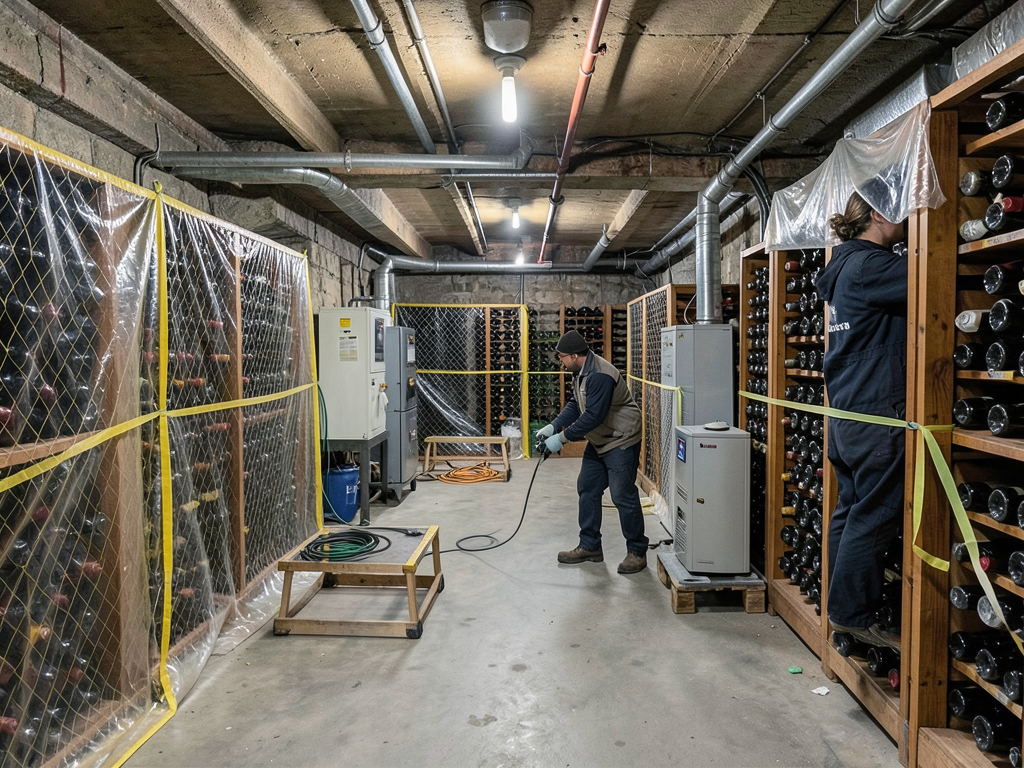
Effective remediation removes contaminated materials completely. Porous materials like drywall, insulation, and carpeting cannot be adequately cleaned once mold penetrates. We establish containment barriers with negative air pressure to prevent cross-contamination during removal. HEPA filtration captures airborne spores during demolition. Antimicrobial treatment on structural elements kills remaining colonies. The goal is eliminating the mold reservoir, not just making it invisible. Surface cleaning or encapsulation leaves mycotoxins in place. You need complete removal for health recovery.

Post-Remediation Verification

Clearance testing confirms successful remediation. We conduct post-remediation air sampling after cleanup is complete but before reconstruction begins. Spore counts should return to normal background levels matching outdoor readings. Visual inspection confirms no remaining growth or water damage. Moisture readings verify all materials are properly dried. You receive laboratory documentation showing your home is safe for reoccupancy. This verification protects your health and provides documentation for insurance claims or real estate transactions. We do not consider a job complete until testing confirms success.

Frequently Asked Questions

You Have Questions,
We Have Answers

How to tell if your body has mold toxicity? +

Your body signals mold toxicity through persistent symptoms that do not respond to typical treatments. Watch for chronic fatigue that sleep does not fix, brain fog affecting memory and concentration, recurring sinus congestion, headaches, and respiratory issues like coughing or wheezing. Skin rashes, joint pain, and unexplained mood changes also point to exposure. Providence residents in older homes or high-humidity neighborhoods near the Providence River face higher risk. If symptoms worsen at home but improve when you leave, mold may be the cause. Consult a physician familiar with environmental illness for proper testing and diagnosis.

What are the signs of mold making you sick? +

Mold makes you sick through airborne spores that trigger respiratory symptoms first. You may notice persistent coughing, throat irritation, nasal congestion, or worsening asthma. Watery eyes, sneezing, and skin rashes appear when your immune system reacts to spore exposure. Fatigue and headaches develop as toxins affect your body systemically. In Providence's humid climate, basements and bathrooms become breeding grounds for mold. Symptoms typically worsen inside the affected building and improve outdoors. Children, elderly residents, and people with compromised immune systems show symptoms faster. If multiple family members experience unexplained respiratory issues simultaneously, inspect your home for mold growth.

Can mold cause heartburn? +

Yes, mold exposure can cause heartburn and digestive issues. Mold toxins trigger inflammation throughout your body, including your gastrointestinal tract. This inflammation disrupts normal stomach acid production and esophageal function, leading to acid reflux and heartburn symptoms. Mycotoxins from certain mold species also irritate your digestive lining directly. If you experience new or worsening heartburn along with other mold exposure symptoms like respiratory issues or fatigue, investigate your Providence home for hidden mold growth. Water damage from roof leaks or basement flooding creates ideal conditions. Address the source through professional remediation, as treating symptoms alone will not resolve the underlying cause.

Can mold cause tingling? +

Mold exposure can cause tingling sensations in your extremities. Mycotoxins affect your nervous system, leading to peripheral neuropathy that manifests as tingling, numbness, or pins-and-needles feelings in hands and feet. This happens when neurotoxic mold species release compounds that interfere with nerve signal transmission. Providence residents exposed to black mold or other toxic varieties may experience these neurological symptoms alongside cognitive issues like memory problems and difficulty concentrating. The tingling often accompanies other symptoms including fatigue, headaches, and respiratory distress. If you notice unexplained neurological symptoms and suspect mold in your home, seek medical evaluation and professional mold inspection immediately.

What are the 5 most toxic molds? +

The five most toxic molds are Stachybotrys chartarum (black mold), Aspergillus, Penicillium, Fusarium, and Chaetomium. Black mold produces mycotoxins that cause severe respiratory distress and neurological symptoms. Aspergillus triggers allergic reactions and lung infections, particularly dangerous for immunocompromised individuals. Penicillium releases spores causing sinus infections and allergic responses. Fusarium thrives in water-damaged areas and produces toxins affecting immune function. Chaetomium appears in chronically wet conditions and causes skin and nail infections. In Providence's older housing stock and humid climate, these species colonize after water intrusion from flooding, leaks, or poor ventilation. Professional identification determines species and appropriate remediation methods.

Can bloodwork show mold exposure? +

Yes, bloodwork can show mold exposure through specific testing methods. Your doctor can order mycotoxin testing that detects mold toxins in your blood or urine. Antibody tests measure IgG and IgE levels, showing immune system response to specific mold species. Complete blood counts may reveal elevated eosinophils, indicating allergic response to mold. Some physicians use inflammatory marker tests to identify systemic inflammation from mold exposure. However, standard blood panels do not screen for mold. You need specialized testing through labs familiar with environmental illness. Providence residents should seek physicians experienced in mold-related health issues for accurate interpretation and treatment planning based on results.

Can I test myself for mold exposure? +

Home mold test kits provide limited information about exposure. You can purchase test kits that collect air or surface samples and mail them to labs for analysis. These identify mold species present but do not measure your personal exposure level or health impact. Urine mycotoxin tests ordered online detect toxins your body excretes, offering better insight into actual exposure. However, results require proper medical interpretation. For Providence homes, professional mold inspection provides more comprehensive assessment than DIY testing. Inspectors use moisture meters, thermal imaging, and proper sampling techniques to locate hidden growth. Combine environmental testing with medical evaluation from a physician familiar with mold illness for complete understanding.

What kills mold permanently? +

Professional remediation kills mold permanently by removing contaminated materials and eliminating moisture sources. Surface cleaning with bleach only addresses visible growth temporarily. Complete removal requires cutting out affected drywall, insulation, and porous materials that harbor spores deep within. EPA-registered antimicrobial treatments kill remaining spores on structural surfaces. HEPA filtration during remediation captures airborne spores. Fixing the moisture problem prevents regrowth. In Providence, this means repairing roof leaks, improving basement waterproofing, and controlling humidity through proper ventilation. Dehumidifiers maintain levels below 50 percent. Without addressing water intrusion, mold returns. Professional remediation ensures thorough removal and implements moisture control strategies for lasting results.

Can air purifiers help with mold? +

Air purifiers help reduce airborne mold spores but do not eliminate the source. HEPA filters capture 99.97 percent of particles, including mold spores circulating through your home. This reduces respiratory symptoms and prevents spores from spreading to uncontaminated areas during remediation. However, purifiers cannot remove mold growing inside walls, under floors, or in HVAC systems. Providence residents need professional remediation to eliminate colonies producing spores continuously. Use air purifiers as supplemental protection, not primary treatment. Place units in affected rooms during and after remediation. Replace filters regularly for effectiveness. Combine filtration with moisture control and source removal for complete mold management in your home.

Can mold affect your bowel movements? +

Yes, mold affects bowel movements through multiple mechanisms. Mycotoxins irritate your intestinal lining, causing inflammation that leads to diarrhea, constipation, or alternating patterns. Some people develop irritable bowel syndrome symptoms from chronic mold exposure. Toxins disrupt your gut microbiome, killing beneficial bacteria that regulate digestion. This imbalance causes bloating, cramping, and irregular movements. Mold also triggers immune responses that manifest as digestive symptoms. Providence residents with unexplained gastrointestinal issues alongside respiratory symptoms or fatigue should investigate their homes for mold. Address the environmental source through professional remediation while working with your physician to manage symptoms and restore gut health through appropriate treatment.

How Providence's Coastal Humidity Amplifies Mold Toxicity Risks

Providence sits at the head of Narragansett Bay, where marine air creates consistently high relative humidity. Summer months regularly exceed 70 percent humidity, well above the 60 percent threshold where mold growth accelerates. The coastal location means salt air corrodes building materials and creates condensation on cold surfaces. Homes without proper dehumidification experience chronic moisture problems. This environmental reality makes mold toxicity a year-round concern, not just a seasonal issue. The combination of old housing stock and coastal climate creates some of the highest mold growth rates in New England.

Rhode Island's public health infrastructure recognizes mold as a significant health issue. The state requires specific remediation protocols for properties with contamination exceeding certain thresholds. Atlas Water Damage Restoration Providence follows Rhode Island Department of Health guidelines for assessment, containment, and clearance. We maintain relationships with local environmental testing laboratories and can coordinate with physicians treating mold illness symptoms. This local network ensures you receive comprehensive care, from diagnosis through remediation and health recovery. Choosing a provider familiar with Rhode Island's regulatory environment and healthcare resources gives you advantages that national chains cannot match.
Water Damage Restoration Services in The Providence Area

We are proud to serve the entire Providence area and its surrounding communities. Our strategically located team allows us to provide a fast and reliable response to any water damage emergency, no matter where you are. We invite you to view our service area on the map below to confirm that we are able to reach you quickly. If you are in need of immediate assistance or have questions about our service coverage, please don't hesitate to give us a call at any time.

Address:
Atlas Water Damage Restoration Providence, 12 Eagle St, Providence, RI, 02908

Additional Services We Offer

Our news updates

Latest Articles & News from The Blogs

Why your Pawtucket basement smells like sewage every time it rains If your basement smells like sewage every time it…

Why your Pawtucket basement smells like sewage every time it rains

Why your Pawtucket basement smells like sewage every time it rains If your basement smells like sewage every time it…

Choosing between a sump pump and an ejector pump for your basement in Johnston

Choosing between a sump pump and an ejector pump for your basement in Johnston A flooded basement in Johnston can…

How to get rid of the chemical smell after water damage cleanup in your Smith Hill apartment

How to get rid of the chemical smell after water damage cleanup in your Smith Hill apartment If you are…

Contact Us

Do not wait for symptoms to worsen. Call Atlas Water Damage Restoration Providence at (401) 262-8400 for professional mold inspection and toxicity assessment. We respond quickly, test thoroughly, and explain your results clearly. Protect your health now.