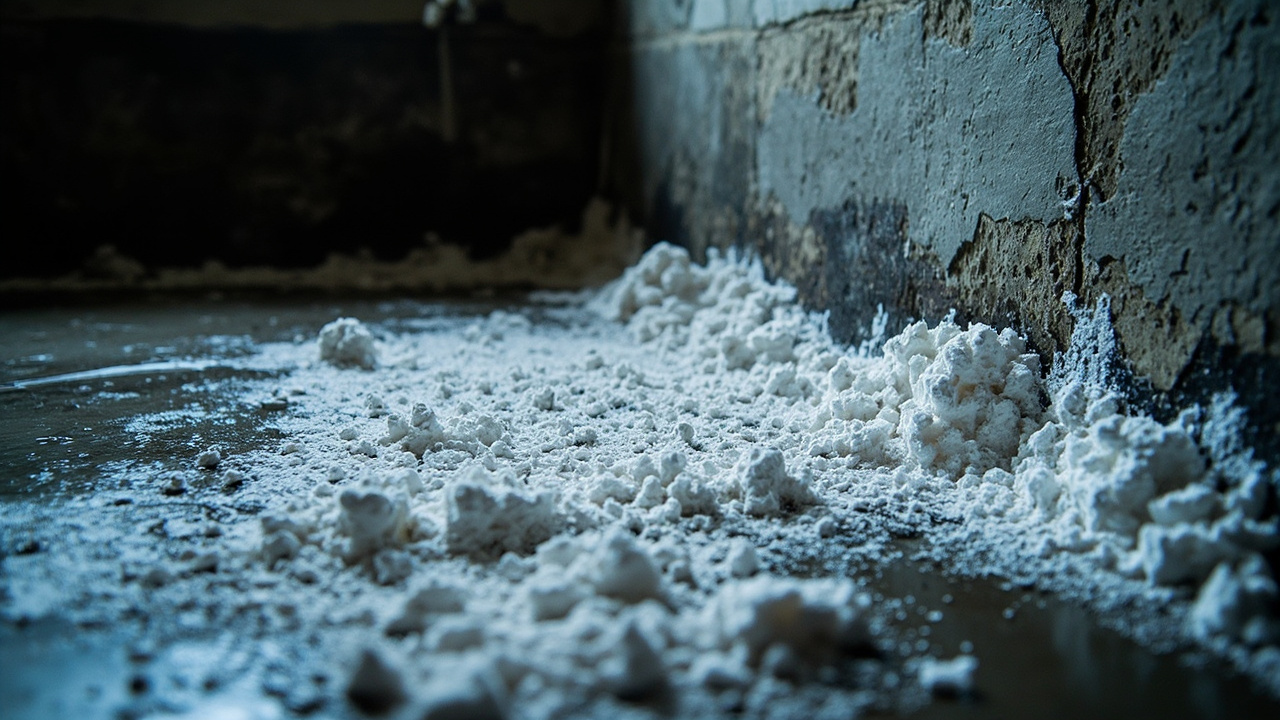

Providence sits at the confluence of the Woonasquatucket, Moshassuck, and Providence Rivers, creating groundwater conditions that fluctuate dramatically with rainfall and tidal cycles. The city's bedrock geology features the Narragansett Bay Formation overlain by glacial till and marine clay deposits. These clay soils have low permeability, meaning water doesn't drain away from foundations quickly after storms. In neighborhoods along the rivers like Fox Point and the Jewelry District, the water table can rise within feet of basement floor slabs during spring recharge. This creates persistent hydrostatic pressure that pushes moisture through concrete via capillary action. That moisture carries dissolved salts from the concrete aggregate or surrounding soil, resulting in the white powder you see on basement floors and foundation walls.
Atlas Water Damage Restoration Providence has worked in every neighborhood from Smith Hill to Wayland, and we understand how different foundation types respond to local moisture conditions. The city's pre-1950 housing stock often features fieldstone foundations with minimal waterproofing, while newer construction uses poured concrete or concrete block with varying quality of exterior dampproofing. We adjust our remediation approach based on your specific foundation type and the local hydrology affecting your property. Our familiarity with Providence's building department processes and historic district requirements means we can pull permits efficiently and coordinate inspections without delays. When you hire local experts who work in these conditions daily, you get solutions that account for the realities of Providence's water management challenges.