


East Providence sits at the confluence of the Seekonk and Ten Mile Rivers, placing thousands of homes in flood-prone zones that activate during nor'easters and spring thaw events. The city's aging housing stock, much of it built between 1920 and 1960, features cast iron drain lines and galvanized supply pipes that corrode from the inside and fail without warning. Rumford and Riverside neighborhoods experience basement flooding during heavy rainfall because storm sewers built for smaller populations now overflow when precipitation exceeds two inches per hour.
The Narragansett Bay's coastal influence creates humidity levels that hover near 75 percent from June through September, meaning water damage that isn't dried within 48 hours will grow mold colonies in wall cavities and under flooring. East Providence homes built on fill soil near the waterfront, particularly around Watchemoket Cove and along Bullocks Point Avenue, face hydrostatic pressure that forces groundwater through foundation cracks during seasonal high water tables. Rhode Island's freeze-thaw cycles between November and March cause burst pipes in unheated spaces, crawl spaces, and exterior walls facing north, creating sudden water emergencies that flood finished basements and damage hardwood floors in older Colonial and Cape-style homes throughout the city.
We've extracted water from East Providence properties for over a decade, learning exactly how water behaves in the city's unique housing types and soil conditions. Our technicians train on the specific challenges of older New England construction, from removing water trapped under tongue-and-groove oak floors to drying plaster walls without causing crumbling. We maintain equipment staging in East Providence, cutting response time to under an hour for most calls, which matters because every minute of standing water adds thousands in secondary damage.
Atlas Water Damage Restoration Providence holds IICRC Water Damage Restoration Technician certification and follows ANSI/IICRC S500 standards for every job, from small bathroom overflows to whole-house flooding. We deploy truck-mounted extraction units that pull 100 gallons per minute, paired with low-grain refrigerant dehumidifiers that drop humidity to 30 percent within hours, stopping mold before spores activate. Our thermal imaging cameras detect hidden moisture in wall cavities and ceiling spaces that other companies miss, preventing callback mold issues three months later.
We work directly with every major insurance carrier servicing Rhode Island and handle documentation from initial moisture mapping through final clearance testing. You get one project manager from start to finish who coordinates with your adjuster, schedules inspections, and texts you daily progress updates. We don't subcontract work to unlicensed crews or leave apprentices alone on job sites. Every Atlas technician carries state certification and passes background checks, which matters when we're working in your home during a crisis.

We stage equipment and crews in East Providence, guaranteeing arrival within one hour of your call, 24 hours a day. Fast response stops water from spreading into additional rooms and prevents structural damage that turns a simple cleanup into a major reconstruction project requiring permits and engineers.

Every technician holds Water Damage Restoration certification from the Institute of Inspection, Cleaning and Restoration Certification and completes continuing education on the latest drying science and moisture detection technology. We follow industry standards that insurance companies recognize and trust, ensuring smooth claims processing and full coverage.
Our thermal imaging cameras and penetrating moisture meters find water hiding behind walls, under flooring, and in ceiling cavities that basic visual inspections miss. We document every moisture reading and create detailed drying logs that protect you from future mold liability and satisfy insurance requirements for complete mitigation.
We communicate directly with your insurance adjuster, provide industry-standard documentation using Xactimate pricing, and handle all paperwork from claim filing through final payment. You avoid out-of-pocket expenses and the stress of fighting with carriers over covered services. We know what Rhode Island insurers approve and document accordingly.
Water damage comes from dozens of sources and requires different equipment and techniques depending on contamination level, affected materials, and how long water has been present. Atlas Water Damage Restoration Providence handles every type of water emergency, from clean water supply line breaks to sewage backups requiring biohazard protocols. We own truck-mounted extraction units, thermal drying systems, HEPA air scrubbers, and antimicrobial application equipment needed to restore any property to pre-loss condition.
Our service categories reflect the reality of water damage work. Emergency water removal focuses on stopping active water intrusion and extracting standing water before it saturates structural components. Structural drying addresses moisture that has penetrated walls, floors, and ceilings, requiring specialized equipment and monitoring over several days. Contaminated water cleanup involves sewage backups, flood water, or any Category 2 or 3 water that requires disinfection protocols and potentially hazardous material removal. Each category demands different certifications, equipment, and safety procedures, which is why we maintain capabilities across all three rather than limiting service to simple cleanups.
We stop water at the source, whether that means shutting off supply valves, patching roof leaks, or sandbagging entry points during flooding. Our truck-mounted extractors remove standing water from carpets, hardwood floors, and tile within minutes of arrival, preventing saturation damage to subfloors and floor joists. We pull baseboards, drill weep holes in walls, and remove wet insulation while water is still visible, maximizing what insurance covers under emergency mitigation versus reconstruction.
After extraction, moisture remains in wall cavities, subfloors, and framing lumber where mold grows if humidity stays above 60 percent for 48 hours. We place low-grain refrigerant dehumidifiers that pull 150 pints daily, paired with axial air movers positioned based on psychrometric calculations, not guesswork. Our technicians return daily to document moisture levels with penetrating meters, adjusting equipment placement until all readings return to normal ranges specified in IICRC S500 standards.
Sewage backups and flood water carry bacteria, viruses, and parasites that contaminate everything they touch. Our crews wear respirators and protective suits while removing contaminated materials, disinfecting all surfaces with EPA-registered antimicrobials, and HEPA filtering the air to remove airborne pathogens. We follow OSHA bloodborne pathogen standards and dispose of contaminated waste through licensed facilities. Every surface gets tested and certified clean before we return your property.
East Providence's location between two rivers, aging infrastructure, and coastal weather patterns create water damage scenarios that repeat across neighborhoods with predictable regularity. Homes built before 1970 face multiple vulnerability points, from failing cast iron drain lines to undersized gutters that overflow during the intense rainfall events Rhode Island now experiences monthly. The city's mix of finished basements, crawl spaces, and slab foundations means water behaves differently from house to house, requiring technicians who understand local construction types.
We see the same problems every season. Spring brings frozen pipe bursts in exterior walls and crawl spaces. Summer creates condensation issues when cold AC ducts meet humid basement air. Fall hurricanes and nor'easters push water through aging roof valleys and around chimney flashings. Winter ice dams back water under shingles on the north-facing roof slopes common in Colonial architecture. Understanding these patterns lets us respond faster and dry more effectively because we know where water hides in East Providence homes.
Properties near Watchemoket Cove and along the Seekonk River flood when storm surge combines with high tides and heavy rain. Groundwater rises through floor cracks and pushes through foundation walls, flooding finished basements in hours. Sump pumps fail during power outages, letting water rise until it reaches electrical panels and HVAC equipment.
Rhode Island's freeze-thaw cycles crack copper supply lines in crawl spaces, attics, and exterior walls that lose insulation effectiveness over decades. A quarter-inch split in a half-inch supply line releases 250 gallons per hour, flooding multiple rooms before homeowners discover the leak. Older homes lack shut-off valves for individual fixtures, requiring whole-house water shutdown.
Rubber washing machine hoses degrade after five years but rarely get replaced until they burst. A failed hot water supply hose on the second floor floods the laundry room, then pours through ceiling penetrations into first-floor living spaces and basements. Water saturates drywall ceilings, which collapse under the weight if not dried within 72 hours.
Ice dams form on roof eaves when attic heat melts snow that refreezes at the cold roof edge, creating barriers that trap water under shingles. Water enters through nail holes and seeps into insulation, ceiling drywall, and exterior walls. By the time stains appear on ceilings, gallons of water have saturated the structure above.
Water emergencies create panic. You're watching water spread across floors, wondering if you should start moving furniture or trying to mop it up yourself. The moment you call Atlas Water Damage Restoration Providence, that panic stops because you have professionals handling the problem. Our dispatcher asks specific questions about water source, affected areas, and safety concerns, then immediately sends a crew while staying on the phone to walk you through shutting off water sources or electricity if needed.
You get a text within five minutes with your technician's name, photo, and estimated arrival time. When our truck pulls up, usually within an hour, you meet a certified technician who explains exactly what will happen over the next 30 minutes, three hours, and three days. We don't upsell or push unnecessary services. We show you moisture readings, explain what materials can be saved versus replaced, and give you options with honest pricing before starting work. Every step gets documented with photos and moisture logs that go to your insurance company the same day.
Our phones answer 24 hours a day with a live person who understands water damage, not an answering service reading a script. We dispatch the closest crew immediately and send you tracking updates by text. You know who's coming, when they'll arrive, and what to do while waiting. We coordinate with plumbers or electricians if needed and contact your insurance company to open a claim before our truck arrives at your property.
We use moisture meters and thermal cameras to map exactly where water is present, then explain what needs to happen in plain language. You see the readings and understand why certain materials must be removed or dried. We provide written estimates using Xactimate software that insurance adjusters recognize, itemizing every service and material. No hidden fees, no surprise charges, no pressure to approve work you don't understand or need.
Structural drying takes three to seven days depending on materials and saturation levels. Our technicians return daily to document moisture levels, adjust equipment, and text you updated readings. You know exactly when drying will finish based on actual measurements, not guesses. When moisture readings meet IICRC standards, we provide certification letters for your insurance company and remove all equipment the same day, leaving your property ready for repairs.
Water damage restoration follows scientific principles, not guesswork. We extract visible water, then dry structural moisture, then verify everything tests clean and dry before leaving your property.
Within one hour of your call, our crew arrives with truck-mounted extractors that pull 100 gallons per minute from carpets, tile, and hardwood. We move furniture to dry areas, pull wet baseboards, remove soaked insulation, and extract water from every accessible surface. Thermal cameras identify hidden moisture in walls and ceilings. We document everything with photos and moisture readings, then place commercial dehumidifiers and air movers before leaving your property secured.
Our technicians return every 24 hours to measure moisture in walls, floors, and ceilings using penetrating meters that read 3/4 inch deep into materials. We adjust dehumidifier settings and air mover positions based on psychrometric calculations that account for temperature, humidity, and material type. Daily logs track drying progress and get uploaded to your insurance portal automatically. Drying continues until all readings fall below 15 percent moisture content, the IICRC standard for safe occupancy.
When all moisture readings meet standards, we perform final thermal imaging to confirm no hidden wet spots remain. You receive written certification that documents moisture levels in every affected area, photos showing before and after conditions, and equipment removal confirmation. This documentation satisfies insurance requirements and protects you from future mold claims. We coordinate with your contractor for repairs or handle reconstruction ourselves if you prefer one company managing the entire restoration.
Professional water damage restoration follows ANSI/IICRC S500 Standard and Reference Guide for Professional Water Damage Restoration, which defines three categories of water based on contamination level and four classes of water damage based on evaporation rate and affected materials. Category 1 water comes from sanitary sources like supply lines and doesn't pose health risks if dried quickly. Category 2 water contains contaminants that cause discomfort or sickness if ingested, like washing machine discharge or toilet overflow with no feces. Category 3 water is grossly contaminated and contains sewage, flooding from rivers, or any water that has sat stagnant for more than 72 hours growing bacteria.
Class 1 damage affects only part of a room with minimal moisture absorption in materials. Class 2 damage affects an entire room with significant moisture wicking up walls 12 to 24 inches. Class 3 damage comes from overhead sources like roof leaks, saturating walls, ceilings, insulation, and structural cavities. Class 4 damage involves specialty drying situations like hardwood floors, plaster, concrete, and crawl spaces where moisture requires advanced techniques and extended drying time. We classify every job correctly because insurance coverage and drying strategies change based on these categories and classes.
Our psychrometric approach to drying uses specific humidity measurements rather than time-based guesses. We measure grains per pound of moisture in the air and adjust dehumidification to create vapor pressure gradients that pull moisture from wet materials into the air, where refrigerant dehumidifiers remove it. This science-based process dries structures in three to five days versus the seven to ten days required by rental equipment and amateur techniques. Rhode Island's coastal humidity complicates drying because ambient air already carries 60 to 80 grains per pound during summer, requiring low-grain refrigerant dehumidifiers that can drop humidity to 30 grains per pound despite exterior conditions.
Thermal imaging detects moisture without cutting holes in walls by identifying temperature differentials where evaporating water creates cold spots. Penetrating moisture meters send electromagnetic signals into materials and measure resistance to determine moisture content at depths up to 3/4 inch below the surface. We take baseline readings in unaffected areas, then compare readings in damaged zones to determine when materials return to normal moisture levels. This documentation protects homeowners from contractors who claim drying is complete based on visual inspection while moisture remains trapped in wall cavities where mold will grow within weeks.
We assess every water source using IICRC contamination categories and evaporation classes to determine required safety equipment, disposal methods, and drying strategies. Category 3 sewage requires respirators and antimicrobial treatment. Class 4 hardwood requires specialty drying mats. Proper classification ensures complete restoration and prevents insurance claim denials from improper documentation or inadequate remediation protocols.
Water volume, contamination category, affected square footage, and material types determine restoration costs. Sewage cleanup costs more than clean water because of biohazard disposal and disinfection requirements. Hardwood floor drying costs more than carpet because specialized equipment must extract moisture without damaging wood. Multi-story water damage costs more because water travels through floor penetrations into additional rooms and requires vertical containment and drying.
Structural drying requires three to seven days depending on material saturation, ambient humidity, and building construction. Plaster walls dry slower than drywall. Hardwood floors require seven to ten days. Concrete foundations require two weeks. We cannot accelerate drying beyond psychrometric limits without damaging materials. Anyone promising 24-hour drying is either lying or planning to leave before moisture readings normalize, creating mold risk.
Rhode Island requires contractor registration for water damage work exceeding $500 and mandates general liability insurance with minimum one million dollar coverage. Legitimate companies carry pollution liability insurance covering mold exposure claims and workers compensation for employee injuries. We provide certificates of insurance before starting work, protecting you from liability if our technicians get injured or if restoration work somehow creates additional damage during emergency response.
This video explains the complete water damage restoration process used by Atlas Water Damage Restoration Providence when serving East Providence, Rhode Island properties. Viewers learn about emergency water extraction techniques, structural drying protocols following IICRC S500 standards, moisture detection using thermal imaging and penetrating meters, and insurance coordination for water damage claims. The video covers response times, equipment used, and drying timelines for typical East Providence water damage scenarios including basement flooding, burst pipes, and sewage backups in residential and commercial properties.
Atlas Water Damage Restoration Providence maintains response capabilities throughout East Providence, from the waterfront neighborhoods along Narragansett Bay to the residential streets near the Massachusetts border. We serve Rumford, where older Colonial and Cape homes face basement flooding from the Ten Mile River during spring runoff and nor'easters that push storm surge up the Seekonk River into low-lying properties along Veteran's Memorial Parkway. Our crews know the area's mix of finished basements and crawl spaces, understanding that water behaves differently in homes built on fill soil near Watchemoket Cove versus properties on higher ground near Newman Avenue.
Riverside residents call us for burst pipe emergencies in the area's mid-century ranches and split-levels, where copper supply lines in exterior walls freeze during January cold snaps when temperatures drop below 15 degrees for 48 hours straight. We've dried dozens of properties along Bullocks Point Avenue where coastal storms drive rain through aging roof valleys and around brick chimney flashings that crack from decades of freeze-thaw cycles. The neighborhood's proximity to Squantum Woods means properties face higher humidity in summer, requiring aggressive dehumidification to prevent mold in wall cavities after water damage.
Kent Heights properties built in the 1950s and 1960s feature slab foundations and galvanized supply piping that corrodes from inside after 60 years, creating pinhole leaks that spray water into walls for days before homeowners notice stains on drywall. We respond to calls throughout the Crescent Park area, where Victorian-era homes near the old carousel building face unique challenges drying plaster walls and lathe construction that holds moisture longer than modern drywall. The Atlantic Beach shoreline properties flood during hurricane season when storm surge combines with high tides, requiring truck-mounted extraction and commercial-grade dehumidification to dry finished living spaces before mold activates.
Our service area extends north to the Pawtucket border along Route 44, where we handle water damage in the area's apartment complexes and multi-family properties that require coordination between unit owners and property managers. We work throughout the Omega section near Route 195, responding to commercial water damage in retail spaces and office buildings along Taunton Avenue. East Providence's location between Providence and the Massachusetts border means we coordinate with adjusters from insurance companies serving both states, understanding Rhode Island coverage requirements and documentation standards that differ from neighboring states.
Most water damage restoration companies in East Providence offer 24/7 emergency response. You can expect a team to arrive within 60 to 90 minutes of your call. Response time matters because water spreads fast and causes more damage with each passing hour. The faster professionals extract water and start drying, the less damage your property will sustain. Quick response also reduces the risk of mold growth and structural issues. Call immediately when you spot water damage to minimize repair needs.
Water damage restoration expenses vary based on several factors. The size of the affected area plays a major role in determining final totals. The category of water matters too. Clean water from a broken pipe differs from contaminated sewage backup. The extent of structural damage and the materials affected influence the scope of work. Your restoration company will assess the damage and provide a detailed estimate before starting work. Get multiple quotes when time permits.
Homeowners insurance typically covers sudden and accidental water damage in East Providence. A burst pipe or appliance malfunction usually qualifies for coverage. Your policy likely excludes damage from neglect or long-term leaks you failed to address. Flood damage requires separate flood insurance through the National Flood Insurance Program. Review your policy carefully and document all damage with photos. File your claim promptly and keep all receipts from emergency repairs. Contact your insurance agent to understand your specific coverage.
Most water damage restoration companies in East Providence offer 24/7 emergency response. You can expect a team to arrive within 60 to 90 minutes of your call. Response time matters because water spreads fast and causes more damage with each passing hour. The faster professionals extract water and start drying, the less damage your property will sustain. Quick response also reduces the risk of mold growth and structural issues. Call immediately when you spot water damage to minimize repair needs.
Water damage restoration expenses vary based on several factors. The size of the affected area plays a major role in determining final totals. The category of water matters too. Clean water from a broken pipe differs from contaminated sewage backup. The extent of structural damage and the materials affected influence the scope of work. Your restoration company will assess the damage and provide a detailed estimate before starting work. Get multiple quotes when time permits.
Homeowners insurance typically covers sudden and accidental water damage in East Providence. A burst pipe or appliance malfunction usually qualifies for coverage. Your policy likely excludes damage from neglect or long-term leaks you failed to address. Flood damage requires separate flood insurance through the National Flood Insurance Program. Review your policy carefully and document all damage with photos. File your claim promptly and keep all receipts from emergency repairs. Contact your insurance agent to understand your specific coverage.
Water damage restoration in East Providence homes typically takes three to seven days for straightforward cases. Minor water damage in one room might finish in two to three days. Extensive flooding affecting multiple floors could take two weeks or more. The timeline depends on the amount of water, materials affected, and humidity levels. Drying hardwood floors takes longer than drying tile. Your restoration team will monitor moisture levels daily and adjust equipment as needed.
Watch for water stains on ceilings and walls. These appear as discolored patches, often yellowish or brown. Musty odors indicate hidden moisture and possible mold growth. Warped or buckling floors signal water beneath the surface. Peeling paint or wallpaper means moisture has compromised the adhesive. Feel for soft spots in drywall or flooring. Check for increased utility bills, which might indicate a hidden leak. Listen for dripping sounds behind walls. Inspect areas around pipes, appliances, and windows regularly.
Whether you can stay home during restoration depends on the damage extent and location. Minor water damage confined to one room often allows you to remain in your home. Extensive flooding affecting multiple areas or contaminated water typically requires temporary relocation. If restoration teams need to remove drywall or run loud equipment 24/7, staying elsewhere makes sense. Health concerns arise when dealing with sewage backup or advanced mold growth. Your restoration company will advise you based on safety considerations.
Burst pipes lead water damage emergencies in East Providence during winter months. Frozen pipes expand and crack when temperatures drop below freezing. Appliance failures, particularly washing machines and water heaters, cause frequent problems. Roof leaks worsen during heavy rain and snow. Basement flooding occurs after storms overwhelm drainage systems. Toilet overflows and sewer backups create emergencies requiring immediate attention. Old plumbing systems in historic East Providence homes face higher failure rates. HVAC condensate line clogs also contribute to water damage incidents.
Choose a water damage restoration company with proper certifications from the Institute of Inspection Cleaning and Restoration Certification. Verify they offer 24/7 emergency service and fast response times. Read online reviews from East Providence customers and check their rating with the Better Business Bureau. Ask about their experience with your specific type of water damage. Confirm they work directly with insurance companies to streamline claims. Request references from recent local projects. Choose a company with local knowledge of East Providence properties and weather patterns.
Water damage creates ideal conditions for mold growth in East Providence homes. Mold spores begin developing within 24 to 48 hours in moist environments. The humid climate in Rhode Island accelerates mold growth after water events. Organic materials like drywall, wood, and carpet provide food for mold colonies. Hidden moisture behind walls or under floors creates mold problems you cannot see. Professional water extraction and thorough drying prevent mold establishment. Proper restoration includes antimicrobial treatments in affected areas.
Water damage restoration companies use industrial-grade equipment to dry your East Providence home. Powerful water extractors remove standing water from carpets and floors. Commercial dehumidifiers pull moisture from the air and materials. Air movers create airflow to speed evaporation. Moisture meters measure water content in walls, floors, and ceilings. Thermal imaging cameras detect hidden water behind surfaces. HEPA air scrubbers remove airborne contaminants and mold spores. Professionals also use injection drying systems for hardwood floors and specialized equipment for different materials.
Water damage restoration in East Providence homes typically takes three to seven days for straightforward cases. Minor water damage in one room might finish in two to three days. Extensive flooding affecting multiple floors could take two weeks or more. The timeline depends on the amount of water, materials affected, and humidity levels. Drying hardwood floors takes longer than drying tile. Your restoration team will monitor moisture levels daily and adjust equipment as needed.
Watch for water stains on ceilings and walls. These appear as discolored patches, often yellowish or brown. Musty odors indicate hidden moisture and possible mold growth. Warped or buckling floors signal water beneath the surface. Peeling paint or wallpaper means moisture has compromised the adhesive. Feel for soft spots in drywall or flooring. Check for increased utility bills, which might indicate a hidden leak. Listen for dripping sounds behind walls. Inspect areas around pipes, appliances, and windows regularly.
Whether you can stay home during restoration depends on the damage extent and location. Minor water damage confined to one room often allows you to remain in your home. Extensive flooding affecting multiple areas or contaminated water typically requires temporary relocation. If restoration teams need to remove drywall or run loud equipment 24/7, staying elsewhere makes sense. Health concerns arise when dealing with sewage backup or advanced mold growth. Your restoration company will advise you based on safety considerations.
Burst pipes lead water damage emergencies in East Providence during winter months. Frozen pipes expand and crack when temperatures drop below freezing. Appliance failures, particularly washing machines and water heaters, cause frequent problems. Roof leaks worsen during heavy rain and snow. Basement flooding occurs after storms overwhelm drainage systems. Toilet overflows and sewer backups create emergencies requiring immediate attention. Old plumbing systems in historic East Providence homes face higher failure rates. HVAC condensate line clogs also contribute to water damage incidents.
Choose a water damage restoration company with proper certifications from the Institute of Inspection Cleaning and Restoration Certification. Verify they offer 24/7 emergency service and fast response times. Read online reviews from East Providence customers and check their rating with the Better Business Bureau. Ask about their experience with your specific type of water damage. Confirm they work directly with insurance companies to streamline claims. Request references from recent local projects. Choose a company with local knowledge of East Providence properties and weather patterns.
Water damage creates ideal conditions for mold growth in East Providence homes. Mold spores begin developing within 24 to 48 hours in moist environments. The humid climate in Rhode Island accelerates mold growth after water events. Organic materials like drywall, wood, and carpet provide food for mold colonies. Hidden moisture behind walls or under floors creates mold problems you cannot see. Professional water extraction and thorough drying prevent mold establishment. Proper restoration includes antimicrobial treatments in affected areas.
Water damage restoration companies use industrial-grade equipment to dry your East Providence home. Powerful water extractors remove standing water from carpets and floors. Commercial dehumidifiers pull moisture from the air and materials. Air movers create airflow to speed evaporation. Moisture meters measure water content in walls, floors, and ceilings. Thermal imaging cameras detect hidden water behind surfaces. HEPA air scrubbers remove airborne contaminants and mold spores. Professionals also use injection drying systems for hardwood floors and specialized equipment for different materials.
We are proud to serve the entire Providence area and its surrounding communities. Our strategically located team allows us to provide a fast and reliable response to any water damage emergency, no matter where you are. We invite you to view our service area on the map below to confirm that we are able to reach you quickly. If you are in need of immediate assistance or have questions about our service coverage, please don't hesitate to give us a call at any time.
Address:
East Providence, RI, 2914

Preventing Basement Flooding from Leaf-Clogged Downspouts in the Blackstone Neighborhood \n\n Your Blackstone home’s historic charm comes with a hidden risk: basement flooding from leaf-clogged downspouts. The neighborhood’s mature oak and maple trees create beautiful…
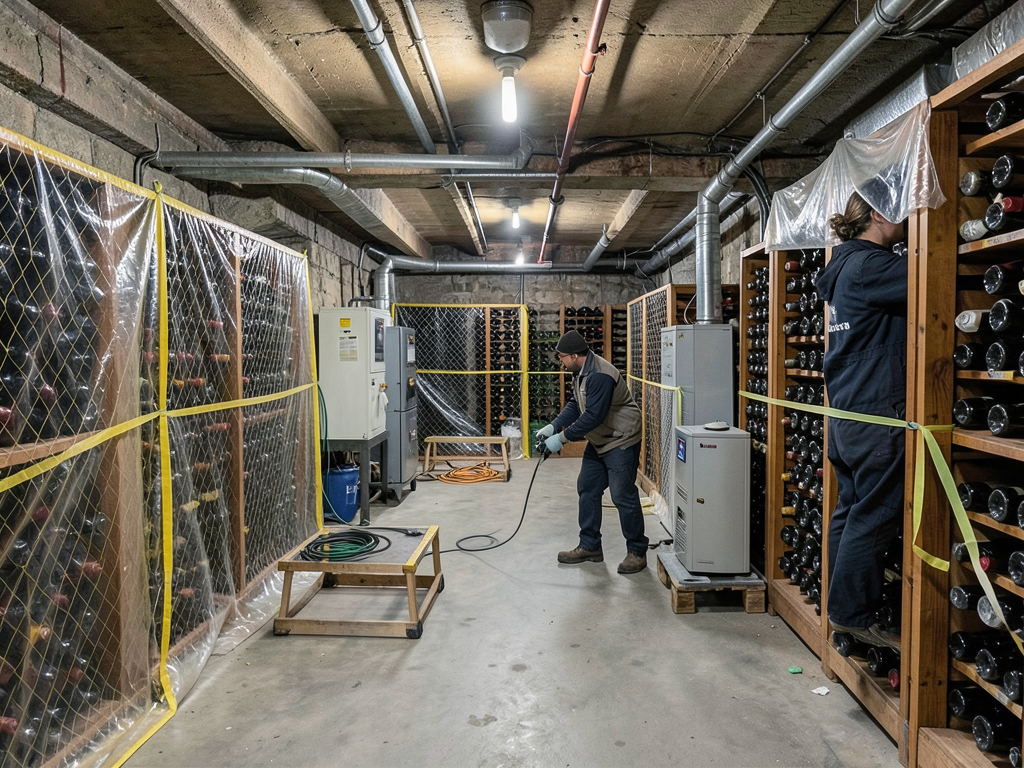
Protecting a basement wine cellar from moisture and mold in a Wayland Square home Basement…
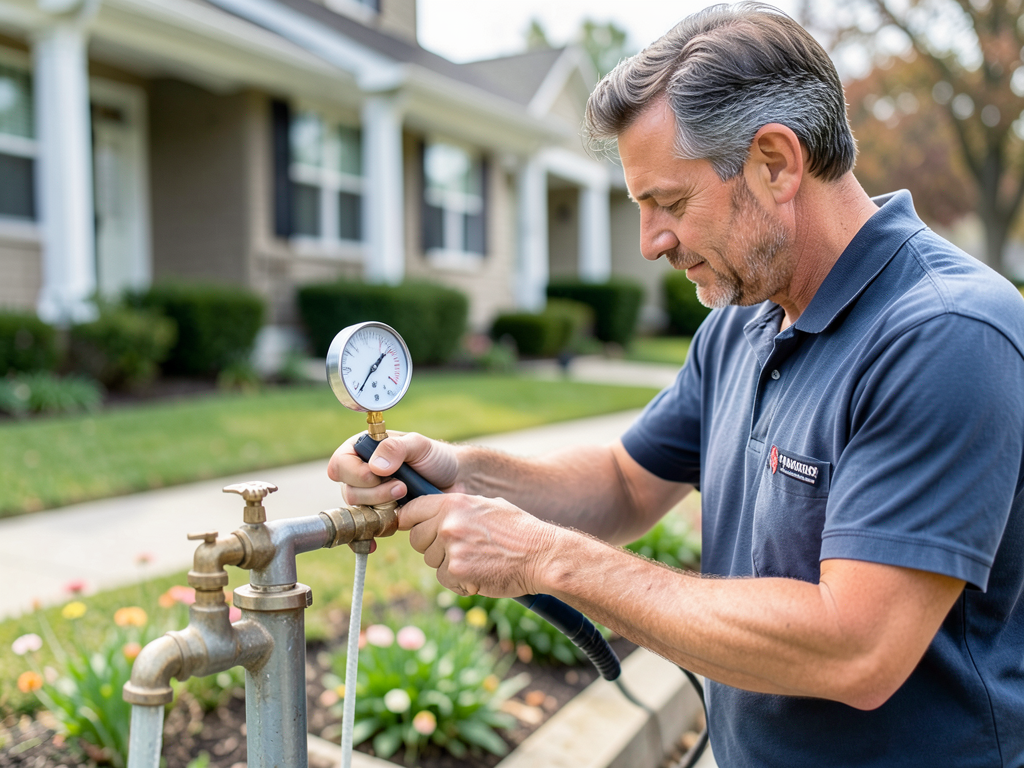
How high water pressure might be ruining the pipes in your Mount Pleasant home High…
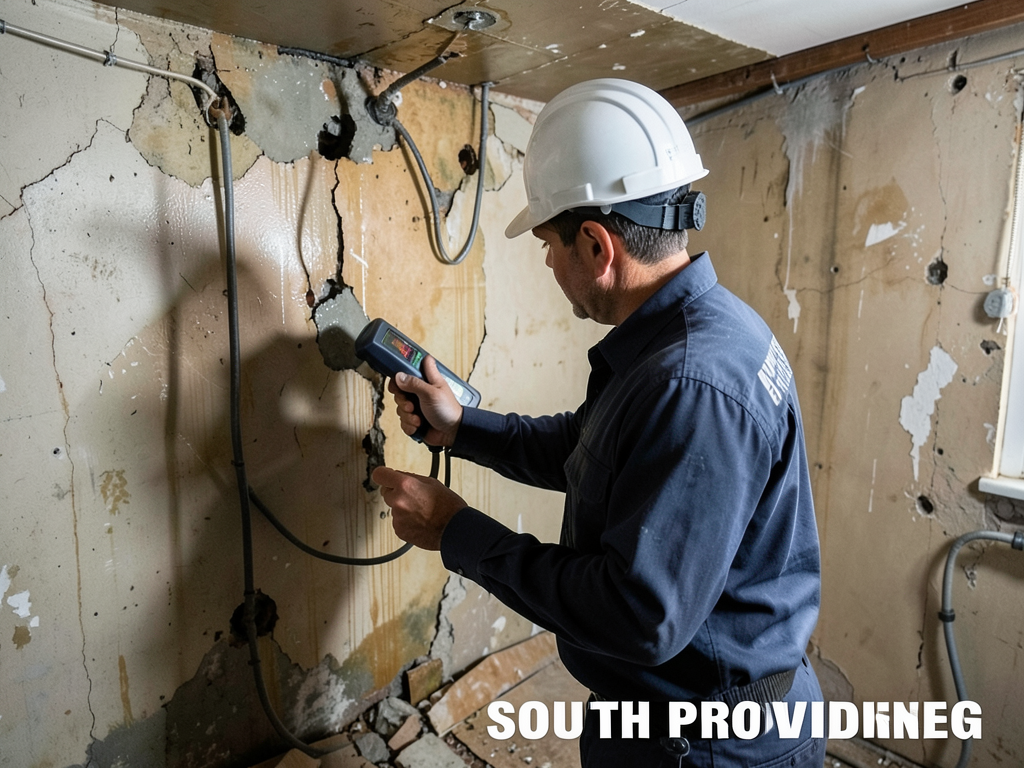
Why Your Drains Smell Like Sulfur After a Heavy Storm in South Providence Heavy storms…
Water damage gets worse every minute you wait. Call Atlas Water Damage Restoration Providence at (401) 262-8400 right now for emergency response in East Providence. Our crews arrive within one hour with truck-mounted extraction equipment and start stopping the damage immediately.