Menu

Risks of DIY Water Cleanup in Providence – Why Amateur Restoration Often Leads to Mold Growth and Structural Damage

Understanding the dangers of DIY water damage restoration protects your Providence home from hidden moisture pockets, Category 3 contamination exposure, and electrical hazards that online tutorials never mention.

Slider Image 1
Slider Image 2
Slider Image 3
Slider Image 4
Slider Image 5
Slider Image 7
Slider Image 8
Slider Image 9
Slider Image 10
Slider Image 11

Why Providence Homeowners Face Serious Consequences When They Handle Water Damage Alone

You find standing water in your basement. Your first thought is to grab a shop vacuum and some towels. That instinct to act quickly is correct, but the hazards of do-it-yourself water removal become apparent within 48 hours when mold colonies begin spreading behind your walls.

Providence's coastal humidity creates an environment where moisture lingers longer than in drier climates. The average relative humidity here hovers around 70 percent year-round. When water intrudes into your Federal Hill brownstone or Fox Point triple-decker, the existing ambient moisture compounds the problem. Your box fan and household dehumidifier cannot extract the volume of water trapped in wall cavities, subfloor assemblies, and insulation batts.

The consequences of amateur water cleanup extend beyond surface drying. Category 2 water from washing machine overflows contains bacteria and detergents. Category 3 water from sewer backups or the Woonasquatucket River flooding carries pathogens that require proper PPE and EPA-registered antimicrobials to handle safely. You expose your family to E. coli, hepatitis A, and parasitic infections when you wade through contaminated water in sneakers and rubber gloves.

Hidden risks of self-managed water mitigation include electrical shock from energized circuits submerged in water, structural collapse from weakened floor joists, and respiratory damage from airborne spore counts that exceed 10,000 CFU per cubic meter. The pitfalls of DIY water extraction become expensive when your insurance adjuster discovers you did not follow IICRC S500 standards. Many policies require professional documentation of proper drying procedures. Without thermal imaging reports, moisture readings, and daily logs, your claim gets reduced or denied entirely.

Providence's aging housing stock, much of it built before 1940, contains plaster walls that wick water horizontally through horsehair and lime. Victorian-era homes in the Armory District feature balloon framing that allows water to travel from the basement to the attic unimpeded. You cannot see this migration with a flashlight and a moisture meter from the hardware store.

Why Providence Homeowners Face Serious Consequences When They Handle Water Damage Alone
How Professional Water Damage Restoration Eliminates Threats That DIY Methods Miss

How Professional Water Damage Restoration Eliminates Threats That DIY Methods Miss

Professional water damage restoration begins with accurate categorization of the water source. We test pH levels, turbidity, and biological load to determine whether we are dealing with clean supply line water, gray water from appliances, or black water containing sewage or floodwater. This categorization dictates the entire remediation protocol, including which materials get saved and which require disposal.

Our truck-mounted extractors remove 95 percent of standing water in the first pass. These systems generate vacuum pressure that household wet-dry vacuums cannot match. We pull water from carpet pad, engineered hardwood, and even concrete slabs using weighted extraction tools and corner wands that reach baseboards and transitions.

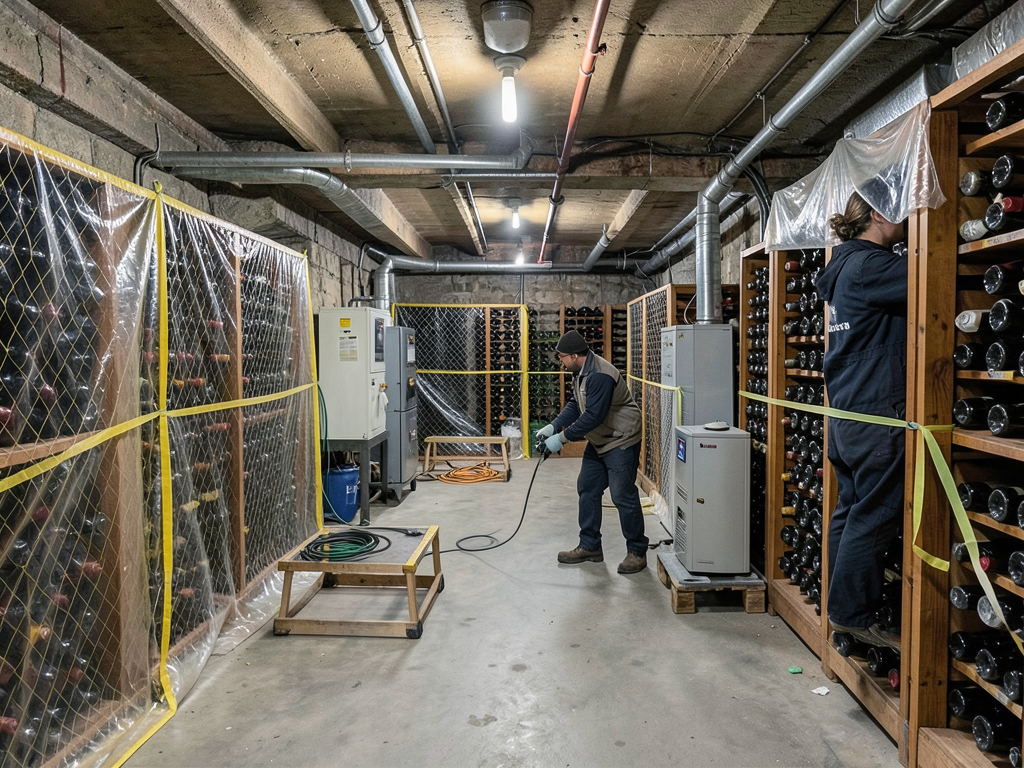
After extraction, we deploy commercial-grade air movers positioned at precise angles to create laminar airflow across wet surfaces. We pair these with low-grain refrigerant (LGR) dehumidifiers that remove moisture from the air at three times the rate of consumer models. The goal is to lower relative humidity to below 40 percent while maintaining temperatures between 70 and 80 degrees Fahrenheit. This creates optimal conditions for evaporation without promoting microbial growth.

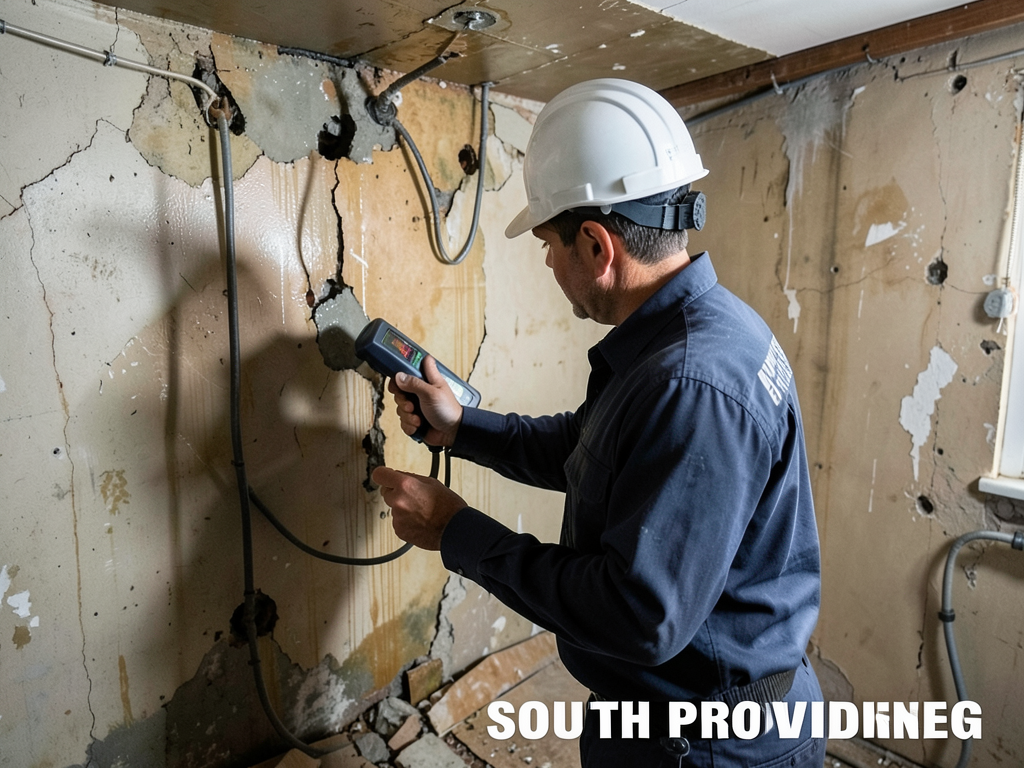
We document the entire process using thermal imaging cameras that detect temperature differentials indicating trapped moisture. A wall that appears dry to the touch may still contain water at 20 percent moisture content. Wood begins to rot and mold spores germinate at 16 percent. We measure moisture in floor joists, wall studs, and ceiling assemblies using penetrating pin meters and non-invasive radio frequency scanners.

Atlas Water Damage Restoration Providence applies EPA-registered antimicrobials to all affected surfaces after drying. We fog containment areas with HEPA-filtered air scrubbers running continuously to prevent cross-contamination. For Category 3 losses, we perform controlled demolition of porous materials that cannot be adequately disinfected, including drywall, insulation, and particleboard subflooring. We then treat framing lumber and concrete with oxidizing biocides before reconstruction begins.

Our approach eliminates the dangers of DIY water damage restoration by addressing contamination, structural drying, and documentation according to industry standards that insurance companies recognize and accept.

What Happens When You Call Us About Water Damage in Your Providence Home

Risks of DIY Water Cleanup in Providence – Why Amateur Restoration Often Leads to Mold Growth and Structural Damage
01

Emergency Assessment and Stabilization

We arrive within 60 minutes to assess the source, category, and extent of water intrusion. Our technicians immediately stop active leaks, shut off compromised water lines, and document pre-loss conditions with photos and moisture readings. We establish containment barriers using polyethylene sheeting to prevent humidity from migrating to unaffected areas of your home. Initial extraction begins while the assessment continues, minimizing secondary damage to structural components and contents.
02

Controlled Drying and Monitoring

We create a drying chamber using strategic placement of air movers and dehumidifiers based on psychrometric calculations. Our technicians return twice daily to record temperature, relative humidity, and material-specific moisture content in floors, walls, and ceilings. We adjust equipment positioning and add capacity as needed. This monitoring continues until three consecutive readings show all materials have reached their dry standard, typically within 72 to 96 hours for most residential losses.
03

Final Verification and Clearance

Before we remove equipment, we perform a final walkthrough with thermal imaging to confirm no hidden moisture pockets remain. We provide your insurance company with a complete drying log, including daily readings, equipment runtime hours, and before-and-after photos. If microbial growth occurred, we arrange third-party clearance testing to verify spore counts have returned to normal ambient levels. You receive documentation proving your home meets IICRC standards for safe reoccupancy.

Why Providence Residents Trust Local Expertise Over YouTube Tutorials for Water Damage

When you search for water cleanup advice online, you find generic information written for homes in Arizona and Florida. These guides do not account for Providence's specific challenges: freeze-thaw cycles that crack foundation walls, nor'easters that drive rain through historic window assemblies, and the Moshassuck River that floods College Hill basements every spring.

Atlas Water Damage Restoration Providence understands how water behaves in the architectural vernacular of this city. We know that Greek Revival homes in the Jewelry District have shallow crawlspaces with limited access points. We have dried out dozens of three-deckers where water cascades from the third floor down through balloon-framed walls to pool in the basement. We recognize that many Providence homes built before 1950 have no vapor barriers, allowing groundwater to wick through fieldstone foundations.

Our familiarity with local building methods prevents costly mistakes. When we work in a Craftsman bungalow on the East Side, we know the floors are likely tongue-and-groove oak over dimensional lumber joists. We understand these assemblies require floor mat systems and injecti-dry panels to pull moisture from the subfloor without cupping the finish flooring. In contrast, a homeowner following generic advice might rip up perfectly salvageable hardwood that could have been saved with proper technique.

We maintain relationships with local insurance adjusters who work for Amica, USAA, and Chubb. These professionals recognize our documentation standards and trust our drying protocols. When you submit a claim backed by our reports, you face fewer disputes and faster payouts. Insurance companies question DIY cleanup attempts because they lack third-party verification and often violate policy requirements for immediate professional mitigation.

Providence's historic preservation standards add another layer of complexity. If you own a home in a locally designated historic district, you cannot simply tear out plaster and replace it with drywall. We coordinate with the Historic District Commission when necessary and employ craftsmen who can match existing materials and methods. This local knowledge protects both your property value and your compliance with city ordinances.

What to Expect When You Choose Professional Water Damage Restoration Over DIY Methods

Rapid Response and Immediate Action

We dispatch crews 24 hours a day, 365 days a year. When you call at 2 a.m. because a pipe burst or your sump pump failed during a rainstorm, we answer the phone and send a technician within the hour. Our trucks carry extraction equipment, air movers, dehumidifiers, and moisture detection tools, so we start mitigation immediately upon arrival. This speed matters because mold begins colonizing porous surfaces within 24 to 48 hours of water exposure. Every hour you wait increases the scope of demolition required and the total cost of restoration. Our fast response minimizes both damage and disruption to your daily life.

Comprehensive Assessment Using Professional Equipment

Our initial inspection goes far beyond a visual check for wet carpet. We use thermal imaging cameras to detect temperature variations that indicate moisture behind walls and above ceilings. We measure humidity levels with hygrometers and record moisture content in building materials using both pin-type and pinless meters. This data establishes a baseline that guides our drying strategy and proves to your insurance company that professional standards were followed. We map the affected area, photograph all damage, and create a detailed scope of work before any demolition occurs. You receive a written assessment that explains exactly what happened, what got wet, and what steps are required to restore your property to pre-loss condition.

Certified Drying That Prevents Mold and Structural Damage

We do not simply dry surfaces. We extract moisture from wall cavities, insulation, and structural framing using specialized techniques like controlled demolition, injecti-dry systems, and negative air pressure. Our technicians hold IICRC certifications in Water Damage Restoration and Applied Structural Drying. We follow psychrometric principles to create conditions where evaporation happens rapidly without over-drying materials or promoting secondary damage. You get a property that is genuinely dry at the molecular level, not just dry to the touch. This thoroughness prevents the mold blooms and wood rot that plague DIY cleanup attempts. Our methods meet insurance requirements and manufacturer specifications for materials like engineered hardwood and laminate flooring.

Documentation and Support for Insurance Claims

We provide detailed daily logs showing temperature, humidity, and moisture readings throughout the drying process. These reports include photos, equipment lists, and technician notes that satisfy insurance company requirements for proof of proper mitigation. We communicate directly with your adjuster, attend site inspections, and provide estimates that align with Xactimate pricing. If your policy includes a mitigation clause, we bill your insurance company directly so you pay only your deductible. After restoration completes, you receive a final report with before-and-after documentation and a certificate of completion. This paperwork protects you if issues arise later and provides verification that professional standards were met.

Frequently Asked Questions

You Have Questions,
We Have Answers

How Providence's Coastal Climate and Historic Housing Create Unique Risks for DIY Water Cleanup

Providence sits at the head of Narragansett Bay, where humid maritime air combines with seasonal temperature swings to create challenging drying conditions. Summer dew points regularly exceed 65 degrees, which means the air already holds substantial moisture before water damage occurs. This ambient humidity slows evaporation and creates an environment where mold and bacteria thrive. When amateur water cleanup attempts fail to account for these conditions, hidden moisture remains trapped in building assemblies. The city's historic housing stock compounds the problem. Many homes feature plaster walls over wood lath, pocket doors, and decorative millwork that trap water and provide organic material for microbial growth. DIY methods cannot adequately dry these complex assemblies without causing irreversible damage to historic fabric.

Rhode Island requires water damage restoration contractors to carry general liability insurance and workers' compensation coverage. When you hire Atlas Water Damage Restoration Providence, you work with a locally established company that understands Providence building codes and historic preservation requirements. We have restored properties in every neighborhood from Silver Lake to Wanskuck, and we maintain relationships with local building inspectors, historic district commissions, and insurance adjusters. This community integration means we navigate permitting, code compliance, and claim documentation efficiently. Our reputation depends on delivering results that protect both your immediate safety and your long-term property value. Choosing a local professional over a DIY approach means choosing accountability, expertise, and proper insurance protection.
Water Damage Restoration Services in The Providence Area

We are proud to serve the entire Providence area and its surrounding communities. Our strategically located team allows us to provide a fast and reliable response to any water damage emergency, no matter where you are. We invite you to view our service area on the map below to confirm that we are able to reach you quickly. If you are in need of immediate assistance or have questions about our service coverage, please don't hesitate to give us a call at any time.

Address:
Atlas Water Damage Restoration Providence, 12 Eagle St, Providence, RI, 02908

Additional Services We Offer

Our news updates

Latest Articles & News from The Blogs

Why your Pawtucket basement smells like sewage every time it rains If your basement smells like sewage every time it…

Why your Pawtucket basement smells like sewage every time it rains

Why your Pawtucket basement smells like sewage every time it rains If your basement smells like sewage every time it…

Choosing between a sump pump and an ejector pump for your basement in Johnston

Choosing between a sump pump and an ejector pump for your basement in Johnston A flooded basement in Johnston can…

How to get rid of the chemical smell after water damage cleanup in your Smith Hill apartment

How to get rid of the chemical smell after water damage cleanup in your Smith Hill apartment If you are…

Contact Us

Do not let water sit while you research DIY methods. Call Atlas Water Damage Restoration Providence now at (401) 262-8400. We respond immediately with professional equipment and certified technicians who follow IICRC standards your insurance company recognizes.