


North Providence sits in the Woonasquatucket River valley with clay-heavy soil that holds water against foundations. Homes built before 1970 in neighborhoods like Fruit Hill and Marieville have cast iron pipes that corrode from the inside, bursting without warning. Rhode Island's freeze-thaw cycles stress older plumbing systems, and coastal moisture from Narragansett Bay creates year-round humidity that accelerates water damage and mold growth.
The area's dense tree canopy near Wenscott Reservoir means fallen branches damage roofs during nor'easters, creating roof leaks that homeowners don't discover until ceilings stain or sag. Many multi-family homes share plumbing stacks, so a leak in one unit floods another. Properties near Route 146 and Mineral Spring Avenue face street flooding during heavy rain when storm drains back up.
These conditions make water damage more than a surface problem in North Providence. Water seeps into wall cavities, saturates insulation, and damages structural framing. Without professional extraction and drying, your property develops mold within 48 hours. Insurance claims require documentation from certified restoration companies to receive full coverage, making immediate professional response critical.
Atlas Water Damage Restoration Providence has restored North Providence properties through every type of water emergency since our founding. We maintain equipment and crews in the Providence metro area specifically to reach Fruit Hill, Greystone, Woodville, and Allendale addresses within 45 minutes of your call. Our technicians know the difference between water damage in a 1920s triple-decker and a 1970s ranch because we've worked on both repeatedly.
We invested in thermal imaging cameras that detect moisture inside walls without demolition, truck-mounted extraction equipment that removes standing water faster than portable units, and commercial dehumidifiers sized for Rhode Island's humidity levels. This equipment costs six figures, but it's the difference between three days of drying and ten days where secondary damage spreads.
Every Atlas technician holds IICRC Water Damage Restoration certification and completes annual training on insurance documentation requirements. We photograph damage before touching anything, measure moisture levels in multiple materials, and create detailed estimates that insurance adjusters accept without argument. Your adjuster receives the same documentation you do, removing the friction that delays claim approval.
We don't subcontract emergency calls to whoever answers their phone. The crew that arrives is our crew, driving our trucks, using our equipment, following our protocols. You get the same quality at 2 AM on Sunday that you'd get at 10 AM on Tuesday because our standards don't change with the clock.

We stage equipment and crews specifically to reach North Providence addresses within 45 minutes of your call. Our dispatch system routes the closest available team with proper equipment already loaded. Fast response stops water from spreading through floors and walls, reducing total damage and restoration costs by preventing secondary destruction.

Atlas works directly with your insurance company from documentation through final payment. We know what Rhode Island adjusters require for full claim approval and provide that documentation before they request it. You don't pay out of pocket and wait for reimbursement. We handle the entire insurance process while you focus on getting back to normal.
Every Atlas technician holds current IICRC Water Damage Restoration certification and completes continuing education annually. They know drying science, not just equipment operation. They measure moisture content in framing lumber, calculate drying time based on material density and humidity, and adjust equipment placement based on airflow patterns through your specific property layout.
Our crews have restored hundreds of North Providence properties and understand how local construction affects water damage. We know triple-deckers share plumbing stacks, older homes have horsehair plaster that holds moisture, and clay soil creates foundation seepage. This local knowledge speeds diagnosis and prevents surprises that delay restoration completion.
Water damage restoration requires more than removing standing water. Atlas Water Damage Restoration Providence provides complete remediation from emergency extraction through final reconstruction. We handle burst pipes, roof leaks, appliance failures, sewer backups, and flood damage with the same thorough approach that prevents future problems.
Our restoration process addresses visible damage and hidden moisture that causes problems weeks later. We use moisture meters to check wall cavities, thermal imaging to locate wet insulation, and hygrometers to monitor humidity levels during drying. This comprehensive approach prevents mold growth, structural damage, and the musty odors that indicate incomplete drying.
Different water sources require different treatment protocols. Clean water from supply lines needs different handling than contaminated water from sewage backups. Atlas follows IICRC S500 standards that categorize water by contamination level and specify proper treatment for each category. We explain what happened, what needs removal, and what we can save before starting work.
Atlas deploys truck-mounted extraction equipment that removes standing water 300 percent faster than portable units. We extract water from carpets, pad, and flooring before it saturates subfloors and seeps into wall cavities. Our technicians move furniture to dry areas, remove wet materials that can't be saved, and place commercial air movers to start the drying process immediately. Fast extraction prevents flooring delamination, wall wicking, and the secondary damage that doubles restoration costs.
Proper drying requires more than pointing fans at wet walls. Atlas uses commercial dehumidifiers sized for cubic footage and moisture load, air movers positioned based on airflow patterns, and moisture monitoring equipment that tracks drying progress in real time. We measure moisture content in framing, subfloors, and wall cavities daily, adjusting equipment placement until readings return to normal. This scientific approach prevents mold growth and eliminates the need for unnecessary demolition.
Atlas handles complete reconstruction after water mitigation finishes. We replace drywall, install new flooring, repaint walls, and rebuild damaged areas to match existing finishes. You work with one company from emergency call through final walkthrough instead of coordinating between restoration crews and separate contractors. Our reconstruction crews know exactly what we removed and why, ensuring proper repairs that prevent future water damage from the same source.
North Providence's combination of aging infrastructure, clay soil, and humid climate creates specific water damage challenges. Homes built before 1980 have plumbing systems approaching failure age. Rhode Island's freeze-thaw cycles stress pipes that were marginally installed decades ago. Heavy spring rain overwhelms outdated storm drainage near Route 146 and Charles Street.
Atlas responds to the same types of emergencies repeatedly in North Providence neighborhoods. Understanding these common problems helps property owners recognize warning signs before catastrophic failure occurs. Small leaks become big problems when ignored. Water stains on ceilings, musty odors in basements, and peeling paint near windows all indicate moisture problems that need professional assessment.
These issues compound during weather events when multiple properties need help simultaneously. Having a relationship with a restoration company before emergency strikes means faster response when you need it most.
Cast iron and galvanized steel pipes installed before 1970 corrode from inside, restricting flow until pressure causes catastrophic failure. These bursts flood multiple rooms in minutes, often when homeowners are away. Atlas extracts hundreds of gallons from basements and living spaces, preventing structural damage to framing and foundations. We coordinate plumber access and insurance documentation while drying progresses.
North Providence's mature trees drop branches during storms that damage aging roof systems. Water enters attic spaces and saturates insulation before homeowners notice ceiling stains. By the time discoloration appears, framing lumber holds significant moisture. Atlas uses thermal imaging to map the full extent of saturation, removes wet insulation, and dries framing to prevent rot and mold growth in enclosed spaces.
Clay soil around foundations holds water against basement walls during heavy rain. Hydrostatic pressure forces water through cracks and floor-wall joints, flooding finished basements. Atlas extracts standing water, removes wet carpeting and drywall, and deploys commercial dehumidifiers that handle Rhode Island's high humidity. We document foundation issues for insurance claims and recommend permanent waterproofing solutions after restoration completes.
Water heaters fail without warning after 10-12 years, releasing 40-50 gallons across basement floors. Washing machine supply lines burst during fill cycles, flooding laundry areas and adjacent rooms. Dishwasher leaks saturate kitchen cabinets and flooring. Atlas responds to these common failures daily, extracting water before it spreads to other areas and drying affected materials completely to prevent secondary damage.
Water damage creates chaos. Your home floods, panic sets in, and you need someone who takes control and fixes the problem fast. Atlas Water Damage Restoration Providence brings order to emergencies with a clear process that stops damage, documents everything for insurance, and restores your property completely.
Our technicians arrive within 45 minutes ready to work. They assess damage severity, explain what needs to happen, and start extraction immediately. You receive clear communication about timeline, cost, and what insurance covers. We handle the technical work while keeping you informed about progress.
Every step follows IICRC standards that insurance companies require for claim approval. We document more thoroughly than adjusters request because comprehensive records prevent claim disputes. You focus on temporary housing and normal life while we handle restoration from start to finish.
Atlas technicians arrive with extraction equipment ready to deploy. We locate the water source, stop active flooding if possible, and assess damage extent before starting work. You receive a clear explanation of what happened, what needs removal, and what we can save. We take photos and moisture readings that become part of your insurance documentation. Emergency extraction starts within minutes of arrival, removing standing water before it spreads to unaffected areas.
You receive daily updates on drying progress with specific moisture readings that show improvement. Our project manager explains what's happening each day and when the next phase starts. We answer questions about insurance, timeline, and reconstruction before you ask because we've handled thousands of claims. You have direct phone access to your project manager, not a call center. When adjusters visit, we walk them through damage and explain our restoration approach.
Atlas doesn't leave when equipment comes out. We handle complete reconstruction from drywall installation through final paint. You work with one company that knows exactly what we removed and why proper repairs prevent future problems. We guarantee our work against defects and callbacks. Final walkthrough happens when you're completely satisfied, not when we decide the job is done. You receive documentation of all work performed for your records and future property sales.
Water damage restoration follows a specific sequence that prevents secondary damage and mold growth. Atlas uses a proven three-phase approach that insurance companies require and property science demands.
Atlas arrives within 45 minutes with truck-mounted extraction equipment. We remove standing water from all affected areas, extract moisture from carpets and padding, and place air movers to start surface drying immediately. Our technicians document pre-existing conditions, photograph damage from multiple angles, and measure moisture content in floors, walls, and contents. You receive initial moisture readings and a preliminary scope of work before we leave the first visit.
Commercial dehumidifiers and air movers run continuously, removing moisture from building materials over 3-5 days. Atlas technicians visit daily to record moisture readings, adjust equipment placement, and monitor drying progress. We measure moisture in wood framing, drywall, insulation, and subfloors until readings return to normal ranges. This data becomes part of your insurance documentation showing thorough remediation that prevents future mold claims.
After materials reach proper dryness, Atlas rebuilds damaged areas to match existing finishes. We install drywall, replace flooring, repaint walls, and restore trim work. Our reconstruction crews know exactly what we removed during mitigation, ensuring repairs address the water source and prevent recurrence. Final walkthrough includes moisture verification testing and documentation that your property is completely restored and safe for occupancy.
Professional water damage restoration follows Institute of Inspection, Cleaning and Restoration Certification standards that define proper protocols for each damage category. IICRC S500 Standard and Reference Guide for Professional Water Damage Restoration establishes the technical framework that insurance companies require and Rhode Island properties demand.
Atlas Water Damage Restoration Providence technicians hold current IICRC Water Damage Restoration certification and follow these standards on every project. The science behind moisture migration, material drying rates, and microbial growth prevention determines our equipment selection and placement strategy.
Water damage falls into three categories based on contamination level. Category 1 involves clean water from supply lines, Category 2 includes gray water from appliances with some contamination, and Category 3 consists of black water from sewage or flooding with significant contamination. Each category requires different safety protocols, disposal procedures, and cleaning methods.
Rhode Island's humid climate affects drying time compared to arid regions. Coastal moisture from Narragansett Bay maintains high relative humidity year-round, requiring more aggressive dehumidification than standard protocols suggest. Atlas sizes equipment based on cubic footage, insulation type, and ambient humidity rather than generic room counts.
Moisture meters measure water content in wood, drywall, and concrete on scales specific to each material. Wood framing should read below 16 percent moisture content, drywall below 1 percent, and concrete below 4 percent before we consider materials dry. Daily monitoring tracks progress and identifies areas where water hides in wall cavities or beneath flooring.
Thermal imaging cameras detect temperature variations that indicate wet insulation, trapped moisture, or active leaks without destructive investigation. This technology reduces unnecessary demolition while ensuring we find all affected areas. What looks dry to the eye often holds moisture that imaging reveals immediately.
The Institute of Inspection, Cleaning and Restoration Certification publishes S500 standards that define proper water damage restoration procedures. These protocols establish drying goals, safety requirements, and documentation standards that insurance companies require. Atlas follows IICRC guidelines on every project, ensuring thorough restoration that prevents callbacks and claim disputes. Our technicians complete continuing education annually to maintain current certification.
Water source determines restoration protocols and safety requirements. Category 1 clean water from supply lines needs basic extraction and drying. Category 2 gray water from appliances requires antimicrobial treatment. Category 3 black water from sewage demands full PPE, complete removal of porous materials, and thorough disinfection. Atlas identifies water category during initial assessment and adjusts restoration approach accordingly.
Coastal humidity from Narragansett Bay maintains high moisture levels that slow structural drying. Atlas sizes dehumidification equipment based on Rhode Island's climate rather than generic recommendations. We account for basement humidity, lack of air conditioning during spring and fall, and moisture migration through older foundations when calculating drying time. Properties here need more aggressive moisture removal than identical damage in dry climates requires.
Professional restoration requires daily moisture monitoring using calibrated meters specific to each material type. Atlas measures wood framing, drywall, concrete, and insulation separately because each material holds and releases water differently. We document readings with photos and written logs that become part of insurance records. This data proves thorough drying and prevents disputes about restoration quality or mold risk.
This video explains water damage restoration in North Providence homes, covering emergency response procedures, common causes including burst pipes and roof leaks, and the professional remediation process. Atlas Water Damage Restoration Providence demonstrates proper water extraction techniques, structural drying requirements, and moisture monitoring protocols used throughout North Providence neighborhoods. Viewers learn what to expect during water damage cleanup, how long drying takes in Rhode Island's humid climate, and why professional restoration prevents mold growth and structural damage.
Atlas Water Damage Restoration Providence maintains rapid response capability throughout North Providence and surrounding communities. Our central location near Route 146 provides quick access to every neighborhood when emergencies strike.
We serve Fruit Hill extensively, where older homes built on hillsides develop foundation seepage during heavy rain. The area's mature trees and steep terrain create drainage challenges that flood basements when storm systems stall over Rhode Island. Our crews know these properties have finished basements vulnerable to water damage and respond with appropriate extraction equipment.
Greystone properties near Mineral Spring Avenue face water damage from aging plumbing systems and street flooding when drains back up. Multi-family buildings share plumbing stacks, so a burst pipe in one unit affects neighbors above and below. Atlas handles the coordination between units while extracting water and documenting damage for separate insurance claims.
Woodville residents near the Woonasquatucket River experience different challenges. Proximity to the river means high water tables that push moisture through basement floors during spring thaw. Clay soil holds water against foundations, creating hydrostatic pressure that forces seepage through cracks. We deploy specialized equipment for basement flooding that differs from burst pipe protocols.
Allendale properties closer to the Providence line include newer construction with modern plumbing, but appliance failures and roof damage still create emergencies. We've restored numerous homes after washing machine supply line failures and water heater ruptures that flood finished spaces.
Our service area extends throughout the greater Providence metro, including Smithfield to the north, Johnston to the west, and Providence proper to the south and east. We respond to Lincoln addresses near Route 146, Pawtucket properties along the North Providence border, and Central Falls emergencies when crews are available. This regional coverage means consistent response regardless of which side of town you're on when disaster strikes.
Yes. Water damage spreads fast in North Providence homes, where high humidity and freeze-thaw cycles accelerate rot and mold growth. Ignoring the issue leads to structural decay, health hazards, and plummeting property values. Professional restoration stops damage progression, removes hidden moisture trapped in walls and subfloors, and prevents mold colonization within 48 hours. The cost of restoration is far less than replacing floor joists, drywall, or dealing with a full mold remediation later. If you file an insurance claim, documentation from certified technicians strengthens your case and maximizes your payout.
Water restoration costs vary based on damage severity, affected square footage, and contamination level. Minor leaks affecting one room typically cost less than major flooding that impacts basements and crawlspaces. Factors include extraction complexity, drying equipment runtime, antimicrobial treatment needs, and structural repairs. In North Providence, basements are common, and foundation water intrusion requires specialized equipment. Clean water incidents cost less than sewage backups, which require Category 3 contamination protocols. Most companies offer free inspections and work directly with insurance adjusters to clarify covered expenses before starting work.
Water remediation stops the immediate threat. Technicians extract standing water, remove contaminated materials, dry the structure, and treat for microbial growth. Restoration rebuilds what was damaged. This includes replacing drywall, flooring, baseboards, and repainting. Remediation happens first and focuses on safety and stabilization. Restoration happens second and returns your North Providence home to pre-loss condition. Many companies handle both phases, which simplifies the process and ensures continuity. You get one point of contact, unified documentation for insurance, and faster project completion without coordinating multiple contractors.
Yes. Water damage spreads fast in North Providence homes, where high humidity and freeze-thaw cycles accelerate rot and mold growth. Ignoring the issue leads to structural decay, health hazards, and plummeting property values. Professional restoration stops damage progression, removes hidden moisture trapped in walls and subfloors, and prevents mold colonization within 48 hours. The cost of restoration is far less than replacing floor joists, drywall, or dealing with a full mold remediation later. If you file an insurance claim, documentation from certified technicians strengthens your case and maximizes your payout.
Water restoration costs vary based on damage severity, affected square footage, and contamination level. Minor leaks affecting one room typically cost less than major flooding that impacts basements and crawlspaces. Factors include extraction complexity, drying equipment runtime, antimicrobial treatment needs, and structural repairs. In North Providence, basements are common, and foundation water intrusion requires specialized equipment. Clean water incidents cost less than sewage backups, which require Category 3 contamination protocols. Most companies offer free inspections and work directly with insurance adjusters to clarify covered expenses before starting work.
Water remediation stops the immediate threat. Technicians extract standing water, remove contaminated materials, dry the structure, and treat for microbial growth. Restoration rebuilds what was damaged. This includes replacing drywall, flooring, baseboards, and repainting. Remediation happens first and focuses on safety and stabilization. Restoration happens second and returns your North Providence home to pre-loss condition. Many companies handle both phases, which simplifies the process and ensures continuity. You get one point of contact, unified documentation for insurance, and faster project completion without coordinating multiple contractors.
Floor repair costs depend on material type, damage extent, and subfloor condition. Laminate and engineered hardwood are less expensive to replace than solid hardwood or tile. If water saturated the subfloor or floor joists, costs increase due to structural repairs. In North Providence, older homes with hardwood floors may require custom milling to match existing planks. Minor water staining on hardwood can sometimes be sanded and refinished. Carpet padding usually needs replacement even if carpet is salvageable. Get a moisture meter reading before deciding. Hidden moisture leads to buckling and mold later.
Most homeowner policies cover sudden and accidental water damage, like burst pipes, appliance malfunctions, or roof leaks from storm damage. Insurance typically excludes gradual damage from neglect, seepage, or lack of maintenance. Flood damage requires separate flood insurance, which is relevant in North Providence near the Woonasquatucket River. Sewer backups may need an endorsement. Document everything immediately with photos and timestamps. Contact your insurer within 24 hours and hire a restoration company experienced in insurance claims. They handle adjuster communication, scope documentation, and ensure you get full coverage for eligible repairs.
It can be, but ignoring it costs more. Small leaks caught early are affordable to fix. Major flooding, sewage contamination, or delayed response escalates costs due to mold remediation, structural repairs, and content replacement. In North Providence, humidity accelerates mold growth, turning a simple dryout into a full remediation project. Insurance often covers sudden incidents, reducing your out-of-pocket expense to the deductible. Cheap DIY fixes fail when hidden moisture remains in wall cavities or under flooring. Professional equipment like thermal cameras and commercial dehumidifiers ensures complete drying, preventing expensive callbacks.
The average water damage claim ranges widely based on source and severity. Minor incidents like washing machine leaks average lower than major events like frozen pipe bursts or roof failures. Claims involving finished basements, hardwood floors, or multiple rooms trend higher. In North Providence, winter pipe bursts and basement seepage are common claim triggers. Sewage backups and mold remediation push claims higher due to contamination protocols. Your final payout depends on policy limits, deductible, covered perils, and documentation quality. Work with restoration professionals who understand insurance language to maximize your settlement and avoid claim denials.
Plumbers fix the water source but do not restore damage. A plumber repairs the burst pipe, leaking water heater, or failed supply line. Water restoration specialists extract standing water, dry the structure, remove damaged materials, and treat for mold. In North Providence, you need both trades working in sequence. The plumber stops the flow. The restoration team mitigates damage and rebuilds. Some restoration companies coordinate with plumbers to streamline emergency response. Trying to handle structural drying without commercial equipment leaves hidden moisture, which leads to mold colonization and rot within days.
Yes. Most water damage is fixable if addressed quickly. The key is complete moisture removal and preventing mold growth within 48 hours. North Providence homes with basements, crawlspaces, or older plumbing face higher risk, but professional equipment handles these challenges. Thermal imaging detects hidden moisture in walls and ceilings. Industrial dehumidifiers and air movers dry structural cavities. Antimicrobial treatments prevent mold. Even severe flooding is repairable with proper protocols. The exception is prolonged neglect, where structural rot compromises load-bearing members. Fast response saves your home and reduces total repair costs significantly.
Yes, if damage meets your deductible and falls under covered perils. Insurance speeds up repairs by funding restoration immediately instead of waiting to save cash. North Providence homeowners benefit from professional documentation that satisfies adjuster requirements and prevents claim disputes. Without insurance involvement, you pay full cost upfront. With insurance, you pay the deductible and gain access to preferred contractors experienced in claim navigation. Small incidents under your deductible are better handled out of pocket to avoid premium increases. For major events, insurance is essential. Document everything, file promptly, and hire claim-savvy restoration professionals.
Floor repair costs depend on material type, damage extent, and subfloor condition. Laminate and engineered hardwood are less expensive to replace than solid hardwood or tile. If water saturated the subfloor or floor joists, costs increase due to structural repairs. In North Providence, older homes with hardwood floors may require custom milling to match existing planks. Minor water staining on hardwood can sometimes be sanded and refinished. Carpet padding usually needs replacement even if carpet is salvageable. Get a moisture meter reading before deciding. Hidden moisture leads to buckling and mold later.
Most homeowner policies cover sudden and accidental water damage, like burst pipes, appliance malfunctions, or roof leaks from storm damage. Insurance typically excludes gradual damage from neglect, seepage, or lack of maintenance. Flood damage requires separate flood insurance, which is relevant in North Providence near the Woonasquatucket River. Sewer backups may need an endorsement. Document everything immediately with photos and timestamps. Contact your insurer within 24 hours and hire a restoration company experienced in insurance claims. They handle adjuster communication, scope documentation, and ensure you get full coverage for eligible repairs.
It can be, but ignoring it costs more. Small leaks caught early are affordable to fix. Major flooding, sewage contamination, or delayed response escalates costs due to mold remediation, structural repairs, and content replacement. In North Providence, humidity accelerates mold growth, turning a simple dryout into a full remediation project. Insurance often covers sudden incidents, reducing your out-of-pocket expense to the deductible. Cheap DIY fixes fail when hidden moisture remains in wall cavities or under flooring. Professional equipment like thermal cameras and commercial dehumidifiers ensures complete drying, preventing expensive callbacks.
The average water damage claim ranges widely based on source and severity. Minor incidents like washing machine leaks average lower than major events like frozen pipe bursts or roof failures. Claims involving finished basements, hardwood floors, or multiple rooms trend higher. In North Providence, winter pipe bursts and basement seepage are common claim triggers. Sewage backups and mold remediation push claims higher due to contamination protocols. Your final payout depends on policy limits, deductible, covered perils, and documentation quality. Work with restoration professionals who understand insurance language to maximize your settlement and avoid claim denials.
Plumbers fix the water source but do not restore damage. A plumber repairs the burst pipe, leaking water heater, or failed supply line. Water restoration specialists extract standing water, dry the structure, remove damaged materials, and treat for mold. In North Providence, you need both trades working in sequence. The plumber stops the flow. The restoration team mitigates damage and rebuilds. Some restoration companies coordinate with plumbers to streamline emergency response. Trying to handle structural drying without commercial equipment leaves hidden moisture, which leads to mold colonization and rot within days.
Yes. Most water damage is fixable if addressed quickly. The key is complete moisture removal and preventing mold growth within 48 hours. North Providence homes with basements, crawlspaces, or older plumbing face higher risk, but professional equipment handles these challenges. Thermal imaging detects hidden moisture in walls and ceilings. Industrial dehumidifiers and air movers dry structural cavities. Antimicrobial treatments prevent mold. Even severe flooding is repairable with proper protocols. The exception is prolonged neglect, where structural rot compromises load-bearing members. Fast response saves your home and reduces total repair costs significantly.
Yes, if damage meets your deductible and falls under covered perils. Insurance speeds up repairs by funding restoration immediately instead of waiting to save cash. North Providence homeowners benefit from professional documentation that satisfies adjuster requirements and prevents claim disputes. Without insurance involvement, you pay full cost upfront. With insurance, you pay the deductible and gain access to preferred contractors experienced in claim navigation. Small incidents under your deductible are better handled out of pocket to avoid premium increases. For major events, insurance is essential. Document everything, file promptly, and hire claim-savvy restoration professionals.
We are proud to serve the entire Providence area and its surrounding communities. Our strategically located team allows us to provide a fast and reliable response to any water damage emergency, no matter where you are. We invite you to view our service area on the map below to confirm that we are able to reach you quickly. If you are in need of immediate assistance or have questions about our service coverage, please don't hesitate to give us a call at any time.
Address:
North Providence, RI, 2911

Preventing Basement Flooding from Leaf-Clogged Downspouts in the Blackstone Neighborhood \n\n Your Blackstone home’s historic charm comes with a hidden risk: basement flooding from leaf-clogged downspouts. The neighborhood’s mature oak and maple trees create beautiful…
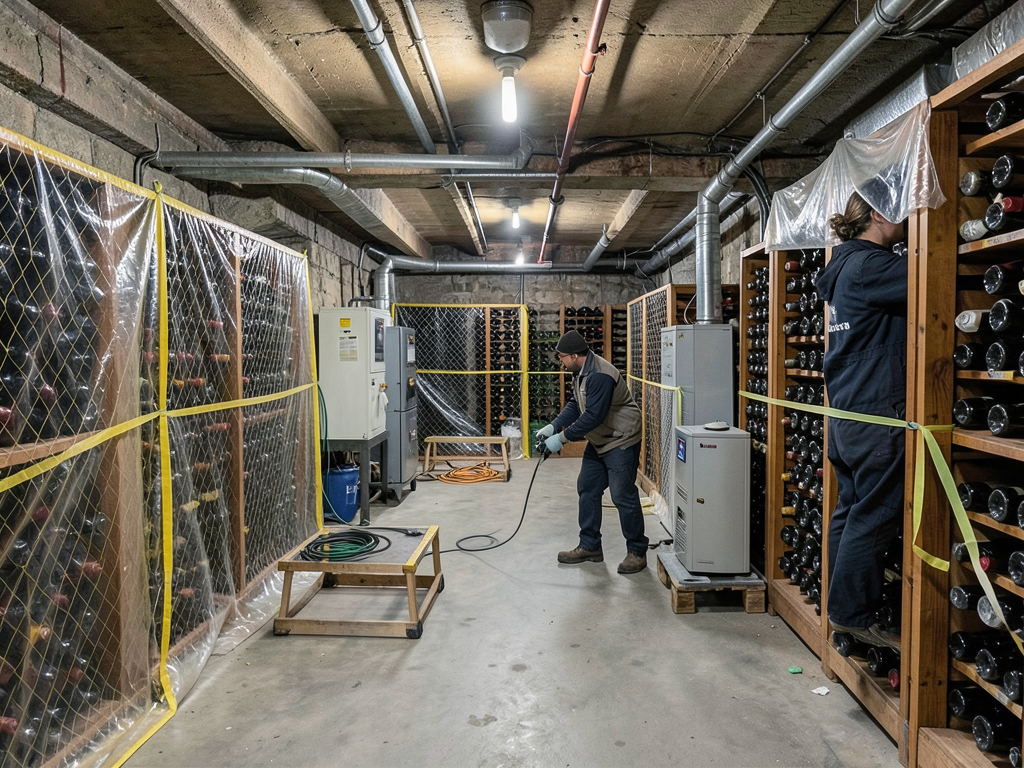
Protecting a basement wine cellar from moisture and mold in a Wayland Square home Basement…
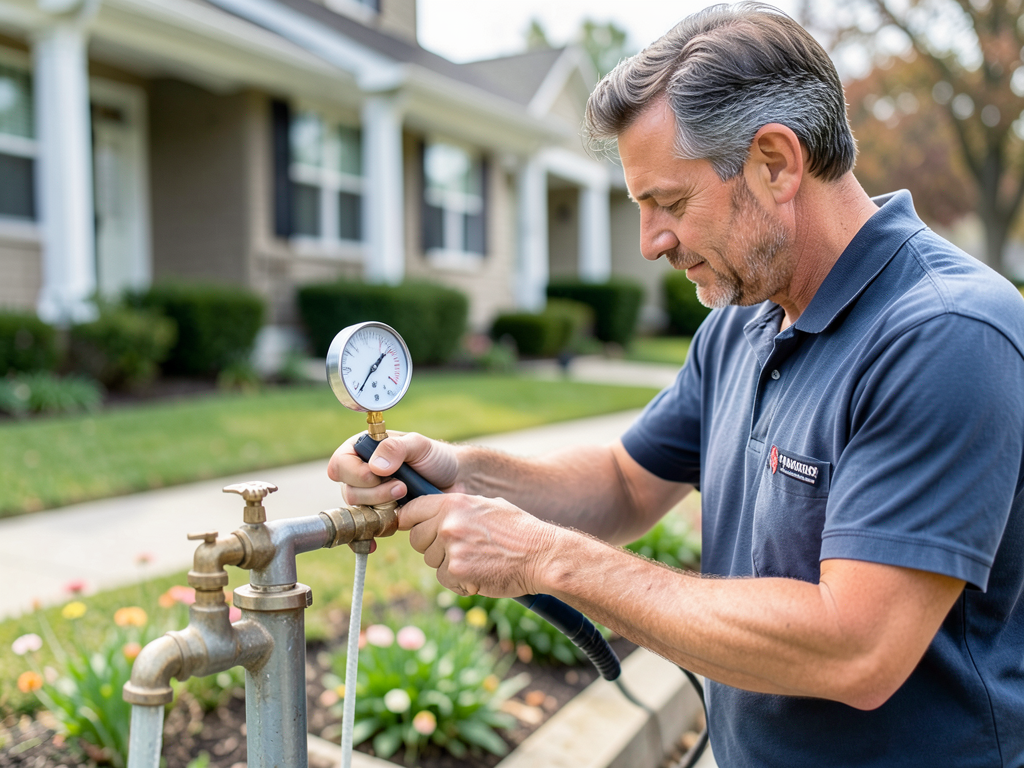
How high water pressure might be ruining the pipes in your Mount Pleasant home High…
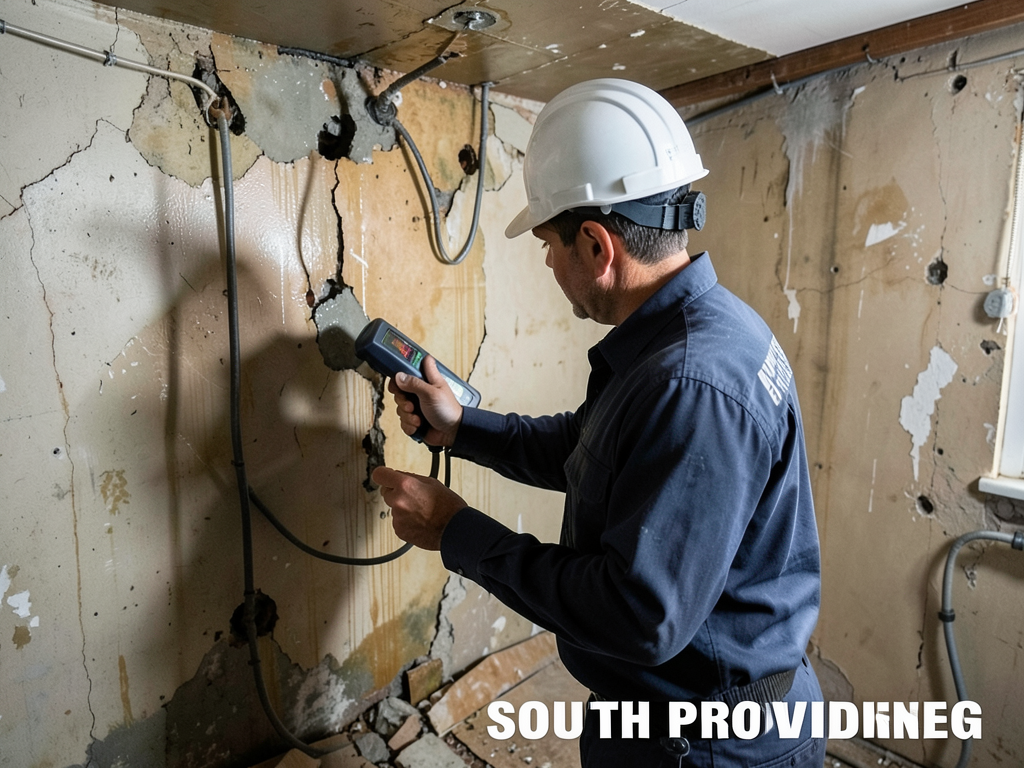
Why Your Drains Smell Like Sulfur After a Heavy Storm in South Providence Heavy storms…
Water damage gets worse every minute you wait. Atlas Water Damage Restoration Providence responds within 45 minutes to stop flooding, extract standing water, and prevent mold growth. Call (401) 262-8400 now for immediate dispatch. We're available 24/7 for emergencies and work directly with your insurance company.