
Why Your Drains Smell Like Sulfur After a Heavy Storm in South Providence
Heavy storms in South Providence often leave behind more than just puddles and fallen leaves. If you notice a strong rotten egg odor coming from your drains after rainfall, you are dealing with a common but serious plumbing issue that can signal sewer gas infiltration or even sewage backup. This smell is caused by hydrogen sulfide gas, a byproduct of decomposing organic matter in your plumbing system. In older South Providence homes, aging cast iron pipes, combined sewer systems, and poor drainage design make this problem especially common.
The good news is that you can take immediate steps to protect your health and property. The bad news is that ignoring these odors can lead to costly water damage, mold growth, and exposure to hazardous gases. If you live near the Narragansett Bay Commission sewer lines or in the historic neighborhoods of Upper or Lower South Providence, your home may be more vulnerable to these issues due to the area’s aging infrastructure and high water table. Narragansett Bay Commission.
Common Causes of Sulfur Smells in South Providence Drains
Several factors unique to South Providence can cause your drains to emit a sulfur smell after heavy rain. Understanding these causes can help you identify whether you need a quick fix or professional restoration services. Professional Mold Removal and Remediation Services for East Side Homeowners.
Dry P-Traps and Floor Drains
P-traps are U-shaped pipes under sinks and floor drains designed to hold water and block sewer gases. In older South Providence homes, floor drains in basements or utility rooms can dry out during dry spells. When heavy rain hits, sudden pressure changes in the sewer system can force gases past these dry traps, releasing the sulfur smell into your living space. Carpet Water Extraction.
Cracked or Blocked Vent Stacks
Vent stacks allow sewer gases to escape through your roof. In multi-family homes common in South Providence, shared vent stacks can become blocked by debris, bird nests, or ice during winter storms. A blocked vent stack creates pressure buildup that forces gases back through your drains, especially during heavy rainfall when the system is overwhelmed.
Sewer Line Backups and Combined Sewer Overflow
South Providence is served by the Narragansett Bay Commission’s combined sewer system, which carries both stormwater and sewage. During heavy storms, this system can become overwhelmed, causing backups into residential lines. Homes near the Seekonk River or in flood-prone areas like the Rhode Island Hospital District are particularly at risk. When sewage backs up into your home, the sulfur smell is often accompanied by visible water or waste in drains and toilets. Flood Cleanup & Extraction.
Aging Cast Iron Pipes
Many South Providence homes built before 1970 have cast iron sewer pipes that corrode over time. Heavy rain can accelerate corrosion, creating cracks that allow sewer gases to escape. The high humidity and frequent freeze-thaw cycles in Providence also contribute to pipe deterioration, making these homes more susceptible to gas leaks.
Health Risks of Hydrogen Sulfide Exposure
Hydrogen sulfide (H2S) is not just unpleasant; it is a toxic gas that can cause serious health problems. At low concentrations, it irritates the eyes, nose, and throat. At higher levels, it can cause dizziness, nausea, and even unconsciousness. Long-term exposure to sewer gases can also lead to respiratory issues and other chronic health problems.
If you smell sulfur in your home, especially after a storm, take it seriously. Ventilate the area immediately by opening windows and doors. Avoid using electrical switches or creating sparks, as methane gas may also be present. If the smell is strong or accompanied by visible water backup, evacuate the area and call for professional help. Get Immediate 24/7 Emergency Water Extraction in Downtown Providence.
DIY Diagnostic Steps for South Providence Residents
Before calling a professional, you can perform some basic checks to determine the source of the smell. These steps are especially useful for South Providence homeowners dealing with older plumbing systems.
- Check Floor Drains
Pour a gallon of water down each floor drain in your basement or utility room. If the smell disappears, your P-trap was dry. If it persists, the problem is likely deeper in your plumbing system.
- Inspect Vent Stacks
Look for visible blockages around your roof vent stacks. Use binoculars from the ground to check for debris, ice, or bird nests. Never climb onto your roof during or after a storm.
- Test for Backups
Flush all toilets and run water in all sinks simultaneously. If you hear gurgling or see water backing up in other drains, you likely have a blockage or sewer line issue.
- Check for Visible Water
Inspect basements and crawl spaces for standing water or damp spots near floor drains. This can indicate a sewer backup or foundation leak.
- Monitor After Rain
Notice if the smell appears only after heavy rain. This pattern suggests a connection to the municipal sewer system or poor drainage design.
When to Call a Professional Restoration Service
While some sulfur smells can be resolved with simple DIY fixes, others require immediate professional intervention. Here are signs that you need expert help:
- The smell persists after checking and refilling P-traps
- You notice water backing up in multiple drains
- There is visible sewage or black water in your home
- You experience health symptoms like headaches, nausea, or eye irritation
- Your home is in a known flood zone or near the Narragansett Bay Commission lines
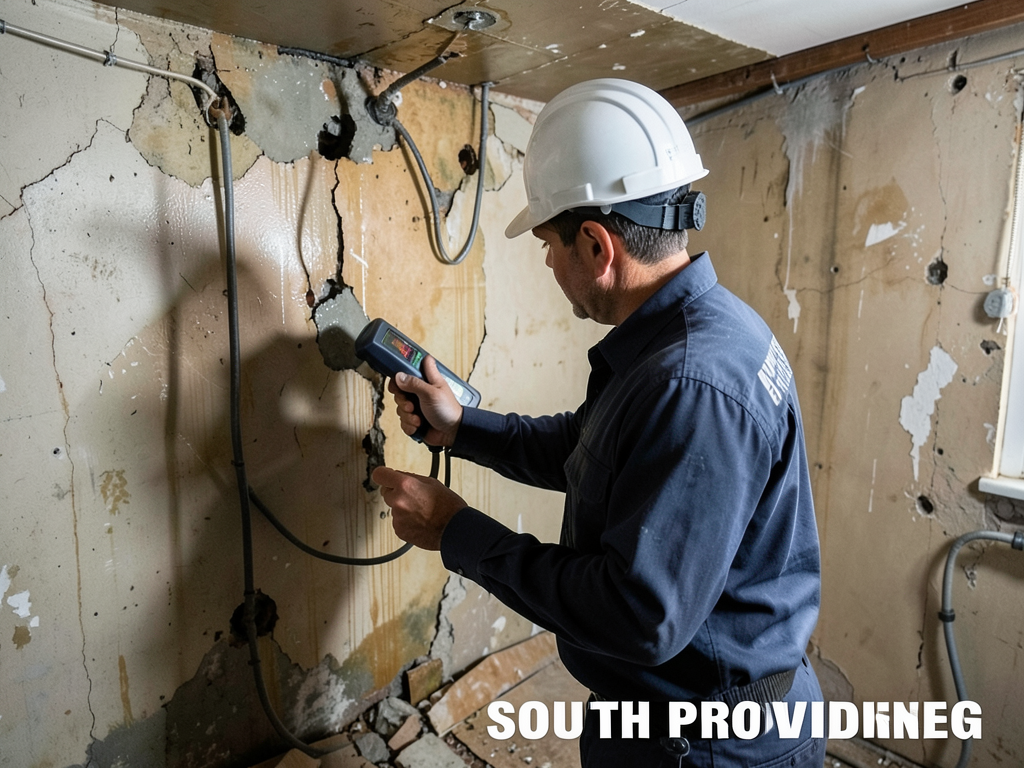
Professional water damage restoration companies like Atlas Water Damage Restoration use specialized equipment to diagnose and resolve these issues. They can perform smoke tests to identify leaks, use thermal imaging to detect moisture behind walls, and apply industrial-grade dehumidifiers to prevent mold growth.
Professional Solutions for Sewer Gas and Water Damage
When you call a professional restoration service, they will follow a systematic approach to eliminate the sulfur smell and repair any damage. Here is what you can expect: EPA information on sewer systems.
Emergency Water Extraction and Sewage Cleanup
If sewage has backed up into your home, the first step is removing all contaminated water and waste. This process, called emergency water extraction, uses powerful pumps and vacuums to remove water quickly and prevent further damage. Technicians wear personal protective equipment to handle hazardous materials safely.
Structural Drying and Dehumidification
After water removal, the affected areas must be thoroughly dried to prevent mold growth. Industrial-grade dehumidifiers and air movers are used to dry walls, floors, and structural components. In South Providence’s humid climate, this step is critical to prevent long-term moisture problems.
Odor Removal and Sanitization
Simply removing water is not enough. Professional restoration services use specialized equipment like ozone generators and hydroxyl machines to neutralize odors at the molecular level. They also apply antimicrobial treatments to sanitize all affected surfaces and prevent bacterial growth.
Plumbing Repairs and P-trap Maintenance
If the sulfur smell is caused by plumbing issues, technicians can repair or replace damaged pipes, clear blocked vent stacks, and ensure all P-traps are functioning properly. They may also recommend installing backwater valves to prevent future sewer backups.
Local Resources and Reporting in South Providence
South Providence residents have access to several local resources for reporting and addressing sewer-related issues. The Narragansett Bay Commission operates the area’s sewer system and can be contacted for municipal sewer problems. The City of Providence’s 311 service allows residents to report drainage issues, illegal dumping, and other concerns.
For immediate health concerns, contact the Rhode Island Department of Health. They can provide guidance on hydrogen sulfide exposure and recommend steps to protect your family. If you experience a widespread odor issue affecting multiple homes, reporting it to these agencies can help identify larger infrastructure problems.
Preventing Future Sulfur Smells in Your South Providence Home
Prevention is always better than cure. Here are steps you can take to reduce the risk of sulfur smells and sewer backups in your South Providence home:
Regular Plumbing Maintenance
Have your plumbing system inspected annually by a licensed plumber. They can check for pipe corrosion, clear vent stacks, and ensure all P-traps are functioning properly. In older homes, this maintenance is especially important.
Install Backwater Valves
Backwater valves prevent sewage from flowing back into your home during heavy rain or municipal sewer backups. While they require professional installation, they can save you thousands in potential water damage repairs.
Improve Drainage Around Your Home
Ensure your gutters and downspouts direct water away from your foundation. Consider installing a sump pump if your basement is prone to flooding. Proper grading around your home can also help prevent water from pooling near your foundation.
Monitor Weather Alerts
During heavy rain forecasts, take preventive measures like reducing water usage and checking floor drains. If you know a storm is coming, you can take steps to minimize the risk of sewer backups.
Why South Providence Homes Are Particularly Vulnerable
South Providence’s unique combination of aging infrastructure, high water table, and combined sewer system makes it especially prone to sulfur smells and sewer backups. Many homes in the area were built before modern plumbing codes, with shared vent stacks and deteriorating cast iron pipes. The proximity to Narragansett Bay and the Seekonk River means that during heavy storms, the entire drainage system can become overwhelmed.
Additionally, South Providence’s historic neighborhoods often have narrow lots with poor drainage design. When combined with the area’s clay-rich soil that retains water, this creates perfect conditions for basement flooding and sewer gas infiltration. Understanding these local factors can help you take appropriate preventive measures and know when to call for professional help. Protecting Your Historic Fox Point Home from Water Damage and Mold.
Frequently Asked Questions
Is a sulfur smell from my drain dangerous?
Yes. Hydrogen sulfide gas can cause health problems ranging from eye and throat irritation to more serious respiratory issues. If you smell sulfur, ventilate the area and consider calling a professional to inspect your plumbing system.
How can I tell if the smell is from my plumbing or the city sewer?
If the smell appears only during or after heavy rain and affects multiple drains, it is likely related to the municipal sewer system. If it is isolated to one drain or area, the problem is probably within your home’s plumbing.
What should I do if I see sewage backing up into my home?
Evacuate the affected area immediately, avoid contact with the water, and call a professional water damage restoration service. Sewage contains harmful bacteria and requires specialized cleanup to ensure your home is safe again.
Can I prevent sewer backups during heavy storms?
While you cannot control the municipal system, you can install backwater valves, maintain your plumbing, and improve drainage around your home. These steps can significantly reduce your risk of backups.
How quickly should I address a sulfur smell in my drains?
Address it as soon as possible. The longer you wait, the greater the risk of water damage, mold growth, and health problems. If the smell is strong or accompanied by other symptoms, call for professional help immediately.
Take Action Before the Next Storm Hits
If you are dealing with sulfur smells in your South Providence home, do not wait for the next heavy storm to make the problem worse. Atlas Water Damage Restoration offers 24/7 emergency service to diagnose and resolve plumbing odors, sewer backups, and water damage. Our certified technicians understand the unique challenges of South Providence’s aging infrastructure and can provide fast, effective solutions.
Call (401) 262-8400 today to schedule your inspection. Do not let a simple drain smell turn into a major water damage disaster. Protect your home, your health, and your peace of mind with professional restoration services you can trust.
Atlas Water Damage Restoration – Serving South Providence and all of Providence, RI with emergency water damage restoration, sewage cleanup, and odor removal services. Available 24/7 for all your restoration needs.
{
“@context”: “https://schema.org”,
“@type”: “BlogPosting”,
“headline”: “Why your drains smell like sulfur after a heavy storm in South Providence”,
“description”: “Discover why heavy storms trigger sulfur smells in South Providence drains and when to call for emergency water damage restoration from Atlas Water Damage Restoration.”,
“wordCount”: 1984,
“datePublished”: “2026-06-09T09:39:00.000Z”,
“dateModified”: “2026-06-09T09:39:00.000Z”,
“inLanguage”: “en-US”,
“mainEntityOfPage”: {
“@type”: “WebPage”,
“@id”: “https://atlaswaterdamagerestorationprovidence.com”
},
“publisher”: {
“@type”: “LocalBusiness”,
“name”: “Atlas Water Damage Restoration Providence”,
“url”: “https://atlaswaterdamagerestorationprovidence.com”
},
“author”: {
“@type”: “Organization”,
“name”: “Atlas Water Damage Restoration Providence”,
“url”: “https://atlaswaterdamagerestorationprovidence.com”
},
“image”: {
“@type”: “ImageObject”,
“url”: “https://atlaswaterdamagerestorationprovidence.com/wp-content/uploads/2026/03/why-your-drains-smell-like-sulfur-after-a-heavy-st-1.png”
}
}
{
“@context”: “https://schema.org”,
“@type”: “LocalBusiness”,
“name”: “Atlas Water Damage Restoration Providence”,
“url”: “https://atlaswaterdamagerestorationprovidence.com”,
“address”: {
“@type”: “PostalAddress”,
“addressLocality”: “Providence”
},
“areaServed”: {
“@type”: “City”,
“name”: “Providence”
}
}
{
“@context”: “https://schema.org”,
“@type”: “FAQPage”,
“mainEntity”: [
{
“@type”: “Question”,
“name”: “Is a sulfur smell from my drain dangerous?”,
“acceptedAnswer”: {
“@type”: “Answer”,
“text”: “Yes. Hydrogen sulfide gas can cause health problems ranging from eye and throat irritation to more serious respiratory issues. If you smell sulfur, ventilate the area and consider calling a professional to inspect your plumbing system.”
}
},
{
“@type”: “Question”,
“name”: “How can I tell if the smell is from my plumbing or the city sewer?”,
“acceptedAnswer”: {
“@type”: “Answer”,
“text”: “If the smell appears only during or after heavy rain and affects multiple drains, it is likely related to the municipal sewer system. If it is isolated to one drain or area, the problem is probably within your home’s plumbing.”
}
},
{
“@type”: “Question”,
“name”: “What should I do if I see sewage backing up into my home?”,
“acceptedAnswer”: {
“@type”: “Answer”,
“text”: “Evacuate the affected area immediately, avoid contact with the water, and call a professional water damage restoration service. Sewage contains harmful bacteria and requires specialized cleanup to ensure your home is safe again.”
}
},
{
“@type”: “Question”,
“name”: “Can I prevent sewer backups during heavy storms?”,
“acceptedAnswer”: {
“@type”: “Answer”,
“text”: “While you cannot control the municipal system, you can install backwater valves, maintain your plumbing, and improve drainage around your home. These steps can significantly reduce your risk of backups.”
}
},
{
“@type”: “Question”,
“name”: “How quickly should I address a sulfur smell in my drains?”,
“acceptedAnswer”: {
“@type”: “Answer”,
“text”: “Address it as soon as possible. The longer you wait, the greater the risk of water damage, mold growth, and health problems. If the smell is strong or accompanied by other symptoms, call for professional help immediately.”
}
}
]
}
{
“@context”: “https://schema.org”,
“@type”: “HowTo”,
“name”: “How to Diagnose Sulfur Drain Smells”,
“step”: [
{
“@type”: “HowToStep”,
“position”: 1,
“name”: “Check Floor Drains”,
“text”: “Pour a gallon of water down each floor drain in your basement or utility room. If the smell disappears, your P-trap was dry. If it persists, the problem is likely deeper in your plumbing system.”
},
{
“@type”: “HowToStep”,
“position”: 2,
“name”: “Inspect Vent Stacks”,
“text”: “Look for visible blockages around your roof vent stacks. Use binoculars from the ground to check for debris, ice, or bird nests. Never climb onto your roof during or after a storm.”
},
{
“@type”: “HowToStep”,
“position”: 3,
“name”: “Test for Backups”,
“text”: “Flush all toilets and run water in all sinks simultaneously. If you hear gurgling or see water backing up in other drains, you likely have a blockage or sewer line issue.”
},
{
“@type”: “HowToStep”,
“position”: 4,
“name”: “Check for Visible Water”,
“text”: “Inspect basements and crawl spaces for standing water or damp spots near floor drains. This can indicate a sewer backup or foundation leak.”
},
{
“@type”: “HowToStep”,
“position”: 5,
“name”: “Monitor After Rain”,
“text”: “Notice if the smell appears only after heavy rain. This pattern suggests a connection to the municipal sewer system or poor drainage design.”
}
],
“image”: “https://atlaswaterdamagerestorationprovidence.com/wp-content/uploads/2026/03/why-your-drains-smell-like-sulfur-after-a-heavy-st-1.png”
}
{
“@context”: “https://schema.org”,
“@type”: “BreadcrumbList”,
“itemListElement”: [
{
“@type”: “ListItem”,
“position”: 1,
“name”: “Home”,
“item”: “https://atlaswaterdamagerestorationprovidence.com”
},
{
“@type”: “ListItem”,
“position”: 2,
“name”: “Blog”,
“item”: “https://atlaswaterdamagerestorationprovidence.com/blog”
},
{
“@type”: “ListItem”,
“position”: 3,
“name”: “Why your drains smell like sulfur after a heavy storm in South Providence”
}
]
}
{
“@context”: “https://schema.org”,
“@type”: “Service”,
“serviceType”: “Water Damage Restoration”,
“provider”: {
“@type”: “LocalBusiness”,
“name”: “Atlas Water Damage Restoration Providence”,
“url”: “https://atlaswaterdamagerestorationprovidence.com”
},
“areaServed”: {
“@type”: “City”,
“name”: “Providence”
},
“description”: “Discover why heavy storms trigger sulfur smells in South Providence drains and when to call for emergency water damage restoration from Atlas Water Damage Restoration.”
}