Menu

Attic Water Damage Cleanup in Providence | Expert Detection and Full Structural Drying

Atlas Water Damage Restoration Providence combines thermal imaging diagnostics with commercial-grade air movers to eliminate hidden moisture in attic spaces before mold takes hold or insulation fails.

Slider Image 1
Slider Image 2
Slider Image 3
Slider Image 4
Slider Image 5
Slider Image 7
Slider Image 8
Slider Image 9
Slider Image 10
Slider Image 11

Why Providence Attics Fail After Water Events

Providence sits in a coastal climate zone where nor'easters dump torrential rain and winter freeze-thaw cycles create ice dams. Your attic absorbs the punishment first. When shingles lift or flashing separates around chimneys, water migrates into insulation and settles on ceiling joists. You might notice a brown stain on your second-floor ceiling or smell something damp near the hallway. That stain represents gallons of trapped moisture rotting your roof deck from the inside.

Historic homes in Federal Hill and College Hill were built with dimensional lumber and minimal vapor barriers. Modern spray foam insulation traps moisture if installers skip ventilation requirements. Either way, attic water damage spreads fast in Providence because our humidity stays high year-round. Wet insulation loses R-value, which spikes your heating bills. Wet wood invites carpenter ants and powder post beetles. The longer water sits, the more expensive attic water damage restoration becomes.

You need attic leak cleanup before structural damage compounds. A slow drip from a roof penetration can saturate plywood sheathing in days. Once the sheathing delaminates, you are replacing panels instead of drying them. Attic flood restoration after a major storm requires extraction equipment and containment to keep water from cascading through light fixtures into living spaces. Attic water removal services must address the source and the damage simultaneously or you will repeat the cycle next season.

Why Providence Attics Fail After Water Events
How We Execute Attic Water Damage Cleanup

How We Execute Attic Water Damage Cleanup

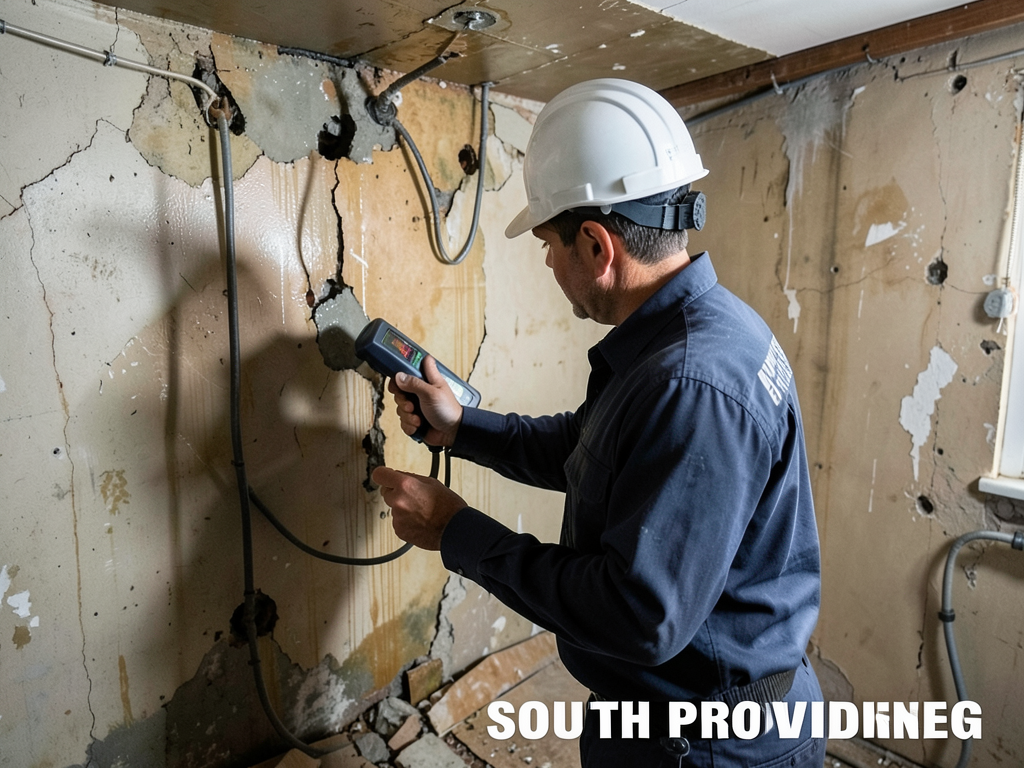
We start with source isolation. If your roof is actively leaking, we deploy emergency tarping or temporary flashing to stop inflow. You cannot dry an attic while rain continues to enter. Once the envelope is secure, we measure moisture content in framing members using pin-type and non-invasive meters. Wood should read below 15 percent moisture content. Readings above 20 percent indicate active decay risk.

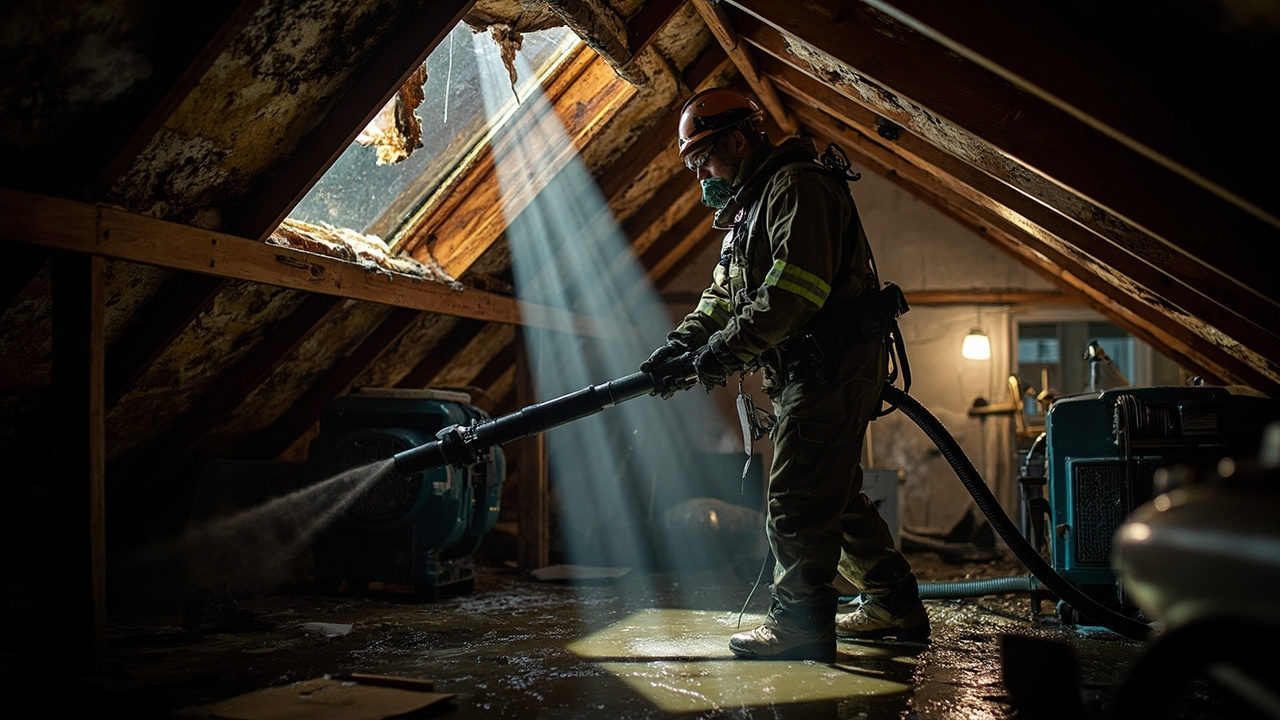
Next comes extraction. If standing water pooled on attic floor joists or soaked blown-in cellulose, we use wet vacuums to pull out bulk water. Soaked insulation gets bagged and removed because it cannot be dried in place without creating mold reservoirs. We then set up negative air machines with HEPA filtration to create airflow and prevent cross-contamination into occupied spaces below.

Drying requires precision. We position axial air movers to create circulation across wet surfaces and install commercial dehumidifiers to pull moisture from the air. Thermal imaging cameras identify hidden wet spots behind knee walls or in rafter bays. We monitor moisture levels daily until all readings stabilize below 12 percent. This process takes three to seven days depending on saturation depth and ventilation.

Attic water damage repair includes replacing damaged sheathing, re-insulating to code, and treating framing with antimicrobial solutions if mold spores are present. We document everything for your insurance adjuster because attic claims require proof of both the water intrusion event and the resulting structural damage. Without photos and moisture logs, carriers often deny coverage or underpay.

What Happens During Your Attic Water Damage Cleanup

Attic Water Damage Cleanup in Providence | Expert Detection and Full Structural Drying
01

Emergency Water Containment

We locate the active leak source and deploy tarps or roof sealant to stop additional water from entering your attic. If the event involves a burst pipe or HVAC condensate line, we shut off the water supply and contain the spill. You cannot dry structural components while they continue absorbing moisture. This step prevents secondary damage and gives us a stable environment to assess total loss.
02

Moisture Mapping and Extraction

Our technicians use moisture meters and thermal cameras to map wet zones across your attic floor, rafters, and insulation. We document moisture content percentages and photograph damage patterns for insurance documentation. Saturated insulation gets removed and disposed of properly. Standing water on attic floors gets extracted with truck-mounted vacuums. We then deploy air movers and dehumidifiers to begin the drying process while monitoring airflow and humidity levels.
03

Structural Drying and Verification

We run drying equipment continuously until wood framing reaches equilibrium moisture content below 12 percent. Daily moisture readings track progress and ensure no hidden pockets remain wet. Once verified dry, we treat exposed wood with antimicrobial agents if mold growth occurred. We provide a final moisture report and photos showing your attic returned to pre-loss condition. This documentation supports your insurance claim and confirms structural integrity.

Why Providence Homeowners Choose Atlas for Attic Water Damage Restoration

Providence building codes require attic ventilation ratios of 1:150 or 1:300 depending on vapor barrier installation. Many older homes fall short of these standards, which accelerates moisture problems. Atlas Water Damage Restoration Providence knows how to assess ventilation deficiencies and recommend upgrades that prevent repeat failures. We have restored attics in Victorians on Benefit Street and triple-deckers in Mount Pleasant. Each structure type has unique framing and insulation challenges.

We work directly with your insurance carrier to document covered damages. Attic water claims often involve disputes over whether damage came from a sudden storm event or long-term maintenance neglect. We provide timestamped moisture readings, thermal images, and written narratives that establish causation. Adjusters trust our documentation because we follow IICRC S500 standards for water damage restoration. That means you get fair claim settlements instead of lowball offers.

Our drying equipment stays on site until the job is complete. Some companies pull gear after three days to move on to the next job. We keep monitoring until moisture levels stabilize because rushing the process leads to hidden mold growth six months later. You will not get callbacks from us because we do not leave until your attic passes final inspection.

We also coordinate with roofers and insulation contractors if repairs exceed our scope. Attic water damage repair often requires shingle replacement or new roof decking. We manage the entire timeline so you deal with one point of contact instead of juggling three different trades.

What to Expect When You Call Atlas

Response Time and Availability

We dispatch crews within 90 minutes of your call for emergency attic leaks. Water spreads fast in attic spaces because gravity pulls it across ceiling joists and into insulation. The faster we contain the event, the less material you lose. We operate 24/7 because storms and pipe failures do not wait for business hours. Weekend calls get the same rapid response as weekday emergencies. You reach a live technician, not an answering service. We triage the situation over the phone and arrive with the correct equipment already loaded.

Initial Assessment and Scope

Our lead technician inspects your attic to identify the water source, measure affected square footage, and assess insulation type. We check for secondary damage like compromised electrical wiring or HVAC ducts. You receive a written scope of work that breaks down extraction, drying, demolition, and antimicrobial treatment. We explain what insurance typically covers and what falls under maintenance exclusions. The assessment takes 45 to 90 minutes depending on attic size. You get photos and moisture readings before we begin any work.

Final Drying and Clearance

We do not call a job complete until wood moisture content reads below 12 percent and relative humidity stabilizes under 50 percent. Final documentation includes before and after moisture maps, equipment logs, and completion photos. You receive a signed certificate of drying that satisfies insurance requirements and protects you from future mold liability. If we find hidden damage during drying, we notify you and your adjuster immediately with photo evidence. No surprises. No change orders without your approval.

Post-Cleanup Support and Prevention

After drying, we provide a written report outlining ventilation improvements, insulation upgrades, and roof maintenance recommendations to prevent recurrence. We do not upsell unnecessary services, but we do flag code deficiencies that contribute to moisture problems. If you need referrals to licensed roofers or insulation contractors, we connect you with vetted professionals who understand Providence building requirements. We also offer annual attic inspections to catch small leaks before they become major water events. Prevention costs less than restoration.

Frequently Asked Questions

You Have Questions,
We Have Answers

How likely is mold after water damage? +

Mold growth after water damage is highly likely in Providence attics. Spores begin colonizing wet materials within 24 to 48 hours, especially in our humid summers. The combination of heat, poor ventilation, and organic materials like wood sheathing and paper-backed insulation creates ideal conditions. Once moisture penetrates, attic temperatures above 70 degrees accelerate growth. If water sits longer than two days without professional extraction and drying, expect visible colonies. Older Providence homes with limited attic airflow face even higher risk. Quick response matters. Professional moisture meters detect hidden wetness that promotes ongoing contamination.

Does insulation need to be replaced after water damage? +

Yes, most wet insulation requires replacement after attic water damage in Providence. Fiberglass batts lose R-value permanently when saturated and become mold reservoirs. Cellulose insulation compacts and crumbles, losing effectiveness. Even if dried, contamination from bacteria and mold spores remains embedded in the fibers. Wet insulation also adds weight that can stress ceiling joists in older Providence homes. Professional contractors remove compromised material, treat underlying surfaces with antimicrobial agents, and reinstall fresh insulation after structural drying confirms moisture levels below 16 percent. Attempting to dry in place rarely works and extends damage timelines.

How long can drywall be wet before mold? +

Drywall can stay wet for 24 to 48 hours before mold colonization begins in Providence attics. Gypsum board is porous and paper-faced, making it a perfect food source. In humid summer conditions common here, that window shrinks. If drywall remains wet beyond 72 hours, mold growth becomes nearly certain. Ceiling drywall in attics absorbs water from roof leaks and holds moisture longer than walls due to heat accumulation. Professional restoration teams use thermal imaging and moisture meters to assess saturation depth. If wetness penetrates the core or stays damp past two days, replacement is necessary to prevent hidden colonies.

How to fix water damage in an attic? +

Fixing attic water damage starts with stopping the source. Locate and repair roof leaks, flashing failures, or plumbing penetrations. Next, remove standing water and saturated insulation immediately. Use industrial dehumidifiers and air movers to dry structural lumber, sheathing, and framing within 48 hours. Treat all affected wood with antimicrobial solutions to prevent mold. Inspect for hidden damage using moisture meters, especially around chimney chases and valleys common in Providence rooflines. Replace compromised drywall and insulation only after moisture readings drop below 16 percent. Document everything for insurance. Professional crews have equipment that cuts drying time significantly and prevents secondary damage.

What are the first signs of mold sickness? +

Early mold sickness signs include persistent coughing, sneezing, and nasal congestion that worsens indoors. You might experience itchy eyes, throat irritation, or skin rashes. Headaches and fatigue that improve when you leave the house signal exposure. Some people develop wheezing or shortness of breath, especially those with asthma. In Providence homes with attic mold, symptoms often intensify during summer when HVAC systems pull contaminated air downward through ceiling gaps. Children and elderly residents show symptoms faster. If multiple family members experience unexplained respiratory issues simultaneously, suspect hidden mold growth. Professional air quality testing identifies spore concentrations and species type.

Will wet insulation grow mold? +

Yes, wet insulation will grow mold rapidly in Providence attics. Fiberglass, cellulose, and foam materials provide organic food sources once saturated. Mold spores, already present everywhere, activate within 24 to 48 hours when moisture and warmth combine. Paper backing on batts and cellulose fibers feed colonies aggressively. Wet insulation also compresses, trapping moisture against wood framing and sheathing. This creates secondary contamination that spreads beyond the initial water intrusion point. Even spray foam can harbor surface mold if water pools against it. Professional extraction removes wet material before colonization starts. Drying in place rarely succeeds and extends damage timelines.

Will mold go away if it dries out? +

No, mold does not disappear when it dries out. Dormant spores remain viable on surfaces and can reactivate with future moisture exposure. Dead mold fragments still trigger allergic reactions and respiratory issues. The mycotoxins produced during active growth persist in materials even after drying. In Providence attics, dried colonies on wood sheathing or framing still require professional removal and antimicrobial treatment. Simply running dehumidifiers does not eliminate contamination. Scrubbing visible growth with detergent only addresses surface layers. Professionals use HEPA vacuums, antimicrobial agents, and controlled removal techniques to prevent spore dispersal during cleanup. Prevention requires fixing moisture sources permanently.

Is replacing attic insulation worth it? +

Replacing attic insulation after water damage is worth the investment in Providence homes. Compromised insulation loses thermal efficiency permanently, increasing heating and cooling costs year-round. Our cold winters and humid summers demand proper R-values to prevent ice dams and condensation issues. Wet insulation harbors mold, bacteria, and odors that affect indoor air quality throughout your home. Replacement also allows inspection of hidden structural damage to rafters and sheathing. Modern insulation products offer better performance than materials installed decades ago in older Providence properties. Insurance typically covers water damage restoration, including insulation replacement, making it financially practical.

How to tell if there is mold in your attic? +

Check for visible black, green, or white patches on wood sheathing, rafters, and insulation in your Providence attic. Musty, earthy odors signal hidden growth even without visible signs. Look for water stains, discoloration, or dampness around roof penetrations, valleys, and eaves where ice dams form. Condensation on nails protruding through sheathing indicates moisture problems that promote mold. Inspect insulation for clumping, discoloration, or compressed areas. Use a flashlight in corners and behind stored items where airflow is limited. Professional mold inspectors use thermal imaging and moisture meters to detect hidden colonies behind surfaces and inside wall cavities.

How to tell if mold is behind drywall? +

Signs of mold behind drywall include musty odors concentrated near specific walls or ceilings, especially in rooms below your attic. Look for discoloration, warping, or bubbling paint on ceiling surfaces. Water stains that expand over time indicate ongoing moisture problems feeding hidden growth. Peeling wallpaper or baseboards suggest moisture penetration. In Providence homes, check rooms directly under roof valleys and bathroom exhaust vents where condensation accumulates. Professional inspectors use thermal cameras to detect temperature variations and moisture meters that penetrate drywall without cutting. Borescope cameras inserted through small holes reveal hidden colonies before demolition. Air quality testing measures spore concentrations.

How Providence's Coastal Weather Accelerates Attic Water Damage

Providence averages 47 inches of precipitation annually, with nor'easters delivering sustained wind-driven rain that penetrates roof penetrations and worn flashing. Winter freeze-thaw cycles create ice dams along eaves where heat escapes through under-insulated attics. When snow melts and refreezes, water backs up under shingles and drips onto ceiling joists. Our proximity to Narragansett Bay keeps relative humidity elevated year-round, which means wet attic materials dry slowly without mechanical dehumidification. Homes in Fox Point and Wayland face additional risk from storm surge during coastal flooding events.

Atlas Water Damage Restoration Providence has worked with local adjusters and building inspectors for years. We understand how Providence's historic preservation district regulations affect attic repairs in older neighborhoods. We know which insurance carriers operate in Rhode Island and how they interpret water damage exclusions. When you hire a local company, you get technicians who have dried attics in homes built in 1890 and triple-deckers from 1920. We know the difference between balloon framing and platform framing. That expertise matters when you are deciding what to save and what to replace.
Water Damage Restoration Services in The Providence Area

We are proud to serve the entire Providence area and its surrounding communities. Our strategically located team allows us to provide a fast and reliable response to any water damage emergency, no matter where you are. We invite you to view our service area on the map below to confirm that we are able to reach you quickly. If you are in need of immediate assistance or have questions about our service coverage, please don't hesitate to give us a call at any time.

Address:
Atlas Water Damage Restoration Providence, 12 Eagle St, Providence, RI, 02908

Additional Services We Offer

Our news updates

Latest Articles & News from The Blogs

Why your Pawtucket basement smells like sewage every time it rains If your basement smells like sewage every time it…

Why your Pawtucket basement smells like sewage every time it rains

Why your Pawtucket basement smells like sewage every time it rains If your basement smells like sewage every time it…

Choosing between a sump pump and an ejector pump for your basement in Johnston

Choosing between a sump pump and an ejector pump for your basement in Johnston A flooded basement in Johnston can…

How to get rid of the chemical smell after water damage cleanup in your Smith Hill apartment

How to get rid of the chemical smell after water damage cleanup in your Smith Hill apartment If you are…

Contact Us

Call Atlas Water Damage Restoration Providence at (401) 262-8400 right now if you see ceiling stains, smell dampness, or heard dripping after the last storm. We will assess your attic, document the damage, and start drying before mold colonizes. Do not wait for your insurance company to approve the claim. Mitigation starts immediately.