Menu

Emergency Toilet Overflow Cleanup in Providence – 24/7 Response Stops Water Damage in Minutes

When your toilet overflows, every minute counts. Atlas Water Damage Restoration Providence arrives fast with professional extraction equipment, stopping sewage contamination and structural damage before it spreads through your home.

Slider Image 1
Slider Image 2
Slider Image 3
Slider Image 4
Slider Image 5
Slider Image 7
Slider Image 8
Slider Image 9
Slider Image 10
Slider Image 11

Why Toilet Overflows Demand Immediate Action in Providence Homes

A toilet overflow is not just messy. It is a health hazard and a structural threat. Category 3 water, which includes raw sewage, contains bacteria, viruses, and pathogens that contaminate floors, baseboards, and subflooring within minutes. In Providence's older housing stock, where many homes feature original hardwood floors and plaster walls dating back to the early 1900s, sewage absorption happens fast.

The humid climate in Providence accelerates microbial growth. When toilet water soaks into wooden joists or crawl spaces, you face rot, mold colonies, and compromised structural integrity. The longer contaminated water sits, the deeper it penetrates. Porous materials like drywall and insulation act like sponges, pulling sewage upward through capillary action.

Emergency toilet water extraction must begin immediately. You cannot mop this up with towels. Professional-grade extractors remove standing water, while antimicrobial treatments kill pathogens on contact. Toilet flood restoration requires containment barriers to prevent cross-contamination into clean areas of your home.

Providence's aging sewer infrastructure, combined with heavy spring rains and aging cast iron drain lines, increases the frequency of backups and overflows. If you see water rising in the bowl or pooling around the base, do not wait. Overflowing toilet cleanup is time-sensitive work. The first hour determines whether you face a quick cleanup or a full subfloor replacement. Toilet sewage removal is not a DIY project. It is a biohazard remediation job that requires PPE, EPA-registered disinfectants, and proper disposal protocols.

Why Toilet Overflows Demand Immediate Action in Providence Homes
How Professional Toilet Overflow Remediation Protects Your Home

How Professional Toilet Overflow Remediation Protects Your Home

Atlas Water Damage Restoration Providence follows IICRC S500 standards for water damage restoration and S520 protocols for sewage contamination. When you call, we dispatch a crew within 60 minutes. Our technicians arrive with truck-mounted extraction units, submersible pumps, and containment equipment.

First, we stop the source. If the overflow is due to a clog, we coordinate with your plumber. If it is a sewer backup, we identify the entry point and isolate affected zones. We then extract all standing water using weighted wands that pull moisture from carpet padding, grout lines, and subflooring. Standard shop vacuums cannot generate the suction required to remove water trapped under vinyl or between floorboards.

Next, we remove all non-salvageable materials. Drywall that has wicked sewage more than two feet up the wall must be cut out. Baseboards, carpet padding, and saturated insulation get bagged and disposed of per Rhode Island Department of Health guidelines. We do not leave contaminated materials in your home.

We then apply hospital-grade antimicrobial agents to all affected surfaces. These are not household cleaners. We use quaternary ammonium compounds and hydrogen peroxide solutions that kill 99.9% of bacteria, including E. coli and Salmonella. Every surface that contacted sewage gets treated twice.

Finally, we deploy industrial air movers and commercial dehumidifiers. Drying must happen fast, but in a controlled manner. Too much airflow without proper dehumidification just spreads moisture. We monitor humidity levels hourly and adjust equipment placement to ensure thorough drying within 72 hours. Toilet overflow remediation is not complete until moisture readings return to normal and air quality testing confirms the space is safe.

What Happens During Your Emergency Toilet Overflow Call

Emergency Toilet Overflow Cleanup in Providence – 24/7 Response Stops Water Damage in Minutes
01

Immediate Dispatch and Containment

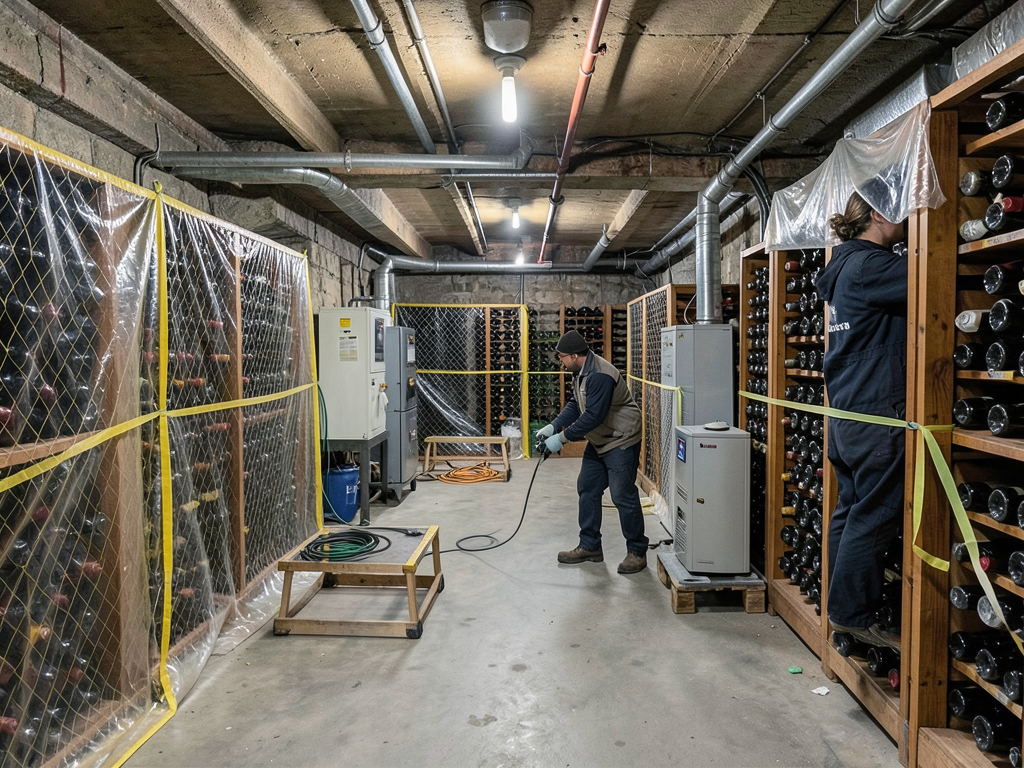
Our dispatcher logs your call and sends the nearest crew immediately. Within the hour, technicians arrive in fully equipped vehicles. The first task is containment. We seal off the affected bathroom using polyethylene barriers and negative air pressure to prevent airborne contaminants from spreading. We then kill the water supply at the shutoff valve, stop the overflow, and begin extraction. Speed matters. Every minute of delay increases contamination spread and restoration costs.
02

Complete Water Extraction

Truck-mounted extractors generate 400+ CFM suction, pulling water from carpet fibers, hardwood seams, tile grout, and subfloor cavities. We use infrared cameras to identify hidden moisture pockets behind walls and under cabinets. Weighted extraction tools press into flooring to draw out water trapped in padding and underlayment. This is not surface cleaning. We remove water at the source, eliminating the reservoir that feeds mold growth and structural decay.
03

Sanitization and Structural Drying

After extraction, we apply EPA-registered antimicrobial treatments to all contaminated surfaces, killing pathogens on contact. Then we position air movers and dehumidifiers strategically to create controlled airflow and remove moisture from structural cavities. Monitoring equipment tracks temperature, humidity, and moisture content in real time. Drying continues until all readings meet IICRC standards. Once complete, we conduct air quality testing to confirm your home is safe and document the restoration for your insurance claim.

Why Providence Residents Trust Atlas Water Damage Restoration

Providence's housing landscape is unique. From the Victorian and Colonial homes in the East Side to the triple-deckers in Federal Hill and the mill conversions in Olneyville, each structure presents distinct restoration challenges. We have worked in hundreds of Providence homes. We know which floor systems are prone to rot, which wall assemblies hide plumbing, and how to navigate tight crawl spaces in pre-1920 foundations.

Local knowledge saves time and money. We understand Rhode Island's insurance protocols and work directly with adjusters to document damage, justify scope, and expedite claims. We know which materials match the original construction in historic districts and which modern alternatives meet Providence's building codes without triggering preservation board reviews.

Our technicians hold IICRC certifications in Water Damage Restoration and Applied Microbial Remediation. We do not subcontract. The crew that answers your call is the crew that completes your job. We carry full liability and workers' compensation coverage, and we follow OSHA bloodborne pathogen standards when handling sewage.

We also understand the urgency. A toilet overflow at 2 a.m. on a Sunday is not a situation you can defer. We answer our phones 24 hours a day, every day, including holidays. When you call (401) 262-8400, you speak to a dispatcher who can mobilize a crew immediately, not an answering service that takes messages.

Trust is earned through results. We have restored water-damaged homes across College Hill, Smith Hill, Mount Pleasant, and Washington Park. Homeowners choose us because we show up fast, work clean, communicate clearly, and restore properties correctly the first time. We do not upsell unnecessary services or delay timelines. We solve the problem and move on.

What to Expect When You Call Atlas Water Damage Restoration Providence

Response Time and Availability

We operate 24/7/365. When you call (401) 262-8400, a dispatcher answers immediately, logs your address, and dispatches the closest crew. Most Providence locations receive a response within 60 minutes. Our trucks carry all necessary equipment, so we begin extraction on arrival. No waiting for equipment rental or second trips. We work continuously until the emergency phase is complete. If the overflow happens overnight, we contain and extract immediately, then return in daylight for demolition and drying setup.

Initial Assessment and Scope Development

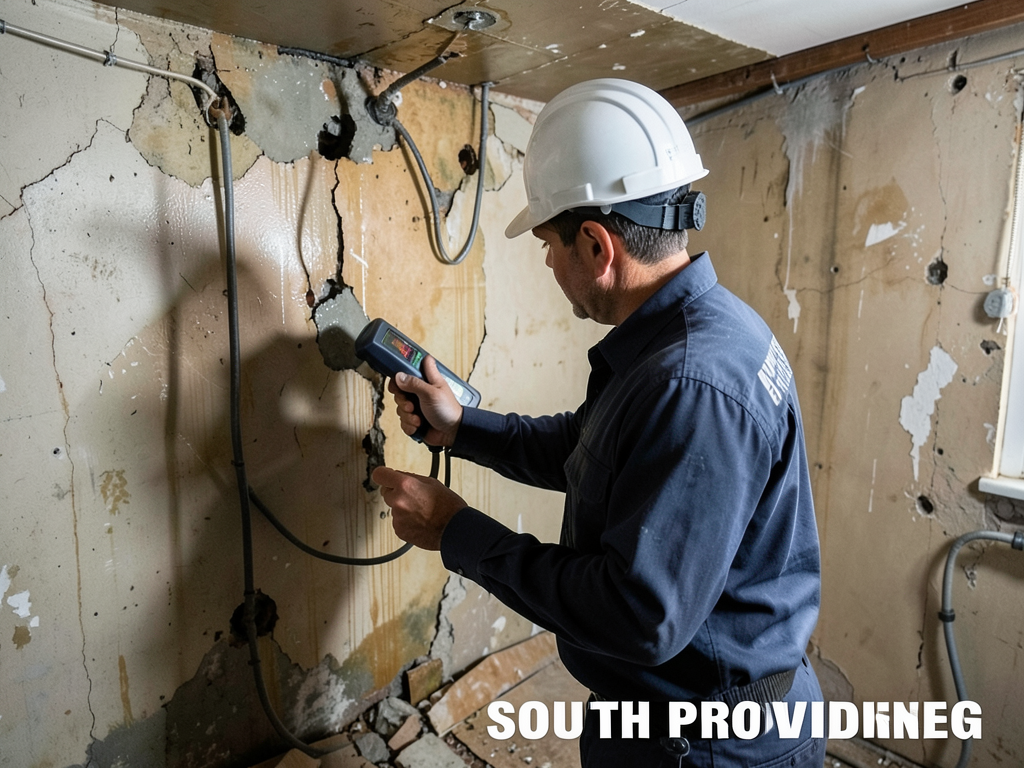
After containment and extraction, we conduct a detailed moisture assessment. Technicians use moisture meters, thermal imaging cameras, and hygrometers to map affected areas. We probe walls, check subfloors, and inspect adjacent rooms. You receive a written scope outlining all necessary work, including demolition, antimicrobial treatment, drying, and reconstruction. We photograph all damage for insurance documentation. If you need help filing a claim, we provide detailed estimates and communicate directly with your adjuster to streamline approval and reimbursement.

The Restoration Outcome

Our goal is full restoration to pre-loss condition. After drying, we rebuild removed drywall, replace baseboards, and refinish floors to match existing finishes. In historic homes, we source period-appropriate materials and match original detailing. All work meets Rhode Island building codes and Providence zoning requirements. Before we call the job complete, we conduct final moisture readings and air quality testing. You receive documentation confirming your home is dry, sanitized, and safe. The space will not smell, the floors will not buckle, and mold will not grow.

Post-Restoration Monitoring and Prevention

We provide a post-restoration report with moisture readings and recommended monitoring intervals. If you experienced a sewer backup, we discuss preventive measures like backwater valves and sump pump installations. For recurring overflow issues, we coordinate with licensed plumbers to address underlying plumbing failures. We do not offer formal warranties on drying services, but we stand behind our work. If you notice odors or moisture concerns within 30 days, we return for a follow-up inspection at no charge. Prevention starts with proper maintenance, and we help you understand the steps to protect your home.

Frequently Asked Questions

You Have Questions,
We Have Answers

Will toilet overflow cause mold? +

Yes. Toilet overflow water creates ideal mold growth conditions within 24 to 48 hours. Providence's humid climate accelerates this timeline. Category 3 water (sewage) contains organic matter that feeds mold spores already present in your home. Mold thrives in porous materials like drywall, subflooring, and baseboards. If you experienced a toilet overflow, act immediately. Remove standing water, extract moisture from affected materials, and run dehumidifiers. Professional water extraction and antimicrobial treatment within the first 24 hours significantly reduces mold risk. Do not wait. Mold remediation costs far exceed emergency cleanup costs.

How to clean a toilet overflow tube? +

Turn off your water supply first. The overflow tube is the vertical pipe inside your toilet tank. You do not typically need to clean inside it unless debris blocks water flow. If water drains slowly during a flush, mineral deposits may have built up. Pour white vinegar into the tank and let it sit for 30 minutes. Flush twice. For stubborn buildup, use a small bottle brush to scrub inside the tube opening. If the overflow tube cracks or leaks, replace it immediately to prevent water damage beneath your toilet. This is a simple hardware store fix.

Will hydrogen peroxide dissolve toilet paper? +

Hydrogen peroxide does not dissolve toilet paper. It acts as a mild disinfectant and bleaching agent but lacks the chemical structure to break down cellulose fibers in paper. If you have a clog caused by excess toilet paper, use a plunger or toilet auger. For severe blockages in older Providence homes with cast iron drain lines, call a plumber. Pouring chemicals rarely fixes mechanical clogs and can damage pipes or create dangerous reactions if mixed with other products. Hydrogen peroxide works for surface sanitation after cleanup, not clog removal.

Can you pour vinegar in a toilet overflow tube? +

Yes, but it serves limited purpose. Pouring white vinegar into the overflow tube can help dissolve minor mineral deposits from Providence's hard water. Let it sit for 30 minutes, then flush. Vinegar is acidic enough to break down calcium and lime scale but will not fix mechanical issues or clogs. Do not use vinegar if you recently used bleach or other chemical cleaners. Mixing creates toxic fumes. For recurring buildup, address your water hardness with a softener. For overflow events, vinegar does not replace professional sewage cleanup and disinfection.

How do Japanese bathrooms not get mold? +

Japanese bathrooms use fully waterproof construction. Walls, floors, and ceilings are sealed with waterproof membranes and tile. Drain systems sit in the floor center, allowing complete water runoff. Ventilation systems run continuously, removing humidity immediately. Most Japanese homes also separate the toilet from the bathing area entirely, isolating moisture sources. In contrast, American bathrooms in Providence often use drywall and carpet in adjacent rooms, which absorb water quickly. You can reduce mold by running exhaust fans during and after showers, sealing grout lines, and fixing leaks immediately. Proper ventilation is critical in humid climates.

What are the first signs of mold sickness? +

Early mold exposure symptoms mimic allergies or a cold. Watch for persistent nasal congestion, sneezing, itchy or watery eyes, throat irritation, and coughing. You may notice these symptoms worsen inside your home and improve when you leave. Skin rashes and headaches also signal exposure. People with asthma or compromised immune systems experience more severe reactions. If you had a toilet overflow in your Providence home and notice these symptoms within days or weeks, suspect mold growth. Do not ignore it. Get a professional mold inspection and remediation. Prolonged exposure leads to chronic respiratory issues.

What are two things you should never flush down a toilet? +

Never flush wipes or feminine hygiene products. Even products labeled flushable do not break down in sewer lines. They create blockages in your home's drain pipes and damage municipal systems. Providence's older sewer infrastructure is especially vulnerable to clogs from these items. Wipes bind with grease and other debris, forming massive blockages that require expensive hydro jetting or line replacement. Feminine products absorb water and expand, jamming pipes completely. Only human waste and toilet paper should go down your toilet. Everything else belongs in the trash. Prevent overflows by flushing correctly.

How to sanitize floor after toilet overflow? +

Act fast. Toilet overflow water contains harmful bacteria and pathogens. First, remove all standing water using a wet vacuum or towels. Dispose of contaminated materials in sealed bags. Spray affected floors with EPA-registered disinfectant or a bleach solution (one cup bleach per gallon of water). Let it sit for 10 minutes, then wipe clean. For porous surfaces like grout or wood subflooring, surface cleaning is not enough. Bacteria penetrate deep into materials. Professional extraction, antimicrobial fogging, and structural drying are necessary to prevent contamination and mold. Do not skip this step after sewage exposure.

How to get rid of black gunk in a plug hole? +

Black gunk in drains is biofilm, a mix of bacteria, mold, soap scum, hair, and organic debris. It smells foul and grows back quickly if you only rinse it. Remove the drain cover and physically scrub the visible buildup with a brush and hot soapy water. Pour a mixture of baking soda and white vinegar down the drain, let it fizz for 15 minutes, then flush with boiling water. For severe buildup in older Providence homes, use an enzyme-based drain cleaner or call a plumber for hydro jetting. Regular cleaning prevents regrowth.

What do plumbers recommend to clean toilet tanks? +

Plumbers recommend white vinegar and baking soda for routine tank cleaning. Turn off the water supply, flush to empty the tank, then spray surfaces with vinegar. Let it sit for 30 minutes to dissolve mineral deposits. Scrub with a brush and flush twice. For heavy buildup, use a toilet tank cleaner tablet designed to dissolve slowly without damaging rubber flappers or fill valves. Avoid bleach tablets, which degrade internal components over time. Clean your tank every six months to prevent sediment accumulation and extend the life of your toilet's working parts.

How Providence's Aging Sewer Lines Increase Toilet Overflow Risk

Providence's combined sewer system, built in the late 1800s, still serves large portions of the city. During heavy rain events, which are increasing in frequency due to regional climate shifts, these systems can overwhelm and cause backflows into residential lines. Homes built before 1950 often lack backwater valves, meaning a main line surge pushes sewage back through the lowest plumbing fixture, usually a basement toilet or first-floor bathroom. The city's high water table, particularly in low-lying areas near the Providence and Woonasquatucket Rivers, compounds drainage issues. Toilet sewage removal in these neighborhoods requires an understanding of the hydraulic dynamics and where contamination is likely to spread.

Atlas Water Damage Restoration Providence has worked with property owners across every neighborhood, from the historic homes on Benefit Street to the multi-family buildings in Elmhurst and Mount Hope. We understand how Providence's building stock responds to water intrusion and what Rhode Island Department of Health regulations require for Category 3 water cleanup. Our crews are trained in proper biohazard handling, waste disposal, and antimicrobial application. Choosing a local provider means choosing a team that knows the city's infrastructure, respects its architecture, and responds fast because we are already here. Emergency toilet water extraction is not a job for out-of-state franchises learning the area as they go.
Water Damage Restoration Services in The Providence Area

We are proud to serve the entire Providence area and its surrounding communities. Our strategically located team allows us to provide a fast and reliable response to any water damage emergency, no matter where you are. We invite you to view our service area on the map below to confirm that we are able to reach you quickly. If you are in need of immediate assistance or have questions about our service coverage, please don't hesitate to give us a call at any time.

Address:
Atlas Water Damage Restoration Providence, 12 Eagle St, Providence, RI, 02908

Additional Services We Offer

Our news updates

Latest Articles & News from The Blogs

Why your Pawtucket basement smells like sewage every time it rains If your basement smells like sewage every time it…

Why your Pawtucket basement smells like sewage every time it rains

Why your Pawtucket basement smells like sewage every time it rains If your basement smells like sewage every time it…

Choosing between a sump pump and an ejector pump for your basement in Johnston

Choosing between a sump pump and an ejector pump for your basement in Johnston A flooded basement in Johnston can…

How to get rid of the chemical smell after water damage cleanup in your Smith Hill apartment

How to get rid of the chemical smell after water damage cleanup in your Smith Hill apartment If you are…

Contact Us

Do not let a toilet overflow destroy your home. Call (401) 262-8400 now for immediate dispatch. Our crews are standing by 24/7 with the equipment and expertise to stop contamination, extract sewage, and restore your property fast.