


Warwick sits on Narragansett Bay with groundwater tables that rise during spring thaw and hurricane season. The city's aging housing stock in neighborhoods like Apponaug and Conimicut includes countless homes built before modern waterproofing standards existed. Basements flood when coastal storms drive bay water inland through storm drains. Freeze-thaw cycles crack foundation walls from December through March, creating entry points for groundwater.
The soil composition around Warwick Airport and Oakland Beach includes marine clay that holds moisture and expands against foundation walls. When Pawtuxet River crests during heavy rain, properties near Rhodes-on-the-Pawtuxet see backup through floor drains. Colonial-era homes in Warwick Neck have stone foundations that wick moisture upward into wooden floor joists.
Most water damage in Warwick happens fast. A burst pipe floods three rooms before you find the shutoff valve. A failed sump pump during a nor'easter fills your basement in hours. Wind-driven rain penetrates roof valleys during coastal storms. The difference between minor repairs and total loss depends on how fast water gets extracted and drying equipment gets deployed.
Atlas Water Damage Restoration Providence maintains response vehicles staged throughout Kent County so we reach Warwick addresses faster than companies dispatching from Providence or Cranston. Our technicians train specifically on the construction methods common to Warwick homes, from ranch-style basements in Gaspee to Cape Cod attics in Cowesett. We understand how water moves through these structures and where hidden moisture accumulates.
Our equipment fleet includes truck-mounted extraction units that pull thousands of gallons per hour, plus low-grain refrigerant dehumidifiers that work in cold New England basements when desiccant models fail. We deploy thermal imaging cameras that detect moisture inside wall cavities before mold starts growing. Every technician holds IICRC Water Damage Restoration certification and completes Rhode Island-specific training on local building codes and insurance requirements.
We work directly with every major insurance carrier operating in Rhode Island. Our estimators use Xactimate software that matches insurance company pricing, eliminating the supplement delays that drag out other restoration projects. You get a detailed scope of work within hours, not days. We handle the insurance paperwork while you focus on getting your family back to normal.
Atlas Water Damage Restoration Providence doesn't subcontract demolition, drying, or reconstruction. The same crew that extracts water also removes damaged materials, dries the structure, and coordinates repairs. This single-source approach means faster completion and clear accountability. When we say your Warwick home will be dry and restored, one team owns that promise from start to finish.

Atlas Water Damage Restoration Providence trucks stage throughout Kent County for rapid deployment to any Warwick address. We arrive with truck-mounted extraction equipment and industrial drying systems before water spreads to additional rooms. Fast response stops minor flooding from becoming total loss. Most Warwick jobs start within 90 minutes of your emergency call.

We handle claims documentation and work directly with your insurance adjuster using Xactimate estimates that match carrier pricing. Atlas Water Damage Restoration Providence eliminates the supplement process that delays other restoration companies. You get approved scope of work faster, which means repairs start sooner and your deductible gets applied correctly from day one.
Every Atlas Water Damage Restoration Providence technician holds current Water Damage Restoration certification from the Institute of Inspection, Cleaning and Restoration. We follow IICRC S500 standards for water damage mitigation and ANSI standards for structural drying. Our crews use moisture meters and thermal imaging to verify complete drying before reconstruction begins, preventing hidden mold growth.
Our technicians train specifically on construction methods common to Warwick neighborhoods, from stone foundations in Warwick Neck to slab-on-grade ranches near Warwick Mall. We understand how water moves through these structures and where moisture hides in wall cavities. This local expertise means faster drying, less demolition, and accurate repairs that match your home's original construction.
Atlas Water Damage Restoration Providence handles every phase of water damage remediation from initial extraction through final reconstruction. Our service range covers emergency flooding, hidden leaks, sewage backups, and storm damage across residential and commercial properties in Warwick. We deploy different equipment and protocols depending on water category, contamination level, and affected materials.
Clean water extraction uses different methods than sewage cleanup. Hardwood floor drying requires specialized mat systems that don't work on carpet. Coastal storm damage needs different antimicrobial treatment than a broken supply line. Our technicians assess your specific situation and deploy the right combination of extraction, drying, dehumidification, and cleaning to restore your property completely.
We structure our services around three response categories based on urgency, contamination level, and damage scope. Each category follows IICRC protocols but uses different equipment staging, safety measures, and restoration timelines. Understanding these categories helps you know what to expect when you call Atlas Water Damage Restoration Providence for help with water damage at your Warwick property.
Emergency extraction deploys when active flooding threatens your Warwick property right now. Atlas Water Damage Restoration Providence arrives with truck-mounted pumps that remove thousands of gallons per hour from basements, crawl spaces, and flooded rooms. We extract standing water first, then use portable units to pull moisture from carpet padding and subfloors. Our crews work around the clock during the critical first 48 hours when water spreads and mold spores activate. We stabilize your property fast to prevent secondary damage.
Structural drying removes moisture from building materials after extraction stops active flooding. We deploy air movers that create airflow across wet surfaces while commercial dehumidifiers pull humidity from the air. Our technicians monitor moisture levels daily using thermal imaging cameras and penetrating moisture meters. Drying typically takes three to five days depending on materials affected and humidity levels. We document moisture readings for your insurance claim and don't remove equipment until structures reach dry standard per IICRC guidelines.
Sewage cleanup handles contaminated water from toilet overflows, sewer backups, and septic failures common in older Warwick neighborhoods. Our technicians wear protective equipment and follow biohazard protocols during extraction. We remove contaminated materials that can't be sanitized, including drywall, insulation, and carpet. All surfaces get treated with antimicrobial solutions that kill bacteria and pathogens. Category 3 water requires more aggressive disposal and cleaning methods than clean water damage. We coordinate waste removal and ensure your property is safe before reconstruction begins.
Warwick's coastal location and aging housing stock create specific water damage patterns that property owners fight repeatedly. Bay flooding affects shoreline properties during tropical storms and hurricane season. Groundwater infiltration soaks basements when the water table rises each spring. Frozen pipes burst when January temperatures drop below 20 degrees for multiple days.
The city's mix of construction eras means homes have different vulnerabilities. Stone foundations in historic districts absorb moisture. Slab foundations near Warwick Mall crack when expansive clay soil shifts. Ranch homes built in the 1960s have cast iron drain pipes that rust through and leak behind walls. Each problem requires different detection methods and remediation approaches.
Most Warwick water damage happens in four specific scenarios. Understanding these common problems helps you recognize warning signs before minor issues become major restoration projects. Atlas Water Damage Restoration Providence responds to these situations daily across every Warwick neighborhood from Pontiac to Buttonwoods.
High groundwater tables flood Warwick basements each spring when snowmelt saturates the soil. Water seeps through foundation cracks and failed waterproofing membranes. Properties near Warwick Pond and Gorton Pond see chronic seepage that overwhelms sump pumps during heavy rain. Failed perimeter drains allow water to pool against foundation walls where it eventually finds entry points. Most groundwater flooding happens gradually but causes extensive damage to finished basements.
Supply lines freeze and burst when Warwick temperatures drop below 15 degrees, especially in homes with poor insulation or crawl spaces. Pipes in exterior walls are vulnerable during prolonged cold snaps. A single burst pipe releases hundreds of gallons before you discover the leak. Water floods through ceiling cavities into rooms below, soaking insulation and drywall. Freeze damage happens suddenly and requires immediate extraction to prevent ceiling collapse and mold growth.
Hurricane season brings storm surge that floods properties along Warwick Neck, Conimicut Point, and Oakland Beach. Bay water enters through foundation vents and basement windows when storm surge exceeds normal high tide by several feet. Tropical storms dump heavy rain that overwhelms storm drains and causes street flooding. Saltwater contamination requires thorough cleaning because it corrodes electrical systems and leaves salt deposits that attract moisture. Coastal flooding often combines with wind damage.
Slow leaks from aging plumbing damage Warwick homes for weeks before you notice moisture stains or musty odors. Cast iron drain pipes common in older homes rust through and leak behind walls. Supply line pinhole leaks drip water onto subfloors. Failed shower pans allow water to seep into wall cavities. Hidden leaks cause extensive rot and mold growth because water accumulates in enclosed spaces. Thermal imaging cameras detect these leaks before visible damage appears.
Water damage restoration follows a structured process that moves from emergency stabilization through complete reconstruction. Atlas Water Damage Restoration Providence coordinates every phase so you understand what's happening and when your Warwick property will return to normal. Our project managers communicate daily during active drying and provide written documentation that satisfies insurance requirements.
You'll work with the same crew from initial assessment through final walkthrough. Our technicians explain which materials can be dried versus what needs replacement. We document damage with photos and moisture readings that support your insurance claim. Equipment placement gets optimized for fastest drying without blocking access to living spaces you're still using.
The restoration timeline depends on water category, affected square footage, and materials involved. Most clean water jobs complete within two weeks. Contaminated water requires longer cleaning and drying. We set realistic expectations during the initial assessment and update you immediately if conditions change. Here's what you can expect at each phase when Atlas Water Damage Restoration Providence handles your Warwick water damage claim.
Your emergency call reaches a live person who dispatches the nearest available crew to your Warwick address. We ask specific questions about water source, affected areas, and safety concerns. Our dispatcher provides an estimated arrival time and immediate mitigation steps you can take while crews respond. A project manager calls you enroute to confirm access and gather additional details. Most Warwick properties get crews on-site within 90 minutes during business hours, slightly longer for overnight emergencies.
Atlas Water Damage Restoration Providence creates detailed photo documentation and moisture mapping during the initial assessment. We prepare a comprehensive scope of work with Xactimate pricing that matches insurance company estimates. You receive copies of all documentation for your records. Our estimators communicate directly with your insurance adjuster to expedite claim approval. We explain what your policy covers and what you'll pay out of pocket. No surprise charges appear after work begins.
Our technicians monitor moisture levels daily using calibrated meters that measure water content in wood, drywall, and concrete. We document readings in a drying log that proves structures reached dry standard per IICRC guidelines. Equipment stays in place until all affected materials test dry, typically three to five days for most jobs. You receive a completion certificate stating your Warwick property is ready for reconstruction. We don't start repairs until drying verification confirms no hidden moisture remains.
Atlas Water Damage Restoration Providence follows IICRC S500 standards that define proper water damage mitigation procedures. Our three-phase approach moves from emergency stabilization through complete restoration while documenting every step for insurance purposes.
Our crew arrives at your Warwick property and immediately assesses safety hazards including electrical risks and structural stability. We identify the water source and stop it if possible. Technicians classify water category and determine which materials are affected. Truck-mounted extraction units remove standing water from all accessible areas. We pull wet carpet padding, remove soaked insulation, and extract water from hardwood floor gaps. Initial moisture mapping establishes baseline readings for tracking drying progress.
Air movers and commercial dehumidifiers get positioned to maximize airflow across wet surfaces and pull humidity from enclosed spaces. Our technicians return daily to record moisture readings in floors, walls, and structural materials. We adjust equipment placement based on drying progress and add capacity if needed. Antimicrobial treatments prevent mold growth during the drying period. This phase continues until all materials reach dry standard per industry guidelines, typically three to seven days depending on conditions.
Once drying verification confirms structures are completely dry, our reconstruction crew installs new drywall, insulation, flooring, and trim to match your home's original condition. We coordinate with licensed electricians and plumbers for any repairs needed to building systems. All work meets Rhode Island building codes and passes required inspections. You receive a final walkthrough to confirm satisfaction before we consider the job complete. Most Warwick water damage restorations finish within two to three weeks from initial call.
Professional water damage restoration follows technical standards developed by the Institute of Inspection, Cleaning and Restoration Certification. The IICRC S500 Standard for Water Damage Restoration defines proper procedures for water classification, material removal, structural drying, and antimicrobial treatment. Atlas Water Damage Restoration Providence follows these protocols on every Warwick job to ensure thorough restoration and prevent future problems.
Water gets classified into three categories based on contamination level. Category 1 is clean water from broken supply lines or rain. Category 2 is gray water from washing machines, dishwashers, or toilet tanks that contains some contaminants. Category 3 is black water from sewers, septic systems, or flooding that contains dangerous bacteria and pathogens. Each category requires different safety equipment and disposal methods.
Material classification determines what can be dried versus what needs removal. Class 1 affects only part of a room with minimal moisture absorption. Class 2 involves entire rooms with significant moisture in walls and carpet. Class 3 includes water from overhead that saturates walls, ceilings, insulation, and subfloors. Class 4 involves specialty drying for hardwood, plaster, and concrete that absorb water slowly and release it slowly. Understanding these classifications helps set realistic expectations about restoration timelines and costs.
Structural drying follows specific atmospheric conditions and moisture measurement protocols. We measure temperature, relative humidity, and dew point to calculate vapor pressure and determine optimal equipment placement. Moisture content gets tracked using penetrating pin meters for wood and non-invasive sensors for other materials. Drying goals follow ANSI standards that define dry conditions based on material type and environmental factors. Documentation proves complete drying occurred before reconstruction began.
Water Damage Restoration certification requires completing approved training courses and passing written examinations covering water science, psychrometrics, structural drying, and contamination protocols. Technicians must recertify every two years through continuing education to maintain current knowledge of restoration standards. Atlas Water Damage Restoration Providence employs only IICRC certified technicians who understand proper procedures for safely restoring your Warwick property. Certification ensures competent execution of technical restoration work.
Restoration costs depend on water category, affected square footage, materials damaged, and drying difficulty. Category 3 sewage cleanup costs more than clean water extraction because it requires protective equipment, antimicrobial treatment, and contaminated material disposal. Hardwood floor drying costs more than carpet because it requires specialized mat systems. Most insurance policies cover sudden water damage but exclude gradual leaks and maintenance issues. Your deductible applies to the total claim amount, not individual line items.
Most Warwick water damage dries within three to seven days depending on humidity levels, affected materials, and outdoor temperature. Concrete takes longer than drywall. Winter drying takes longer than summer because cold air holds less moisture. We can't accelerate drying beyond equipment capacity and atmospheric conditions. Removing equipment too early causes microbial growth and material failure. Complete drying prevents problems during reconstruction. Atlas Water Damage Restoration Providence monitors daily until verified dry per industry standards.
Reconstruction after water damage must meet current Rhode Island State Building Code requirements even when matching original construction. Electrical work requires licensed electricians. Plumbing repairs need permits for certain scope levels. Insulation must meet energy code R-values. Atlas Water Damage Restoration Providence coordinates all required permits and inspections for your Warwick property. We ensure work passes inspection the first time so your insurance claim closes without complications. Code compliance protects your investment and home value.
This video explains professional water damage restoration procedures for Warwick, Rhode Island properties. Atlas Water Damage Restoration Providence demonstrates emergency extraction methods, structural drying protocols, and insurance coordination processes. Viewers learn about water classification categories, material drying timelines, and IICRC standards that govern proper water damage mitigation. The video covers common Warwick water damage causes including burst pipes, groundwater infiltration, and coastal storm flooding.
Atlas Water Damage Restoration Providence maintains response capability throughout Warwick's 35 square miles from the Providence border south to Oakland Beach. We know the construction patterns and water damage vulnerabilities in every neighborhood because we've restored properties across the entire city. Our technicians understand how ranch homes in Greenwood differ from Colonials in Cowesett, and how coastal properties along Warwick Neck face different challenges than inland addresses near Warwick Mall.
The Apponaug village center includes many historic homes with stone foundations that wick moisture upward during wet seasons. These older properties need careful attention to preserve original materials while addressing water infiltration. Pawtuxet Village properties near the Pawtuxet River flood during spring freshets when snowmelt combines with rain. We've dried countless basements in this area and understand the recurring patterns that affect homes along Post Road.
Conimicut and Warwick Neck face coastal flooding during tropical storms and winter nor'easters. Bay water enters through foundation vents and causes contamination that requires thorough cleaning. Properties on Narragansett Parkway have unique challenges with wind-driven rain and salt spray. Oakland Beach summer cottages converted to year-round homes often lack proper waterproofing because they weren't designed for winter occupancy. We modify our restoration approach based on these neighborhood-specific construction patterns.
Inland neighborhoods around Warwick Airport and Buttonwoods typically deal with groundwater infiltration and burst pipes rather than flooding. The housing stock includes many ranch-style homes built on slab foundations or shallow basements. These properties have different moisture patterns than full-basement Colonials. Cranston Street corridor properties near the Johnston border include split-levels and raised ranches from the 1960s where water damage often starts in partially below-grade spaces.
Gorton Pond and Warwick Pond areas see seasonal groundwater issues when heavy spring rain saturates the soil. Properties with finished basements lose recreational space to flooding. Pontiac and Lakewood neighborhoods include a mix of housing types from different eras, each with characteristic vulnerabilities we address with specific drying protocols. Rhodes-on-the-Pawtuxet properties near the river need rapid response during storm events because water levels rise quickly. We stage equipment throughout Kent County to reach any Warwick address within 90 minutes regardless of which neighborhood needs emergency water damage restoration service.
Water damage restoration in Warwick addresses flooding, leaks, and moisture issues in homes and businesses. Professional teams extract standing water, dry affected areas, and prevent mold growth. The process includes inspection, water removal, dehumidification, sanitization, and repairs. Response time matters because water spreads quickly through floors, walls, and belongings. Most restoration projects take three to seven days depending on damage severity. Local Warwick providers understand regional weather patterns and common basement flooding issues. They work with your insurance company to document damage and file claims. Quick action prevents structural damage and protects your property value.
Professionals use industrial-grade pumps, extractors, air movers, and dehumidifiers to remove water and dry your property. Moisture meters and thermal imaging cameras detect hidden water in walls and floors. The equipment runs continuously for several days to eliminate all moisture. Technicians monitor humidity levels and adjust equipment as needed. Air scrubbers filter airborne contaminants and prevent mold spores from spreading. These specialized tools work faster and more thoroughly than household fans or shop vacuums. Proper equipment placement ensures complete drying and prevents secondary damage. Professional-grade gear reaches moisture levels impossible to achieve with consumer products.
Address water damage within 24 to 48 hours to prevent mold growth and structural issues. Water classification ranges from clean supply line breaks to contaminated sewage backups. Class 1 damage affects small areas with minimal absorption. Class 4 involves specialty materials like hardwood or plaster requiring longer drying times. Warwick homes built before 1980 often have plaster walls and hardwood floors needing careful handling. Basement flooding is common due to the area's water table and older drainage systems. Understanding your damage category helps you communicate effectively with restoration teams and insurance adjusters.
Water damage restoration in Warwick addresses flooding, leaks, and moisture issues in homes and businesses. Professional teams extract standing water, dry affected areas, and prevent mold growth. The process includes inspection, water removal, dehumidification, sanitization, and repairs. Response time matters because water spreads quickly through floors, walls, and belongings. Most restoration projects take three to seven days depending on damage severity. Local Warwick providers understand regional weather patterns and common basement flooding issues. They work with your insurance company to document damage and file claims. Quick action prevents structural damage and protects your property value.
Professionals use industrial-grade pumps, extractors, air movers, and dehumidifiers to remove water and dry your property. Moisture meters and thermal imaging cameras detect hidden water in walls and floors. The equipment runs continuously for several days to eliminate all moisture. Technicians monitor humidity levels and adjust equipment as needed. Air scrubbers filter airborne contaminants and prevent mold spores from spreading. These specialized tools work faster and more thoroughly than household fans or shop vacuums. Proper equipment placement ensures complete drying and prevents secondary damage. Professional-grade gear reaches moisture levels impossible to achieve with consumer products.
Address water damage within 24 to 48 hours to prevent mold growth and structural issues. Water classification ranges from clean supply line breaks to contaminated sewage backups. Class 1 damage affects small areas with minimal absorption. Class 4 involves specialty materials like hardwood or plaster requiring longer drying times. Warwick homes built before 1980 often have plaster walls and hardwood floors needing careful handling. Basement flooding is common due to the area's water table and older drainage systems. Understanding your damage category helps you communicate effectively with restoration teams and insurance adjusters.
Water weakens wood framing, warps floors, and damages drywall within hours. Prolonged exposure causes rot, structural instability, and foundation issues. Electrical systems pose shock and fire hazards when wet. Furniture, carpets, and personal belongings absorb water and become breeding grounds for bacteria. Mold appears within 24 to 48 hours in damp conditions, releasing spores throughout your home. Health risks include respiratory problems, allergic reactions, and infections. Standing water attracts pests and creates odors. Quick restoration prevents these escalating problems and protects your family's health and safety. Delayed response increases repair complexity and restoration time.
Document all damage with photos and videos before restoration begins. Contact your insurance provider within 24 hours to start the claims process. Save receipts for emergency repairs, temporary housing, and damaged items. Review your policy to understand coverage limits and deductibles. Most homeowner policies cover sudden water damage from burst pipes or appliance failures. Gradual leaks and flood damage often require separate policies. Warwick restoration companies provide detailed documentation and moisture readings for insurance adjusters. Keep a written log of all communications with your insurer. Submit paperwork promptly to avoid claim delays or denials.
Mold thrives in damp environments with temperatures between 60 and 80 degrees. It feeds on organic materials like wood, drywall, and carpet. Visible growth appears as black, green, or white patches. Musty odors often indicate hidden mold behind walls or under floors. Health effects include coughing, sneezing, headaches, and skin irritation. People with asthma or allergies face increased risks. Professional remediation involves containment, air filtration, removal of affected materials, and antimicrobial treatments. Proper drying within 48 hours prevents mold establishment. Regular inspection of basements, bathrooms, and attics helps detect problems early.
Remove standing water immediately using pumps or wet vacuums. Move furniture and belongings to dry areas. Open windows for ventilation if weather permits. Turn off electricity to affected areas for safety. Place aluminum foil under furniture legs to prevent staining. Remove wet carpets and padding quickly to save subflooring. Wipe down walls and surfaces to reduce moisture absorption. Run fans and dehumidifiers if you have them. Take photos of all damage for insurance documentation. Call a professional restoration company within hours, not days. Avoid using heat to speed drying, as this promotes mold growth.
Inspect roofs, gutters, and downspouts twice yearly for proper drainage. Ensure grading slopes away from your foundation. Install sump pumps in basements prone to flooding. Test pumps quarterly and install battery backups. Seal basement walls and floors with waterproof coatings. Replace washing machine hoses every five years. Install water leak detectors near appliances, water heaters, and under sinks. Insulate pipes in unheated areas during Warwick winters. Know your main water shutoff location. Clean dryer vents and HVAC drain lines regularly. Address small leaks before they become major problems. Regular maintenance saves thousands in restoration expenses.
Hardwood floors need immediate water extraction and professional drying to prevent cupping and buckling. Laminate flooring typically requires replacement after water exposure. Tile floors survive water but grout and subflooring need thorough drying. Carpet and padding absorb water quickly and need removal within 48 hours. Vinyl flooring traps moisture underneath, requiring careful inspection. Technicians use moisture meters to measure water content in flooring materials. Wood floors take seven to fourteen days to dry properly. Concrete requires specialized drying techniques and longer timeframes. Your flooring type determines restoration methods and replacement needs.
Choose providers with IICRC certification in water damage restoration and applied structural drying. Verify they offer 24/7 emergency response year-round. Ask about response time for Warwick service calls. Check online reviews and Better Business Bureau ratings. Confirm they handle insurance claims and provide direct billing. Request references from recent local projects. Ensure they use professional-grade equipment and moisture monitoring. Ask about their mold remediation capabilities. Local companies understand Warwick building codes and permit requirements. Get written estimates detailing scope, timeline, and services. Trust your instincts when evaluating professionalism and communication skills.
Water weakens wood framing, warps floors, and damages drywall within hours. Prolonged exposure causes rot, structural instability, and foundation issues. Electrical systems pose shock and fire hazards when wet. Furniture, carpets, and personal belongings absorb water and become breeding grounds for bacteria. Mold appears within 24 to 48 hours in damp conditions, releasing spores throughout your home. Health risks include respiratory problems, allergic reactions, and infections. Standing water attracts pests and creates odors. Quick restoration prevents these escalating problems and protects your family's health and safety. Delayed response increases repair complexity and restoration time.
Document all damage with photos and videos before restoration begins. Contact your insurance provider within 24 hours to start the claims process. Save receipts for emergency repairs, temporary housing, and damaged items. Review your policy to understand coverage limits and deductibles. Most homeowner policies cover sudden water damage from burst pipes or appliance failures. Gradual leaks and flood damage often require separate policies. Warwick restoration companies provide detailed documentation and moisture readings for insurance adjusters. Keep a written log of all communications with your insurer. Submit paperwork promptly to avoid claim delays or denials.
Mold thrives in damp environments with temperatures between 60 and 80 degrees. It feeds on organic materials like wood, drywall, and carpet. Visible growth appears as black, green, or white patches. Musty odors often indicate hidden mold behind walls or under floors. Health effects include coughing, sneezing, headaches, and skin irritation. People with asthma or allergies face increased risks. Professional remediation involves containment, air filtration, removal of affected materials, and antimicrobial treatments. Proper drying within 48 hours prevents mold establishment. Regular inspection of basements, bathrooms, and attics helps detect problems early.
Remove standing water immediately using pumps or wet vacuums. Move furniture and belongings to dry areas. Open windows for ventilation if weather permits. Turn off electricity to affected areas for safety. Place aluminum foil under furniture legs to prevent staining. Remove wet carpets and padding quickly to save subflooring. Wipe down walls and surfaces to reduce moisture absorption. Run fans and dehumidifiers if you have them. Take photos of all damage for insurance documentation. Call a professional restoration company within hours, not days. Avoid using heat to speed drying, as this promotes mold growth.
Inspect roofs, gutters, and downspouts twice yearly for proper drainage. Ensure grading slopes away from your foundation. Install sump pumps in basements prone to flooding. Test pumps quarterly and install battery backups. Seal basement walls and floors with waterproof coatings. Replace washing machine hoses every five years. Install water leak detectors near appliances, water heaters, and under sinks. Insulate pipes in unheated areas during Warwick winters. Know your main water shutoff location. Clean dryer vents and HVAC drain lines regularly. Address small leaks before they become major problems. Regular maintenance saves thousands in restoration expenses.
Hardwood floors need immediate water extraction and professional drying to prevent cupping and buckling. Laminate flooring typically requires replacement after water exposure. Tile floors survive water but grout and subflooring need thorough drying. Carpet and padding absorb water quickly and need removal within 48 hours. Vinyl flooring traps moisture underneath, requiring careful inspection. Technicians use moisture meters to measure water content in flooring materials. Wood floors take seven to fourteen days to dry properly. Concrete requires specialized drying techniques and longer timeframes. Your flooring type determines restoration methods and replacement needs.
Choose providers with IICRC certification in water damage restoration and applied structural drying. Verify they offer 24/7 emergency response year-round. Ask about response time for Warwick service calls. Check online reviews and Better Business Bureau ratings. Confirm they handle insurance claims and provide direct billing. Request references from recent local projects. Ensure they use professional-grade equipment and moisture monitoring. Ask about their mold remediation capabilities. Local companies understand Warwick building codes and permit requirements. Get written estimates detailing scope, timeline, and services. Trust your instincts when evaluating professionalism and communication skills.
We are proud to serve the entire Providence area and its surrounding communities. Our strategically located team allows us to provide a fast and reliable response to any water damage emergency, no matter where you are. We invite you to view our service area on the map below to confirm that we are able to reach you quickly. If you are in need of immediate assistance or have questions about our service coverage, please don't hesitate to give us a call at any time.
Address:
Warwick, RI, 2889

Preventing Basement Flooding from Leaf-Clogged Downspouts in the Blackstone Neighborhood \n\n Your Blackstone home’s historic charm comes with a hidden risk: basement flooding from leaf-clogged downspouts. The neighborhood’s mature oak and maple trees create beautiful…
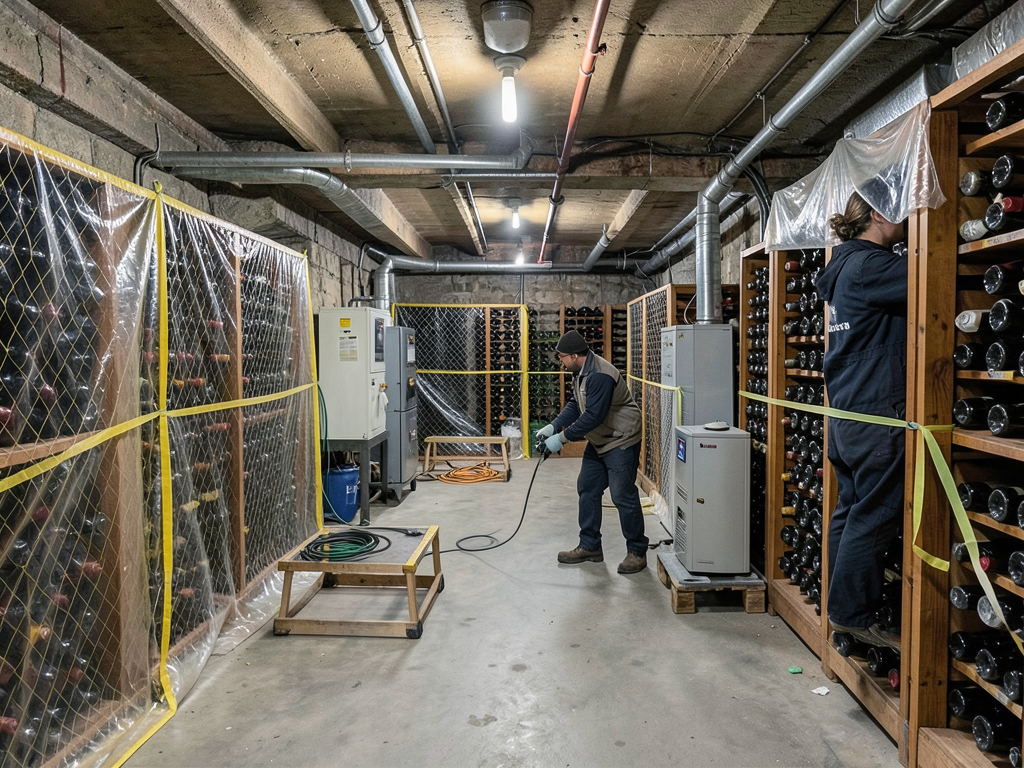
Protecting a basement wine cellar from moisture and mold in a Wayland Square home Basement…
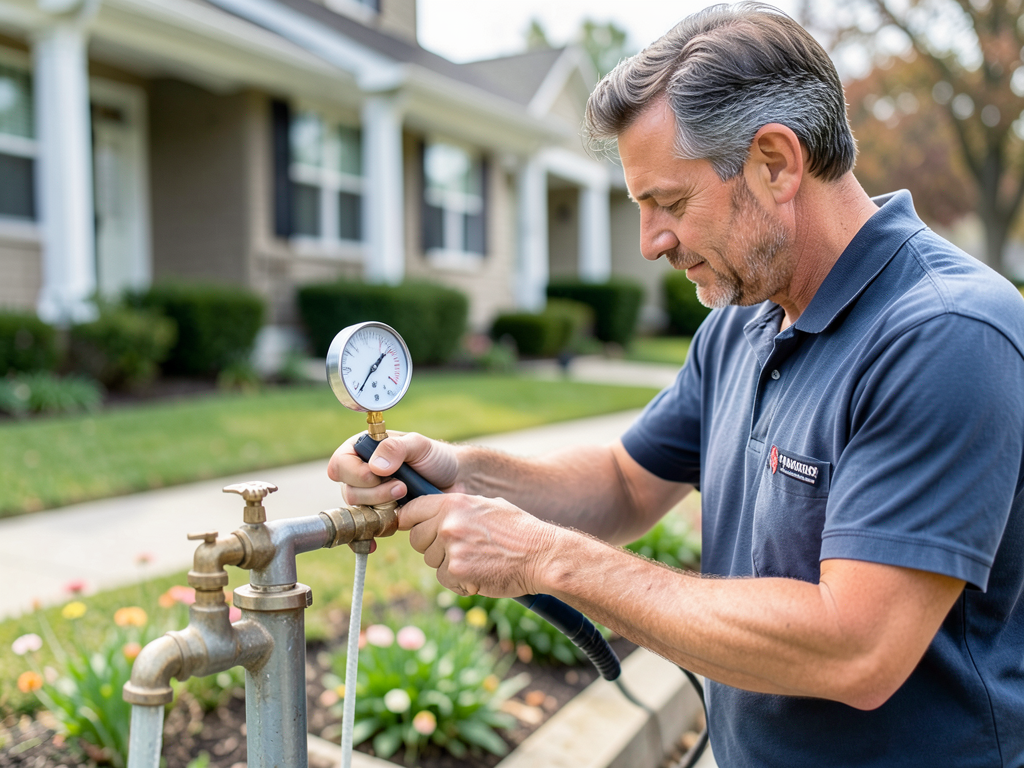
How high water pressure might be ruining the pipes in your Mount Pleasant home High…
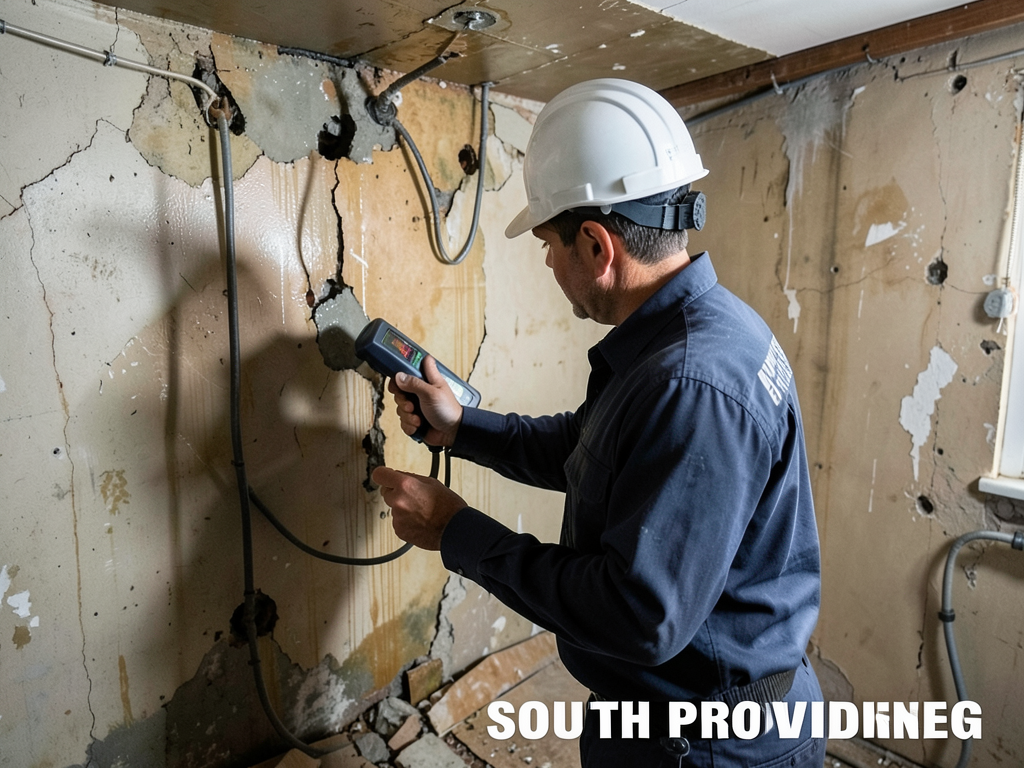
Why Your Drains Smell Like Sulfur After a Heavy Storm in South Providence Heavy storms…
Every minute water spreads through your Warwick home causes more damage. Atlas Water Damage Restoration Providence responds 24/7 with truck-mounted extraction equipment and certified technicians. Call (401) 262-8400 now for immediate dispatch. We'll stop the damage and start restoration today.