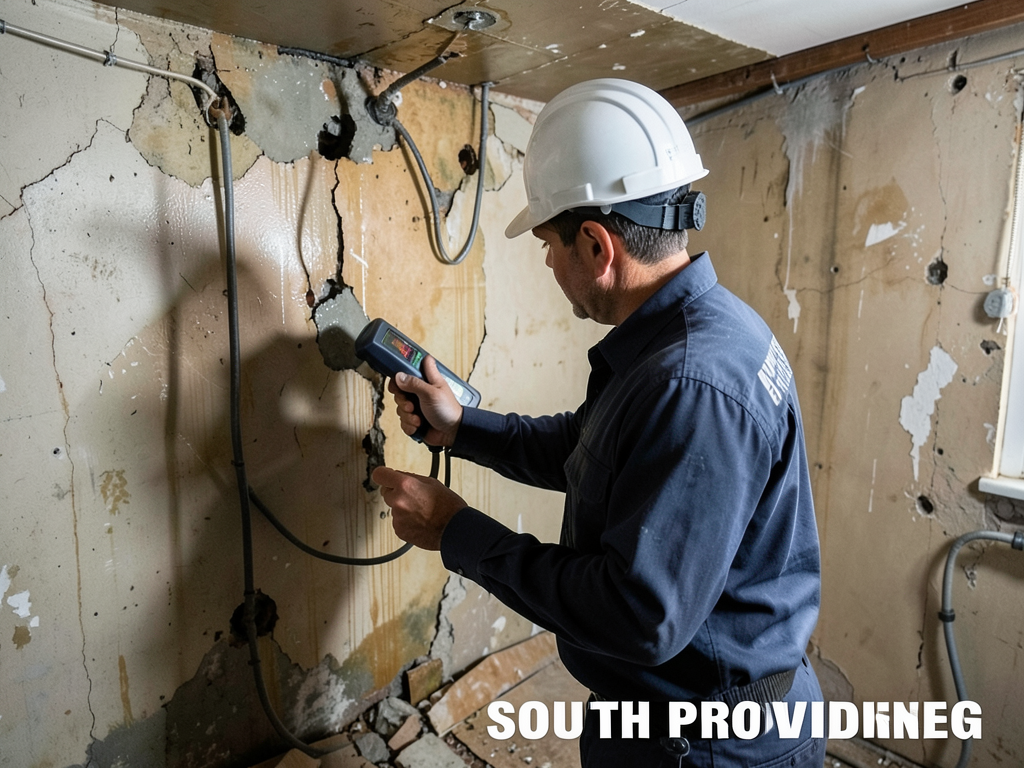
Providence averages 47 inches of precipitation annually, with relative humidity above 70 percent for six months of the year. When that moisture infiltrates homes built with horsehair plaster, balloon framing, and stone foundations, it creates the sustained dampness stachybotrys chartarum needs to colonize. The city's location at sea level means many basements sit below the water table, leading to chronic seepage through foundation walls. Spring flooding from the Woonasquatucket and Moshassuck Rivers adds acute water intrusion events that spike toxic mold health effects in neighborhoods like Olneyville and Valley.
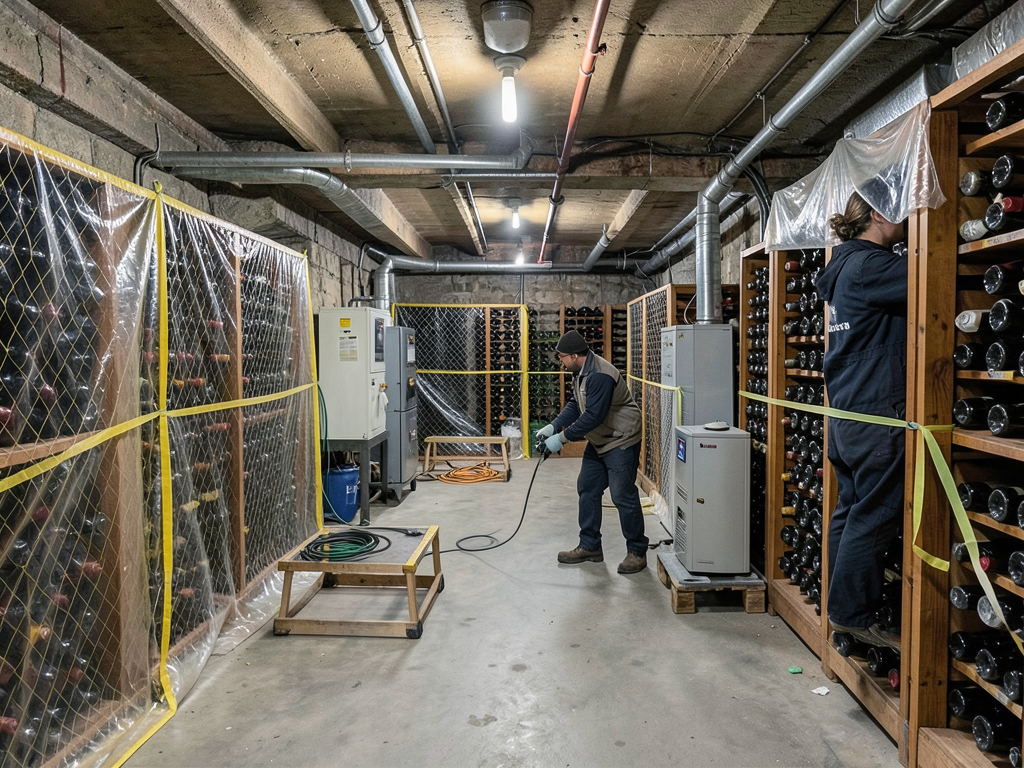
Rhode Island does not require mold remediation licensing, which means anyone can claim expertise. Atlas Water Damage Restoration Providence holds IICRC certification in applied microbial remediation and water damage restoration, the national standard for mold professionals. We understand Providence's building stock, from the Federal-era homes on Benefit Street to the triple-deckers in Smith Hill. Our familiarity with local construction methods, combined with proper containment protocols, ensures we remove mold without spreading contamination or damaging historic architectural elements that define Providence neighborhoods.