Menu

Carpet Water Extraction in Providence – Fast Response to Save Your Floors and Prevent Mold Growth

When water soaks your carpets, every hour counts. Atlas Water Damage Restoration Providence deploys professional-grade truck-mounted extraction systems and moisture mapping technology to remove water, dry subfloors, and protect your home from hidden mold and structural damage.

Slider Image 1
Slider Image 2
Slider Image 3
Slider Image 4
Slider Image 5
Slider Image 7
Slider Image 8
Slider Image 9
Slider Image 10
Slider Image 11

Why Providence Homes Face Serious Carpet Water Damage Risks

Providence sits at the confluence of the Moshassuck and Woonasquatucket Rivers, and residents know what happens when spring thaw meets heavy rainfall. Basements flood. Washing machines overflow. Burst pipes send gallons across finished rooms. When water hits carpet, the clock starts ticking.

The humid coastal climate here makes wet carpet extraction a race against biology. Providence's average relative humidity hovers near 70 percent year-round. That moisture feeds mold spores, which colonize damp carpet backing and padding within 24 to 48 hours. You might see surface drying, but trapped water in the pad and subfloor creates a hidden breeding ground.

Historic homes in Fox Point and College Hill often have original hardwood under carpet. Water seeps through to those floors, causing cupping and warping if you delay flooded carpet extraction. Newer construction in areas like Wanskuck and Mount Pleasant may have particle board subfloors, which swell and disintegrate when saturated.

Emergency carpet water removal is not about convenience. It is about stopping a manageable problem from becoming a reconstruction project. Water wicks horizontally through carpet fibers, spreading the damage zone far beyond the visible wet spot. Padding acts like a sponge, holding gallons even after the surface feels dry. Professional water damage carpet extraction targets both layers, plus the subfloor, using extraction wands that pull moisture from deep within the material. You cannot replicate this with a shop vacuum or rental machine.

The longer water sits, the more you pay. Mold remediation, subfloor replacement, and carpet disposal all cost more than immediate extraction. Providence homeowners who act fast save money and preserve their floors.

Why Providence Homes Face Serious Carpet Water Damage Risks
How Professional Carpet Water Removal Works

How Professional Carpet Water Removal Works

Water damage carpet extraction starts with source control. We shut off the water supply if a pipe or appliance caused the flood. We identify the category of water. Clean supply line water (Category 1) requires different handling than toilet overflow (Category 3). This determines disposal protocols and safety measures.

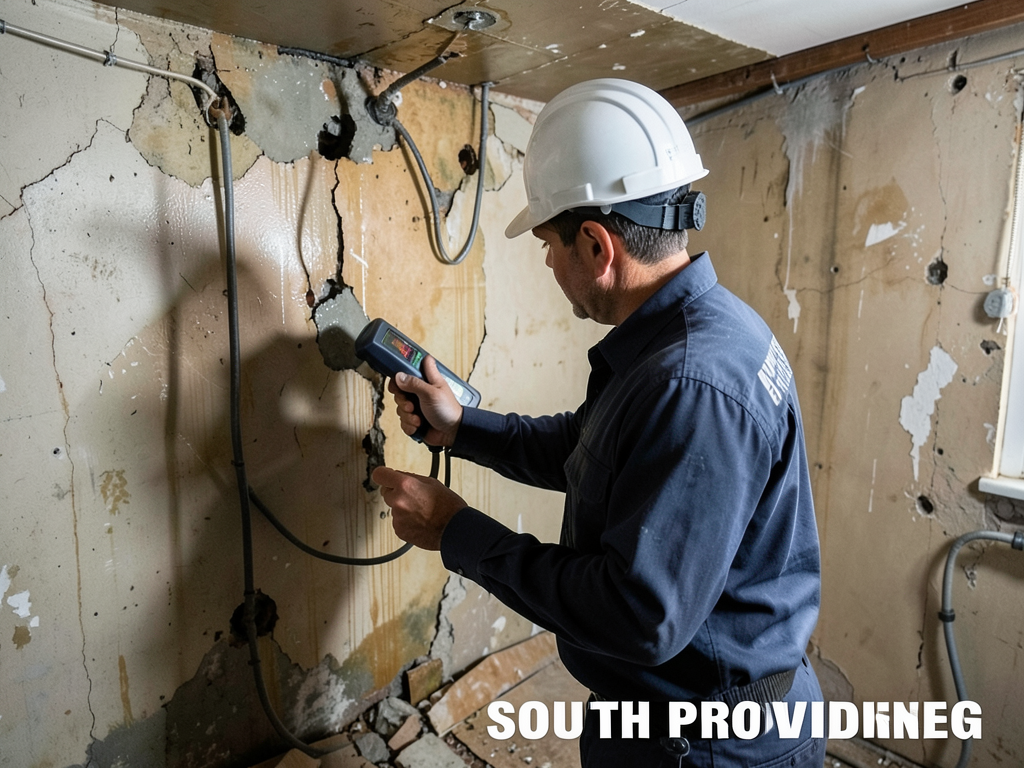
Next comes moisture mapping. We use thermal imaging cameras and penetrating moisture meters to trace the full extent of saturation. Water travels along grout lines, under baseboards, and into wall cavities. Surface inspection misses this. Infrared cameras reveal temperature differentials that indicate hidden moisture. We mark the perimeter of the affected zone with precision.

Truck-mounted extraction units generate vacuum pressure up to 400 cubic feet per minute. This pulls water from carpet fibers, padding, and the subfloor surface. Portable extractors supplement in areas the truck unit cannot reach. We use weighted extraction wands that compress the carpet and pad, forcing water up into the vacuum line. Each pass removes gallons.

After extraction, we assess pad condition. If the water was clean and response was immediate, padding may survive with proper drying. Contaminated water or delayed response means removal and disposal. Wet padding acts as a reservoir, re-wetting the carpet from below even after surface extraction. We do not leave that risk.

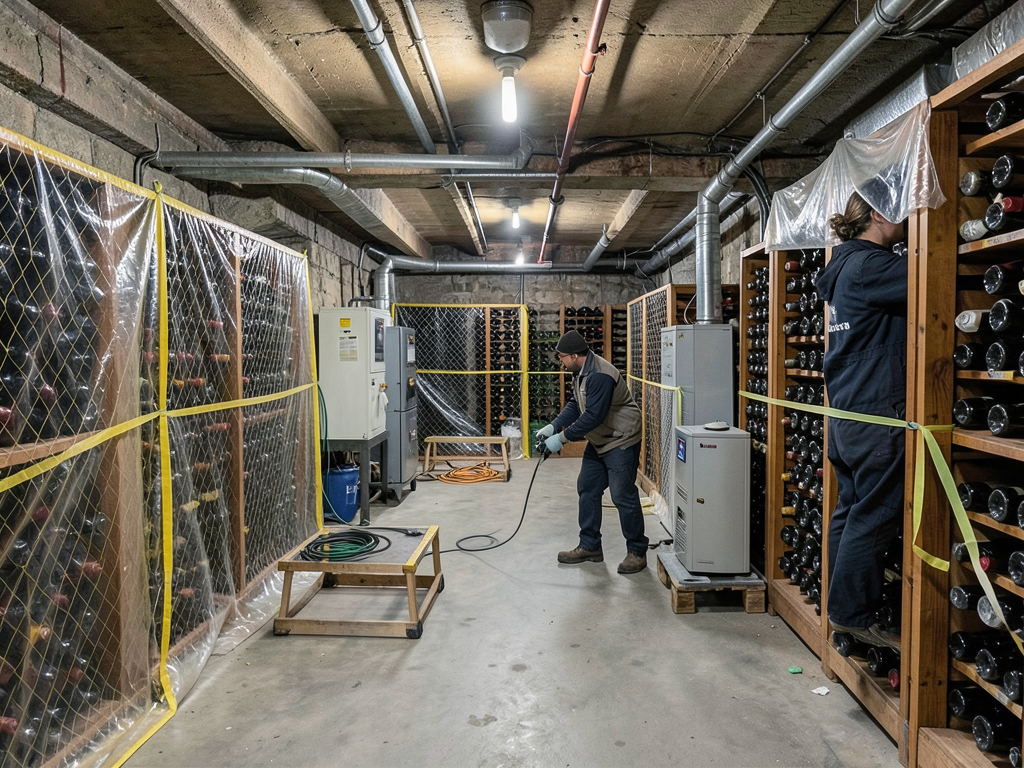
Air movers and dehumidifiers create the drying environment. High-velocity fans direct airflow across carpet surfaces and into the subfloor cavity. Commercial dehumidifiers pull moisture from the air, preventing it from re-absorbing into materials. We measure moisture levels daily until readings return to baseline. This is not guesswork. We document every reading.

Atlas Water Damage Restoration Providence uses psychrometry to calculate the drying capacity of the air and adjust equipment accordingly. This ensures complete drying, not just surface improvement.

What Happens During Your Carpet Water Extraction Service

Carpet Water Extraction in Providence – Fast Response to Save Your Floors and Prevent Mold Growth
01

Emergency Assessment and Containment

We arrive within hours of your call and immediately assess the water source, category, and spread. Our technicians use moisture detection equipment to map the full damage zone, including areas where water has migrated beyond the visible wet carpet. We contain the affected area to prevent cross-contamination and prepare for extraction. This initial assessment determines the equipment deployment and drying strategy specific to your situation.
02

High-Powered Water Removal

Our truck-mounted extraction systems remove standing water and deep moisture from carpet fibers, padding, and subfloors. We work in overlapping passes with weighted wands to compress materials and force water to the surface for removal. Portable extraction units handle stairs, closets, and tight spaces. We measure moisture reduction in real time, adjusting technique to maximize water recovery before the drying phase begins.
03

Controlled Drying and Verification

After extraction, we deploy air movers and commercial dehumidifiers calibrated to your space. We position equipment to create continuous airflow across wet surfaces and into subfloor cavities. Daily moisture readings track progress until all materials return to acceptable dry standards. We document the entire drying process and provide verification reports. This ensures no hidden moisture remains to cause mold growth or structural damage after we leave.

Why Providence Residents Trust Atlas for Wet Carpet Extraction

Providence building stock ranges from 18th-century colonials to modern construction. Each era has different floor assemblies, and cookie-cutter extraction does not work. Atlas Water Damage Restoration Providence has handled water damage in Victorian homes on Benefit Street with horsehair plaster and plank subfloors. We have dried carpets in Federal Hill triple-deckers where floor joists run perpendicular to standard framing. We know how water behaves in these buildings.

Local code enforcement in Providence requires proper disposal of contaminated materials. We follow Rhode Island Department of Health guidelines for Category 2 and Category 3 water, including padding and carpet removal when required. We document disposal with waste manifests. This protects you during insurance claims and future home sales.

Our response time matters in a city where homes sit close together. Water damage in one unit can affect adjacent properties in multi-family buildings common to Smith Hill and Elmhurst. We deploy immediately to limit spread and liability. Our extraction equipment is staged locally, not shipped from regional hubs. You get actual emergency response, not next-day service marketed as urgent.

We work directly with major insurance carriers active in Providence, including those covering flood-prone areas near the Providence River. We provide detailed moisture logs, photographic documentation, and psychrometric calculations that adjusters require. This speeds claims and reduces your out-of-pocket burden.

Atlas technicians hold IICRC certifications in water damage restoration and applied structural drying. We do not send generalists with a wet vacuum. You get trained professionals who understand vapor pressure, dew point, and the science of drying. This expertise prevents secondary damage and repeat visits.

Providence homeowners have limited time to act. We answer calls 24 hours a day, every day. When you call, you reach a local technician who can be on-site within the hour, not a call center routing you through a national queue.

What to Expect When You Call Atlas for Flooded Carpet Extraction

Immediate Dispatch and Arrival

We dispatch a technician immediately after your call. Most Providence locations receive service within 60 to 90 minutes, depending on traffic and current call volume. We do not schedule appointments days out for water damage. Our trucks carry extraction equipment, moisture meters, and air movers ready to deploy. You get same-day response, every time. We arrive prepared to start work immediately, not to provide an estimate and leave. This speed prevents additional damage and reduces your total restoration cost.

Detailed Moisture Assessment

We inspect every affected area using thermal imaging and penetrating moisture meters. You receive a written assessment that maps moisture levels in carpet, padding, subfloors, and adjacent walls. We identify the water category and explain contamination risks. This assessment includes photographs and moisture readings documented for insurance purposes. We explain what materials can be saved and what requires removal. You know the full scope before work begins. This transparency prevents surprise costs and gives you control over the restoration process.

Complete Drying with Documentation

We do not remove equipment based on timelines. We remove it when moisture readings confirm your floors are dry. You receive daily logs showing moisture reduction in each affected area. Our goal is complete structural drying, verified by scientific measurement. We use IICRC S500 standards as our benchmark. This ensures your carpets, padding, and subfloors return to pre-loss condition without hidden moisture. You get documentation proving the work was done correctly, which protects your home value and insurability going forward.

Post-Drying Verification and Prevention Guidance

After extraction and drying, we conduct final verification testing to confirm no moisture remains in structural cavities or materials. We provide a completion report with before-and-after readings. You also receive guidance on preventing future water damage, including maintenance checks for appliances, plumbing, and sump pumps common in Providence basements. We do not offer warranties on natural materials like wood, which respond to environmental conditions. We do guarantee our workmanship and adherence to industry drying standards. If readings indicate remaining moisture, we continue drying at no additional charge.

Frequently Asked Questions

You Have Questions,
We Have Answers

How to extract water from carpet? +

Start by removing standing water with a wet vacuum or extractor. Work in overlapping passes, moving slowly to allow the equipment to pull moisture from the carpet fibers and padding. Lift furniture and place foil or blocks underneath to prevent staining. After extraction, set up air movers and dehumidifiers to dry the remaining moisture. In Providence homes, older carpet padding absorbs water quickly due to humidity, so check the subfloor for saturation. If water damage is extensive or from contaminated sources, call a restoration professional within 24 hours to prevent mold growth.

How much does it cost to get water out of carpet? +

Water extraction costs in Providence range based on the water source, square footage, and damage severity. Clean water from a supply line costs less than extracting contaminated floodwater. Most professionals charge per square foot or room, with additional fees for padding replacement, antimicrobial treatment, or subfloor drying. Historic Providence homes with multiple carpet layers or hardwood underneath often require more labor. Insurance typically covers sudden damage like burst pipes but may exclude gradual leaks. Get a written estimate before work begins, and ask if the company bills your insurance directly to simplify the claims process.

What draws urine out of carpet? +

Enzymatic cleaners break down uric acid crystals in carpet fibers, eliminating odor at the molecular level. Apply the enzyme solution generously, allowing it to saturate the padding where urine pools. Let it dwell for 10 to 15 minutes before extracting with a wet vacuum. White vinegar and baking soda can neutralize minor surface odors, but they do not penetrate padding. For pet accidents in Providence apartments or older homes with wool carpets, enzymatic formulas work best without damaging delicate fibers. Repeat treatments may be necessary for older stains that have crystallized deep in the padding.

What's the difference between a carpet cleaner and a carpet extractor? +

A carpet cleaner injects cleaning solution and extracts it along with dirt, designed for routine maintenance. A carpet extractor focuses on removing liquid, whether from spills, floods, or cleaning processes. Extractors use stronger suction and no heating element, making them ideal for water damage scenarios. Carpet cleaners heat water to dissolve dirt and grease, which is unnecessary when you are pulling out floodwater. For Providence basements prone to groundwater seepage or pipe bursts, an extractor is the right tool. Cleaners work for scheduled deep cleaning, while extractors handle emergency moisture removal and mitigation.

How long can carpet be wet before mold? +

Mold spores begin colonizing wet carpet within 24 to 48 hours, especially in Providence where humidity accelerates growth. Carpets in basements, first floors near plumbing, or areas with poor ventilation are high risk. The padding underneath traps moisture longer than surface fibers, creating the damp environment mold needs. If your carpet stays wet beyond 24 hours, you face contamination and health risks. Act immediately by extracting water, removing wet padding, and running dehumidifiers. Older homes in Providence with limited airflow or foundation moisture issues see faster mold development, so time is critical.

Can you use a shop vac to extract water from carpet? +

Yes, a shop vac removes surface water from carpet, but it lacks the suction power and specialized wands of professional extractors. Use the wet vacuum setting and make slow, overlapping passes. Empty the tank frequently to maintain suction. A shop vac works for small spills or initial water removal before professionals arrive. For extensive flooding in Providence homes, especially contaminated water from sewage backups or storm surge, a shop vac will not extract enough moisture from the padding or prevent mold. Use it as a stopgap measure, then call a restoration company to finish the job properly.

How long does water stay in carpet? +

Water can remain in carpet padding and subfloors for three to five days without proper drying equipment. Surface fibers may feel dry within 24 hours, but trapped moisture underneath continues feeding mold and bacteria. In Providence, high humidity slows evaporation, extending drying time. Thick padding, multi-layer carpets, or concrete subfloors hold water longer. Without air movers and dehumidifiers, moisture wicks back up into fibers even after surface drying. Professionals use moisture meters to confirm carpets are dry to the touch and at safe humidity levels, preventing hidden damage that appears weeks later.

Can Stanley Steemer remove water from carpet? +

Stanley Steemer offers water damage services in some markets, but they specialize in routine carpet cleaning, not emergency flood restoration. Water extraction requires immediate response, industrial dehumidifiers, antimicrobial treatment, and moisture monitoring over several days. For Providence residents dealing with basement flooding, burst pipes, or storm damage, you need a certified water damage restoration company with 24/7 availability and insurance claims experience. While Stanley Steemer can clean carpets after they dry, they typically do not handle the full mitigation process. Call a local restoration specialist first to extract water and prevent mold before scheduling any cleaning.

Do you need to replace carpet after water damage? +

Replacement depends on the water source, saturation time, and carpet age. Clean water caught within 24 hours often allows carpet and padding to be saved with professional extraction and drying. Contaminated water from sewage or flooding requires disposal due to health risks. If mold develops or padding disintegrates, replacement is necessary. In Providence, older homes with original wool or jute-backed carpets may not survive water exposure. Synthetic carpets with moisture barriers dry more easily. A restoration professional can assess fiber condition, padding integrity, and subfloor moisture to recommend repair or replacement based on safety and cost.

What do professional carpet cleaners use for urine? +

Professional cleaners use enzyme-based solutions that digest uric acid and organic matter causing odors. They apply the treatment through injection sprayers, saturating carpet and padding where urine collects. After dwell time, truck-mounted extractors pull the solution and contaminants out under high suction. For severe cases, pros may apply oxidizing agents or encapsulation products that trap remaining odor molecules. In Providence homes with pets, professionals also inspect for subfloor damage where urine penetrates through padding. They use UV lights to locate hidden stains and moisture meters to confirm complete extraction, preventing recurring odors from trapped bacteria.

How Providence's River Valley Location Increases Carpet Water Damage Risk

Providence sits at the head of Narragansett Bay, where the Moshassuck and Woonasquatucket Rivers converge. This geography creates elevated groundwater tables throughout the city, especially in low-lying neighborhoods like Olneyville and the Jewelry District. Spring snowmelt and coastal storms drive water tables up, increasing hydrostatic pressure on basement floors and foundation walls. This pressure forces groundwater through cracks and floor drains, flooding finished basements with carpeted floors. Homes near the rivers also face surface flooding during heavy rain events when stormwater systems exceed capacity. Understanding this hydrology is critical for effective carpet water extraction, because the source determines the contamination category and drying strategy.

Rhode Island requires water damage restoration contractors to follow state health and safety codes, including proper disposal of contaminated materials. Providence also enforces strict lead paint and asbestos regulations in pre-1978 housing, which covers most of the city's building stock. Atlas Water Damage Restoration Providence operates in full compliance with these local requirements. We coordinate with Providence building inspectors when necessary and maintain all required business licenses. Choosing a local provider who understands these regulations protects you from liability and ensures your home restoration meets legal standards. Out-of-state operators often lack this local knowledge, creating compliance risks during insurance claims.
Water Damage Restoration Services in The Providence Area

We are proud to serve the entire Providence area and its surrounding communities. Our strategically located team allows us to provide a fast and reliable response to any water damage emergency, no matter where you are. We invite you to view our service area on the map below to confirm that we are able to reach you quickly. If you are in need of immediate assistance or have questions about our service coverage, please don't hesitate to give us a call at any time.

Address:
Atlas Water Damage Restoration Providence, 12 Eagle St, Providence, RI, 02908

Additional Services We Offer

Our news updates

Latest Articles & News from The Blogs

Why your Pawtucket basement smells like sewage every time it rains If your basement smells like sewage every time it…

Why your Pawtucket basement smells like sewage every time it rains

Why your Pawtucket basement smells like sewage every time it rains If your basement smells like sewage every time it…

Choosing between a sump pump and an ejector pump for your basement in Johnston

Choosing between a sump pump and an ejector pump for your basement in Johnston A flooded basement in Johnston can…

How to get rid of the chemical smell after water damage cleanup in your Smith Hill apartment

How to get rid of the chemical smell after water damage cleanup in your Smith Hill apartment If you are…

Contact Us

Water spreads every minute you wait. Call Atlas Water Damage Restoration Providence at (401) 262-8400 right now. We answer 24 hours a day and dispatch immediately. Our technicians arrive ready to extract water, dry your floors, and prevent mold. Do not let wet carpet become a mold problem.