Menu

Fire Damage Safety Checklist in Providence – Your Complete Post-Fire Recovery Guide to Protect Your Family and Property

After a fire in Providence, knowing the right safety steps prevents secondary damage, health risks, and structural collapse. This fire damage safety checklist walks you through every critical post-fire hazard and recovery protocol.

Slider Image 1
Slider Image 2
Slider Image 3
Slider Image 4
Slider Image 5
Slider Image 7
Slider Image 8
Slider Image 9
Slider Image 10
Slider Image 11

Why Post-Fire Safety Matters More in Providence's Historic Building Stock

You survived the fire. Now the real danger begins.

Providence's aging housing stock creates unique post-fire hazards. Many homes in Federal Hill, the East Side, and College Hill were built before 1940 with lath-and-plaster walls, knob-and-tube wiring, and timber framing. When fire burns through these structures, it compromises load-bearing members in ways modern construction does not experience.

The combination of salt air from Narragansett Bay and the freeze-thaw cycles typical of Rhode Island winters means structural damage accelerates faster after a fire. Water used to extinguish flames soaks into old plaster, expands during freezing nights, and causes wall collapse within 48 to 72 hours if not addressed.

Post-fire safety steps are not optional recommendations. They are survival protocols.

After fire safety precautions address immediate threats like carbon monoxide poisoning from smoldering materials, structural instability from weakened joists, electrical hazards from exposed wiring, and toxic ash contamination. Soot in Providence homes often contains lead paint particles and asbestos fibers, especially in pre-1978 construction.

Your post-fire hazard checklist must account for both visible damage and hidden dangers. Smoke travels through wall cavities and HVAC ducts, depositing corrosive residue on metal surfaces. This residue continues to corrode wiring, plumbing, and structural fasteners for months after the fire is out.

The fire recovery safety guide you need starts with one principle. Do not enter the structure until a professional evaluates it. What looks stable may collapse without warning.

Why Post-Fire Safety Matters More in Providence's Historic Building Stock
The Fire Damage Safety Protocol Atlas Water Damage Restoration Providence Follows

The Fire Damage Safety Protocol Atlas Water Damage Restoration Providence Follows

We approach every fire scene with a structured fire damage safety protocol built on industrial hygiene standards and structural engineering principles.

First, we conduct a full structural assessment before allowing occupants back inside. We check floor joists for charring depth, inspect roof trusses for integrity loss, and measure deflection in load-bearing walls. Fire damage weakens wood by reducing its density and compromising lignin bonds. A joist that looks intact may have lost 60 percent of its load capacity.

Second, we test air quality for carbon monoxide, volatile organic compounds, and particulate contamination. Soot is not just dirt. It contains polycyclic aromatic hydrocarbons, formaldehyde, and other carcinogens. We use HEPA filtration and air scrubbers to remove these contaminants before anyone re-enters.

Third, we document electrical and plumbing damage. Fire melts wire insulation, creating short-circuit risks. Water from firefighting efforts causes corrosion in electrical panels and junction boxes. We coordinate with licensed electricians to de-energize compromised circuits and prevent electrocution or secondary fires.

Fourth, we stabilize water damage from firefighting efforts. Hundreds or thousands of gallons of water may have been used to extinguish the fire. This water saturates insulation, drywall, and subflooring. Without immediate extraction and drying, mold colonization begins within 24 to 48 hours.

Our fire recovery safety guide includes thermal imaging to locate hidden moisture pockets, moisture mapping to track drying progress, and antimicrobial treatments to prevent mold growth. We do not guess. We measure.

Your Step-by-Step Post-Fire Safety Checklist for Providence Properties

Fire Damage Safety Checklist in Providence – Your Complete Post-Fire Recovery Guide to Protect Your Family and Property
01

Secure the Scene

Do not enter the building until the fire department clears it. Request a structural safety inspection from a licensed engineer if the fire was severe. Prevent unauthorized entry by boarding up broken windows and doors. Contact your insurance company immediately and document everything with photos from outside the structure. Secure valuables still inside by requesting a supervised escort from local authorities if necessary.
02

Evaluate Health Hazards

Test for carbon monoxide, asbestos, and lead contamination before cleanup begins. Soot and ash from fires in older Providence homes often contain toxic materials. Wear N95 respirators, gloves, and protective clothing during initial walkthroughs. Do not use household vacuums on ash, as this aerosolizes carcinogens. Professional HEPA equipment is required. Monitor air quality continuously during the restoration process to protect workers and future occupants.
03

Begin Controlled Restoration

After safety clearance, extraction of standing water and removal of charred materials begins. Structural drying equipment runs continuously to prevent mold growth. Surfaces are cleaned with specialized detergents that neutralize acidic soot residue. HVAC systems are inspected and cleaned to remove smoke particulates. Every step is documented for insurance claims. Only after air quality testing confirms safety can occupancy resume.

Why Providence Families Trust Atlas Water Damage Restoration for Post-Fire Recovery

Fire restoration in Providence requires understanding the city's unique building characteristics and environmental factors.

We work extensively in Federal Hill, where triple-decker homes share common walls and fire damage often affects multiple units. We understand the challenges of Victorian-era construction on the East Side, where ornate plasterwork and hardwood floors require specialized restoration techniques. We navigate the permitting requirements of the Providence Historical District Commission when fire damage affects protected structures.

Our teams understand how Rhode Island's coastal humidity affects drying times and mold risk. We know that Providence's aging infrastructure means compromised plumbing and electrical systems need immediate attention after fire and water damage. We coordinate with local building inspectors, work within city code requirements, and maintain relationships with structural engineers familiar with Providence's building stock.

Atlas Water Damage Restoration Providence does not use one-size-fits-all restoration plans. A fire in a 1920s bungalow in Mount Pleasant requires a different approach than a fire in a modern condo downtown. We adjust our fire damage safety protocol based on construction type, fire severity, water damage extent, and occupant needs.

We also handle insurance coordination directly. Most Providence homeowners do not know what their policies cover or how to document losses properly. We provide detailed damage assessments, moisture readings, and photographic evidence that support your claim. We communicate directly with adjusters to ensure you receive fair compensation for restoration work.

Your safety is non-negotiable. We do not cut corners or rush timelines to save money.

What to Expect During Professional Fire Damage Restoration in Providence

Response Time and Initial Assessment

We respond to fire damage calls in Providence within two hours. The initial assessment includes structural evaluation, air quality testing, moisture mapping, and documentation for insurance purposes. We provide a written safety report within 24 hours that outlines immediate hazards, required repairs, and estimated restoration timeline. Emergency boarding and tarping happen the same day to prevent weather damage or theft. You receive a detailed scope of work before any restoration begins.

Comprehensive Damage Evaluation

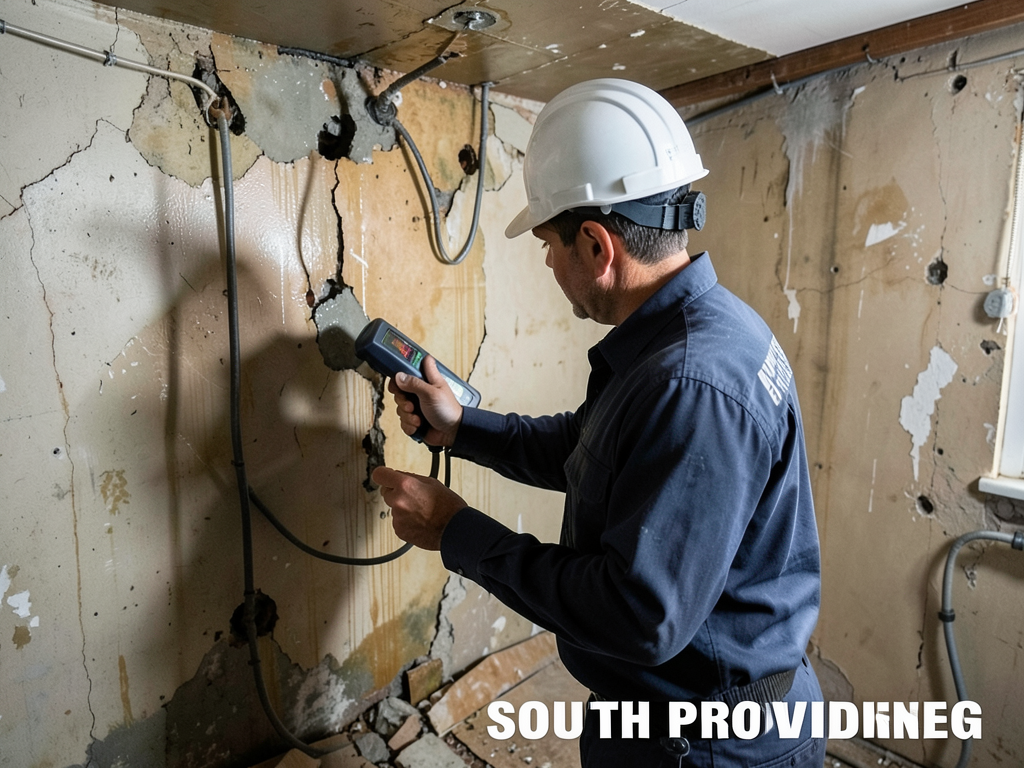
Our technicians use thermal imaging cameras to locate hidden fire damage and moisture intrusion behind walls and ceilings. We test electrical systems for short-circuit risks and insulation failure. Structural components are probed for char depth and integrity loss. Air samples are collected and analyzed for toxic particulates. Water damage from firefighting efforts is mapped using moisture meters and hygrometers. This data-driven approach ensures nothing is missed and prevents future failures from undetected damage.

Restoration Quality and Standards

We follow IICRC S500 standards for water damage restoration and IICRC S520 standards for mold remediation. All structural drying is verified with moisture readings at or below industry thresholds before reconstruction begins. Soot and smoke residue is removed using pH-balanced detergents that neutralize acidic compounds without damaging surfaces. HVAC systems are professionally cleaned to remove smoke particulates. Final air quality testing confirms the environment is safe before occupancy. You receive documentation of all readings and certifications.

Post-Restoration Support and Monitoring

After restoration is complete, we provide follow-up inspections to ensure no secondary issues develop. Moisture monitoring continues for 30 days in areas with heavy water damage to confirm complete drying and prevent mold growth. We offer air duct cleaning services to remove lingering smoke odors that often reappear months after fire damage. Our team remains available to answer questions, coordinate with contractors for cosmetic repairs, and provide documentation for insurance or resale purposes.

Frequently Asked Questions

You Have Questions,
We Have Answers

How Providence's Coastal Climate Complicates Fire Recovery Safety Protocols

Providence sits at the head of Narragansett Bay, where salt air and high humidity create perfect conditions for accelerated corrosion after fire damage. Soot contains acidic compounds that, when combined with moisture from coastal air, corrode metal fasteners, electrical components, and plumbing fixtures within weeks. Post-fire safety precautions in Providence must account for this aggressive corrosion environment. Structures near the waterfront in Fox Point or along the Providence River require more intensive protective treatments and faster restoration timelines than inland properties. Delaying restoration even a few days allows salt-laden humidity to penetrate deeper into building materials, expanding the scope of damage exponentially.

Atlas Water Damage Restoration Providence has restored fire-damaged properties throughout the city, from historic homes in Elmhurst to commercial buildings downtown. We understand the specific challenges Providence's building codes present, especially in historic districts where restoration must meet preservation standards while ensuring modern safety compliance. Our familiarity with local permitting processes, relationships with Providence building inspectors, and experience with Rhode Island insurance requirements means your fire recovery moves forward without bureaucratic delays. Choosing a local restoration company that knows Providence's unique environmental and regulatory landscape is not a convenience. It is a necessity for safe, compliant, and timely recovery.
Water Damage Restoration Services in The Providence Area

We are proud to serve the entire Providence area and its surrounding communities. Our strategically located team allows us to provide a fast and reliable response to any water damage emergency, no matter where you are. We invite you to view our service area on the map below to confirm that we are able to reach you quickly. If you are in need of immediate assistance or have questions about our service coverage, please don't hesitate to give us a call at any time.

Address:
Atlas Water Damage Restoration Providence, 12 Eagle St, Providence, RI, 02908

Additional Services We Offer

Our news updates

Latest Articles & News from The Blogs

Why your Pawtucket basement smells like sewage every time it rains If your basement smells like sewage every time it…

Why your Pawtucket basement smells like sewage every time it rains

Why your Pawtucket basement smells like sewage every time it rains If your basement smells like sewage every time it…

Choosing between a sump pump and an ejector pump for your basement in Johnston

Choosing between a sump pump and an ejector pump for your basement in Johnston A flooded basement in Johnston can…

How to get rid of the chemical smell after water damage cleanup in your Smith Hill apartment

How to get rid of the chemical smell after water damage cleanup in your Smith Hill apartment If you are…

Contact Us

Do not risk your safety or property value by delaying professional fire damage evaluation. Call Atlas Water Damage Restoration Providence now at (401) 262-8400 for immediate response and a comprehensive post-fire safety assessment. We are available around the clock to protect your home and family.