Menu

Warehouse Flood Restoration in Providence – Industrial-Grade Response That Minimizes Downtime and Protects Your Bottom Line

Atlas Water Damage Restoration Providence delivers rapid commercial flood remediation with the capacity, equipment, and logistics expertise to restore full operations in distribution centers, fulfillment facilities, and industrial warehouses across the greater Providence metro.

Slider Image 1
Slider Image 2
Slider Image 3
Slider Image 4
Slider Image 5
Slider Image 7
Slider Image 8
Slider Image 9
Slider Image 10
Slider Image 11

Why Providence Warehouses Face Unique Flood Exposure

Providence sits at the head of Narragansett Bay, and warehouses in zones near the Woonasquatucket River, Port of Providence, and Route 6 industrial corridor face compounded flood risk from coastal storm surge, riverine flooding, and aging municipal drainage infrastructure. When the Pawtuxet River breaches or a nor'easter drives tidal surge inland, facilities storing inventory, operating cold chain logistics, or running 24/7 distribution networks can lose hours or days to standing water, contaminated stock, and halted operations.

The Port of Providence area sees frequent drainage failures during heavy rainfall due to combined sewer overflow systems that cannot handle peak volume. Warehouses in Olneyville and Valley neighborhoods also contend with subsurface groundwater intrusion during seasonal thaw or rapid snowmelt events. One failed sump pump or compromised loading dock seal can flood tens of thousands of square feet in minutes.

Industrial water damage cleanup in these facilities is not a residential-scale task. You are managing liability exposure, inventory loss, potential mold colonization on pallet racking, and the risk of electrical system compromise across high-bay spaces. Commercial flood remediation requires extraction equipment capable of removing thousands of gallons per hour, dehumidification arrays sized for 50,000-plus square foot zones, and coordination with your insurance adjuster, freight partners, and municipal inspectors. Downtime is measured in lost contracts and supply chain disruption. You need a partner with the logistics capacity and industrial fleet to execute warehouse water mitigation without delay.

Why Providence Warehouses Face Unique Flood Exposure
How We Execute Large-Scale Industrial Flood Recovery

How We Execute Large-Scale Industrial Flood Recovery

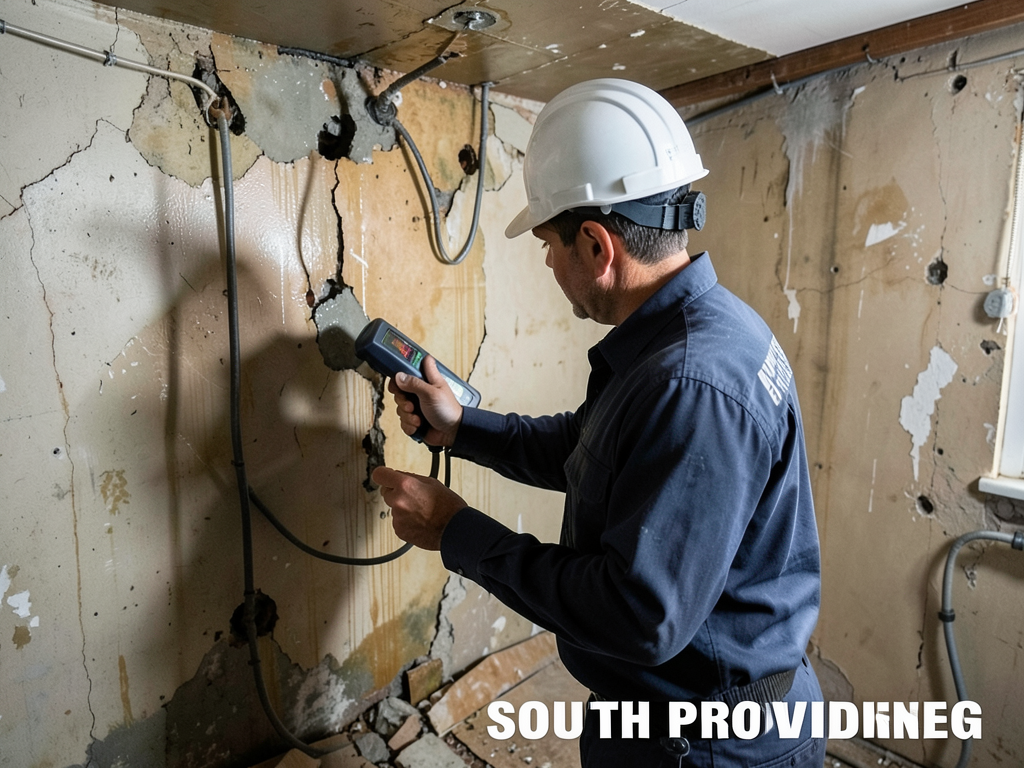
Atlas Water Damage Restoration Providence deploys truck-mounted extraction units, trailer-mounted diesel generators, and commercial-grade air movers rated for continuous duty in contaminated environments. We do not arrive with shop-vacs and residential dehumidifiers. Our teams assess the scope using thermal imaging to identify moisture migration through concrete slabs, along steel structural members, and within insulated wall panels common in tilt-up and pre-engineered metal buildings.

We begin with source isolation. If the flood originated from a ruptured sprinkler main, failed backflow preventer, or roof membrane breach, we coordinate with your facilities team or general contractor to secure the building envelope before extraction begins. Water is categorized per IICRC S500 standards. Category 3 water from sewer backups or river flooding requires containment protocols, PPE, and disposal procedures that protect your workforce and comply with Rhode Island Department of Environmental Management regulations.

Extraction is staged by priority zone. We clear high-value inventory areas, active production floors, and temperature-controlled spaces first. Our truck-mounted extractors can remove up to 200 gallons per minute, allowing us to dewater a 30,000-square-foot section in hours, not days. Once standing water is removed, we deploy low-grain refrigerant dehumidifiers and desiccant units to pull moisture from the air and building materials. Airflow is calculated using psychrometric data to ensure we are drying the space, not just moving humid air in circles.

We document everything. Moisture maps, extraction logs, and daily drying reports go to your insurance carrier and risk management team in real time. You get transparency, not guesswork.

What Happens During a Warehouse Flood Restoration Project

Warehouse Flood Restoration in Providence – Industrial-Grade Response That Minimizes Downtime and Protects Your Bottom Line
01

Emergency Containment and Assessment

Our dispatch team mobilizes within two hours of your call. We arrive with containment barriers, extraction pumps, and moisture detection equipment. The first priority is stopping additional water intrusion and identifying contamination levels. We map affected zones using infrared cameras and moisture meters, then develop a phased extraction plan that prioritizes your most critical operational areas and minimizes disruption to unaffected sections of the facility.
02

Coordinated Extraction and Drying

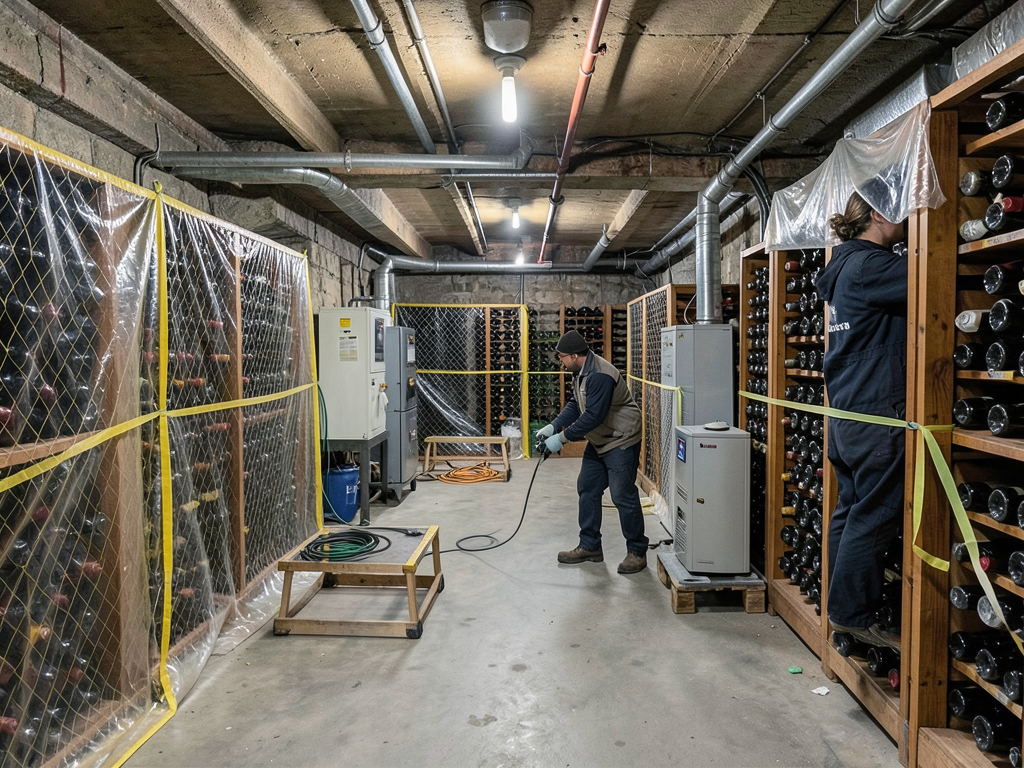
We stage industrial extractors and dehumidification arrays based on building layout, HVAC airflow patterns, and your operational schedule. Water is removed using truck-mounted pumps and portable extractors for confined spaces. Dehumidifiers run continuously, with technicians adjusting placement and airflow every 12 hours based on updated moisture readings. We coordinate with your team to maintain partial operations in dry zones while affected areas are restored, reducing total business interruption time.
03

Verification and Handoff

Once moisture levels in structural materials reach acceptable thresholds per IICRC guidelines, we conduct final thermal scans and document restoration completion. You receive a full report with before and after moisture data, equipment deployment logs, and disposal records for contaminated materials. We walk the space with your facilities manager to verify readiness for reoccupancy, then provide recommendations for drainage upgrades, sump pump redundancy, or backflow prevention to reduce future exposure.

Why Providence Facility Managers Trust Atlas for Distribution Center Water Removal

We understand the operational tempo of Providence's logistics and manufacturing sector. Facilities along the I-95 corridor, Port of Providence, and Allens Avenue industrial zone cannot afford multi-day shutdowns. Atlas Water Damage Restoration Providence maintains the equipment inventory and crew availability to handle projects from 10,000 to 200,000 square feet without subcontracting critical phases to outside vendors.

Our teams are trained in confined space entry, forklift traffic management, and coordination with active warehouse operations. We know how to work around your second and third shift schedules. We have executed commercial flood remediation projects in refrigerated distribution centers where maintaining cold chain integrity during drying was non-negotiable, and in facilities with sensitive electronics where humidity control had to meet data center-level precision.

We also understand Rhode Island's regulatory environment. Providence enforces strict stormwater discharge limits, and improper disposal of contaminated floodwater can trigger fines from the Narragansett Bay Commission or RIDEM. Our water disposal procedures comply with local and state codes. We document chain of custody for hazardous materials and coordinate with environmental consultants when contamination exceeds standard remediation protocols.

You also get direct communication with the project lead, not a call center. When your insurance adjuster needs documentation, when your corporate risk team has questions, or when your operations manager needs a timeline update, you reach a technician who has been on your site and knows your facility. That level of accountability matters when you are managing stakeholders across finance, operations, and legal departments.

What to Expect When You Call Atlas for Warehouse Water Mitigation

Rapid Deployment and Scalable Response

We dispatch crews within two hours of your initial call, with equipment mobilization beginning immediately. For large-scale incidents, we can scale to multiple crews working simultaneous zones within your facility. Our equipment fleet includes trailer-mounted generators, truck-mounted extractors, and industrial dehumidifiers that can be deployed in quantities sufficient to handle projects exceeding 100,000 square feet. You get the capacity to restore operations in days, not weeks, because we maintain the equipment inventory and crew availability to execute at industrial scale.

Comprehensive Damage Assessment and Scope Definition

Our initial assessment includes thermal imaging, moisture mapping of structural components, and contamination classification per IICRC standards. We identify hidden moisture in insulated panels, beneath slab vapor barriers, and within wall assemblies. You receive a written scope document that outlines affected square footage, estimated drying time, equipment deployment plan, and coordination requirements with your operations team. This document goes directly to your insurance carrier and risk management team, ensuring alignment before work begins and eliminating disputes over scope later in the process.

Documented Restoration to Pre-Loss Condition

You receive a facility restored to IICRC dry standards, with all affected building materials returned to acceptable moisture content levels. Our final deliverable includes thermal imaging verification, moisture data logs, and disposal records for contaminated materials. We provide recommendations for drainage improvements, backflow prevention, or sump system upgrades based on observed failure points. The goal is not just to dry your building, but to give you actionable intelligence to reduce future exposure and support discussions with your property insurer about risk mitigation credits.

Post-Restoration Monitoring and Risk Mitigation Consultation

We offer follow-up moisture checks at 48 and 96 hours post-restoration to verify that no secondary moisture migration has occurred. For facilities with recurring drainage issues or high flood exposure, we can consult on permanent solutions like sump pump redundancy systems, floor drain upgrades, or integration with building automation systems for early leak detection. While we do not guarantee specific outcomes, our post-restoration support ensures you have the data and expertise to make informed decisions about capital improvements and risk transfer strategies.

Frequently Asked Questions

You Have Questions,
We Have Answers

How Narragansett Bay Storm Surge and Aging Infrastructure Complicate Warehouse Flood Restoration in Providence

Providence warehouses face dual flood exposure from coastal storm surge driven up Narragansett Bay and inland riverine flooding from the Woonasquatucket, Moshassuck, and Pawtuxet Rivers. The Port of Providence and Route 6 industrial corridor sit in FEMA flood zones where storm surge from hurricanes or nor'easters can push tidal water inland, overwhelming drainage systems designed decades ago. Many distribution centers and fulfillment facilities also contend with combined sewer systems that discharge into streets and loading docks during peak rainfall events. Industrial flood recovery in these environments requires contamination protocols, coordination with municipal utilities, and equipment capable of handling Category 3 water with sewage or chemical exposure.

Atlas Water Damage Restoration Providence has executed warehouse water mitigation projects in Olneyville, Valley, and the Port industrial zone, navigating the permitting and disposal requirements specific to Rhode Island environmental regulations. We understand the nuances of working in facilities with active freight operations, cold storage requirements, and 24/7 production schedules. Our familiarity with local building codes, RIDEM stormwater regulations, and Narragansett Bay Commission discharge limits ensures your restoration project remains compliant while minimizing business interruption. When you need industrial-grade response that understands Providence's unique flood risks, you need a provider with local operational experience.
Water Damage Restoration Services in The Providence Area

We are proud to serve the entire Providence area and its surrounding communities. Our strategically located team allows us to provide a fast and reliable response to any water damage emergency, no matter where you are. We invite you to view our service area on the map below to confirm that we are able to reach you quickly. If you are in need of immediate assistance or have questions about our service coverage, please don't hesitate to give us a call at any time.

Address:
Atlas Water Damage Restoration Providence, 12 Eagle St, Providence, RI, 02908

Additional Services We Offer

Our news updates

Latest Articles & News from The Blogs

Why your Pawtucket basement smells like sewage every time it rains If your basement smells like sewage every time it…

Why your Pawtucket basement smells like sewage every time it rains

Why your Pawtucket basement smells like sewage every time it rains If your basement smells like sewage every time it…

Choosing between a sump pump and an ejector pump for your basement in Johnston

Choosing between a sump pump and an ejector pump for your basement in Johnston A flooded basement in Johnston can…

How to get rid of the chemical smell after water damage cleanup in your Smith Hill apartment

How to get rid of the chemical smell after water damage cleanup in your Smith Hill apartment If you are…

Contact Us

Every hour of delay increases your exposure. Call Atlas Water Damage Restoration Providence now at (401) 262-8400 for immediate dispatch and industrial-scale warehouse flood restoration that gets your facility back online.