Menu

Cupping or Buckling Wood Floors in Providence – Expert Diagnosis and Lasting Repair for Water-Damaged Hardwood

When warped hardwood flooring disrupts your home or business, Atlas Water Damage Restoration Providence identifies the moisture source, stabilizes your subfloor, and restores structural integrity using advanced drying protocols designed for New England's challenging climate.

Slider Image 1
Slider Image 2
Slider Image 3
Slider Image 4
Slider Image 5
Slider Image 7
Slider Image 8
Slider Image 9
Slider Image 10
Slider Image 11

Why Providence Homes Face Chronic Wood Floor Warping

Providence's proximity to Narragansett Bay and the Woonasquatucket River creates persistent humidity levels that attack unprotected wood flooring year-round. When moisture infiltrates your home through basement seepage, old plumbing, or storm flooding, hardwood planks react fast. You will see swollen wood planks first, followed by peaking hardwood joints where boards push against each other. Within days, full cupping develops as plank edges rise higher than the centers.

The city's historic housing stock makes the problem worse. Many College Hill and Federal Hill properties feature original oak or pine floors laid directly over stone foundations with minimal vapor barriers. Ground moisture wicks upward through mortar joints, saturating subfloors and creating ideal conditions for lifting floorboards. When summer humidity tops 70 percent, trapped moisture expands the wood fibers, causing the classic crowned appearance of buckling.

Winter freeze-thaw cycles compound the issue. Water trapped beneath your floors freezes, expands, and pushes planks upward, creating raised wood floor edges that trip residents and signal serious structural water intrusion. Ignoring warped hardwood flooring invites mold colonization within 48 hours and permanent joist rot within weeks. The longer moisture remains, the more your subfloor degrades, turning a flooring repair into a full structural rebuild.

Providence's older heating systems create additional risk. Steam radiators and forced hot water systems leak slowly, saturating nearby flooring before you notice. By the time you spot the first buckled plank, moisture has likely spread across 20 square feet or more.

Why Providence Homes Face Chronic Wood Floor Warping
How Atlas Water Damage Restoration Providence Repairs Warped Hardwood Floors

How Atlas Water Damage Restoration Providence Repairs Warped Hardwood Floors

We start with moisture mapping, not guesswork. Our technicians use infrared thermal cameras to trace the water source through your walls and subfloor, identifying every wet cavity invisible to the naked eye. We measure moisture content in both the hardwood surface and the subfloor beneath using pin-type and pinless meters, documenting readings across the entire affected zone. This tells us whether your swollen wood planks can dry in place or require removal.

Next, we isolate the moisture source. Buckling floors are symptoms, not the disease. We inspect your foundation perimeter for hydrostatic pressure cracks, check your HVAC condensate lines, and pressure-test your plumbing stack. We examine your crawlspace vapor barrier and test your basement sump pump operation. Until we eliminate the water entry point, no floor repair will last.

Once the source is sealed, we deploy commercial desiccant dehumidifiers and high-velocity air movers in a controlled drying environment. We seal off the affected rooms with containment barriers to concentrate airflow and accelerate evaporation. Every six hours, we re-measure moisture levels in your subfloor joists and hardwood planks, adjusting equipment placement to target stubborn wet spots. Proper drying takes three to seven days depending on the saturation depth. Rushing this phase guarantees your lifting floorboards will return within months.

After the subfloor reaches 12 percent moisture content or lower, we assess the hardwood damage. Minor cupping often self-corrects as wood fibers shrink back to their original dimensions. Severe peaking hardwood joints require sanding and refinishing once the planks stabilize. If your raised wood floor edges show cracking or delamination, we remove and replace those sections, matching the grain and finish to your existing floor.

What Happens During Your Floor Restoration

Cupping or Buckling Wood Floors in Providence – Expert Diagnosis and Lasting Repair for Water-Damaged Hardwood
01

Emergency Moisture Extraction

We arrive within two hours of your call and immediately pull standing water from your hardwood surface using truck-mounted extractors. We remove baseboards and drill weep holes into the wall base to release trapped water from your subfloor cavities. If water has saturated your underlayment or penetrated into floor joists, we document the damage with photos and moisture readings for your insurance claim while our pumps run continuously.
02

Controlled Environment Drying

We position industrial dehumidifiers and air movers to create a drying chamber around your warped hardwood flooring. Our equipment removes 150 pints of moisture per day while circulating air beneath the planks through the weep holes. We monitor your indoor humidity levels hourly, maintaining optimal drying conditions between 30 and 50 percent relative humidity. Temperature stays regulated between 70 and 80 degrees to prevent thermal shock that worsens buckling.
03

Structural Assessment and Refinishing

Once moisture levels normalize, we inspect your subfloor for rot, sagging joists, or compromised fasteners. We sister damaged joists with dimensional lumber, replace wet underlayment, and reinstall salvageable planks with fresh fasteners. If your lifting floorboards have stabilized without permanent damage, we sand the surface flat, apply stain to match your existing finish, and coat with three layers of polyurethane. You walk on a floor that looks and performs like new.

Why Providence Residents Trust Atlas for Hardwood Floor Water Damage

We have restored wood floors in over 500 Providence homes, from Victorian Painted Ladies on Benefit Street to triple-deckers in Smith Hill. We understand how the Seekonk River floods basements during spring runoff and how Narragansett Bay storm surge pushes saltwater into Edgewood crawlspaces. That local knowledge matters when your swollen wood planks need diagnosis in minutes, not hours.

Atlas Water Damage Restoration Providence maintains relationships with every major insurance carrier operating in Rhode Island. We know the documentation State Farm requires, the depreciation schedules Allstate uses, and the preferred contractor lists Liberty Mutual references. We handle the entire claims process while you focus on your family or business. Our estimates include line-item breakdowns that match insurance adjuster software, eliminating the back-and-forth negotiations that delay your repairs.

Our technicians complete IICRC Water Damage Restoration certification every two years, staying current on the latest moisture detection technology and drying protocols. We own our equipment outright, so we deploy full drying capacity to your property immediately instead of waiting for rental availability. When we pull up to your Wayland Square bungalow or Broadway commercial space, we arrive with everything needed to stop the damage progression within the first hour.

We also understand Providence building codes. The city requires permits for structural subfloor repairs, and inspectors want to see moisture barrier upgrades that meet current standards. We pull those permits, coordinate the inspections, and ensure your floor restoration passes on the first review. That saves you weeks of delays and prevents problems when you sell your property.

Our clients stay in Providence because we do. We live in the neighborhoods we serve, shop at the same East Side markets, and send our kids to the same Cranston schools. Your warped hardwood flooring is our professional responsibility and our community obligation.

What to Expect When You Call Atlas Water Damage Restoration Providence

Immediate Response Timeframe

We dispatch a crew within two hours of your call, 24 hours a day, 365 days a year. Emergency water extraction begins the moment we arrive, not after paperwork. Our trucks carry enough equipment to dry 3,000 square feet of hardwood flooring without returning to the warehouse. We understand that every hour of delay allows your peaking hardwood joints to worsen and your subfloor to rot deeper. Fast response is not a marketing promise. It is how we prevent minor water damage from becoming a total floor replacement. You receive a detailed moisture map and drying timeline before our first crew leaves your property.

Comprehensive Moisture Assessment

Our initial assessment takes 45 minutes to two hours depending on your property size. We inspect your entire first floor, basement, and crawlspace, not just the visible damage zone. Thermal imaging reveals moisture trails through your walls and subfloor that explain why your lifting floorboards appeared in that specific location. We test your plumbing lines with pressure gauges, inspect your foundation for cracks, and evaluate your grading and drainage patterns. You receive a written report that documents moisture content readings at 15 locations across your affected floors, photos of the water source, and a scope of work that breaks down every repair phase with material specifications.

Restoration Quality Standards

Your hardwood floor will match the rest of your home when we finish. We source replacement planks from specialty lumber yards that carry reclaimed oak, maple, and pine matching Providence's historic housing stock. Our refinishing team sands in multiple passes using progressively finer grits, removes all dust with HEPA vacuums, and applies commercial-grade polyurethane that withstands New England humidity swings. We blend stain colors on-site to match your existing finish under your specific lighting conditions. Walk-on time is 24 hours after the final coat. Full cure takes seven days, after which your raised wood floor edges and cupping will be permanent history.

Post-Restoration Monitoring Plan

We return 30 days after completion to re-measure moisture levels in your subfloor and hardwood planks. This visit confirms your drying was complete and your moisture barrier upgrades are functioning as designed. You receive a maintenance guide specific to Providence's climate, including recommended dehumidifier settings for each season and warning signs that moisture is returning. We offer annual moisture inspections for clients who want ongoing monitoring, particularly valuable for properties near the Providence River or Blackstone Boulevard where groundwater sits high. Our work includes a detailed photo record of all repairs, which protects your property value and simplifies future insurance claims or home sales.

Frequently Asked Questions

You Have Questions,
We Have Answers

What is the difference between cupping and buckling floors? +

Cupping happens when the edges of wood planks rise higher than the center, creating a concave shape. This occurs when moisture infiltrates from below, causing the bottom of the board to expand. Buckling is more severe. The entire plank lifts and separates from the subfloor, often creating visible gaps or raised sections. Buckling results from extreme moisture exposure or subflooring failure. In Providence homes, cupping often follows basement flooding or crawl space humidity, while buckling typically indicates major water damage from burst pipes or prolonged leaks. Both require professional moisture assessment and structural drying before repair.

What does hardwood cupping look like? +

Cupped hardwood shows edges that curl upward while the center dips down. Run your hand across the boards and you will feel the ridges and valleys. The wood surface looks wavy or washboard-like when you look down the length of the floor. Gaps may appear between boards as edges pull away from each other. In Providence's historic homes, cupping often appears first near exterior walls or over uninsulated crawl spaces where seasonal moisture fluctuates. The grain may also appear darker along the edges where moisture concentration is highest. Severe cupping creates noticeable height differences you can see from across the room.

How to fix a hardwood floor that is cupping? +

First, eliminate the moisture source. Fix the leak, improve ventilation, or address the humidity problem causing the cupping. Use commercial dehumidifiers to dry the space thoroughly. Monitor the floor for two to four weeks. Minor cupping may self-correct as the wood releases moisture and contracts. If cupping persists after drying, sanding and refinishing can level the surface, but only after moisture content returns to normal levels. Providence's humid summers complicate drying, so professional moisture meters ensure the wood has stabilized. Sanding too early traps moisture and causes future problems. Severe cupping may require board replacement.

Will cupped hardwood floors flatten out? +

Cupped floors can flatten if you address the moisture source quickly. Wood is hygroscopic, meaning it absorbs and releases moisture naturally. Once you remove excess moisture through dehumidification and proper ventilation, the wood may return to its original shape over several weeks. Success depends on how long the moisture was present and cupping severity. In Providence homes, seasonal humidity swings mean you need consistent environmental control. Minor cupping from short-term exposure typically flattens. Chronic moisture exposure causes permanent cell damage, and those boards stay cupped even after drying. Professional assessment determines if natural flattening is possible.

Will buckled hardwood floors go back to normal? +

Buckled floors rarely return to normal without intervention. Buckling means the planks have completely detached from the subfloor, indicating structural failure of the adhesive or fastening system. The wood has absorbed enough moisture to expand beyond its installation space, forcing it upward. Even after you dry the area, the planks remain displaced because the subflooring or underlayment is compromised. In Providence's older homes with original hardwood, buckling often reveals deeper issues like rotted joists or failed vapor barriers. You must remove buckled boards, repair the subfloor, address moisture sources, and reinstall new flooring. Simple drying will not fix buckling.

Can cupping hardwood floors be reversed? +

Cupping can be reversed if you act fast. The key is removing moisture before wood fibers sustain permanent damage. Stop the water source, extract standing water, and run industrial dehumidifiers to reduce humidity below 50 percent. Monitor the floor daily with a moisture meter. As the wood dries from the bottom up, cupping diminishes. Providence's coastal humidity requires aggressive dehumidification. Allow four to six weeks for stabilization. If the floor flattens but the finish is damaged, refinishing restores appearance. If boards remain cupped after complete drying, the cellular structure is permanently altered and you need replacement or sanding to level the surface.

What does a buckled hardwood floor look like? +

A buckled floor shows planks that have lifted away from the subfloor, creating raised humps or peaks. You may see visible gaps underneath the boards or hear hollow sounds when you walk across them. Severe buckling creates trip hazards where planks tent upward several inches. The wood may crack or split at stress points. In Providence triple-deckers and older construction, buckling often follows ceiling leaks from upper units or radiator pipe failures. The damage extends beyond surface appearance. Subflooring beneath buckled areas is often water-damaged, swollen, or rotted, requiring structural repair before you can reinstall flooring.

Is hardwood floor cupping normal? +

No, hardwood floor cupping is not normal. It signals a moisture imbalance. Wood flooring should maintain consistent moisture content between 6 and 9 percent in Providence's climate. Cupping means the bottom of the boards is significantly wetter than the top, causing uneven expansion. Common causes include basement moisture, plumbing leaks, high humidity, or improper installation over damp concrete. Seasonal minor expansion is normal, but visible cupping indicates a problem you need to fix. Ignoring cupping leads to permanent wood damage, mold growth in subflooring, and expensive replacement. Address the moisture source immediately to prevent structural damage.

How to detect water leak under wood floor? +

Look for discoloration or dark stains spreading across boards. Feel for soft spots where the wood feels spongy underfoot. Check for cupping or warping near suspected leak areas. Use a moisture meter to scan the floor, looking for readings above 12 percent. In Providence homes, check basement ceilings below the affected floor for water stains or drips. Musty odors indicate trapped moisture. Baseboards may show water marks or separation from walls. If you suspect a slab leak, infrared cameras detect temperature changes from water migration. Professional leak detection uses acoustic sensors to pinpoint pipe failures without demolition.

How much does it cost to repair cupping wood floors? +

Repair costs depend on damage severity, wood type, and square footage affected. Minor cupping repair including drying, sanding, and refinishing runs lower than full board replacement for severe buckling. Providence's historic homes with original oak or pine may face higher costs if you need custom milling to match existing boards. Factor in subfloor repair, moisture remediation, and finishing. Insurance often covers water damage repairs if you document the source. Get multiple estimates from licensed contractors who use moisture meters to assess the full scope. Cheaper surface fixes without addressing moisture sources lead to recurring problems and wasted money.

How Providence's Water Table Elevation Creates Chronic Hardwood Floor Moisture Problems

Providence sits at the head of Narragansett Bay where seven rivers converge, placing most residential properties within 15 feet of sea level. The Moshassuck, Woonasquatucket, and Providence Rivers create a high water table that saturates soil year-round. During spring snowmelt and hurricane season, groundwater rises to within three feet of basement floors across Fox Point, College Hill, and the Jewelry District. This hydrostatic pressure forces moisture through foundation walls and up into floor joists, creating the perfect conditions for swollen wood planks and peaking hardwood joints. Properties built before 1950 rarely included proper vapor barriers, leaving original hardwood floors vulnerable to constant moisture wicking. The city's clay-heavy soil retains water for weeks after storms, extending the saturation period and making cupping damage more severe than in other New England cities with better drainage.

Atlas Water Damage Restoration Providence works with local building inspectors who understand the unique foundation challenges facing historic homes in Federal Hill, Broadway-Armory, and Mount Pleasant. We know which Providence neighborhoods require vapor barrier upgrades to meet current code and which insurance carriers demand moisture monitoring systems before renewing policies on flood-prone properties. Our crews have restored floors in Brown University housing, Rhode Island School of Design dormitories, and commercial properties along Westminster Street. That experience means we arrive knowing your building's likely construction methods, common failure points, and the fastest path to code-compliant repairs. Local expertise is not just familiarity with street names. It is understanding how Providence River tidal cycles affect basement moisture and how the city's steam heating infrastructure creates seasonal plumbing risks.

Water Damage Restoration Services in The Providence Area

We are proud to serve the entire Providence area and its surrounding communities. Our strategically located team allows us to provide a fast and reliable response to any water damage emergency, no matter where you are. We invite you to view our service area on the map below to confirm that we are able to reach you quickly. If you are in need of immediate assistance or have questions about our service coverage, please don't hesitate to give us a call at any time.

Address:
Atlas Water Damage Restoration Providence, 12 Eagle St, Providence, RI, 02908

Additional Services We Offer

Our news updates

Latest Articles & News from The Blogs

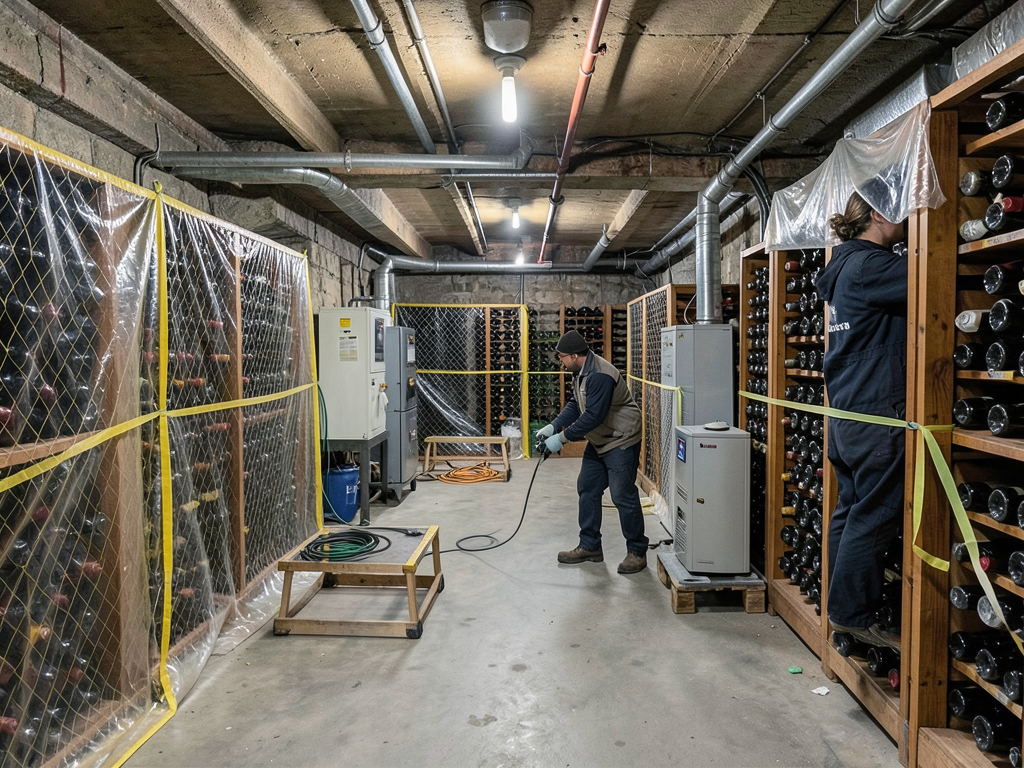
Protecting a basement wine cellar from moisture and mold in a Wayland Square home Basement wine cellars in Providence’s Wayland…

Protecting a basement wine cellar from moisture and mold in a Wayland Square home

Protecting a basement wine cellar from moisture and mold in a Wayland Square home Basement wine cellars in Providence’s Wayland…

How high water pressure might be ruining the pipes in your Mount Pleasant home

How high water pressure might be ruining the pipes in your Mount Pleasant home High water pressure is a silent…

Why your drains smell like sulfur after a heavy storm in South Providence

Why Your Drains Smell Like Sulfur After a Heavy Storm in South Providence Heavy storms in South Providence often leave…

Contact Us

Warped hardwood flooring gets worse every day you wait. Call Atlas Water Damage Restoration Providence now at (401) 262-8400 for same-day moisture assessment and emergency drying. We answer 24/7 and dispatch crews across all Providence neighborhoods within two hours.