Menu

Soggy Insulation in Providence – Expert Diagnosis and Permanent Repair for Water Damaged Homes

Atlas Water Damage Restoration Providence identifies the root cause of wet insulation, removes all saturated materials, and restores your home's thermal barrier before hidden mold takes hold.

Slider Image 1
Slider Image 2
Slider Image 3
Slider Image 4
Slider Image 5
Slider Image 7
Slider Image 8
Slider Image 9
Slider Image 10
Slider Image 11

Why Providence Homes Develop Soggy Insulation Problems

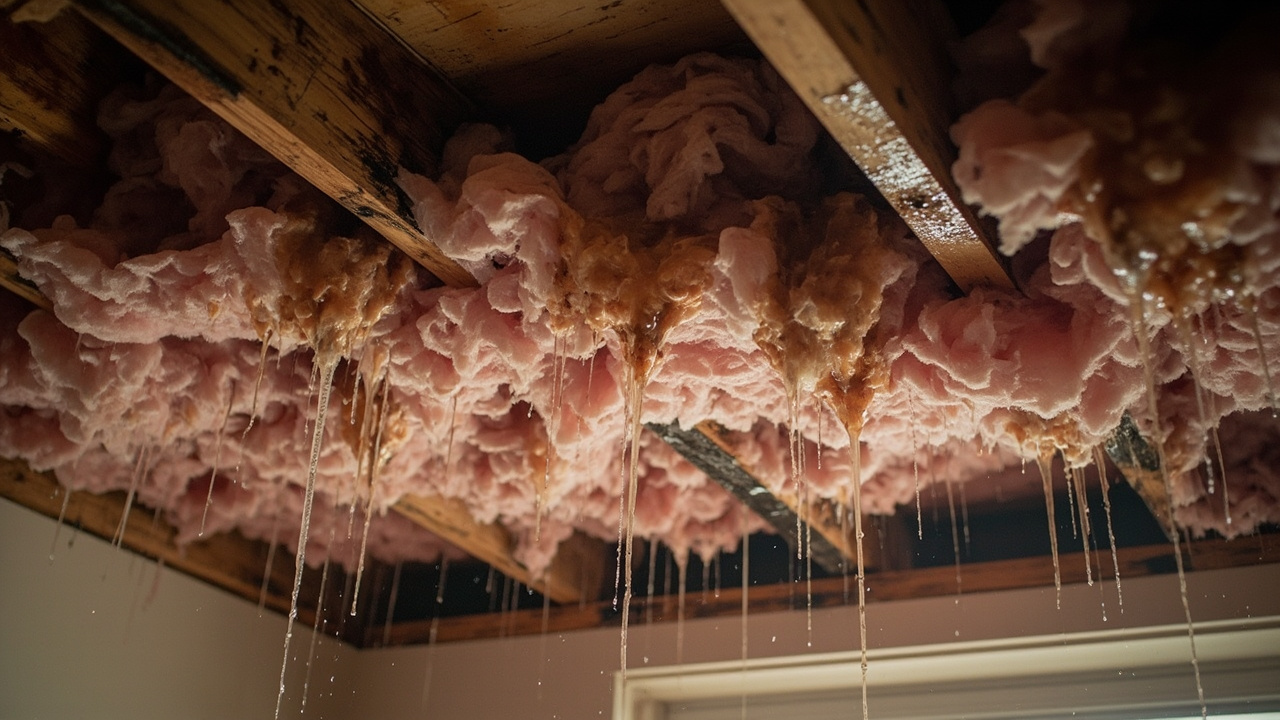
Providence's cold, wet winters and humid summers create the perfect conditions for soggy insulation. You might notice higher heating bills, musty odors in your attic, or visible water stains on your ceilings. These are red flags that water has infiltrated your insulation barrier.

The issue often starts with ice dams on older roofs, especially in neighborhoods like Federal Hill and College Hill where historic homes have steep rooflines and minimal attic ventilation. When snow melts and refreezes at the eave line, water backs up under shingles and saturates attic insulation. By the time you notice a ceiling stain in your bedroom, the insulation above has been soaked for weeks.

Plumbing leaks contribute too. Providence's aging housing stock means older copper pipes and cast iron drains. A slow leak from a second-floor bathroom can drench wall insulation without leaving obvious evidence until the drywall buckles. Damp insulation loses its R-value immediately. A soaked batt that should insulate at R-19 drops to near zero, forcing your furnace to work overtime.

Water damaged insulation also breeds mold within 48 hours. The cellulose and fiberglass provide organic material, and the moisture creates ideal growth conditions. You may smell it before you see it. If your HVAC system circulates air through a contaminated attic, you are breathing spores throughout your home.

Ignoring saturated insulation does not just waste energy. It accelerates structural rot in roof decking and wall studs, creates health risks, and tanks your property value. The fix requires more than throwing a tarp on the roof.

Why Providence Homes Develop Soggy Insulation Problems
How We Remove and Replace Wet Insulation the Right Way

How We Remove and Replace Wet Insulation the Right Way

Atlas Water Damage Restoration Providence does not just pull out soaked batts and call it done. We treat soggy insulation as a symptom of a larger moisture intrusion problem. Our process starts with identifying the water source, whether it is a leaking roof valley, a burst supply line, or condensation from poor attic ventilation.

We use thermal imaging cameras to map the full extent of water migration. Wet insulation often spreads farther than visible stains suggest. The camera shows cold spots where soaked material has lost insulating capacity, even if it looks dry on the surface. This prevents us from missing hidden pockets of moisture that will grow mold after we close the wall.

Removal is surgical. We contain the work area with plastic sheeting to prevent contamination of living spaces. Soaked fiberglass and cellulose go into contractor bags and leave your property the same day. We do not let saturated material sit in your driveway for a week. If mold is present, we apply antimicrobial treatments to exposed framing before installing new insulation.

We measure moisture content in all structural lumber using pin meters. Wood studs and rafters must read below 16 percent moisture before we insulate. Installing new batts over damp framing traps moisture and accelerates rot. We may run commercial dehumidifiers and air movers for 48 to 72 hours to bring framing moisture down to acceptable levels.

New insulation is matched to your climate zone and building code requirements. In Providence, that typically means R-38 in attics and R-19 in exterior walls. We use kraft-faced batts in walls to provide a vapor barrier on the warm side. We also verify attic ventilation is adequate to prevent future condensation issues.

What Happens When You Call About Soggy Insulation

Soggy Insulation in Providence – Expert Diagnosis and Permanent Repair for Water Damaged Homes
01

Emergency Assessment and Containment

We arrive within hours to assess the damage scope and stop active water intrusion. Our technicians use moisture meters and thermal cameras to map affected areas and determine whether the insulation is salvageable or must be removed immediately. If the source is a burst pipe or active roof leak, we implement temporary containment measures to prevent additional saturation while we plan the full remediation.
02

Complete Material Removal

Contaminated insulation is bagged and removed from your property the same day. We do not leave water damaged materials on site to off-gas or grow mold. All exposed framing is inspected for structural damage and tested for moisture content. We apply antimicrobial treatments if microbial growth is detected. This phase includes drying the cavity with commercial equipment until wood moisture drops below safe thresholds.
03

Installation and Final Verification

New insulation is installed to meet or exceed code requirements for your climate zone. We use proper vapor barrier placement and ensure no gaps or compression that reduce R-value. Final moisture readings confirm all materials are dry before closeout. You receive documentation showing moisture levels, insulation type, and R-value installed. We also identify and recommend repairs to prevent recurrence, whether it is roof flashing or attic ventilation upgrades.

Why Providence Homeowners Trust Our Insulation Restoration Work

Atlas Water Damage Restoration Providence has handled countless soggy insulation cases in every neighborhood from Fox Point to Mount Pleasant. We understand the quirks of Providence's housing stock. Triple-deckers built in the 1920s have different vulnerabilities than post-war Cape Cods. Historic homes in the Elmhurst and Wayland neighborhoods often have no vapor barriers at all, which means moisture management is critical during any restoration.

We know local building codes and work with inspectors regularly. If your project requires permits, we handle the paperwork and coordinate inspections. We also understand the realities of working in densely packed neighborhoods where access is tight and noise ordinances matter. Our crews respect your property and your neighbors.

Our technicians are trained in both water damage mitigation and insulation best practices. That dual expertise matters because most insulation contractors do not understand mold remediation protocols, and most water damage crews do not know proper insulation installation techniques. We bridge that gap. You get a team that can diagnose the water source, dry the structure properly, and restore thermal performance without leaving vulnerabilities for future moisture problems.

We also work directly with insurance carriers. If your soggy insulation resulted from a covered peril like a burst pipe or storm damage, we document everything needed for your claim. We provide detailed moisture maps, photo documentation, and itemized scope sheets. Many homeowners do not realize their policy covers not just water extraction but also the full cost of replacing contaminated insulation and drying structural components.

Choosing a local provider means accountability. We live and work in the Providence metro. Our reputation depends on doing the job correctly the first time. You will not get a call center or a franchise employee from out of state.

What to Expect When You Hire Us for Insulation Restoration

Response Time and Availability

We offer same-day response for soggy insulation emergencies in Providence. If you call before noon, we typically arrive that afternoon. Our crews work seven days a week because water damage does not wait for business hours. During winter months when ice dams and frozen pipe bursts spike, we scale our staffing to handle increased call volume. You get a realistic arrival window when you call, not a vague promise. For non-emergency situations, we schedule assessments within 24 to 48 hours and provide written estimates within two business days of the inspection.

Initial Inspection and Moisture Mapping

Our assessment includes thermal imaging, moisture meter readings at multiple depths, and visual inspection of all accessible areas. We do not just look where the stain is visible. We check adjacent wall cavities, ceiling joists, and attic spaces to map the full migration path of the water. You receive a written report that includes moisture content readings, photographic documentation, and a detailed scope of work. We explain what needs to be removed, what can be dried in place, and what underlying issues must be corrected to prevent recurrence. This is not a five-minute walkthrough. Expect the assessment to take 45 minutes to an hour.

Quality of Materials and Installation

We use insulation products rated for Rhode Island's climate zone and match or exceed the R-values required by current building codes. Fiberglass batts are installed without compression or gaps. Blown cellulose is applied at the correct density to prevent settling. Vapor barriers are positioned correctly based on your wall assembly type. We do not use the cheapest product available or cut corners to speed installation. You get materials that will perform for decades. All work is completed by technicians who understand building science, not day laborers who learned the trade yesterday. The finished installation passes third-party inspection.

Documentation and Follow-Up Verification

You receive a closeout report that includes final moisture readings, photographs of the completed work, and documentation of all materials installed. This package is critical if you are filing an insurance claim or selling your home in the future. We also provide guidance on monitoring for signs of recurrence, such as condensation patterns or musty odors. If you experience any concerns within the first 30 days after completion, we return to verify the work at no charge. Our goal is permanent resolution, not a temporary patch that fails next winter.

Frequently Asked Questions

You Have Questions,
We Have Answers

Will wet insulation ever dry out? +

Wet insulation rarely dries properly on its own. Fiberglass and cellulose absorb water like a sponge and hold moisture against framing, drywall, and subflooring. In Providence's humid climate, this trapped moisture creates ideal conditions for mold growth within 24 to 48 hours. Even if the surface feels dry, interior moisture remains. Compressed wet insulation also loses its R-value permanently. You need to remove saturated material, dry structural cavities with commercial air movers and dehumidifiers, and replace damaged insulation. Relying on air circulation alone invites hidden mold colonies and wood rot throughout your home.

How to fix wet insulation? +

First, identify and stop the water source. This could be a roof leak, burst pipe, foundation seepage, or condensation buildup common in Providence basements. Remove all wet insulation immediately because it cannot be salvaged. Pull back drywall or flooring if needed to access hidden areas. Use commercial dehumidifiers and air movers to dry structural framing, studs, and joists to below 15 percent moisture content. Treat any visible mold with antimicrobial solutions. Inspect for wood rot or structural damage. Once fully dry, install new insulation rated for your application and ensure proper vapor barriers to prevent future moisture intrusion.

Why is my insulation getting wet? +

Common causes include roof leaks from ice dams or missing shingles, plumbing failures behind walls, foundation cracks allowing groundwater seepage, and condensation from poor attic ventilation. Providence homes face frequent freeze-thaw cycles that crack flashing and mortar joints. Bathroom and kitchen exhaust fans venting into attics instead of outdoors dump humid air directly onto insulation. Clogged gutters overflow during rainstorms and saturate exterior walls. HVAC ductwork sweating in unconditioned crawlspaces drips onto floor insulation. Basement humidity from the water table wicks upward into rim joists. Pinpointing your specific source requires inspection of vulnerable building envelope transitions.

Will mold grow on wet insulation? +

Yes. Mold spores colonize wet insulation within 24 to 48 hours in Providence's humid conditions. Fiberglass, cellulose, and spray foam all provide organic material and moisture that mold needs to thrive. You cannot see mold growing inside wall cavities or under subfloors until it spreads to visible surfaces. Wet insulation against wood framing also fuels rot and structural decay. Once mold establishes, it releases airborne spores throughout your HVAC system, affecting indoor air quality and triggering respiratory issues. Wet insulation must be removed immediately. Surface cleaning or drying attempts leave hidden colonies that continue spreading behind finished walls.

How Providence's Freeze-Thaw Cycles and Coastal Humidity Make Soggy Insulation Inevitable Without Proper Prevention

Providence sits at the convergence of two moisture threats. Winter brings repeated freeze-thaw cycles that create ice dams on roofs, especially on north-facing slopes that stay shaded. When temperatures swing from 15 degrees at night to 38 degrees during the day, melting snow refreezes at the eaves and forces water under shingles. That water soaks attic insulation before dripping through ceilings. Summer humidity compounds the issue. Coastal moisture from Narragansett Bay pushes indoor humidity above 60 percent in homes without dehumidification. Warm, moist air infiltrating a cool attic or exterior wall cavity condenses on framing and saturates insulation from the inside. These dual seasonal threats make Providence one of the most challenging climates for maintaining dry insulation.

Local building codes in Providence have evolved to address these moisture challenges, but many older homes predate modern vapor barrier requirements and attic ventilation standards. Atlas Water Damage Restoration Providence works regularly with the city's building inspection department and understands current code requirements for insulation replacement projects. We also maintain relationships with local roofing and HVAC contractors, which allows us to coordinate comprehensive solutions when your soggy insulation problem stems from poor roof drainage or inadequate ventilation. Choosing a provider with deep local roots means you get a team that knows which solutions actually work in this climate and which shortcuts will fail in two years.

Water Damage Restoration Services in The Providence Area

We are proud to serve the entire Providence area and its surrounding communities. Our strategically located team allows us to provide a fast and reliable response to any water damage emergency, no matter where you are. We invite you to view our service area on the map below to confirm that we are able to reach you quickly. If you are in need of immediate assistance or have questions about our service coverage, please don't hesitate to give us a call at any time.

Address:
Atlas Water Damage Restoration Providence, 12 Eagle St, Providence, RI, 02908

Additional Services We Offer

Our news updates

Latest Articles & News from The Blogs

Why your Pawtucket basement smells like sewage every time it rains If your basement smells like sewage every time it…

Why your Pawtucket basement smells like sewage every time it rains

Why your Pawtucket basement smells like sewage every time it rains If your basement smells like sewage every time it…

Choosing between a sump pump and an ejector pump for your basement in Johnston

Choosing between a sump pump and an ejector pump for your basement in Johnston A flooded basement in Johnston can…

How to get rid of the chemical smell after water damage cleanup in your Smith Hill apartment

How to get rid of the chemical smell after water damage cleanup in your Smith Hill apartment If you are…

Contact Us

Soggy insulation gets worse every day you wait. Call Atlas Water Damage Restoration Providence now at (401) 262-8400 for same-day assessment and permanent repair. We document everything for your insurance claim and restore your home's thermal barrier correctly.