Menu

Visible Mold Growth on Walls in Providence | Expert Diagnosis and Safe Removal That Stops It from Coming Back

Our certified technicians identify the moisture source behind your visible mold growth on walls, eliminate contaminated materials safely, and remediate the conditions that let black mold spots on drywall and fungal growth on wall surfaces thrive in Providence homes.

Slider Image 1
Slider Image 2
Slider Image 3
Slider Image 4
Slider Image 5
Slider Image 7
Slider Image 8
Slider Image 9
Slider Image 10
Slider Image 11

Why Providence Homes Develop Black Mold Spots on Drywall and Wall Surface Fungus

You walk past that corner in the bedroom every day. The dark patches started small. Now they spread across the drywall like a slow stain you cannot scrub away. The musty smell hits you when you open the door. You wonder if you are breathing something dangerous.

Providence sits at the convergence of the Woonasquatucket, Moshassuck, and Providence Rivers. This geography traps humidity inside the bowl-shaped terrain surrounding downtown and the East Side. When exterior moisture combines with poor attic ventilation or hidden plumbing leaks behind walls, you get the perfect breeding ground for visible mildew on painted walls and mold patches on sheetrock.

The triple-decker homes and older Victorians in Fox Point, Federal Hill, and Elmhurst were built before modern vapor barriers became standard. Water vapor migrates through plaster and lath walls during Rhode Island's muggy summers. Cold corners form condensation during winter. Add a slow roof leak or a dripping supply line inside the wall cavity, and you have a wall mold infestation within 48 hours.

Most people try bleach first. The spots lighten temporarily. Then they return darker and wider because bleach only kills surface spores. The real problem lives inside the wall cavity where moisture feeds the colony. Mold produces mycotoxins and releases spores into your breathing air. Children, elderly family members, and anyone with asthma face the highest risk.

You need someone who finds the water source, removes contaminated materials, and dries the structure correctly so fungal growth on wall surfaces does not come back.

Why Providence Homes Develop Black Mold Spots on Drywall and Wall Surface Fungus
How Atlas Water Damage Restoration Providence Eliminates Mold at the Source

How Atlas Water Damage Restoration Providence Eliminates Mold at the Source

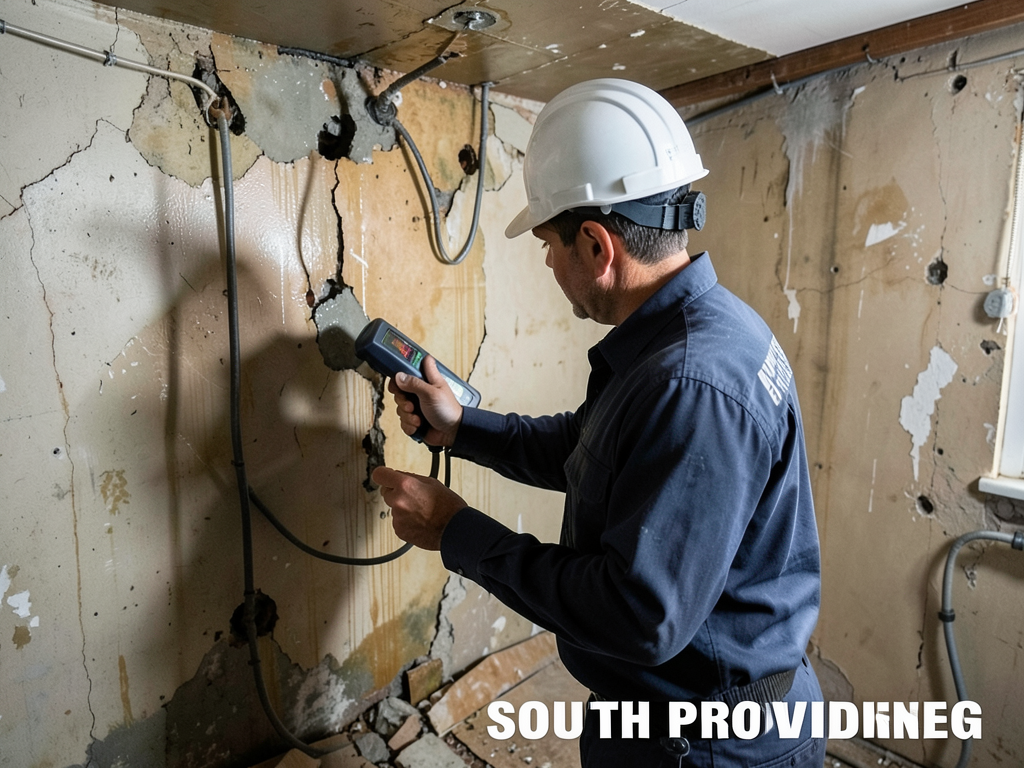
We do not spray and pray. We follow IICRC S520 remediation protocols that treat mold growth as a symptom of a larger moisture problem. Our process starts with moisture mapping using thermal imaging cameras and pin-type moisture meters. We measure relative humidity in wall cavities and check for hidden leaks behind baseboards and around window casings.

Once we locate the water intrusion point, we establish containment barriers using polyethylene sheeting and negative air pressure to prevent cross-contamination into clean areas of your home. We remove affected drywall, insulation, and trim materials according to EPA guidelines for mold remediation. Surface cleaning does not work when mold penetrates porous materials like paper-faced gypsum board.

After demolition, we treat framing members and studs with antimicrobial solutions, then deploy commercial dehumidifiers and air movers to bring wood moisture content below 15 percent. This drying phase typically takes three to five days depending on the extent of water damage. We verify dryness with moisture readings before any reconstruction begins.

We also address the original failure point. If a leaking roof valley allowed water to run down inside your wall, we coordinate with roofers to fix the flashing before we close up the wall. If a pinhole leak in copper supply piping caused the problem, we replace the damaged section and pressure test the system. If condensation from an uninsulated cold water line created the issue, we insulate the pipe and improve ventilation.

This approach stops recurrence. You get documentation, moisture readings, and a clear explanation of what failed and how we fixed it.

What Happens During Your Mold Remediation Service

Visible Mold Growth on Walls in Providence | Expert Diagnosis and Safe Removal That Stops It from Coming Back
01

Inspection and Moisture Mapping

We arrive within hours of your call and use thermal cameras to scan walls for temperature differentials that indicate hidden moisture. Pin-type meters give us exact readings inside wall cavities. We trace plumbing lines, check attic insulation for roof leaks, and inspect crawl spaces for groundwater intrusion. You get a written assessment that identifies the water source and the full extent of microbial growth.
02

Containment and Safe Removal

We seal off the work area with plastic barriers and run HEPA-filtered negative air machines to create lower air pressure inside the containment zone. This prevents mold spores from spreading into your living spaces during demolition. We remove contaminated drywall, insulation, and baseboards, then bag and dispose of materials according to Rhode Island Department of Health regulations. All surfaces get HEPA vacuumed before antimicrobial treatment.
03

Drying and Reconstruction Prep

We place industrial dehumidifiers and air movers to dry wall cavities, studs, and subfloors to below 15 percent moisture content. Daily monitoring ensures complete dryness before reconstruction. We treat exposed wood framing with antimicrobial solutions and encapsulants. Once we verify dryness with final moisture readings, we clear the space for reconstruction. You receive documentation showing before and after moisture levels for insurance claims.

Why Providence Homeowners Choose Local Remediation Experts

Providence has unique building stock. The triple-deckers in South Providence and the historic homes on the East Side were built between 1880 and 1920. These structures use balloon framing, plaster walls, and minimal insulation. Water travels differently through these assemblies compared to modern platform-framed homes with drywall and fiberglass batts.

We know how to work inside these older buildings without compromising structural integrity. We understand where water hides in plaster-and-lath wall systems. We know that removing baseboards in a Federal Hill Victorian requires different techniques than popping trim in a 1990s ranch in Warwick.

Atlas Water Damage Restoration Providence works directly with local insurance adjusters who handle claims throughout Providence County. We document damage with photo evidence, moisture logs, and detailed scope-of-work reports that meet carrier requirements. This speeds up approval and gets you paid faster.

We also understand Rhode Island's humid climate. Summer dew points regularly hit 65 to 70 degrees. Homes without adequate dehumidification will grow mold even without an active leak. We recommend whole-home dehumidifiers for basements and crawl spaces, and we identify ventilation problems that create condensation on cold surfaces during winter months.

You are not hiring a franchise that uses out-of-state technicians who learn your building on the job. You are hiring a local team that has remediated hundreds of Providence homes and knows exactly where problems hide in your neighborhood's housing stock.

Our technicians live in Providence. They understand the quirks of these homes because they own them too.

What You Can Expect During Mold Remediation

Response Time and Availability

We dispatch a technician to your property within two hours of your call, seven days a week. Mold spreads quickly once conditions are right, and delaying remediation gives colonies more time to release spores and penetrate deeper into wall cavities. Our inspection typically takes 60 to 90 minutes. You get a written assessment the same day that outlines the water source, the affected areas, and the recommended scope of work. If you approve the scope, we can often begin containment and demolition the following morning. Emergency situations like sewage backups or active flooding get immediate containment to prevent additional damage.

How the Inspection and Assessment Work

Our lead technician walks the entire property with thermal imaging and moisture detection equipment. We check behind furniture, inside closets, and along exterior walls where condensation forms during winter. We lift carpets to inspect subfloors, and we check attic spaces for roof leaks that run down wall cavities. If you have a basement or crawl space, we inspect foundation walls and rim joists for groundwater intrusion. The goal is to find every moisture source and every area of microbial growth so nothing gets missed. You receive photos, moisture readings, and a clear explanation of what caused the problem and what it takes to fix it properly.

What the Final Result Looks Like

When we finish, you have a completely dry structure with moisture levels documented below 15 percent. All contaminated materials are removed and disposed of legally. Wall cavities, studs, and framing are treated with antimicrobial solutions and ready for insulation and drywall. You receive a certificate of completion with final moisture readings, photos of treated areas, and a summary of all work performed. The space is clean, dry, and safe for reconstruction. If you need referrals for drywall contractors or painters, we provide names of trusted local tradespeople who understand the standards required after remediation work.

Follow-Up and Ongoing Prevention

We provide recommendations for preventing future mold growth, including dehumidifier placement, ventilation improvements, and gutter maintenance. If your home has chronic humidity problems, we can install a whole-home dehumidification system tied into your HVAC. We also offer annual moisture inspections for homeowners in high-risk areas like basements and crawl spaces. If you notice new moisture problems or suspect hidden leaks, we come back to reassess at no charge within the first 90 days after completion. Our goal is to solve the problem permanently, not just treat the symptoms and hope it does not come back.

Frequently Asked Questions

You Have Questions,
We Have Answers

What to do if I see mold on my wall? +

Stop touching it. Mold spores spread when disturbed. First, identify the moisture source. Check for leaks, condensation, or high humidity common in Providence homes near the Providence River or Narragansett Bay. Ventilate the room and keep humidity below 50 percent. Do not bleach it yourself. Bleach kills surface mold but does not remove root systems in porous materials like drywall. If the affected area exceeds 10 square feet, you need professional remediation. Small patches under 10 square feet can be cleaned with detergent and water, but the moisture problem must be fixed or mold returns.

Can mold make a baby cough? +

Yes. Mold spores irritate developing airways. Babies breathe faster than adults, inhaling more spores per pound of body weight. Common symptoms include persistent coughing, wheezing, nasal congestion, and respiratory distress. Providence homes built before 1950 often have poor ventilation and aging plumbing, which creates mold-friendly conditions. If your baby coughs more at home than elsewhere, inspect walls, ceilings, and corners for visible growth or musty odors. Remove the child from the affected room immediately. A pediatrician can assess respiratory symptoms, but mold removal requires professional remediation to prevent recurrence and protect your family.

Can mold cause twitching? +

Possibly. Mycotoxins from certain mold species affect the nervous system. Symptoms include muscle twitching, tremors, numbness, and tingling. Black mold produces trichothecenes, which disrupt neurotransmitter function. However, twitching has many causes. See a doctor first to rule out deficiencies, neurological conditions, or medication side effects. If you notice twitching started after moving into a Providence home or after water damage, inspect basements, crawl spaces, and wall cavities. High humidity from coastal weather worsens mold growth. Document your symptoms and timing. Professional mold testing identifies species and airborne spore counts to determine exposure levels.

Does black mold affect pregnancy? +

Yes. Pregnant women face higher risk from mold exposure. Mycotoxins cross the placental barrier and may affect fetal development. Studies link mold exposure to preterm birth, low birth weight, and respiratory issues in newborns. Pregnancy weakens immune response, making mothers more susceptible to infections and allergic reactions. Providence homes with basement flooding or roof leaks from nor'easters create dangerous mold conditions. If you see mold, leave the area. Do not attempt cleanup while pregnant. Professional remediation removes spores safely without chemical exposure. Address water intrusion immediately. Your health and your baby's health depend on clean air.

What kills mold permanently on walls? +

Nothing kills mold permanently if moisture remains. Mold needs water, organic material, and oxygen. Remove the water source first. Professional remediation involves HEPA vacuuming, antimicrobial treatments, and removing contaminated materials like drywall or insulation. Bleach only works on non-porous surfaces and does not penetrate porous materials where roots grow. Providence homes face high humidity from coastal weather and aging infrastructure. Fix leaks, improve ventilation, and maintain humidity below 50 percent. Encapsulation seals surfaces after cleaning, but prevention is key. If moisture returns, mold returns. Address the cause, not just the symptom.

Will mold go away if it dries out? +

No. Dormant mold does not die. It goes inactive. When moisture returns, spores reactivate and colonize again within 24 to 48 hours. Dry mold is still dangerous. Disturbing it releases airborne spores that cause respiratory problems, allergic reactions, and asthma attacks. Providence homes experience seasonal humidity swings and coastal moisture infiltration. Even if a wall looks dry, mold roots penetrate deep into drywall, insulation, and framing. Drying the surface does not remove the contamination. Professional remediation removes affected materials and treats root systems. Ignoring dormant mold allows it to spread when conditions change.

What are the first signs of mold sickness? +

Respiratory symptoms appear first. Watch for persistent coughing, sneezing, wheezing, nasal congestion, and throat irritation that worsens indoors. Eye irritation, headaches, and fatigue follow. Skin rashes and itching occur from direct contact or airborne exposure. Providence residents often mistake mold sickness for seasonal allergies due to coastal pollen. If symptoms improve when you leave home and return when you come back, suspect mold. Chronic exposure leads to asthma, bronchitis, and immune suppression. Children, elderly, and immunocompromised individuals show symptoms faster. Do not wait. Inspect your home for visible growth, musty odors, or water stains.

Can air purifiers remove mold spores? +

Air purifiers capture airborne spores but do not remove mold growth. HEPA filters trap particles as small as 0.3 microns, including most mold spores. This reduces airborne concentration and limits spread to other rooms. However, purifiers do not address the source. Mold colonies on walls, ceilings, or behind drywall continue releasing spores. Providence homes with poor ventilation benefit from purifiers as a temporary measure during remediation. Use purifiers alongside professional mold removal, not as a replacement. Fix moisture problems, remove contaminated materials, and then use purifiers to maintain air quality. Surface cleaning alone leaves roots intact.

How to test your house for mold? +

Start with a visual inspection. Check basements, bathrooms, crawl spaces, attics, and areas near plumbing. Look for discoloration, water stains, peeling paint, or musty odors. Providence homes near the Woonasquatucket River or Moshassuck River face higher moisture risk. If you see visible growth or smell mold but cannot locate it, hire a certified mold inspector. They use moisture meters, thermal imaging, and air sampling to detect hidden growth behind walls or under flooring. DIY test kits are unreliable. Professional testing identifies species and spore counts, which guide remediation. Do not disturb suspected mold before testing.

Is brain damage from mold reversible? +

Sometimes. Brain damage from mold-related mycotoxin exposure depends on severity and duration. Mycotoxins cause neuroinflammation, memory problems, brain fog, and mood changes. Early intervention improves outcomes. Remove yourself from exposure immediately. Medical detox protocols, antioxidants, and anti-inflammatory treatments support recovery. Some patients regain cognitive function within months. Chronic or severe exposure may cause lasting damage. Providence residents exposed to black mold after flooding or prolonged leaks face higher risk. See a neurologist and environmental medicine specialist. Document symptoms and exposure history. Professional mold remediation stops further harm. Recovery requires both medical treatment and eliminating the source.

How Providence's River Valley Geography Creates Hidden Mold Problems

Providence sits in a natural bowl where three rivers converge before flowing into Narragansett Bay. This topography traps humid air, especially during summer months when dew points climb into the upper 60s. Homes in low-lying neighborhoods like Olneyville, Valley, and along the Woonasquatucket see higher indoor humidity than properties on the East Side's hills. When warm, moist air contacts cold wall surfaces during air conditioning season, condensation forms inside wall cavities. Add an older home with no vapor barrier, and you get visible mold growth on walls within days of the right conditions. The river valley geography makes Providence particularly vulnerable to moisture problems that other Rhode Island communities farther from waterways avoid.

Atlas Water Damage Restoration Providence has remediated mold in hundreds of triple-deckers, Victorians, and historic homes across the city. We understand how plaster walls behave differently than drywall, and we know where water hides in balloon-framed structures common to pre-1920 construction. Local building inspectors and insurance adjusters recognize our documentation standards, which speeds approvals and gets your claim processed faster. We work with Rhode Island licensed plumbers, roofers, and contractors who meet the same standards we hold ourselves to. Choosing a local team means you get people who know your home's construction type and the specific challenges Providence's climate creates.

Water Damage Restoration Services in The Providence Area

We are proud to serve the entire Providence area and its surrounding communities. Our strategically located team allows us to provide a fast and reliable response to any water damage emergency, no matter where you are. We invite you to view our service area on the map below to confirm that we are able to reach you quickly. If you are in need of immediate assistance or have questions about our service coverage, please don't hesitate to give us a call at any time.

Address:
Atlas Water Damage Restoration Providence, 12 Eagle St, Providence, RI, 02908

Additional Services We Offer

Our news updates

Latest Articles & News from The Blogs

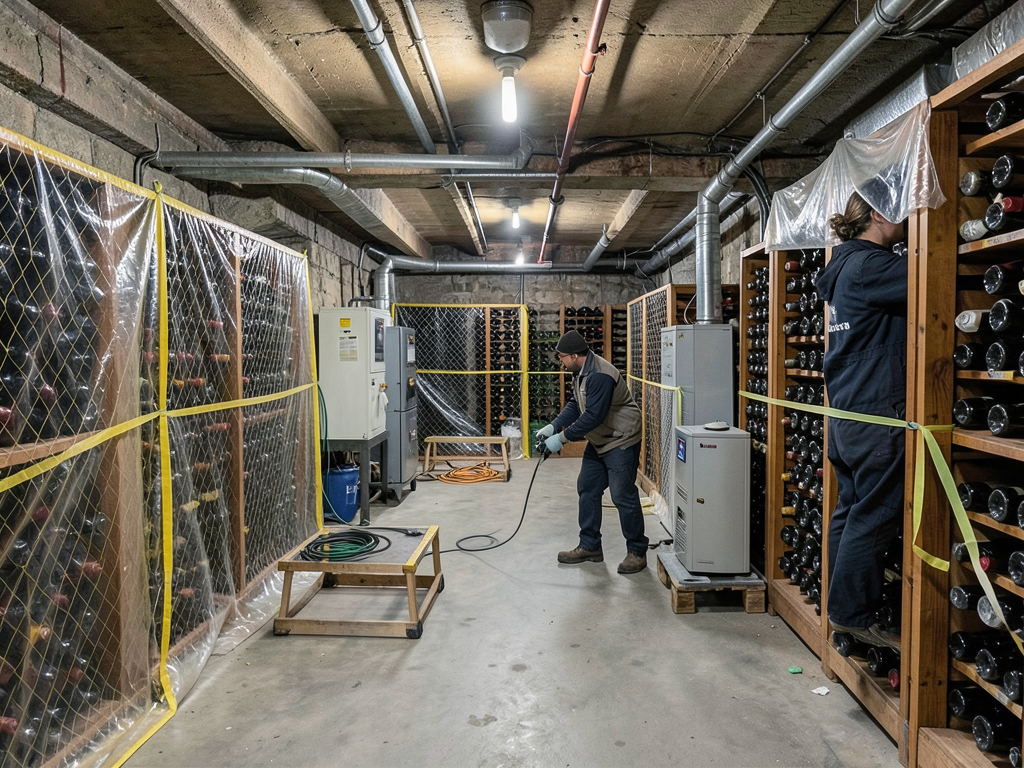
Protecting a basement wine cellar from moisture and mold in a Wayland Square home Basement wine cellars in Providence’s Wayland…

Protecting a basement wine cellar from moisture and mold in a Wayland Square home

Protecting a basement wine cellar from moisture and mold in a Wayland Square home Basement wine cellars in Providence’s Wayland…

How high water pressure might be ruining the pipes in your Mount Pleasant home

How high water pressure might be ruining the pipes in your Mount Pleasant home High water pressure is a silent…

Why your drains smell like sulfur after a heavy storm in South Providence

Why Your Drains Smell Like Sulfur After a Heavy Storm in South Providence Heavy storms in South Providence often leave…

Contact Us

Call Atlas Water Damage Restoration Providence at (401) 262-8400 right now for a same-day inspection. We identify the water source, map the full extent of contamination, and give you a written plan to eliminate mold safely and permanently.