


Smithfield sits in the Blackstone River Valley where seasonal flooding, heavy snowmelt, and Rhode Island's infamous nor'easters create perfect conditions for water intrusion. Homes near the Woonasquatucket River and Stillwater Reservoir face elevated groundwater tables that push moisture through basement foundations, particularly in neighborhoods with older construction along Route 44 and Farnum Pike. The town's clay-heavy soil drains poorly, causing water to pool around foundations after heavy rain. Spring thaw cycles freeze and crack foundation walls, creating entry points for water during the next storm cycle.
Many Smithfield properties were built before modern waterproofing standards took effect. Crawl spaces in split-level homes common throughout Greenville and Georgiaville trap moisture, creating environments where mold colonizes within 24 to 48 hours. Ice dams form on the steep-pitched roofs typical of New England architecture, forcing snowmelt under shingles and into attic spaces. The combination of aging infrastructure, challenging geography, and Rhode Island's humid continental climate means water damage in Smithfield requires immediate professional intervention, not DIY fixes that allow hidden moisture to compromise structural integrity.
Atlas Water Damage Restoration Providence operates from our Providence base with dedicated service coverage throughout northern Rhode Island, maintaining response times under one hour for Smithfield emergencies. We understand the specific challenges that affect homes in your area because we've restored properties from Apple Valley to Spragueville, dealing with the same foundation types, soil conditions, and weather patterns that affect your neighborhood.
Our technicians hold IICRC certifications in Water Damage Restoration and Applied Structural Drying, not just basic training certificates. We invest in truck-mounted extraction systems that remove standing water faster than portable shop vacuums, industrial-grade dehumidifiers calibrated for Rhode Island's humidity levels, and thermal imaging cameras that detect moisture hidden inside walls and under flooring. This equipment sits ready in our trucks, not rented when disaster strikes.
We work directly with every major insurance carrier serving Rhode Island. Our estimators document damage using Xactimate software, the same platform insurance adjusters use, which eliminates disputes over scope and pricing. We handle the entire claims process, from initial moisture readings to final verification testing, so you deal with restoration, not paperwork.
Most water damage companies subcontract demolition, drying, and reconstruction to separate crews. Atlas handles the complete restoration cycle with our own employees. Your project manager on day one is the same person who signs off when your home is fully restored. This continuity prevents communication breakdowns, ensures quality control, and gets you back to normal life weeks faster than fragmented approaches.

We dispatch from Providence to Smithfield in under one hour, 24 hours a day, 365 days a year. Our trucks carry extraction equipment, containment barriers, and drying equipment so mitigation starts the moment we arrive. Faster response means less damage, lower restoration costs, and reduced displacement time for your family.

We document every aspect of your water damage using the same Xactimate software your insurance adjuster uses. Our estimators photograph damage, log moisture readings, and create detailed scope reports that insurance carriers accept without dispute. You get maximum coverage with minimum stress because we speak their language fluently.
Every technician on your property holds current certification from the Institute of Inspection, Cleaning and Restoration Certification. These aren't generic cleaning crews. They're trained specifically in water damage restoration, structural drying science, and microbial remediation. You get expert-level service during your emergency, not on-the-job training.
We've restored homes throughout Smithfield's diverse neighborhoods, from riverside properties near Stillwater to hillside homes in Greenville. We understand how local soil composition affects drainage, how your home's foundation type influences moisture migration, and which building materials were common when your neighborhood was developed. Local knowledge speeds diagnosis and restoration.
Atlas Water Damage Restoration Providence handles every type of water intrusion event affecting Smithfield homes and commercial properties. Water damage restoration encompasses a complete spectrum of services, from emergency water extraction and structural drying to mold remediation and full reconstruction. We categorize our water damage response based on water source classification and contamination level, which determines the equipment, safety protocols, and restoration approach required.
Clean water from supply lines demands different treatment than floodwater carrying sewage or chemical contaminants. Hardwood floors require different drying protocols than wall-to-wall carpeting. Finished basements need moisture mapping to detect saturation hidden behind drywall. Our comprehensive service structure addresses these variables, ensuring your specific situation receives the appropriate restoration response.
We maintain specialized equipment for each service category. Truck-mounted extraction units remove standing water from flooded basements. Desiccant dehumidifiers dry structural components to acceptable moisture content. Hydroxyl generators neutralize odors without forcing you to vacate during treatment. This depth of capability means you work with one company through the entire restoration, from the initial emergency call to final walkthrough, instead of coordinating multiple contractors who may conflict on scheduling, liability, or scope.
When water invades your property, extraction speed determines total damage. Our truck-mounted pumps remove thousands of gallons per hour from flooded basements, crawl spaces, and commercial facilities. We extract standing water from carpets, padding, and subflooring, then deploy air movers and dehumidifiers to prevent secondary damage. Emergency water removal includes moisture mapping, photo documentation for insurance claims, and immediate protection of salvageable contents. This service stops damage progression and creates the foundation for complete structural drying.
Visible water is only part of the problem. Moisture absorbed into framing lumber, insulation, and drywall creates conditions for mold growth and wood rot within days. Our structural drying service uses calibrated dehumidifiers, targeted air movement, and daily moisture monitoring to bring building materials back to acceptable levels. We measure moisture content in walls, ceilings, and floors using non-invasive meters, adjusting equipment placement based on data rather than guesswork. Proper structural drying prevents mold, preserves structural integrity, and prepares surfaces for reconstruction without long delays.
Water damage often requires removal of drywall, flooring, and damaged building materials. Our full restoration service handles demolition, reconstruction, and finish work using licensed contractors who match existing materials and finishes. We replace water-damaged drywall, install new flooring, rebuild cabinetry, and repaint affected areas. Full restoration returns your property to pre-loss condition, coordinating all trades from plumbing repairs to electrical work. You work with one project manager who oversees the entire process, ensuring quality control and timeline adherence from initial damage through final completion.
Smithfield's location in the Blackstone Valley creates recurring water intrusion patterns that affect homes throughout the town. Properties near waterways face different challenges than hillside homes, but Rhode Island's freeze-thaw cycles, heavy precipitation, and aging housing stock create universal vulnerabilities. Understanding these common problems helps homeowners recognize warning signs before minor moisture issues become major restoration projects.
Many water damage events start small. A slow leak behind a washing machine goes unnoticed until mold appears on adjacent walls. Ice dams form gradually during winter, but the resulting water damage appears suddenly when temperatures rise. Foundation cracks develop over years of freeze-thaw stress, then allow rapid water entry during a single heavy rain event. The homes most affected are those where early warning signs were missed or dismissed as minor concerns. These problems are preventable when addressed early, but all require professional water damage restoration once active intrusion occurs.
Smithfield's high water table and clay soil create hydrostatic pressure against basement foundations, particularly after spring snowmelt and nor'easters. Water seeps through foundation cracks, pushes through mortar joints, and floods crawl spaces. Homes in low-lying areas near the Woonasquatucket River experience recurring groundwater intrusion that requires professional extraction and permanent waterproofing solutions to prevent repeated flooding.
Rhode Island winters stress aging plumbing systems throughout Smithfield's older housing stock. Copper pipes corrode, galvanized steel lines fail, and frozen supply lines burst without warning. A single failed pipe can discharge hundreds of gallons before the main water valve is shut. Supply line failures flood finished basements, damage flooring and drywall, and require immediate professional water extraction to prevent permanent structural damage and mold growth.
Smithfield's steep-pitched colonial and cape-style roofs accumulate heavy snow that melts, refreezes at eaves, and creates ice dams blocking proper drainage. Trapped water backs under shingles, soaks roof decking, and leaks into attic insulation and ceiling cavities. By the time water stains appear on ceilings, significant hidden damage exists within wall cavities and insulation that requires professional moisture detection and structural drying.
Washing machines, dishwashers, and water heaters fail without warning, often discharging water for hours before discovery. A failed water heater in a finished basement can release 40 to 50 gallons, saturating carpeting, drywall, and stored belongings. These failures happen when homes are unoccupied, allowing water to spread throughout finished spaces. Professional water damage restoration prevents permanent material damage and removes moisture that creates mold growth conditions.
Water damage creates stress. Your home is compromised, your belongings are at risk, and you need immediate help from people who know what they're doing. Atlas Water Damage Restoration Providence structures our emergency response to minimize your stress while maximizing property protection. From your initial call to project completion, you'll work with experienced professionals who explain what's happening, what comes next, and what you can expect at each stage.
We answer emergency calls immediately, not through voicemail systems or offshore call centers. You speak directly with a dispatcher who captures essential information about your situation, then coordinates immediate technician dispatch. Our response protocol prioritizes stopping active damage, protecting salvageable contents, and beginning documentation for insurance claims. You won't face long waits, confusing processes, or communication gaps. We treat your emergency as if it were our own home, moving with purpose while keeping you informed throughout the entire restoration.
When you call Atlas Water Damage Restoration Providence, we dispatch a crew to your Smithfield property within 60 minutes. Our technicians arrive with extraction equipment ready, perform a complete damage assessment, and start water removal immediately. We identify the water source, classify contamination level, and document all damage with photos and moisture readings. You receive a clear explanation of what happened, what needs to be done, and what the restoration timeline looks like. We contact your insurance carrier directly from the site, beginning the claims process while extraction is underway.
Your project manager maintains daily contact throughout the drying process and reconstruction phases. We provide moisture reading updates, explain equipment placement decisions, and adjust timelines if conditions require extended drying. You're never left wondering what's happening or when you can return to normal use of your property. We answer questions promptly, explain technical terms in plain language, and ensure you understand every decision that affects your home. If reconstruction is needed, you approve material selections and finishes before work begins.
We don't consider your project complete until moisture readings confirm all structural materials have returned to acceptable levels and you've approved all restoration work. Final walkthroughs include demonstration of moisture meter readings, explanation of any preventive recommendations, and confirmation that your property matches pre-loss condition. We provide complete documentation for your insurance carrier and warranty information for all restoration work. Your approval signature closes the project, not our internal schedule.
Every water damage situation is different, but our restoration process follows proven protocols that protect your property and streamline recovery. This systematic approach ensures nothing gets missed while adapting to your specific damage circumstances.
Your call triggers immediate technician dispatch to your Smithfield location. We gather information about your water damage while our crew loads equipment. Within 60 minutes, technicians arrive ready to extract standing water, contain damage spread, and begin moisture mapping. We photograph all damage, document conditions for insurance claims, and explain our restoration plan. If the water source is still active, we help shut off supply valves or coordinate emergency plumbing repairs. This immediate response stops damage progression and establishes the foundation for successful restoration.
Truck-mounted extraction units remove standing water from all affected areas. We extract moisture from carpeting, remove soaked padding, and pull water from hardwood flooring gaps. Industrial dehumidifiers and air movers create controlled drying conditions calibrated to Rhode Island's humidity levels. Daily moisture readings track drying progress in walls, ceilings, and structural components. We adjust equipment placement based on data, ensuring all materials reach acceptable moisture content before reconstruction begins. This phase typically runs three to five days depending on saturation extent and materials affected.
Once moisture readings confirm complete drying, reconstruction begins. We remove damaged materials that cannot be salvaged, replace drywall, install new flooring, and restore finishes to match existing conditions. Licensed contractors handle specialized trades like electrical work or plumbing repairs. Your project manager coordinates all work, maintains quality control, and keeps you updated on progress. Final walkthrough includes demonstration of moisture readings, warranty documentation, and your approval signature. We provide complete records for insurance claim closure and warranty reference.
Professional water damage restoration follows specific standards developed by the Institute of Inspection, Cleaning and Restoration Certification, the organization that sets industry protocols recognized by insurance carriers and restoration professionals. These standards classify water damage by contamination level and prescribe specific treatment protocols for each category. Understanding these classifications helps property owners recognize why certain restoration approaches are necessary and others are inadequate.
Category 1 water originates from sanitary sources like supply lines or rainwater that hasn't contacted contaminants. This clean water still requires prompt extraction and drying but doesn't demand antimicrobial treatment or extensive material removal. Category 2 water contains biological or chemical contamination, such as washing machine discharge, toilet overflow with urine, or sump pump backups. This gray water requires antimicrobial treatment and affected materials may require disposal rather than cleaning. Category 3 water is grossly contaminated, typically from sewage backups, floodwater, or prolonged Category 2 water that supported microbial growth. Black water demands extensive material removal, antimicrobial treatment, and safety protocols to protect occupants and workers.
Rhode Island building codes require permits for structural work, electrical repairs, and plumbing modifications performed during water damage restoration. Atlas Water Damage Restoration Providence coordinates all permit applications, ensuring restoration work meets current code requirements even if original construction preceded modern standards. This compliance protects your property value and prevents complications during future sale transactions.
The IICRC S500 Standard for Water Damage Restoration establishes moisture content targets for structural materials, equipment placement protocols, and monitoring requirements. Our technicians measure moisture daily using non-invasive moisture meters, thermal imaging cameras, and thermo-hygrometers that track ambient conditions. Structural materials must reach moisture content levels appropriate to Rhode Island's climate zone before reconstruction begins. Rushing this process creates ideal conditions for mold growth within wall cavities, which leads to expensive remediation and potential health concerns.
IICRC standards classify water by contamination level (Category 1, 2, or 3) and damage extent (Class 1 through 4). These classifications determine restoration scope, safety protocols, and material disposal requirements. Category 3 black water requires antimicrobial treatment and extensive material removal. Class 4 damage affecting specialty materials like hardwood or plaster demands longer drying times and specialized equipment. Proper classification ensures appropriate restoration response.
Water damage restoration costs depend on water volume, contamination category, affected materials, and structural damage extent. A clean water supply line failure affecting 500 square feet costs less than sewage backup saturating finished basement spaces. Hardwood floor drying is more complex than vinyl flooring extraction. Insurance coverage varies by policy terms, deductibles, and damage cause. Atlas provides detailed estimates using Xactimate software that insurance adjusters recognize and accept.
Structural drying typically requires three to five days but varies based on materials affected, saturation extent, and ambient conditions. Concrete foundations dry slower than wood framing. Rhode Island's humidity extends drying times compared to arid climates. We monitor moisture daily and adjust equipment based on readings, not arbitrary timelines. Rushing drying creates mold risk. Complete moisture removal prevents secondary damage and ensures successful restoration that won't require remediation later.
Water damage restoration involving structural repairs, electrical work, or plumbing modifications requires permits and inspections in Rhode Island. Work must meet current building codes even if original construction preceded modern standards. Atlas coordinates all permit applications and inspection scheduling, ensuring restoration work passes final inspection and protects your property value. Code-compliant restoration prevents complications during future property transactions and insurance underwriting.
Complete guide to water damage restoration services in Smithfield, Rhode Island. This video explains the professional water damage restoration process including emergency water extraction, structural drying, and full reconstruction. Viewers learn about IICRC restoration standards, insurance coordination, and the specific water damage challenges affecting Smithfield properties including basement flooding, burst pipes, and ice dam leaks. Atlas Water Damage Restoration Providence demonstrates 60-minute emergency response protocols and complete restoration services for northern Rhode Island communities.
Atlas Water Damage Restoration Providence maintains dedicated service coverage throughout Smithfield and surrounding northern Rhode Island communities. We respond to emergencies across all of Smithfield's diverse neighborhoods, from established residential areas near Route 44 to commercial properties along Douglas Pike and newer developments throughout the town's expanding boundaries.
Our service area includes Greenville, Smithfield's largest village and commercial center, where we've restored properties ranging from historic homes near the Woonasquatucket River to modern commercial facilities near the Apple Valley Mall area. We serve Georgiaville, where older housing stock and proximity to waterways create recurring water damage challenges during spring flooding and severe weather events. Esmond residents know our rapid response reputation, particularly for basement flooding issues common in this low-lying area near the Stillwater Reservoir.
The Spragueville area, with its concentration of split-level homes from the 1960s and 1970s, presents unique challenges with crawl space moisture and finished basement flooding that we address regularly. We serve properties throughout Stillwater, where homes built along the reservoir face groundwater intrusion and foundation moisture problems exacerbated by Rhode Island's heavy precipitation and poor soil drainage. The Mountaindale area, despite its elevated position, experiences water damage from ice dams, roof leaks, and burst pipes common to Rhode Island's freeze-thaw cycles.
Our Smithfield service extends to commercial properties along the Route 7 corridor, including retail facilities, office buildings, and industrial properties in the town's commercial districts. We understand how water damage affects different property types, from residential split-levels to commercial warehouse facilities, adapting our restoration approach to each property's specific construction type and use requirements.
Beyond Smithfield proper, we maintain the same rapid response commitment for neighboring communities including North Smithfield, Lincoln, Johnston, and North Providence. Properties in these adjacent towns receive the same 60-minute emergency response, IICRC-certified technicians, and complete restoration services. We know the geographic variations across northern Rhode Island, from the Blackstone Valley's flooding patterns to the unique soil and water table conditions that affect different municipalities. This regional knowledge ensures appropriate restoration strategies whether your property sits near the Blackstone River, in Smithfield's commercial district, or anywhere throughout northern Rhode Island's diverse communities.
Water damage restoration in Smithfield typically ranges from $1,200 to $5,000, depending on the extent of damage and affected materials. A small bathroom leak costs less than a flooded basement. Key cost factors include water category (clean, gray, or black water), square footage, affected materials (drywall, hardwood, carpet), and mold remediation needs. Smithfield homes with older foundations near the Woonasquatucket River face higher risk of recurring water intrusion. Emergency response costs more but prevents expensive secondary damage. Get a written estimate before work begins. Most reputable contractors provide free inspections and work directly with your insurance adjuster.
Yes. Professional water damage restoration prevents catastrophic secondary damage that costs far more to fix. Water migrates through walls, floors, and structural lumber within 24 hours. What starts as a $2,000 cleanup becomes a $15,000 mold remediation and structural repair if ignored. Smithfield's high humidity accelerates mold growth, especially in crawl spaces common to homes near Bryant University. Professional extraction, drying, and dehumidification protect your home's structural integrity and indoor air quality. DIY attempts miss hidden moisture in wall cavities and subfloors. Restoration also protects your insurance claim by documenting damage and mitigation efforts properly.
Water damage repair takes 3 to 7 days for drying and 1 to 3 weeks for full restoration, depending on severity. Initial water extraction happens within hours. Industrial dehumidifiers and air movers run continuously for 3 to 5 days to eliminate moisture from building materials. Smithfield homes with finished basements or hardwood floors require longer drying times due to humidity retention. Reconstruction (replacing drywall, flooring, baseboards) adds another week. Black water contamination from sewage backups extends timelines due to sanitization requirements. Winter freezes and spring thaw cycles in Smithfield create seasonal surges, so schedule flexibility matters during peak damage seasons.
Water damage restoration in Smithfield typically ranges from $1,200 to $5,000, depending on the extent of damage and affected materials. A small bathroom leak costs less than a flooded basement. Key cost factors include water category (clean, gray, or black water), square footage, affected materials (drywall, hardwood, carpet), and mold remediation needs. Smithfield homes with older foundations near the Woonasquatucket River face higher risk of recurring water intrusion. Emergency response costs more but prevents expensive secondary damage. Get a written estimate before work begins. Most reputable contractors provide free inspections and work directly with your insurance adjuster.
Yes. Professional water damage restoration prevents catastrophic secondary damage that costs far more to fix. Water migrates through walls, floors, and structural lumber within 24 hours. What starts as a $2,000 cleanup becomes a $15,000 mold remediation and structural repair if ignored. Smithfield's high humidity accelerates mold growth, especially in crawl spaces common to homes near Bryant University. Professional extraction, drying, and dehumidification protect your home's structural integrity and indoor air quality. DIY attempts miss hidden moisture in wall cavities and subfloors. Restoration also protects your insurance claim by documenting damage and mitigation efforts properly.
Water damage repair takes 3 to 7 days for drying and 1 to 3 weeks for full restoration, depending on severity. Initial water extraction happens within hours. Industrial dehumidifiers and air movers run continuously for 3 to 5 days to eliminate moisture from building materials. Smithfield homes with finished basements or hardwood floors require longer drying times due to humidity retention. Reconstruction (replacing drywall, flooring, baseboards) adds another week. Black water contamination from sewage backups extends timelines due to sanitization requirements. Winter freezes and spring thaw cycles in Smithfield create seasonal surges, so schedule flexibility matters during peak damage seasons.
Water-damaged floor repair costs $8 to $50 per square foot in Smithfield, depending on flooring type and damage depth. Carpet and padding replacement runs $3 to $10 per square foot. Hardwood floor drying and refinishing costs $8 to $25 per square foot if caught early. Buckled or cupped hardwood requires replacement at $12 to $50 per square foot. Tile floors need subfloor drying and re-grouting. Many Smithfield colonial-style homes have original hardwood that requires specialized drying techniques. Luxury vinyl plank costs less to replace than hardwood. Subfloor damage from prolonged moisture exposure adds $2 to $7 per square foot.
Most homeowners insurance covers sudden and accidental water damage in Smithfield, such as burst pipes, appliance malfunctions, or storm-related roof leaks. Your policy typically pays for water extraction, drying, demolition, and reconstruction. Insurance does not cover gradual leaks, neglected maintenance, or flood damage (you need separate flood insurance). Smithfield sits in FEMA flood zones near the Woonasquatucket River, so verify your flood coverage. File your claim immediately and document everything with photos. Reputable restoration companies work directly with adjusters and provide detailed estimates. Keep all receipts. Delayed mitigation can result in claim denial for preventable secondary damage.
Insurance pays for water damage restoration if the cause is sudden and accidental. Covered events include burst pipes, water heater failures, washing machine overflows, and storm damage. Smithfield homeowners face seasonal pipe freeze risks during January and February cold snaps. Your policy covers emergency mitigation to prevent further damage, including water extraction and temporary drying equipment. Exclusions include long-term seepage, foundation cracks, sewer backups without rider coverage, and flood damage. Always document the source and timing. Restoration companies submit line-item estimates directly to your adjuster. Expect a deductible payment. Mold coverage varies by policy, so review your declarations page carefully.
Water-damaged floor repair costs $8 to $50 per square foot in Smithfield, depending on flooring type and damage depth. Carpet and padding replacement runs $3 to $10 per square foot. Hardwood floor drying and refinishing costs $8 to $25 per square foot if caught early. Buckled or cupped hardwood requires replacement at $12 to $50 per square foot. Tile floors need subfloor drying and re-grouting. Many Smithfield colonial-style homes have original hardwood that requires specialized drying techniques. Luxury vinyl plank costs less to replace than hardwood. Subfloor damage from prolonged moisture exposure adds $2 to $7 per square foot.
Most homeowners insurance covers sudden and accidental water damage in Smithfield, such as burst pipes, appliance malfunctions, or storm-related roof leaks. Your policy typically pays for water extraction, drying, demolition, and reconstruction. Insurance does not cover gradual leaks, neglected maintenance, or flood damage (you need separate flood insurance). Smithfield sits in FEMA flood zones near the Woonasquatucket River, so verify your flood coverage. File your claim immediately and document everything with photos. Reputable restoration companies work directly with adjusters and provide detailed estimates. Keep all receipts. Delayed mitigation can result in claim denial for preventable secondary damage.
Insurance pays for water damage restoration if the cause is sudden and accidental. Covered events include burst pipes, water heater failures, washing machine overflows, and storm damage. Smithfield homeowners face seasonal pipe freeze risks during January and February cold snaps. Your policy covers emergency mitigation to prevent further damage, including water extraction and temporary drying equipment. Exclusions include long-term seepage, foundation cracks, sewer backups without rider coverage, and flood damage. Always document the source and timing. Restoration companies submit line-item estimates directly to your adjuster. Expect a deductible payment. Mold coverage varies by policy, so review your declarations page carefully.
We are proud to serve the entire Providence area and its surrounding communities. Our strategically located team allows us to provide a fast and reliable response to any water damage emergency, no matter where you are. We invite you to view our service area on the map below to confirm that we are able to reach you quickly. If you are in need of immediate assistance or have questions about our service coverage, please don't hesitate to give us a call at any time.
Address:
Smithfield, RI, 2917

Preventing Basement Flooding from Leaf-Clogged Downspouts in the Blackstone Neighborhood \n\n Your Blackstone home’s historic charm comes with a hidden risk: basement flooding from leaf-clogged downspouts. The neighborhood’s mature oak and maple trees create beautiful…
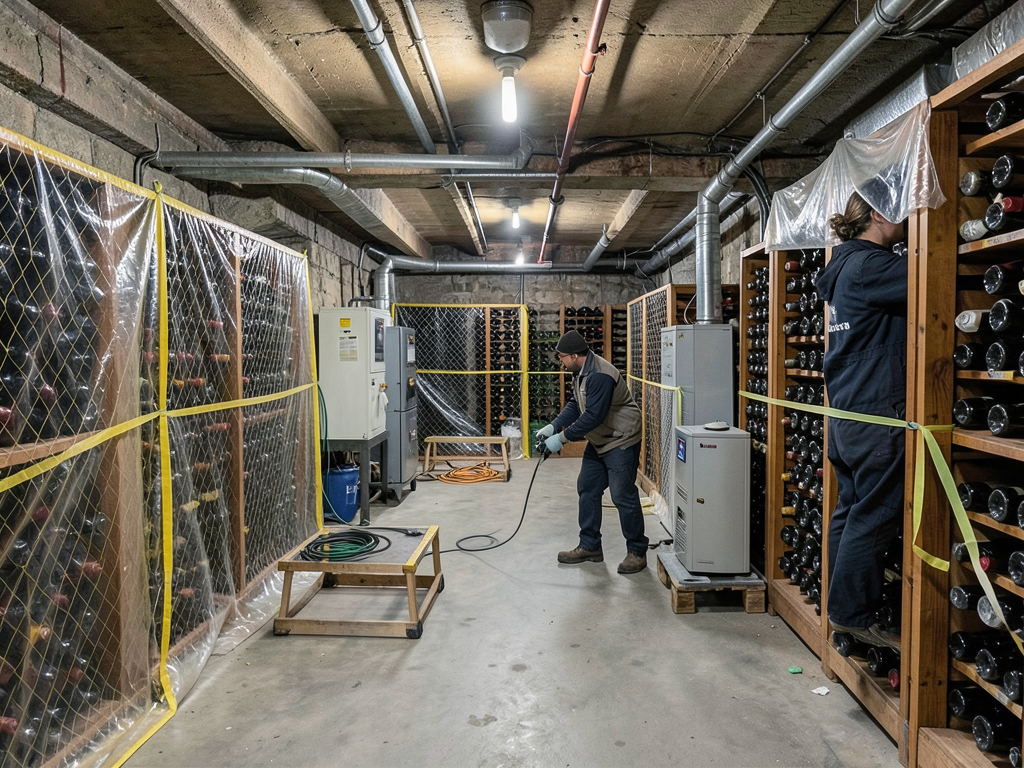
Protecting a basement wine cellar from moisture and mold in a Wayland Square home Basement…
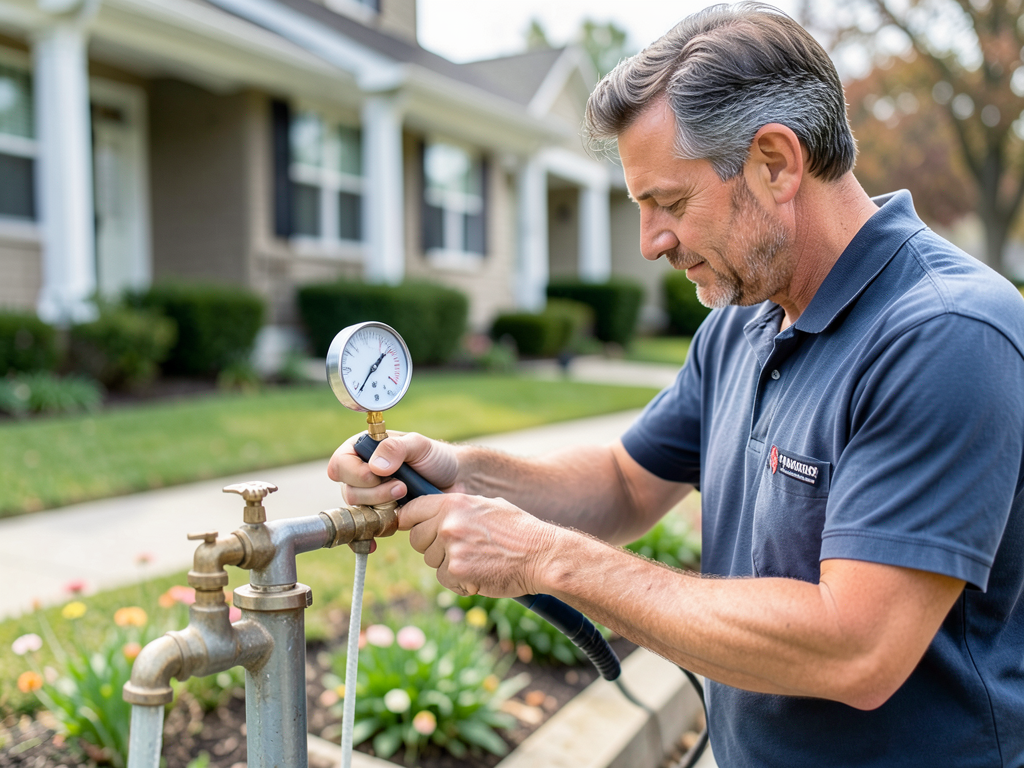
How high water pressure might be ruining the pipes in your Mount Pleasant home High…
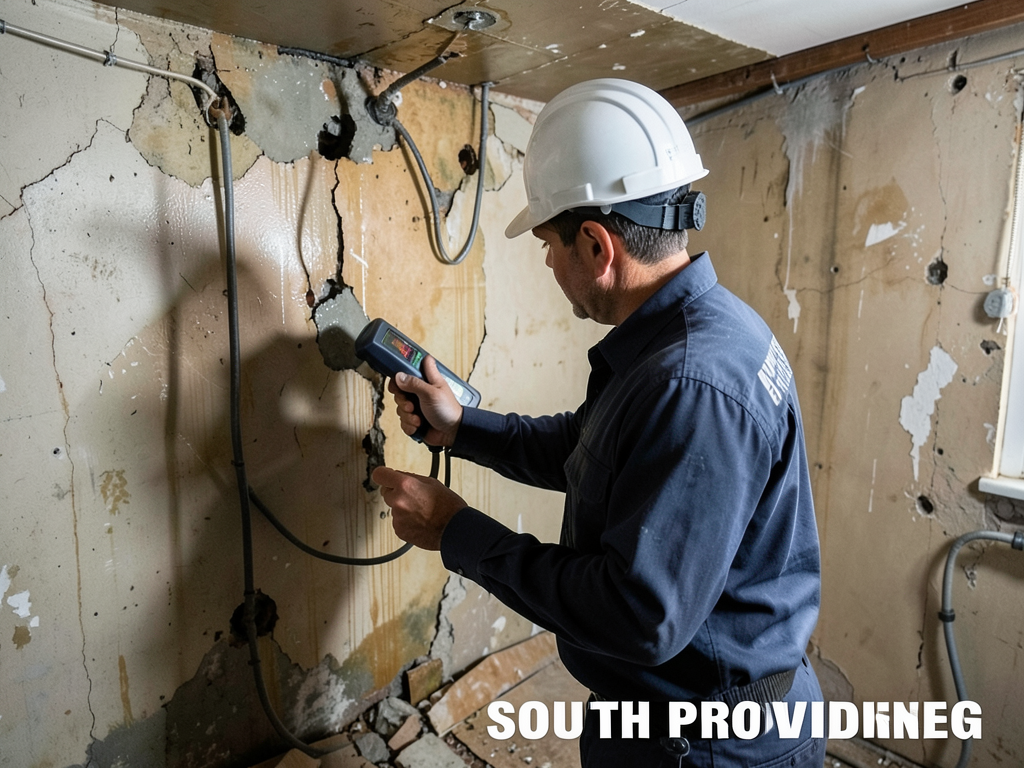
Why Your Drains Smell Like Sulfur After a Heavy Storm in South Providence Heavy storms…
Every minute of water exposure increases damage and restoration costs. Atlas Water Damage Restoration Providence responds to Smithfield emergencies within 60 minutes, 24 hours a day. Call (401) 262-8400 now to dispatch our crew. We'll stop the damage, extract the water, and start protecting your property immediately.