


Providence sits at the head of Narragansett Bay, where three rivers converge and coastal storms push surge inland. This geography makes water intrusion a year-round reality. Hurricane season brings flooding to College Hill and Fox Point. Winter freeze-thaw cycles burst pipes in Federal Hill's century-old triple-deckers. Spring runoff overwhelms antiquated drainage systems in Elmwood and Mount Pleasant.
The city's housing stock compounds the problem. Over 60% of Providence homes were built before 1940, featuring stone foundations that wick moisture, cast iron pipes prone to corrosion, and minimal waterproofing. When nor'easters stall over Rhode Island, basements from Smith Hill to South Providence turn into swimming pools.
Rhode Island's high water table and clay-heavy soil create hydrostatic pressure against foundation walls. Even without storms, groundwater seeps through basement floors and causes chronic dampness. Providence's dense urban development means roof runoff from neighboring buildings often drains onto your property. One broken gutter can flood your foundation. Atlas Water Damage Restoration Providence knows every neighborhood's weak points because we've dried out hundreds of homes across the city.
When water invades your home at 2 AM, you need a restoration company that answers the phone and arrives with the right equipment. Atlas Water Damage Restoration Providence maintains three fully stocked response vehicles positioned across the metro to reach Federal Hill, the East Side, and South Providence within an hour. Our technicians carry truck-mounted extractors, commercial dehumidifiers, air movers, and moisture meters to every job. We start mitigation the moment we arrive, not after driving back to a warehouse for equipment.
Our crews hold IICRC Water Damage Restoration certification and train continuously on the latest drying science. We use thermal imaging cameras to find hidden moisture behind walls and under floors that basic moisture meters miss. This technology prevents mold growth in cavities where you cannot see problems developing. Every technician understands Providence's building types, from balloon-framed Victorians on Broadway to mid-century ranches in Wanskuck, and adapts drying strategy accordingly.
We work directly with every major insurance carrier serving Rhode Island. Our estimators document damage with photos, moisture readings, and detailed notes that adjusters accept without argument. We submit estimates within 24 hours and communicate directly with your adjuster throughout the claim. Most Providence homeowners pay only their deductible because we handle the entire insurance process. When restoration stretches beyond a few days, we coordinate temporary housing and storage so you maintain normal life while we rebuild your home to pre-loss condition.

Our dispatch system tracks technician locations in real time across Providence. When you call, we send the closest certified crew with extraction equipment already loaded. We arrive within 60 minutes citywide, 24/7/365, because water damage doubles every hour you wait. Fast response saves your floors, walls, and belongings.

We speak insurance language. Our estimators use Xactimate software that adjusters trust, document every damaged material with photos and moisture readings, and submit claims within 24 hours. We negotiate directly with your carrier so you avoid back-and-forth disputes. Most Providence customers pay only their deductible.
Basic moisture meters only read surface levels. We use FLIR thermal cameras that show hidden water trapped in wall cavities, under hardwood floors, and above ceilings. This technology finds problems before mold grows in spaces you cannot inspect. Complete drying prevents callbacks and protects your health.
We understand how water moves through Providence's historic homes. Triple-deckers built with balloon framing let water spread vertically between floors. Stone foundations absorb moisture differently than poured concrete. Our drying strategies account for your home's specific construction because one-size-fits-all approaches fail in 100-year-old buildings.
Water damage takes many forms, from sudden catastrophic floods to slow leaks that rot framing over months. Atlas Water Damage Restoration Providence handles every scenario with specialized equipment and techniques matched to the damage source. Emergency extraction stops active flooding. Structural drying removes moisture from building materials before mold colonizes. Reconstruction rebuilds what water destroyed.
Our service categories reflect how water enters Providence homes. Storm and flood response tackles large-volume intrusion from hurricanes, nor'easters, and spring runoff. Plumbing failures address burst pipes, water heater leaks, and supply line breaks. Chronic moisture mitigation solves basement seepage, condensation problems, and foundation water intrusion that persists across seasons.
Each category requires different tools and expertise. Sewage backups demand biohazard protocols that clean water extraction does not. Hardwood floor drying uses specialized mat systems that carpet restoration does not need. We deploy the right combination of extraction, dehumidification, air movement, and antimicrobial treatment based on water source, affected materials, and contamination level. This precision prevents over-drying that cracks plaster or under-drying that grows mold.
When storms overwhelm sump pumps or pipes burst and flood basements, standing water destroys everything it touches. Our truck-mounted extractors remove thousands of gallons per hour from carpets, hardwood, and concrete. We pull standing water first, then extract moisture absorbed into porous materials using weighted wands that force water from pad and subfloor. Thermal cameras identify pooling in wall cavities. We document pre-extraction moisture levels for insurance and track drying progress with daily readings until materials return to normal.
Removing standing water is step one. Drying the structure prevents permanent damage. We position commercial dehumidifiers that pull 150 pints daily and create controlled airflow with air movers placed according to psychrometric calculations. Hardwood floors get specialty drying mats that extract moisture without cupping. Wall cavities receive focused drying through small access holes. We monitor grain moisture in framing lumber, gypsum board, and flooring daily until readings match unaffected areas. Proper drying takes three to seven days depending on materials and saturation levels.
Mold grows within 48 hours when moisture persists. If water sat for days before you called, or previous damage was never properly dried, mold colonizes drywall, insulation, and framing. We contain affected areas with plastic barriers and negative air pressure, remove contaminated materials following Rhode Island Department of Health protocols, HEPA vacuum all surfaces, and treat framing with antimicrobial solutions. Air scrubbers capture airborne spores during removal. Post-remediation testing confirms clearance before reconstruction begins.
Providence's age and geography create predictable water damage patterns. Homes in flood zones near the Providence River face storm surge during hurricanes. Properties in Wanskuck and Mount Hope built on hills deal with foundation seepage as groundwater flows downslope. College Hill's steep terrain sends runoff from upper streets into basements below.
The city's old housing stock means outdated plumbing, compromised foundations, and insufficient drainage. Cast iron drain lines installed in the 1920s corrode from the inside and collapse without warning. Galvanized supply pipes restrict flow as corrosion narrows the bore, then burst under pressure. Stone foundations lack the waterproofing membranes required by modern code. When spring rains saturate soil, hydrostatic pressure pushes water through mortar joints and foundation cracks.
Rhode Island weather accelerates deterioration. Freeze-thaw cycles crack exterior masonry and open pathways for water intrusion. Ice dams form on shallow-pitch roofs common to Federal and Colonial architecture, backing water under shingles. These recurring problems mean Providence homeowners face higher water damage risk than newer suburban developments built with modern materials and proper grading.
Providence's high water table and clay soil push groundwater against foundation walls year-round. Stone and brick foundations built before waterproofing technology existed wick moisture through mortar joints. Spring rains and snowmelt overwhelm undersized or failed perimeter drains. Water pools on basement floors, ruins stored belongings, and creates perfect conditions for mold growth in finished lower levels.
Rhode Island winters regularly drop below freezing for extended periods. Supply lines in unheated spaces freeze solid, then burst when thawing creates pressure spikes. Second-floor bathroom pipes routed through exterior walls are especially vulnerable in balloon-framed homes. A single burst line releases hundreds of gallons before you find the shutoff valve, flooding multiple floors and ceilings below.
Hurricane season brings surge risk to neighborhoods near Narragansett Bay. Fox Point, India Point, and properties along the Providence River sit in FEMA flood zones where storm surge can push several feet of saltwater into first floors. Even tropical storms stalled offshore create flooding when high tide coincides with peak surge. Saltwater corrosion damages electrical systems, HVAC equipment, and anything metal it contacts.
Shallow roof pitches common on Colonial and Victorian homes allow ice dams to form when heat escapes through inadequate attic insulation. Ice blocks gutters and forces meltwater under shingles, soaking roof sheathing and dripping into wall cavities. Aging flashing around chimneys and dormers also leaks during heavy rain. Water travels along rafters before appearing as ceiling stains far from the actual entry point.
Water damage creates chaos. Your home is flooding, belongings are soaking, and you need help immediately. When you call Atlas Water Damage Restoration Providence, we bring order to the emergency. Our dispatch team answers 24/7 and sends the closest certified crew to your address within 60 minutes across the metro.
You will speak with a real person who understands water damage, not an answering service reading a script. We ask targeted questions about the water source, affected areas, and any safety hazards like electrical issues or structural concerns. This information determines which equipment we load and whether we need to coordinate with utility companies or fire departments before entering.
Our technicians arrive in marked vehicles with extraction equipment, moisture meters, and thermal cameras ready to deploy. We assess damage severity, identify the water source, and begin mitigation immediately. You receive a detailed explanation of the work plan, timeline expectations, and insurance process before we start. Communication continues throughout the job with daily updates on drying progress. We treat your home with respect, protect unaffected areas with plastic barriers, and clean up completely when finished. Your experience should reduce stress, not add to it.
Your call triggers immediate dispatch to your Providence address. We arrive within 60 minutes with extraction equipment loaded and ready. Our crew performs a thorough inspection using moisture meters and thermal imaging to map all affected areas, including hidden moisture in walls and subfloors. We identify the water source, shut off supply lines if needed, and document damage with photos and detailed notes for insurance. You receive a clear explanation of required work and cost estimates before any mitigation begins.
We assign a project manager who remains your single point of contact from emergency call through final reconstruction. You receive daily updates on drying progress with moisture readings that show materials returning to normal levels. Our estimators submit insurance claims within 24 hours and communicate directly with adjusters to expedite approval. When additional damage appears during demolition, we notify you immediately and document changes for insurance supplements. No surprises, no hidden costs, no wondering what happens next.
Water damage restoration does not end when materials dry. We rebuild everything water destroyed, from replacing drywall and insulation to reinstalling trim and repainting. Our reconstruction crews match existing finishes so repairs blend invisibly. We coordinate with licensed plumbers and electricians when water damages mechanical systems. Final walkthrough ensures you approve all work before we close the project. Your home returns to pre-loss condition, backed by our workmanship warranty.
Speed and precision determine restoration success. Our process prioritizes rapid response to stop damage progression, thorough drying to prevent mold, and complete reconstruction to restore your home.
We arrive within 60 minutes and immediately deploy truck-mounted extractors to remove standing water from carpets, padding, and hard surfaces. Weighted extraction wands force water from carpet pad and subfloors. We pull baseboards to extract moisture from wall cavities. Thermal imaging identifies hidden pooling behind walls and under flooring. Furniture gets blocked up on foam to prevent staining and wicking. Initial extraction removes 95% of water volume within the first few hours.
After extraction, we position commercial dehumidifiers and air movers in patterns calculated to maximize evaporation and moisture removal. Dehumidifiers run continuously, pulling 150 pints of water daily from the air. Air movers create circulation across wet surfaces to accelerate drying. We monitor moisture levels twice daily in all affected materials, adjusting equipment placement as readings drop. Drying continues until framing lumber, drywall, and flooring return to normal moisture content for Providence's climate.
Once materials reach acceptable moisture levels, reconstruction begins. We remove and dispose of damaged drywall, insulation, flooring, and trim. Framing receives antimicrobial treatment to prevent mold growth. New materials match your home's existing construction, from drywall thickness to trim profiles. Our carpenters, painters, and flooring specialists restore rooms to pre-loss appearance. Final walkthrough ensures you approve all work before we consider the job complete.
Professional water damage restoration follows scientific principles established by the Institute of Inspection, Cleaning and Restoration Certification. IICRC Standard S500 defines proper procedures for water damage mitigation based on water category, material porosity, and environmental conditions. These protocols ensure complete drying while preventing secondary damage from improper techniques.
Water damage is classified by contamination level. Category 1 is clean water from supply lines or rainwater. Category 2 contains some contamination from appliance discharge or toilet overflow without feces. Category 3 is grossly contaminated sewage or flood water containing bacteria and pathogens. Each category requires different handling procedures and safety equipment. Providence homes frequently face Category 3 damage when sewage backs up through floor drains during heavy rain or when storm surge mixes with wastewater.
Drying science relies on psychrometrics, the study of air and moisture interaction. We measure temperature, relative humidity, and specific humidity to calculate vapor pressure and determine optimal drying conditions. Simply running dehumidifiers without monitoring creates problems. Over-drying cracks plaster and shrinks hardwood. Under-drying allows mold colonization. Our technicians use moisture meters and thermo-hygrometers to track grain moisture in building materials and adjust equipment to maintain proper drying curves.
Rhode Island's humid climate complicates drying. Summer humidity often exceeds 70%, slowing evaporation rates. We create controlled microclimates using containment barriers and commercial dehumidifiers that maintain 30-40% relative humidity regardless of outdoor conditions. This accelerates drying and prevents ambient moisture from rehydrating materials we already dried. Equipment placement follows airflow patterns calculated for your specific room geometry and affected materials.
All Atlas Water Damage Restoration Providence technicians hold IICRC Water Damage Restoration certification requiring 40+ hours of training in drying science, microbial remediation, and structural restoration. We follow S500 standards for moisture mapping, equipment placement, and monitoring protocols. Certification ensures consistent quality and techniques insurance companies trust when evaluating claims.
Water damage restoration costs vary based on water volume, affected area size, contamination category, and materials damaged. Clean water affecting 500 square feet costs less than sewage flooding a finished basement. Hardwood floor drying requires specialty equipment that carpet extraction does not. Insurance typically covers sudden pipe bursts but may exclude gradual seepage from maintenance neglect.
Complete structural drying takes three to seven days depending on materials, saturation levels, and weather conditions. Hardwood floors dry slower than carpet. Stone foundations hold moisture longer than framed walls. High humidity extends drying time. We monitor daily and cannot rush the process without risking mold growth or material damage from over-drying.
Rhode Island requires contractors performing mold remediation to hold Department of Health certification when disturbing more than 32 square feet. We maintain all required licenses and insurance coverage including general liability and workers compensation. Our detailed documentation meets insurance carrier requirements for claim approval without disputes over scope or pricing.
Atlas Water Damage Restoration Providence maintains response coverage across every neighborhood in the capital city and surrounding metro. Our crews know College Hill's steep terrain where historic homes face runoff from upper streets flooding basements below. We respond regularly to Federal Hill where triple-deckers built in the 1920s suffer burst pipes in shared plumbing chases that flood multiple units simultaneously.
Downtown and the Jewelry District present unique challenges with commercial buildings converted to residential lofts. Water damage in these structures spreads quickly through open floor plans and affects businesses on lower levels. Fox Point and India Point sit in FEMA flood zones where hurricane storm surge threatens homes near the Providence River and Narragansett Bay. We maintain specialized equipment for saltwater intrusion and coordinate with insurance carriers familiar with flood policy claims.
The East Side encompasses Brown University area rentals and historic homes on Benefit Street where aging infrastructure means frequent plumbing failures. Mount Pleasant and Elmwood neighborhoods north and south of downtown feature early 20th century housing stock with stone foundations prone to groundwater seepage during spring rains. Smith Hill, Wanskuck, and Mount Hope on Providence's northwest side sit at higher elevations but face foundation issues as water flows downslope and concentrates against retaining walls.
South Providence and Washington Park communities include both historic homes and newer construction, requiring different restoration approaches based on building age and materials. Our technicians understand how balloon framing in Victorian homes allows water to travel vertically between floors, while platform framing in post-war construction contains damage to single levels. We serve adjacent communities including North Providence, East Providence, and Cranston where Providence residents often own investment properties or have family. Route 95 and Route 6 provide quick access to suburbs, while local street knowledge gets us to narrow lanes in historic districts where GPS fails. This geographic coverage and neighborhood familiarity means faster response when minutes count.
We are proud to serve the entire Providence area and its surrounding communities. Our strategically located team allows us to provide a fast and reliable response to any water damage emergency, no matter where you are. We invite you to view our service area on the map below to confirm that we are able to reach you quickly. If you are in need of immediate assistance or have questions about our service coverage, please don't hesitate to give us a call at any time.
Address:
Providence, RI, 2903

Finding damp spots in your attic when it hasn’t rained in weeks can be confusing and concerning. Many Pawtucket homeowners discover this problem during routine inspections or when they notice musty odors in upper floors.…
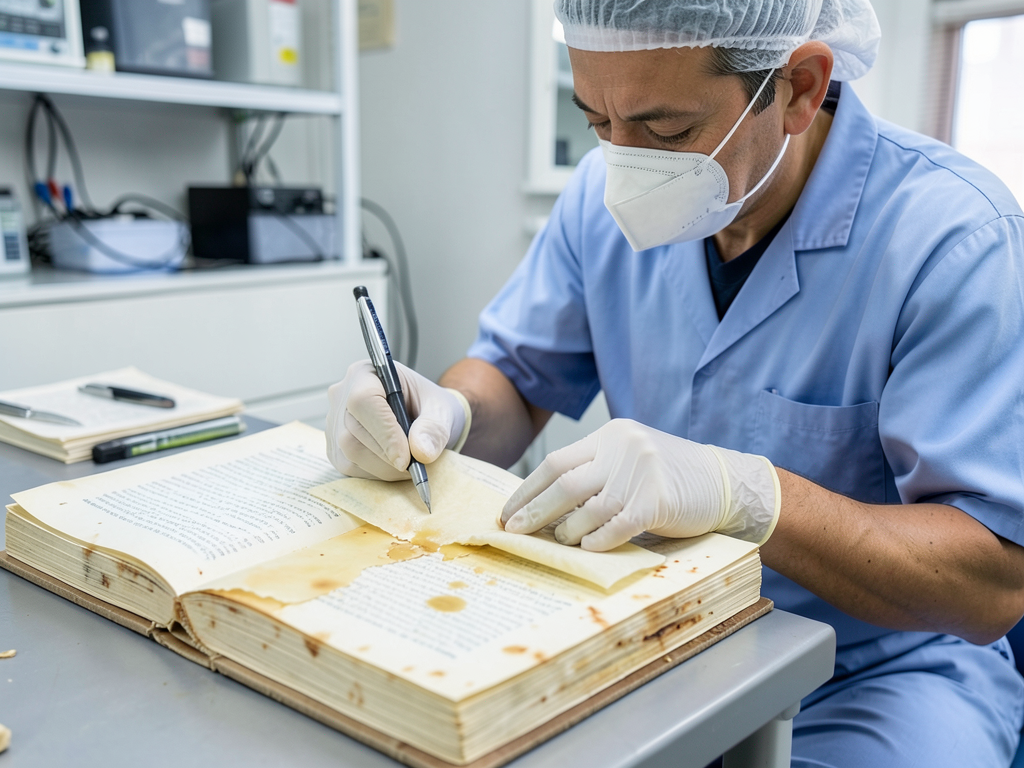
How to save wet books and family photos after a flood in your Elmhurst home…
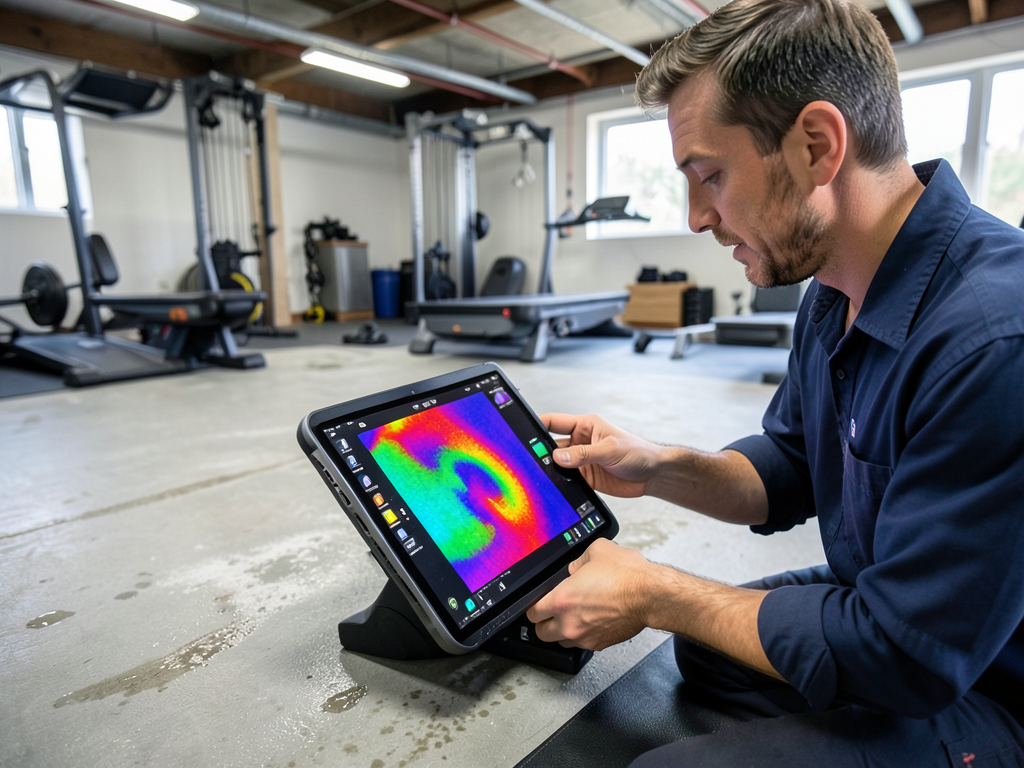
Protecting Your Basement Gym from Water Damage in Warwick Your basement gym represents a significant…
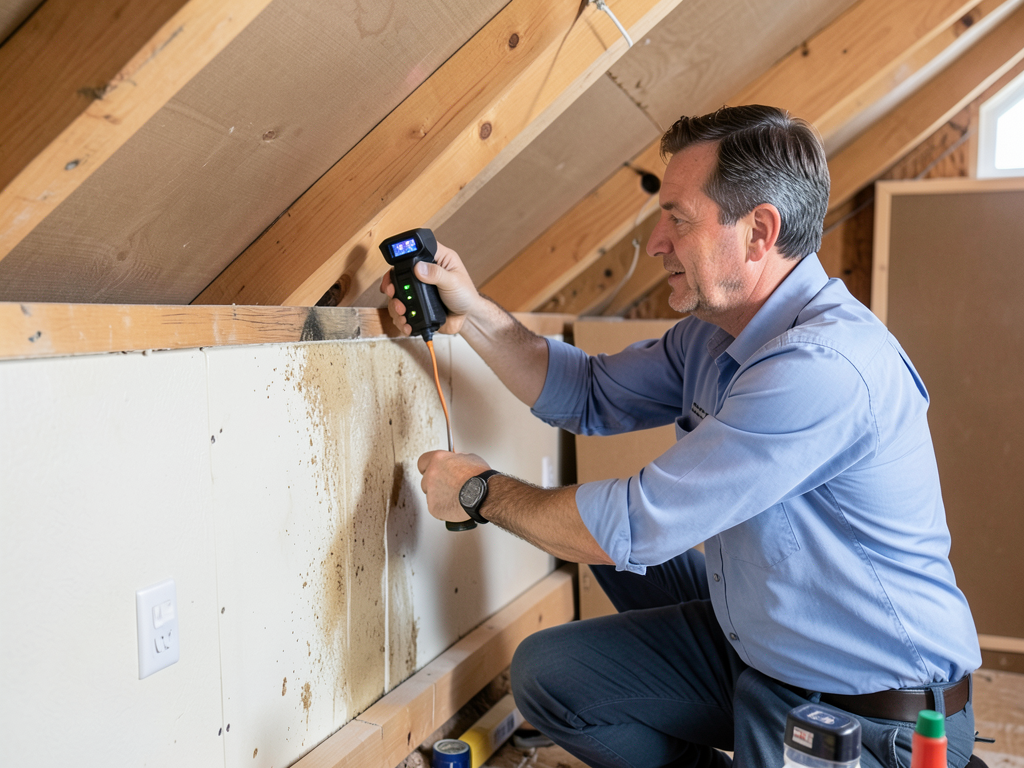
Common water entry points in a classic Rhode Island Cape Cod house Rhode Island's Cape…
Every hour of delay lets water spread deeper into walls, under floors, and throughout your Providence home. Mold begins growing within 48 hours. Call Atlas Water Damage Restoration Providence now at (401) 262-8400 for emergency response within 60 minutes. Our certified crews are standing by 24/7 to stop the damage and start your recovery.