
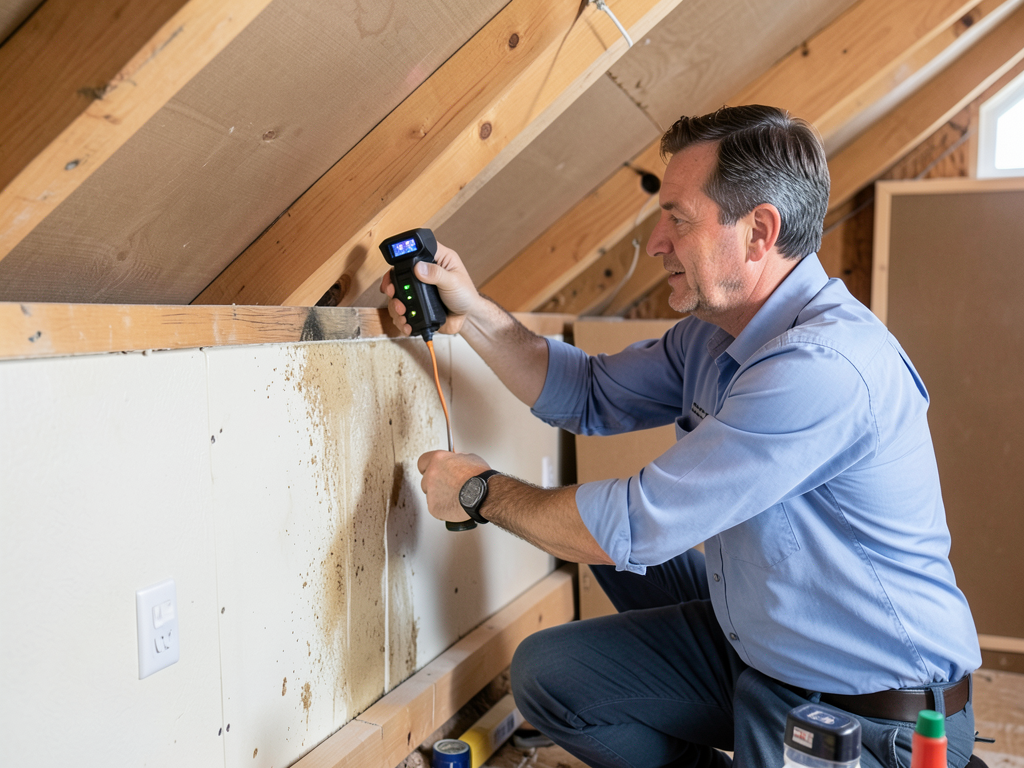
Common water entry points in a classic Rhode Island Cape Cod house
Rhode Island’s Cape Cod homes face unique water intrusion challenges due to their distinctive architecture and our harsh New England climate. These charming 1.5-story homes, with their steep gabled roofs and dormer windows, create specific vulnerabilities that generic water damage advice simply doesn’t address. Understanding these common entry points is the first step to protecting your home from costly water damage. Protecting Your Historic Fox Point Home from Water Damage and Mold.
Why Cape Cod homes in Providence are prone to water leaks
The very features that make Cape Cod houses so appealing also make them susceptible to water damage. The steep roof pitch, while excellent for shedding snow, creates complex valleys where water can pool and find entry points. The compact footprint means plumbing runs through tight spaces, and the half-story upstairs creates knee walls that trap moisture. Add Providence’s freeze-thaw cycles and coastal humidity, and you have a perfect storm for water intrusion. Providence climate data.
Rhode Island’s building code (Rhode Island State Building Code Section 1203.2) requires specific flashing details for dormer installations, but many pre-1980s Cape Cod homes were built before these standards existed. This creates hidden vulnerabilities that only become apparent during heavy storms or ice dam events.
Common leak points in Cape Cod architecture
Cape Cod homes have several architectural features that create predictable water entry points. Here’s what we see most frequently during water damage inspections in Providence: Carpet Water Extraction.
- Dormer window flashing
The vertical walls of dormer windows interrupt roof planes, creating gaps where water can penetrate. Improperly installed or deteriorated step flashing around dormers is the #1 cause of attic leaks in Cape Cod homes. Water Damage Restoration Smithfield.
- Chimney cricket valleys
Chimneys on steep-pitched Cape Cod roofs require crickets (small diversion roofs) to prevent water pooling. When crickets fail or weren’t installed properly, water backs up behind the chimney and seeps into the attic.
- Ice damming in narrow eaves
The shallow overhangs typical of Cape Cod designs don’t allow for adequate ice and water shield installation. During Nor’easters, ice dams form in roof valleys, forcing melting water under shingles and into wall cavities.
- Hydrostatic pressure in old Providence basements
Many Cape Cod homes in Providence sit on clay-rich soils that expand when saturated. This hydrostatic pressure pushes water through foundation cracks, particularly in homes built before 1970 when waterproofing standards were less stringent.
If you’re experiencing water intrusion now, don’t wait. Call (401) 262-8400 for immediate assistance. Our Providence-based team understands these specific Cape Cod vulnerabilities.
The danger of hidden leaks in knee walls
Knee walls are one of the most problematic features in Cape Cod architecture when it comes to water damage. These short walls create attic spaces that trap moisture, leading to several serious issues:
Moisture accumulation: The space between the knee wall and the roof creates a dead air space where humidity builds up. During temperature swings, this moisture condenses on the underside of roof decking, creating conditions perfect for mold growth.
Ice dam formation: The reduced insulation in knee wall cavities allows heat to escape, melting snow on the roof above. This meltwater refreezes at the eaves, creating ice dams that force water under shingles.
Plumbing vulnerability: Many Cape Cod homes have plumbing running through knee wall cavities. A single frozen pipe can cause thousands of dollars in damage before homeowners even notice.
Our thermal imaging inspections can detect moisture in these hidden spaces before visible damage appears, saving you thousands in repair costs.
Providence climate factors affecting Cape Cod homes
Providence’s climate creates specific challenges for Cape Cod homeowners. Understanding these factors helps explain why certain water entry points are more problematic here than in other regions:
- Coastal humidity: Providence’s proximity to Narragansett Bay means year-round high humidity levels, averaging 72%. This constant moisture in the air makes it harder for materials to dry naturally after water intrusion.
- Nor’easter impact: These powerful storms bring wind-driven rain that exploits even the smallest flashing gaps. Cape Cod dormers are particularly vulnerable to wind-driven rain infiltration.
- Freeze-thaw cycles: Providence experiences 40-50 freeze-thaw cycles annually. Each cycle expands and contracts building materials, eventually creating gaps in sealants and flashing.
- Heavy spring rainfall: April and May bring the highest rainfall totals, often overwhelming drainage systems in older Cape Cod homes.
- Emergency water extraction
We use specialized equipment designed for tight Cape Cod spaces, including compact extractors that can navigate narrow staircases and knee wall access points.
- Moisture mapping with thermal imaging
Our infrared cameras detect moisture in knee wall cavities and behind finished surfaces without destructive testing.
- Structural drying
We deploy industrial dehumidifiers and air movers strategically to address the unique airflow patterns in Cape Cod attic spaces.
- Antimicrobial treatment
We apply EPA-registered antimicrobials specifically formulated for the wood species common in Cape Cod construction. EPA mold guidelines.
- Insurance documentation
We provide detailed documentation that insurance adjusters need, including moisture readings and photos of specific Cape Cod vulnerabilities.
- Shut off the water source if possible
- Move valuables away from affected areas
- Document damage with photos for insurance
- Call (401) 262-8400 immediately for 24/7 emergency response
According to NOAA data, Providence receives an average of 47 inches of rainfall annually, with 60% falling between October and May. This concentrated wet season coincides with the freeze-thaw period, creating maximum stress on vulnerable water entry points.
Our Providence-based restoration process for Cape Cod homes
When water damage occurs in your Cape Cod home, our restoration process is specifically tailored to address the unique challenges these homes present:
Our team holds IICRC S500 certification for water damage restoration and understands the specific building codes and historical preservation requirements for Providence’s older Cape Cod neighborhoods.
Preventing water damage in your Cape Cod home
Prevention is always better than restoration. Here are specific steps Cape Cod homeowners can take to protect their homes:
| Maintenance Task | Frequency | Why It Matters for Cape Cods |
|---|---|---|
| Roof inspection (focus on dormer flashing) | Annually | Early detection of flashing deterioration prevents major leaks |
| Gutter cleaning and inspection | Bi-annually | Prevents ice dam formation by ensuring proper water drainage |
| Knee wall insulation check | Every 2-3 years | Maintains proper thermal barrier to prevent ice dams |
| Foundation crack inspection | Annually | Detects early signs of hydrostatic pressure issues |
Consider installing ice and water shield in roof valleys and around dormers. While not required by current code for existing homes, this upgrade provides significant protection against the ice dam issues common in Cape Cod architecture.
Emergency water damage response for Cape Cod homes
When water damage strikes your Cape Cod home, every hour counts. Here’s what to do immediately:
Our Providence-based team can typically arrive within 60 minutes of your call, equipped with the specialized tools needed for Cape Cod restoration work. We understand that these homes require a different approach than modern construction.
Don’t trust your Cape Cod home to just any restoration company. Choose a team that understands the unique challenges of Rhode Island’s most iconic home style.
Understanding your insurance coverage
Many Cape Cod homeowners are surprised to learn what their insurance does and doesn’t cover. Here’s what we typically see:
| Water Damage Type | Typically Covered? | Common Exclusions |
|---|---|---|
| Sudden pipe burst | Yes | Damage from lack of maintenance |
| Ice dam damage | Often yes | Preventable damage if no mitigation attempted |
| Foundation seepage | Sometimes | Gradual damage over time |
| Dormer leak from old flashing | Often no | Wear and tear exclusions |
We work directly with insurance companies to help you understand your coverage and maximize your claim. Our documentation meets the standards that adjusters require for Cape Cod homes.
Frequently Asked Questions
How can I tell if my Cape Cod home has water damage in the knee walls?
Look for signs like musty odors in upstairs bedrooms, peeling paint on interior walls, or visible mold spots in corners. Thermal imaging can detect moisture before these signs appear.
Are Cape Cod homes more expensive to restore after water damage?
Sometimes yes, due to the specialized work required around dormers and knee walls. However, our experience with these specific structures often allows us to work more efficiently than general contractors.
How long does water damage restoration take in a Cape Cod home?
Most residential projects take 3-7 days, depending on the extent of damage and the specific areas affected. The tight spaces in Cape Cod homes can sometimes extend drying times.
Can I prevent ice dams on my Cape Cod roof?
Yes. Proper insulation, ventilation, and ice and water shield installation can significantly reduce ice dam formation. We can assess your specific roof configuration and recommend targeted solutions.
Call for immediate assistance
Water damage in your Cape Cod home requires immediate attention from professionals who understand these unique structures. Our Providence-based team is ready to respond 24/7 to protect your home from further damage.
Call (401) 262-8400 now to schedule your inspection or emergency service. Don’t let water damage compromise the structural integrity and beauty of your Rhode Island Cape Cod home.
Remember: The sooner we address water intrusion, the less extensive (and expensive) the restoration will be. Our team serves all Providence neighborhoods, including East Side, Fox Point, and surrounding areas. We’re not just water damage restorers—we’re Cape Cod home specialists who understand the unique challenges your home faces.
{
“@context”: “https://schema.org”,
“@type”: “BlogPosting”,
“headline”: “Common water entry points in a classic Rhode Island Cape Cod house”,
“description”: “Discover the most vulnerable water entry points in Rhode Island Cape Cod homes. Learn how Providence’s climate and architecture create unique leak risks and how to fix them.”,
“wordCount”: 1556,
“datePublished”: “2026-06-02T06:30:00.000Z”,
“dateModified”: “2026-06-02T06:30:00.000Z”,
“inLanguage”: “en-US”,
“mainEntityOfPage”: {
“@type”: “WebPage”,
“@id”: “https://atlaswaterdamagerestorationprovidence.com”
},
“publisher”: {
“@type”: “LocalBusiness”,
“name”: “Atlas Water Damage Restoration Providence”,
“url”: “https://atlaswaterdamagerestorationprovidence.com”
},
“author”: {
“@type”: “Organization”,
“name”: “Atlas Water Damage Restoration Providence”,
“url”: “https://atlaswaterdamagerestorationprovidence.com”
},
“image”: {
“@type”: “ImageObject”,
“url”: “https://atlaswaterdamagerestorationprovidence.com/wp-content/uploads/2026/03/common-water-entry-points-in-a-classic-rhode-islan-1.png”
}
}
{
“@context”: “https://schema.org”,
“@type”: “LocalBusiness”,
“name”: “Atlas Water Damage Restoration Providence”,
“url”: “https://atlaswaterdamagerestorationprovidence.com”,
“address”: {
“@type”: “PostalAddress”,
“addressLocality”: “Providence”
},
“areaServed”: {
“@type”: “City”,
“name”: “Providence”
}
}
{
“@context”: “https://schema.org”,
“@type”: “FAQPage”,
“mainEntity”: [
{
“@type”: “Question”,
“name”: “How can I tell if my Cape Cod home has water damage in the knee walls?”,
“acceptedAnswer”: {
“@type”: “Answer”,
“text”: “Look for signs like musty odors in upstairs bedrooms, peeling paint on interior walls, or visible mold spots in corners. Thermal imaging can detect moisture before these signs appear.”
}
},
{
“@type”: “Question”,
“name”: “Are Cape Cod homes more expensive to restore after water damage?”,
“acceptedAnswer”: {
“@type”: “Answer”,
“text”: “Sometimes yes, due to the specialized work required around dormers and knee walls. However, our experience with these specific structures often allows us to work more efficiently than general contractors.”
}
},
{
“@type”: “Question”,
“name”: “Can I prevent ice dams on my Cape Cod roof?”,
“acceptedAnswer”: {
“@type”: “Answer”,
“text”: “Yes. Proper insulation, ventilation, and ice and water shield installation can significantly reduce ice dam formation. We can assess your specific roof configuration and recommend targeted solutions.”
}
}
]
}
{
“@context”: “https://schema.org”,
“@type”: “HowTo”,
“name”: “Common Cape Cod Water Entry Points”,
“step”: [
{
“@type”: “HowToStep”,
“position”: 1,
“name”: “Dormer window flashing”,
“text”: “The vertical walls of dormer windows interrupt roof planes, creating gaps where water can penetrate. Improperly installed or deteriorated step flashing around dormers is the #1 cause of attic leaks in Cape Cod homes. Water Damage Restoration Smithfield.”
},
{
“@type”: “HowToStep”,
“position”: 2,
“name”: “Chimney cricket valleys”,
“text”: “Chimneys on steep-pitched Cape Cod roofs require crickets (small diversion roofs) to prevent water pooling. When crickets fail or weren’t installed properly, water backs up behind the chimney and seeps into the attic.”
},
{
“@type”: “HowToStep”,
“position”: 3,
“name”: “Ice damming in narrow eaves”,
“text”: “The shallow overhangs typical of Cape Cod designs don’t allow for adequate ice and water shield installation. During Nor’easters, ice dams form in roof valleys, forcing melting water under shingles and into wall cavities.”
},
{
“@type”: “HowToStep”,
“position”: 4,
“name”: “Hydrostatic pressure in old Providence basements”,
“text”: “Many Cape Cod homes in Providence sit on clay-rich soils that expand when saturated. This hydrostatic pressure pushes water through foundation cracks, particularly in homes built before 1970 when waterproofing standards were less stringent.”
}
],
“image”: “https://atlaswaterdamagerestorationprovidence.com/wp-content/uploads/2026/03/common-water-entry-points-in-a-classic-rhode-islan-1.png”
}
{
“@context”: “https://schema.org”,
“@type”: “BreadcrumbList”,
“itemListElement”: [
{
“@type”: “ListItem”,
“position”: 1,
“name”: “Home”,
“item”: “https://atlaswaterdamagerestorationprovidence.com”
},
{
“@type”: “ListItem”,
“position”: 2,
“name”: “Blog”,
“item”: “https://atlaswaterdamagerestorationprovidence.com/blog”
},
{
“@type”: “ListItem”,
“position”: 3,
“name”: “Common water entry points in a classic Rhode Island Cape Cod house”
}
]
}
{
“@context”: “https://schema.org”,
“@type”: “Service”,
“serviceType”: “Water Damage Restoration”,
“provider”: {
“@type”: “LocalBusiness”,
“name”: “Atlas Water Damage Restoration Providence”,
“url”: “https://atlaswaterdamagerestorationprovidence.com”
},
“areaServed”: {
“@type”: “City”,
“name”: “Providence”
},
“description”: “Discover the most vulnerable water entry points in Rhode Island Cape Cod homes. Learn how Providence’s climate and architecture create unique leak risks and how to fix them.”
}