
Who is responsible for water damage in a College Hill off-campus apartment?
Living in a College Hill off-campus apartment near Brown University or RISD comes with unique water damage challenges. When pipes burst, toilets overflow, or storms flood your basement, figuring out who pays for repairs can feel overwhelming. In Rhode Island, liability depends on the cause of damage, your lease terms, and your renter’s insurance policy. This guide breaks down exactly who is responsible for water damage in College Hill apartments and what steps you should take immediately after discovering a problem. Rhode Island Residential Landlord and Tenant Act.
The most common scenarios involve frozen pipes in winter, aging plumbing in historic buildings, or tenant negligence like leaving windows open during rain. Understanding your rights and responsibilities can save you thousands in repair costs and protect your security deposit. Let’s examine the specific factors that determine liability in Providence’s off-campus housing market. EPA Mold Remediation Guidelines.
Rhode Island Landlord-Tenant Act and water damage responsibility
Under the Rhode Island Residential Landlord and Tenant Act (Title 34, Chapter 18), landlords must maintain their properties in a condition fit for human habitation. This includes ensuring plumbing systems function properly and that the building’s structure prevents water intrusion. However, tenants also have responsibilities that can affect liability. Carpet Water Extraction.
The law distinguishes between normal wear and tear and tenant negligence. If a pipe bursts due to age or poor maintenance, the landlord typically bears responsibility. But if you caused the damage through misuse or neglect, you could be held financially responsible. This distinction becomes critical when filing insurance claims or disputing security deposit deductions.
Providence building inspectors often find that College Hill’s historic multi-family homes have outdated plumbing systems that predate modern building codes. These older systems are more prone to failures during extreme weather events common to Rhode Island, such as the freeze-thaw cycles that cause pipes to burst in winter. Protecting Your Historic Fox Point Home from Water Damage and Mold.
Common water damage scenarios in College Hill student housing
College Hill’s unique housing stock creates specific water damage risks. The area’s historic Victorian and Colonial homes, many converted to student apartments, feature aging plumbing systems and shared water stacks that can fail catastrophically. Understanding these common scenarios helps you identify liability quickly.
Frozen pipe bursts represent the most frequent winter emergency. When temperatures drop below freezing, water in unprotected pipes can freeze and expand, causing pipes to split. If the pipe is in a common area or shared wall, the landlord typically covers repairs. However, if you left windows open in a unit with exposed pipes, you might share liability. Get Immediate 24/7 Emergency Water Extraction in Downtown Providence.
Overflow incidents from toilets, sinks, or washing machines create another common liability scenario. The Rhode Island Landlord-Tenant Act requires landlords to provide functioning plumbing fixtures, but tenants must use them properly. If you leave a running faucet unattended or flush inappropriate items, you could be responsible for resulting damage.
Storm-related flooding affects basement apartments frequently in College Hill. The area’s proximity to the Seekonk River and combined sewer overflow system means heavy rainfall can overwhelm drainage systems. While landlords must maintain proper drainage, tenants should understand their flood risk before signing leases. Flood Cleanup & Extraction.
Renter’s insurance coverage for water damage in Providence
Your renter’s insurance policy is your first line of defense against water damage liability. Most Providence-based insurance policies cover sudden and accidental water damage to your personal belongings, but coverage varies significantly between policies. Understanding your policy’s specifics can prevent costly surprises.
Standard renter’s insurance typically covers water damage from burst pipes, accidental overflows, and certain types of storm damage. However, flood damage from external sources usually requires separate flood insurance. Given College Hill’s flood-prone areas near the river, this distinction matters significantly for students living in basement apartments.
Insurance companies in Rhode Island often require documentation of the damage’s cause before processing claims. This means taking photos immediately after discovering water damage and keeping records of any communications with your landlord about maintenance issues. These documents become crucial evidence if liability disputes arise.
Many students discover too late that their parents’ homeowner’s insurance doesn’t extend to off-campus housing. If you’re renting independently, you need your own renter’s insurance policy that specifically addresses water damage scenarios common to College Hill’s older housing stock.
Immediate steps to protect yourself after water damage
When water damage occurs, your immediate actions can significantly impact liability determinations and insurance claims. The first 24 hours are critical for both preventing further damage and documenting evidence that protects your interests.
Start by stopping the water source if possible. This might mean shutting off the main water valve, which is typically located in the basement of College Hill’s multi-family homes. If you can’t locate the valve or the damage is severe, call your landlord immediately while also contacting emergency services if needed.
Document everything with photos and videos before any cleanup begins. Insurance adjusters and landlords need clear evidence of the damage’s extent and cause. Focus on capturing the source of the water, affected areas, and any visible damage to walls, floors, and personal belongings.
Mitigate further damage by moving valuables to dry areas and using towels or buckets to contain spreading water. However, don’t make permanent repairs or dispose of damaged items until your landlord or insurance company has assessed the situation. Keep all receipts for emergency supplies or temporary accommodations.
Security deposit disputes and water damage liability
Security deposit disputes related to water damage are among the most common conflicts between College Hill tenants and landlords. Understanding how these disputes work under Rhode Island law can help you protect your deposit and avoid costly legal battles.
Rhode Island law requires landlords to return security deposits within 20 days of lease termination, along with an itemized list of any deductions. For water damage claims, landlords must prove the damage resulted from tenant negligence rather than normal wear and tear. This burden of proof often determines who keeps the deposit money.
Common water damage deductions include costs for carpet replacement, drywall repair, and mold remediation. However, landlords cannot deduct for damage that existed before your tenancy or for normal aging of building components. Always conduct a thorough move-in inspection and document existing conditions with dated photos.
If you disagree with a water damage deduction, you have the right to dispute it in small claims court. Successful disputes typically involve showing that the landlord failed to maintain the property properly or that the damage resulted from factors beyond your control, such as aging plumbing systems.
Professional water damage restoration in multi-unit buildings
Water damage in College Hill’s multi-unit buildings requires specialized restoration approaches that address both immediate damage and potential cross-contamination between units. Professional restoration companies understand the unique challenges of Providence’s historic housing stock. Professional Mold Removal and Remediation Services for East Side Homeowners.
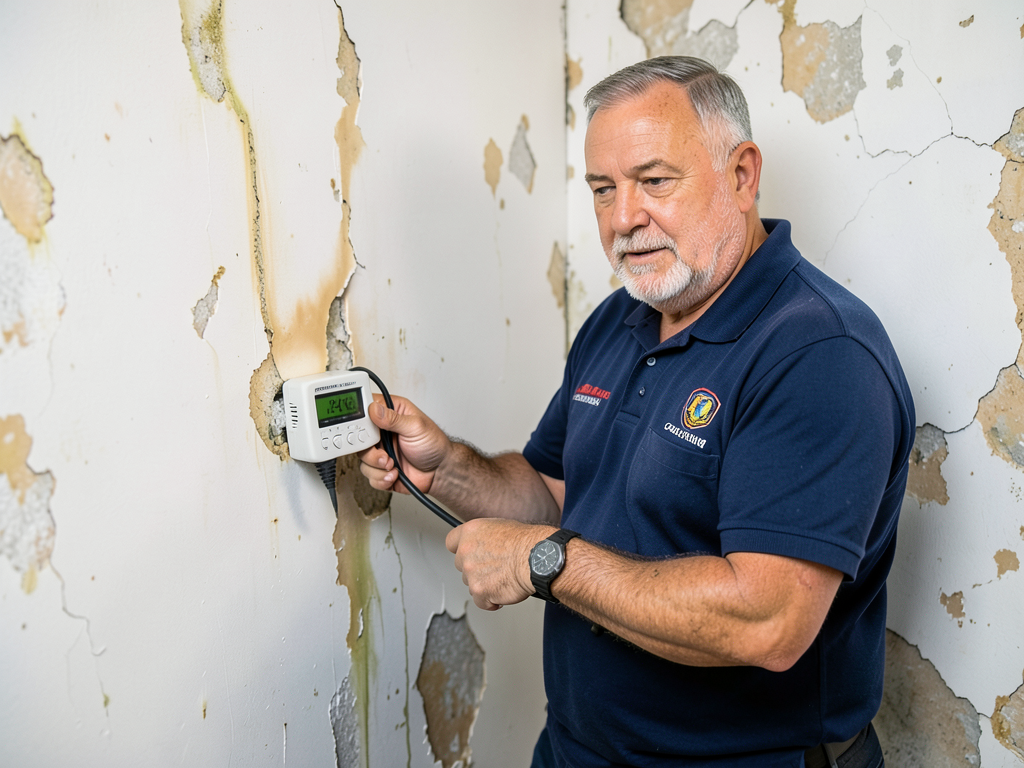
Category 1 water damage from clean sources like broken supply lines requires rapid drying to prevent secondary damage. Restoration technicians use moisture meters to detect hidden water in wall cavities and under flooring, which is critical in older buildings where water can travel between units through shared walls.
Category 2 and 3 water damage from contaminated sources requires more extensive remediation. This includes proper disposal of affected materials, antimicrobial treatment, and verification that the affected area meets IICRC S500 standards for cleanliness. These standards are particularly important in College Hill’s densely packed housing where contamination can spread quickly.
Professional restoration companies coordinate with property managers and insurance companies to ensure all affected units receive proper treatment. This coordination is essential in College Hill’s multi-family buildings where damage to one unit can affect adjacent apartments through shared plumbing or structural elements.
Local building codes and frozen pipe liability in Providence
Providence building codes address specific water damage prevention measures that affect liability determinations. Understanding these local requirements helps you identify when landlords may be responsible for damage due to code violations or inadequate maintenance.
Rhode Island State Building Code (SBC-1) requires proper pipe insulation in areas exposed to freezing temperatures. In College Hill’s historic homes, many pipes run through unheated crawl spaces or exterior walls where they’re vulnerable to freezing. Landlords must ensure these pipes meet current insulation standards or face liability for resulting damage.
The Providence building department has documented numerous violations in College Hill’s older buildings, particularly regarding inadequate pipe protection and poor drainage systems. These violations can shift liability to landlords even when tenants didn’t directly cause the damage, as the property wasn’t maintained to code standards.
Recent code updates require landlords to install water leak detection systems in certain multi-unit buildings. While not yet universal in College Hill, these systems can prevent extensive damage by alerting property managers to leaks before they become catastrophic. Landlords who ignore these recommendations may face increased liability for resulting damage.
Documenting evidence for insurance claims and liability disputes
Proper documentation is your strongest defense in water damage liability disputes. Creating a comprehensive evidence file immediately after discovering damage can mean the difference between a successful insurance claim and a denied one, or between keeping your security deposit and losing it to questionable deductions.
Start with time-stamped photos and videos that show the damage’s extent and source. Include wide shots of the affected area and close-ups of specific damage points. For plumbing-related damage, try to capture the failed component if it’s visible. This visual evidence becomes crucial when insurance adjusters or judges need to understand what happened.
Keep all communications with your landlord in writing. Text messages and emails create a paper trail that proves when you reported the damage and what actions were promised. Rhode Island courts often give significant weight to these communications when determining whether landlords responded appropriately to tenant reports.
Maintain a damage log that tracks when you first noticed the problem, what actions you took, and any communications with involved parties. This chronological record helps establish whether the damage resulted from sudden events or gradual problems that should have been addressed earlier by the landlord.
Mold remediation standards and liability in Rhode Island
Water damage that isn’t properly remediated can lead to mold growth, creating additional liability concerns for both tenants and landlords. Rhode Island follows strict mold remediation guidelines that affect who pays for cleanup and how it must be conducted.
The Rhode Island Department of Health requires professional mold remediation for areas larger than 10 square feet. This requirement means that even small water damage incidents can become expensive if mold develops. Landlords are typically responsible for remediation costs if the mold resulted from building maintenance issues, while tenants may be liable if their actions caused the initial water damage.
Professional mold remediation follows IICRC S520 standards, which require containment, proper disposal of affected materials, and clearance testing to verify the remediation was successful. These standards are particularly important in College Hill’s older buildings where mold can spread through shared ventilation systems or wall cavities.
Tenants should be aware that attempting DIY mold cleanup can actually increase liability. Improper cleaning methods can spread mold spores throughout a building, potentially making you responsible for damage to neighboring units. Always consult professionals when dealing with significant water damage or visible mold growth.
Frequently Asked Questions
Who pays for water damage if a pipe bursts in my College Hill apartment?
Responsibility depends on the pipe’s location and cause. If it’s a supply pipe in your unit that bursts due to age or freezing, your landlord typically covers repair costs. However, if you left windows open causing pipes to freeze, you might share liability. Your renter’s insurance usually covers personal property damage regardless of fault.
How quickly must my landlord respond to water damage in Providence?
Rhode Island law requires landlords to address emergency conditions that affect health and safety within 24 hours. For water damage, this means stopping active leaks and beginning mitigation within one day. Failure to respond promptly can make landlords liable for additional damage that occurs due to delayed action.
Does renter’s insurance cover water damage from neighbor’s leaks?
Yes, your renter’s insurance typically covers damage to your personal property from leaks originating in other units. However, it may not cover damage to the apartment’s structure, which would be your landlord’s responsibility. Always check your policy details, as coverage varies between insurance providers in Rhode Island.
Can my landlord withhold my security deposit for water damage?
Yes, but only if they can prove the damage resulted from your negligence rather than normal wear and tear. They must provide an itemized list of deductions within 20 days of lease termination. If you disagree with the deductions, you can dispute them in small claims court within 10 days of receiving the notice.
What should I do first if I discover water damage in my apartment?
Stop the water source if possible, document everything with photos and videos, notify your landlord immediately in writing, and begin mitigation to prevent further damage. Keep all receipts for emergency expenses. Don’t make permanent repairs until your landlord or insurance company has assessed the situation.
Call for immediate water damage assistance in College Hill
Water damage doesn’t wait for business hours, and neither should you. When pipes burst, toilets overflow, or storms flood your College Hill apartment, every minute counts. Professional restoration services understand the unique challenges of Providence’s historic housing stock and can prevent minor leaks from becoming major disasters.. Read more about Minimizing business downtime after a plumbing failure in your Hope Street boutique.
Our team specializes in rapid response water damage restoration for College Hill’s multi-family buildings and student housing. We work directly with your landlord and insurance company to ensure proper documentation and efficient repairs. With 24/7 emergency service and IICRC-certified technicians, we’ll restore your apartment quickly while protecting your security deposit and personal belongings.
Don’t let water damage ruin your semester or cost you thousands in repairs. Call (401) 262-8400 now for immediate assistance. We’ll arrive within 60 minutes to assess the damage, stop further destruction, and begin the restoration process. Your College Hill apartment deserves professional care from technicians who understand Providence’s unique housing challenges.
Pick up the phone and call (401) 262-8400 before the next storm hits. Water damage only gets worse with time, but our expert team is ready to protect your investment and restore your peace of mind. Serving College Hill, Fox Point, and all of Providence’s historic neighborhoods with emergency water damage restoration you can trust.
{
“@context”: “https://schema.org”,
“@type”: “BlogPosting”,
“headline”: “Who is responsible for water damage in a College Hill off-campus apartment?”,
“description”: “Confused about water damage liability in your College Hill off-campus apartment? Learn RI law, insurance coverage, and who pays for repairs near Brown and RISD.”,
“wordCount”: 2407,
“datePublished”: “2026-06-06T12:18:00.000Z”,
“dateModified”: “2026-06-06T12:18:00.000Z”,
“inLanguage”: “en-US”,
“mainEntityOfPage”: {
“@type”: “WebPage”,
“@id”: “https://atlaswaterdamagerestorationprovidence.com”
},
“publisher”: {
“@type”: “LocalBusiness”,
“name”: “Atlas Water Damage Restoration Providence”,
“url”: “https://atlaswaterdamagerestorationprovidence.com”
},
“author”: {
“@type”: “Organization”,
“name”: “Atlas Water Damage Restoration Providence”,
“url”: “https://atlaswaterdamagerestorationprovidence.com”
},
“image”: {
“@type”: “ImageObject”,
“url”: “https://atlaswaterdamagerestorationprovidence.com/wp-content/uploads/2026/03/who-is-responsible-for-water-damage-in-a-college-h-1.png”
}
}
{
“@context”: “https://schema.org”,
“@type”: “LocalBusiness”,
“name”: “Atlas Water Damage Restoration Providence”,
“url”: “https://atlaswaterdamagerestorationprovidence.com”,
“address”: {
“@type”: “PostalAddress”,
“addressLocality”: “Providence”
},
“areaServed”: {
“@type”: “City”,
“name”: “Providence”
}
}
{
“@context”: “https://schema.org”,
“@type”: “FAQPage”,
“mainEntity”: [
{
“@type”: “Question”,
“name”: “Who pays for water damage if a pipe bursts in my College Hill apartment?”,
“acceptedAnswer”: {
“@type”: “Answer”,
“text”: “Responsibility depends on the pipe’s location and cause. If it’s a supply pipe in your unit that bursts due to age or freezing, your landlord typically covers repair costs. However, if you left windows open causing pipes to freeze, you might share liability. Your renter’s insurance usually covers personal property damage regardless of fault.”
}
},
{
“@type”: “Question”,
“name”: “How quickly must my landlord respond to water damage in Providence?”,
“acceptedAnswer”: {
“@type”: “Answer”,
“text”: “Rhode Island law requires landlords to address emergency conditions that affect health and safety within 24 hours. For water damage, this means stopping active leaks and beginning mitigation within one day. Failure to respond promptly can make landlords liable for additional damage that occurs due to delayed action.”
}
},
{
“@type”: “Question”,
“name”: “Does renter’s insurance cover water damage from neighbor’s leaks?”,
“acceptedAnswer”: {
“@type”: “Answer”,
“text”: “Yes, your renter’s insurance typically covers damage to your personal property from leaks originating in other units. However, it may not cover damage to the apartment’s structure, which would be your landlord’s responsibility. Always check your policy details, as coverage varies between insurance providers in Rhode Island.”
}
},
{
“@type”: “Question”,
“name”: “Can my landlord withhold my security deposit for water damage?”,
“acceptedAnswer”: {
“@type”: “Answer”,
“text”: “Yes, but only if they can prove the damage resulted from your negligence rather than normal wear and tear. They must provide an itemized list of deductions within 20 days of lease termination. If you disagree with the deductions, you can dispute them in small claims court within 10 days of receiving the notice.”
}
},
{
“@type”: “Question”,
“name”: “What should I do first if I discover water damage in my apartment?”,
“acceptedAnswer”: {
“@type”: “Answer”,
“text”: “Stop the water source if possible, document everything with photos and videos, notify your landlord immediately in writing, and begin mitigation to prevent further damage. Keep all receipts for emergency expenses. Don’t make permanent repairs until your landlord or insurance company has assessed the situation.”
}
}
]
}
{
“@context”: “https://schema.org”,
“@type”: “BreadcrumbList”,
“itemListElement”: [
{
“@type”: “ListItem”,
“position”: 1,
“name”: “Home”,
“item”: “https://atlaswaterdamagerestorationprovidence.com”
},
{
“@type”: “ListItem”,
“position”: 2,
“name”: “Blog”,
“item”: “https://atlaswaterdamagerestorationprovidence.com/blog”
},
{
“@type”: “ListItem”,
“position”: 3,
“name”: “Who is responsible for water damage in a College Hill off-campus apartment?”
}
]
}
{
“@context”: “https://schema.org”,
“@type”: “Service”,
“serviceType”: “Water Damage Restoration”,
“provider”: {
“@type”: “LocalBusiness”,
“name”: “Atlas Water Damage Restoration Providence”,
“url”: “https://atlaswaterdamagerestorationprovidence.com”
},
“areaServed”: {
“@type”: “City”,
“name”: “Providence”
},
“description”: “Confused about water damage liability in your College Hill off-campus apartment? Learn RI law, insurance coverage, and who pays for repairs near Brown and RISD.”
}