
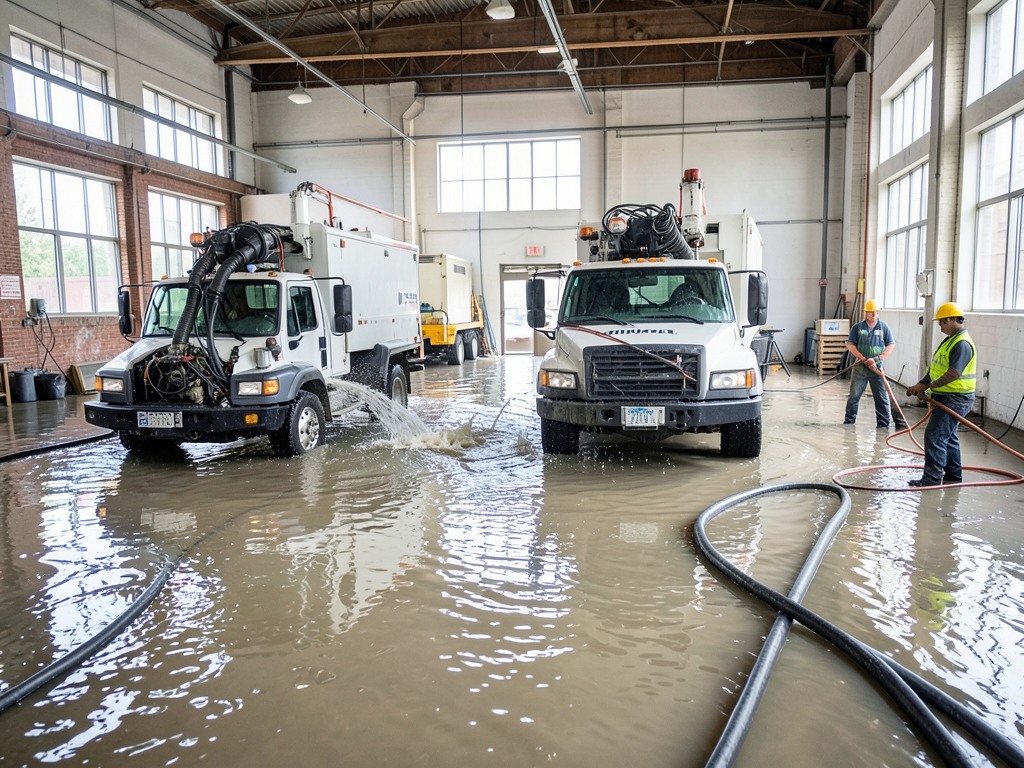
What to do when your Downtown Providence sprinkler system goes off by mistake
When a fire sprinkler system discharges unexpectedly in a Downtown Providence commercial building, the damage can escalate within minutes. The sudden release of pressurized water from pipes designed to hold back thousands of gallons creates a flood that overwhelms standard floor drains and seeps into every porous surface. Business owners in historic mill conversions along the Woonasquatucket River corridor and modern high-rises near the Providence Place Mall face unique challenges when dealing with these emergencies. Protecting Your Historic Fox Point Home from Water Damage and Mold.
The first 30 minutes after accidental discharge determines the scope of restoration needed. Water from aged sprinkler lines often contains rust sediment and stagnation byproducts that create Category 2 or 3 contamination. Unlike clean water from a broken supply line, this water carries the risk of microbial growth and staining on historic brick and timber elements common in Providence’s industrial architecture. Immediate response requires understanding the system type, locating the main shutoff valve, and protecting sensitive equipment before restoration professionals arrive. Get Immediate 24/7 Emergency Water Extraction in Downtown Providence.
Downtown Providence buildings face specific vulnerabilities due to the city’s freeze-thaw cycles and aging infrastructure. Many commercial properties still use wet pipe systems that become brittle in sub-zero temperatures, while others rely on dry pipe systems that can trap moisture and develop corrosion. The combination of historic construction methods and modern fire safety requirements creates a perfect storm for accidental discharge when maintenance is deferred or when thermal expansion causes pipe failure.
Understanding the immediate steps to take can save thousands in restoration costs and minimize business interruption. This guide covers everything from emergency shutdown procedures to insurance claim navigation, with specific focus on the unique challenges faced by Providence business owners dealing with accidental sprinkler discharge.
Understanding Downtown Providence Sprinkler System Types
Commercial buildings in Downtown Providence primarily use three types of fire suppression systems, each with distinct failure patterns. Wet pipe systems contain water under pressure at all times and are most common in heated spaces. Dry pipe systems use compressed air that releases when a sprinkler head activates, making them ideal for unheated areas like parking garages. Pre-action systems require both a smoke detector signal and sprinkler head activation, providing an extra layer of protection against accidental discharge.
Wet pipe systems in older Downtown buildings often experience failures due to thermal expansion. When water freezes in a section of pipe and then thaws, the resulting pressure spike can cause a sprinkler head to burst or a pipe joint to fail. The sound resembles a sudden pop followed by a rushing water noise that echoes through ductwork and open floor plans common in converted mill buildings. Reliable Help for Sump Pump Failures and Flooding in Smith Hill.
Dry pipe systems face different challenges in Providence’s climate. The compressed air can hold moisture that condenses over time, leading to corrosion in the pipe interior. When this corrosion creates a pinhole leak, the system loses air pressure and triggers a full discharge as it attempts to refill. The distinctive hissing sound of air escaping often precedes the water release by several seconds, providing a brief warning window.
Pre-action systems, while more sophisticated, can still malfunction due to electrical issues or sensor failures. A power surge or faulty smoke detector can cause the control panel to send a false activation signal. The result is a discharge that mimics a real fire event, complete with water flow alarms and system lockdown that prevents immediate manual shutoff.
Immediate Emergency Response Steps
When sprinkler heads suddenly discharge water, every second counts. The first priority is locating the system control valve, typically found in a mechanical room, stairwell, or utility closet. In Downtown Providence buildings, these valves often have a red or yellow wheel handle and may be locked for security. The valve will be labeled with system information and should have a sign indicating whether it controls a wet pipe, dry pipe, or pre-action system.
Turning the valve clockwise shuts off water flow, but this action triggers the system’s tamper alarm. Building occupants should expect audible alarms and may need to provide identification to security personnel or the fire department when they arrive. The valve handle requires firm pressure to turn and may be stiff from lack of use, especially in systems that haven’t discharged for years. EPA guidelines for moisture control and mold prevention.
While shutting off the main valve, someone should immediately notify building management and the fire department. Even though this is an accidental discharge, the system’s alarm will have alerted emergency services. Having someone available to explain the situation prevents unnecessary emergency response escalation and ensures proper documentation for insurance purposes.
Protecting sensitive equipment and documents becomes critical during the discharge. Water flows along the path of least resistance, often traveling through ceiling spaces and along electrical conduit. In open-plan offices and creative spaces common in Downtown Providence, water can spread across multiple rooms before accumulating in low spots. Moving computers, servers, and irreplaceable documents to higher ground or covering them with plastic sheeting can prevent catastrophic data loss.
The distinctive smell of stagnant water from aged sprinkler lines often indicates Category 2 or 3 contamination. This water may contain rust, bacteria, and other contaminants that require specialized cleaning beyond simple water removal. The presence of this contamination affects both the restoration approach and insurance claim classification. Professional Mold Removal and Remediation Services for East Side Homeowners.
Understanding Water Categories and Contamination Risks
Water from sprinkler systems rarely qualifies as clean water due to the age and condition of most commercial systems. Category 1 water, which is clean and poses minimal risk, typically comes only from broken supply lines or rainwater. Sprinkler discharge usually falls into Category 2 or 3 due to the presence of contaminants accumulated in the pipes over years of use.
Category 2 water, or “gray water,” contains significant contamination and can cause discomfort or illness if contacted or consumed. In sprinkler systems, this includes water that has been sitting in pipes for extended periods, collecting rust, scale, and bacterial growth. The water often appears cloudy and may have a musty odor indicative of microbial activity.
Category 3 water, or “black water,” is grossly contaminated and can contain pathogenic, toxigenic, or other harmful agents. Sprinkler discharge becomes Category 3 when it picks up additional contaminants as it flows through building materials, or when the system itself has been compromised by contamination sources. This includes water from systems with known bacterial growth or those that have been exposed to chemical contaminants.
The contamination level affects both the restoration approach and insurance coverage. Category 3 water requires more extensive cleaning, disinfection, and material removal than Category 2. Porous materials like carpet, ceiling tiles, and insulation that contact contaminated water typically require removal rather than cleaning. Understanding this distinction helps business owners make informed decisions about restoration scope and cost.
Testing water quality becomes important for documentation and insurance purposes. Professional restoration companies use ATP testing and other methods to determine contamination levels. This documentation proves invaluable when negotiating with insurance adjusters who may initially assume all water damage involves clean water.
Commercial Water Extraction and Drying Process
Professional water extraction for commercial sprinkler discharge requires industrial-grade equipment far beyond what’s available to most property owners. Truck-mounted extraction units provide the power needed to remove thousands of gallons from large commercial spaces efficiently. These units create strong vacuum pressure that pulls water from carpet, padding, and even some porous surfaces.
The extraction process follows a specific pattern to maximize efficiency. Technicians start at the deepest water accumulation points and work toward the source, using weighted extraction tools for carpet and specialized wands for hard surfaces. In Downtown Providence’s historic buildings, extraction must account for multiple floor levels, as water often travels between stories through ceiling spaces and utility chases.
Moisture detection equipment plays a crucial role in ensuring complete water removal. Thermal imaging cameras reveal temperature differences that indicate moisture presence, while penetrating moisture meters measure water content in materials like wood and drywall. These tools identify hidden water pockets that could lead to secondary damage if left untreated.
Drying equipment deployment follows extraction and requires careful calculation based on cubic footage, material types, and contamination level. Industrial dehumidifiers remove moisture from the air, while air movers create circulation patterns that promote evaporation. In Providence’s high-humidity climate, particularly during summer months, the drying process may take several days even with professional equipment.
Monitoring continues throughout the drying process using psychrometric calculations and moisture content readings. Technicians track progress daily, adjusting equipment placement and run times based on moisture readings from different areas. This data-driven approach ensures complete drying and prevents the warranty issues that arise from premature equipment removal.
Specialized Challenges for Providence Commercial Properties
Downtown Providence’s mix of historic and modern commercial buildings creates unique restoration challenges. Many mill conversions feature timber framing, brick masonry, and plaster walls that respond differently to water exposure than modern construction materials. Timber can warp or develop mold within 24-48 hours of water contact, while historic brick may spall or develop efflorescence when saturated.
The city’s combined sewer overflow system presents additional complications during large-scale water events. When municipal systems become overwhelmed, water can back up through floor drains and create additional flooding. This secondary water intrusion often contains contaminants that elevate the contamination category and require additional safety precautions during restoration.
Providence’s freeze-thaw cycles contribute to sprinkler system vulnerabilities unique to the region. Buildings that appear structurally sound can hide pipe damage from previous winters that only manifests during spring thaw or when temperature fluctuations cause expansion and contraction. This regional factor makes annual system inspections particularly important for local businesses.
Historic preservation requirements can affect restoration approaches in designated districts. Some building materials and construction methods may require specialized treatment to maintain historical integrity while meeting modern restoration standards. This intersection of preservation and restoration often requires coordination with local historical commissions and can extend project timelines.
The proximity to Narragansett Bay influences humidity levels throughout the year, affecting drying times and mold growth potential. Professional restoration in Providence must account for this environmental factor, often requiring longer drying times and more aggressive dehumidification than projects in drier climates would need.
Insurance Claims and Documentation
Navigating insurance claims after sprinkler discharge requires understanding the difference between accidental discharge coverage and other water damage classifications. Most commercial property policies cover accidental discharge, but the specifics vary by carrier and policy type. Some policies exclude certain types of systems or have specific deductibles for sprinkler-related incidents.
Documentation begins immediately after the incident. Photos and videos showing the initial discharge, water spread, and damage to contents provide crucial evidence for claims adjusters. Time-stamped documentation showing the response timeline helps establish the urgency of the situation and justifies emergency service costs.
Professional restoration companies typically provide detailed documentation including moisture readings, contamination testing results, and material inventory. This documentation package becomes the foundation for insurance negotiations, providing objective data that supports the restoration scope and cost estimates.
The claims process often involves multiple parties including the restoration company, insurance adjuster, building management, and sometimes municipal authorities. Clear communication channels and designated points of contact help prevent delays and ensure all parties understand the restoration plan and timeline.
Some businesses benefit from business interruption insurance, which covers lost revenue during restoration. However, this coverage often requires specific documentation showing the direct connection between the water damage and business closure. Maintaining detailed records of lost revenue, additional expenses, and restoration progress supports these claims.
NFPA 25 Compliance and System Reactivation
After restoration, sprinkler systems must be inspected and tested according to NFPA 25 standards before being returned to service. This national standard covers water-based fire protection system inspection, testing, and maintenance, and compliance is required by most local fire codes. The inspection process verifies that all components function correctly and that the system can provide reliable fire protection. NFPA 25 standards for fire protection system inspection.
System reactivation involves several steps that must be performed by qualified professionals. These include pressure testing to verify there are no leaks, flow testing to ensure proper water distribution, and alarm testing to confirm monitoring systems function correctly. Each step generates documentation required for code compliance and insurance purposes.
Local fire marshals in Providence may require additional inspections or documentation before allowing system reactivation. Some buildings, particularly those in historic districts or with specialized occupancies, face additional scrutiny to ensure restoration work didn’t compromise fire protection capabilities.
The cost of system reactivation and inspection should be factored into the overall restoration budget. While these services represent additional expenses, they’re essential for maintaining code compliance and ensuring occupant safety. Some restoration contracts include coordination with fire protection contractors to streamline this process.
Documentation of all testing and inspections becomes part of the building’s fire protection records. This documentation proves valuable for future insurance renewals, property sales, and ongoing maintenance planning. It also establishes a baseline for system condition that helps identify potential issues before they cause future problems.
Preventing Future Sprinkler System Failures
Regular maintenance prevents most accidental sprinkler discharges. Annual inspections should include checking for corrosion, verifying valve operation, and testing alarm systems. In Providence’s climate, these inspections become particularly important before and after winter to identify potential freeze damage or system vulnerabilities.
Temperature monitoring in areas with sprinkler systems helps prevent freeze-related failures. Installing low-temperature alarms in unheated spaces or areas prone to cold spots provides early warning of conditions that could lead to pipe freezing and subsequent failure during thaw cycles.
Water quality testing can identify corrosion issues before they cause system failure. Testing for pH levels, dissolved oxygen, and microbial activity helps predict where corrosion might occur and allows for preventive treatment. This testing becomes especially important for systems in buildings with known water quality issues.
Upgrading older systems can prevent many common failure modes. This might include replacing corroded pipes, upgrading to more reliable valve types, or installing modern monitoring systems that provide real-time alerts of system anomalies. While these upgrades require investment, they often pay for themselves by preventing costly discharge events. Finding the Most Reliable Water Damage Restoration Experts in Providence.
Employee training on basic system knowledge and emergency response helps minimize damage when failures do occur. Building occupants who know where shutoff valves are located and understand basic system operation can respond more effectively during emergencies, potentially saving thousands in damage costs.
Choosing the Right Restoration Partner
Not all restoration companies have the expertise needed for commercial sprinkler discharge. Look for firms with specific experience in commercial fire suppression system failures, as these situations require different approaches than standard water damage. The ideal partner understands both water damage restoration and fire protection system requirements.
24/7 emergency response capability becomes critical when dealing with sprinkler discharge. Every hour of delay allows water to spread further and increases the risk of secondary damage like mold growth. Response times under 60 minutes should be the minimum standard for commercial restoration services.
Commercial restoration requires different equipment and techniques than residential work. Industrial-grade dehumidifiers, high-capacity air movers, and specialized extraction equipment handle the scale of commercial water events. The restoration company should have access to this equipment and the expertise to deploy it effectively.
Insurance coordination experience helps navigate the claims process smoothly. Restoration companies familiar with commercial insurance requirements can provide the documentation and communication needed to support claims and prevent disputes over coverage or scope of work.
Local knowledge of Providence’s building codes, climate challenges, and infrastructure proves invaluable during restoration. Companies familiar with local conditions can anticipate challenges and plan accordingly, potentially saving time and preventing complications during the restoration process.
Frequently Asked Questions
How quickly should I respond to sprinkler system discharge?
Immediate response within the first 30 minutes is critical. Shut off the main valve, protect sensitive equipment, and contact professional restoration services. Every hour of delay increases damage scope and restoration costs significantly.
Will my insurance cover accidental sprinkler discharge?
Most commercial property policies cover accidental discharge, but coverage specifics vary by policy. Document everything immediately and contact your insurance provider as soon as emergency response is underway. Professional restoration companies can help with insurance documentation.
How long does commercial water damage restoration take?
Restoration timelines vary based on damage extent, contamination level, and building size. Most commercial projects take 3-7 days for water removal and initial drying, with additional time needed for repairs and reconstruction. Providence’s humidity can extend drying times compared to drier climates.
Can I stay open during restoration?
This depends on damage extent and business type. Some businesses can operate in unaffected areas during restoration, while others may need temporary closure. Professional restoration companies can often work in phases to minimize business interruption when possible.
What makes sprinkler discharge different from other water damage?
Sprinkler discharge often involves contaminated water from aged pipes, requires specialized extraction equipment for commercial scale, and must comply with fire protection system standards for reactivation. The contamination risk and system complexity make it more challenging than standard water damage events.
Conclusion
Accidental sprinkler discharge in Downtown Providence commercial buildings requires immediate, professional response to prevent escalating damage. The unique combination of historic architecture, regional climate challenges, and modern fire safety requirements creates situations that demand specialized expertise. Understanding the immediate steps to take, from locating shutoff valves to protecting sensitive equipment, can save thousands in restoration costs and minimize business interruption.
Professional restoration goes beyond simple water removal. It involves understanding contamination risks, using industrial-grade equipment, and ensuring compliance with fire protection standards for system reactivation. The right restoration partner brings not just equipment and technical knowledge, but also insurance coordination experience and local understanding of Providence’s specific challenges.
Prevention through regular maintenance and system upgrades remains the best strategy for avoiding costly discharge events. However, when accidents do occur, having a plan and knowing who to call makes all the difference. The combination of immediate response, professional restoration, and proper documentation protects both your property and your business continuity.
Don’t let sprinkler system failure become a business catastrophe. Understanding these principles and having professional contacts ready ensures you can respond effectively when emergencies strike. Your business deserves the protection that comes from preparation and the right restoration expertise when you need it most.
Call (401) 262-8400 today to schedule your inspection and ensure your sprinkler system is ready for whatever Providence weather brings next.
{
“@context”: “https://schema.org”,
“@type”: “BlogPosting”,
“headline”: “What to do when your Downtown Providence sprinkler system goes off by mistake”,
“description”: “Accidental sprinkler discharge in your Downtown Providence business? Learn immediate shutdown steps, insurance claims, and expert water extraction to protect your property.”,
“wordCount”: 3088,
“datePublished”: “2026-04-14T14:56:00.000Z”,
“dateModified”: “2026-04-14T14:56:00.000Z”,
“inLanguage”: “en-US”,
“mainEntityOfPage”: {
“@type”: “WebPage”,
“@id”: “https://atlaswaterdamagerestorationprovidence.com”
},
“publisher”: {
“@type”: “LocalBusiness”,
“name”: “Atlas Water Damage Restoration Providence”,
“url”: “https://atlaswaterdamagerestorationprovidence.com”
},
“author”: {
“@type”: “Organization”,
“name”: “Atlas Water Damage Restoration Providence”,
“url”: “https://atlaswaterdamagerestorationprovidence.com”
},
“image”: {
“@type”: “ImageObject”,
“url”: “https://atlaswaterdamagerestorationprovidence.com/wp-content/uploads/2026/03/what-to-do-when-your-downtown-providence-sprinkler-1.png”
}
}
{
“@context”: “https://schema.org”,
“@type”: “LocalBusiness”,
“name”: “Atlas Water Damage Restoration Providence”,
“url”: “https://atlaswaterdamagerestorationprovidence.com”,
“address”: {
“@type”: “PostalAddress”,
“addressLocality”: “Providence”
},
“areaServed”: {
“@type”: “City”,
“name”: “Providence”
}
}
{
“@context”: “https://schema.org”,
“@type”: “FAQPage”,
“mainEntity”: [
{
“@type”: “Question”,
“name”: “How quickly should I respond to sprinkler system discharge?”,
“acceptedAnswer”: {
“@type”: “Answer”,
“text”: “Immediate response within the first 30 minutes is critical. Shut off the main valve, protect sensitive equipment, and contact professional restoration services. Every hour of delay increases damage scope and restoration costs significantly.”
}
},
{
“@type”: “Question”,
“name”: “Will my insurance cover accidental sprinkler discharge?”,
“acceptedAnswer”: {
“@type”: “Answer”,
“text”: “Most commercial property policies cover accidental discharge, but coverage specifics vary by policy. Document everything immediately and contact your insurance provider as soon as emergency response is underway. Professional restoration companies can help with insurance documentation.”
}
},
{
“@type”: “Question”,
“name”: “How long does commercial water damage restoration take?”,
“acceptedAnswer”: {
“@type”: “Answer”,
“text”: “Restoration timelines vary based on damage extent, contamination level, and building size. Most commercial projects take 3-7 days for water removal and initial drying, with additional time needed for repairs and reconstruction. Providence’s humidity can extend drying times compared to drier climates.”
}
},
{
“@type”: “Question”,
“name”: “Can I stay open during restoration?”,
“acceptedAnswer”: {
“@type”: “Answer”,
“text”: “This depends on damage extent and business type. Some businesses can operate in unaffected areas during restoration, while others may need temporary closure. Professional restoration companies can often work in phases to minimize business interruption when possible.”
}
},
{
“@type”: “Question”,
“name”: “What makes sprinkler discharge different from other water damage?”,
“acceptedAnswer”: {
“@type”: “Answer”,
“text”: “Sprinkler discharge often involves contaminated water from aged pipes, requires specialized extraction equipment for commercial scale, and must comply with fire protection system standards for reactivation. The contamination risk and system complexity make it more challenging than standard water damage events.”
}
}
]
}
{
“@context”: “https://schema.org”,
“@type”: “BreadcrumbList”,
“itemListElement”: [
{
“@type”: “ListItem”,
“position”: 1,
“name”: “Home”,
“item”: “https://atlaswaterdamagerestorationprovidence.com”
},
{
“@type”: “ListItem”,
“position”: 2,
“name”: “Blog”,
“item”: “https://atlaswaterdamagerestorationprovidence.com/blog”
},
{
“@type”: “ListItem”,
“position”: 3,
“name”: “What to do when your Downtown Providence sprinkler system goes off by mistake”
}
]
}
{
“@context”: “https://schema.org”,
“@type”: “Service”,
“serviceType”: “Water Damage Restoration”,
“provider”: {
“@type”: “LocalBusiness”,
“name”: “Atlas Water Damage Restoration Providence”,
“url”: “https://atlaswaterdamagerestorationprovidence.com”
},
“areaServed”: {
“@type”: “City”,
“name”: “Providence”
},
“description”: “Accidental sprinkler discharge in your Downtown Providence business? Learn immediate shutdown steps, insurance claims, and expert water extraction to protect your property.”
}