
Stopping attic leaks caused by ice dams in your Bristol home
Ice dams forming along your roof edge can cause serious attic leaks that damage insulation, rafters, and ceilings in your Bristol home. When snow melts on a warm roof and refreezes at the colder eaves, it creates a barrier that forces water back under shingles and into your attic. This is a common winter problem in Bristol, RI (02809), where coastal storms and freeze-thaw cycles create ideal conditions for ice dam formation. The result is water-stained ceilings, soggy insulation, and potential mold growth that can compromise your home’s structural integrity.
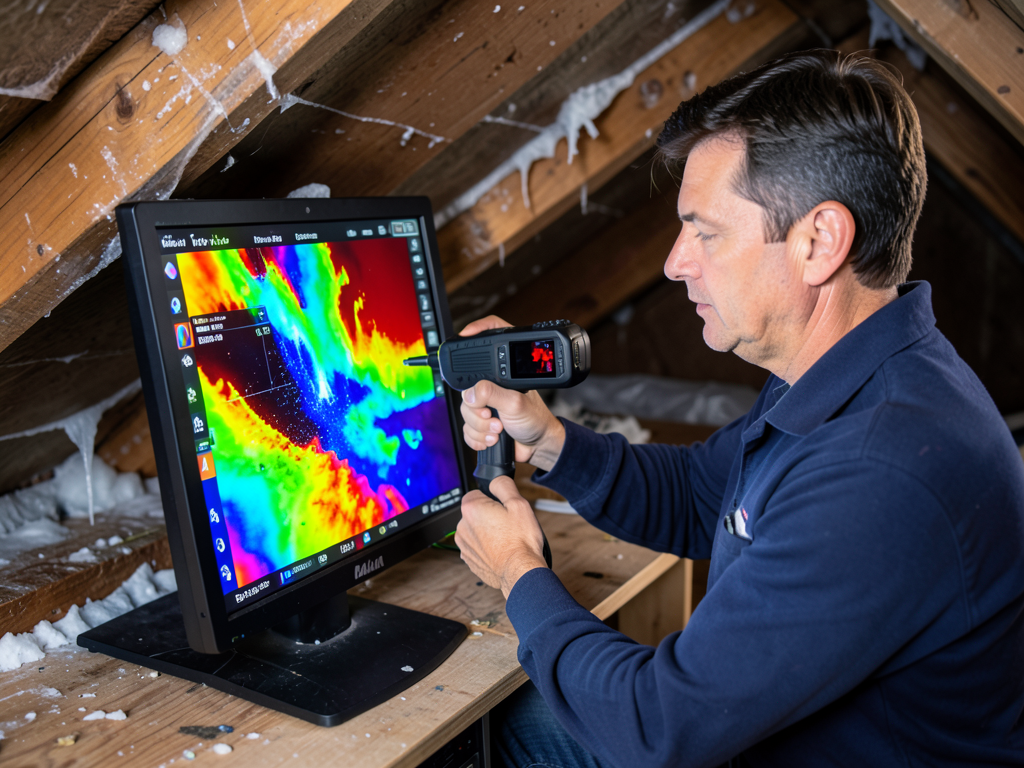
Atlas Water Damage Restoration provides 24/7 emergency response for attic water damage throughout Bristol County. Our certified technicians use thermal imaging to locate hidden moisture in attic spaces, then deploy commercial-grade dehumidifiers and air movers to dry structural components completely. We also coordinate with your insurance provider to streamline claims for ice dam-related damage. Call (401) 262-8400 immediately if you notice water stains on your ceiling or dripping from attic vents during winter storms. Get Immediate 24/7 Emergency Water Extraction in Downtown Providence.
Why Bristol homes are vulnerable to ice dam attic leaks
Bristol’s coastal location and historic architecture create perfect conditions for ice dam formation. The area experiences significant temperature fluctuations during winter, with daytime warming causing snow to melt on south-facing roof slopes. When this meltwater reaches the colder north-facing eaves, it refreezes into thick ice ridges. Historic homes in neighborhoods like Poppasquash and near Colt State Park often have inadequate attic insulation and ventilation, allowing heat to escape and warm the roof deck from below. Protecting Your Historic Fox Point Home from Water Damage and Mold.
The problem compounds with Bristol’s heavy snowfall patterns. Snow acts as an insulator, keeping the bottom layer in contact with the roof at temperatures above freezing even when outdoor air is well below 32°F. This creates a continuous melt-refreeze cycle that builds ice dams several inches thick. The Rhode Island State Building Code (SBC-1) requires proper attic ventilation, but many older Bristol homes were built before these standards existed, making them particularly susceptible to ice dam damage.
Ice dam formation and attic water intrusion process
Ice dam formation follows a predictable pattern that leads to attic leaks. First, snow accumulates on your roof during a winter storm. Heat escaping from your living space through the attic warms the roof deck, causing the bottom layer of snow to melt. This meltwater flows down the roof until it reaches the unheated eaves, where temperatures remain below freezing. The water refreezes, creating an ice ridge that grows thicker with each melt-refreeze cycle.
As the ice dam builds, it creates a reservoir that traps additional meltwater. This pooled water finds entry points through compromised areas: gaps in flashing around chimneys, deteriorated roof valleys, or nail penetrations where shingles have lifted. Once inside the attic, water saturates insulation, drips onto ceiling drywall, and can travel horizontally along rafters before finding a path into living spaces below. The moisture also creates conditions for mold growth within 24-48 hours, particularly in cellulose insulation common in older Bristol homes. Finding the Most Reliable Water Damage Restoration Experts in Providence.
Warning signs of ice dam attic leaks
Recognizing ice dam damage early can prevent extensive repairs. Look for these warning signs in your Bristol home during or after winter storms. Water stains appearing on ceilings below attic spaces indicate active leaks. These stains often start as small brown spots but can spread into large discolored areas as water continues to enter. You might notice paint bubbling or peeling where moisture has penetrated drywall. EPA mold remediation guidelines.
Inside your attic, check for visible water dripping from rafters, wet spots on insulation, or ice formations on the underside of roof decking. A musty odor in your attic suggests mold growth from previous moisture events. Outside, look for large icicles hanging from roof edges or a visible ridge of ice along the eaves. If you see ice buildup in your gutters, water may be forced under shingles rather than draining properly. These signs indicate immediate need for professional assessment before structural damage occurs. Professional Mold Removal and Remediation Services for East Side Homeowners.
Emergency ice dam removal and leak prevention
When ice dams cause active leaks, immediate action prevents further damage. Never attempt to chip away ice with tools, as this can damage shingles and create new leak points. Instead, use calcium chloride ice melt products applied in a sock or pantyhose along the roof edge to create channels for water drainage. This method works slowly but safely. For severe situations, professional steam removal uses low-pressure steam to melt ice without damaging roofing materials.
Long-term prevention requires addressing the root causes of ice dam formation. Improve attic insulation to R-38 or higher, sealing all air leaks between living spaces and the attic. Install proper ventilation with soffit and ridge vents to maintain consistent roof temperatures. In Bristol’s historic districts, these upgrades must comply with preservation guidelines while meeting modern energy efficiency standards. Consider installing heat cables along roof edges in problem areas, though this is a temporary solution that requires electricity during storms.
Professional attic water damage restoration process
When ice dams cause attic leaks, professional restoration follows a systematic approach to prevent secondary damage. First, technicians perform a comprehensive moisture assessment using thermal imaging cameras to detect water migration patterns invisible to the naked eye. This diagnostic step identifies all affected areas, including insulation that appears dry but contains hidden moisture pockets that can lead to mold growth.
Next, water extraction removes standing water using specialized vacuums designed for insulation and structural materials. Saturated insulation, particularly cellulose, often requires complete removal as it loses its insulating properties when wet and can harbor mold spores. The exposed attic structure then undergoes antimicrobial treatment to prevent mold colonization in the warm, moist environment. Commercial-grade dehumidifiers and air movers create a drying chamber that removes moisture from wood framing, rafters, and any remaining insulation over 3-5 days.
Attic insulation replacement after water damage
Water-damaged insulation requires careful evaluation and often complete replacement. Fiberglass batts can sometimes be salvaged if dried within 48 hours using professional equipment, but they lose significant R-value when compressed by water weight. Cellulose insulation, common in Bristol’s older homes, acts like a sponge when wet and typically must be removed entirely. It not only loses insulating properties but can also support mold growth and create an odor problem as it decomposes.
When replacing insulation, consider upgrading to modern materials with better moisture resistance. Spray foam insulation provides an air seal that prevents heat loss while adding structural rigidity to roof rafters. However, in historic Bristol homes, any insulation work must balance energy efficiency with preservation requirements. The Rhode Island State Building Code (SBC-1) Section 503.2.1.1 specifies minimum R-values for attic insulation, but historic district guidelines may require approval for visible changes to roof structures or ventilation patterns.
Mold remediation in water-damaged attics
Attic mold growth following ice dam leaks poses serious health risks and structural concerns. Mold can begin colonizing damp wood surfaces within 24-48 hours of water exposure. Common attic mold species include Aspergillus, Penicillium, and Stachybotrys (black mold), which release spores that can affect indoor air quality throughout your home. The confined attic space concentrates these spores, making professional remediation essential.
Professional mold remediation follows IICRC S520 standards for containment and removal. Technicians establish negative air pressure to prevent spore migration, remove contaminated materials, and clean remaining surfaces with HEPA vacuuming and antimicrobial treatments. Air quality testing after remediation verifies that spore counts return to normal levels. In Bristol’s humid coastal climate, maintaining proper attic ventilation after remediation prevents recurrence. This includes ensuring soffit vents remain clear of insulation and that ridge vents provide adequate exhaust airflow.
Insurance claims for ice dam damage in Bristol
Navigating insurance claims for ice dam damage requires understanding coverage limitations and documentation requirements. Most homeowner policies cover sudden, accidental water damage from ice dams but may exclude damage from long-term moisture problems or poor maintenance. Document damage thoroughly with photos and videos before any cleanup begins. Keep damaged materials for adjuster inspection, as they may need to verify the cause and extent of damage. Flood Cleanup & Extraction.
Atlas Water Damage Restoration works directly with insurance providers including State Farm, Liberty Mutual, and Nationwide to streamline the claims process for Bristol homeowners. We provide detailed damage assessments, moisture mapping, and repair estimates that meet insurance company requirements. Our technicians can explain the restoration process to adjusters and answer technical questions about structural drying and mold prevention. This coordination often results in faster claim approval and ensures all necessary repairs are included in the settlement.
Preventing future ice dam formation
Preventing ice dams requires a comprehensive approach to attic and roof management. Start with a professional energy audit to identify heat loss paths from your living space to the attic. Common culprits include recessed lighting fixtures, bathroom exhaust fans venting into the attic, and inadequate insulation around chimneys and plumbing stacks. Seal these leaks using fire-rated caulk or foam to prevent warm air from reaching the roof deck.
Improve attic ventilation to maintain consistent roof temperatures. The general rule calls for 1 square foot of ventilation for every 150 square feet of attic floor space, split between intake vents (soffit) and exhaust vents (ridge or gable). In Bristol’s historic homes, achieving this balance may require creative solutions that preserve architectural character while meeting modern performance standards. Consider installing a snow rake to safely remove snow from roof edges after major storms, reducing the snow load that contributes to ice dam formation.
Structural repairs for ice dam damage
Ice dam leaks can cause structural damage that extends beyond surface water stains. Prolonged moisture exposure weakens roof rafters, ceiling joists, and wall studs, compromising your home’s structural integrity. Water-damaged wood develops rot that can spread unseen within wall cavities and attic spaces. In severe cases, ceiling drywall may sag or collapse under the weight of saturated insulation.
Professional assessment includes checking for wood rot using moisture meters and probing suspect areas with an awl to test structural integrity. Damaged rafters may need sistering with new lumber or complete replacement if rot extends deeply into the wood. Ceiling joists affected by prolonged moisture exposure require evaluation to ensure they can support the weight of drywall and insulation. These repairs must comply with Rhode Island building codes, which specify load-bearing requirements for structural repairs in residential construction.
24/7 emergency response for Bristol attic leaks
Ice dam leaks require immediate professional attention to prevent extensive damage. Atlas Water Damage Restoration maintains 24/7 emergency response teams strategically positioned throughout Bristol County for rapid deployment. Our average response time to Bristol (02809) is under 60 minutes, ensuring we can begin emergency tarping and water extraction before damage spreads to finished living spaces below.
Our emergency response vehicles carry specialized equipment for attic work, including portable dehumidifiers that fit through tight access points, moisture meters with extended probes for deep material testing, and HEPA air scrubbers to maintain air quality during remediation. We coordinate with roofing contractors for temporary tarping when needed, preventing additional water entry during active storms. This comprehensive approach addresses both immediate damage control and long-term restoration needs.
Comparing ice dam prevention methods
| Method | Cost Range | Effectiveness | Installation Complexity | Best For |
|---|---|---|---|---|
| Improved attic insulation | $1,500 – $4,000 | High | Moderate | All homes |
| Roof ventilation upgrade | $800 – $2,500 | High | Moderate | Homes with poor airflow |
| Heat cables | $300 – $800 | Moderate | Low | Problem areas only |
| Snow rake use | $50 – $100 | Moderate | Low | After heavy storms |
| Ice and water shield | $500 – $1,500 | High | High | New roof installations |
Ice dam removal techniques comparison
| Technique | Safety for Roof | Speed | Cost | Best Conditions |
|---|---|---|---|---|
| Calcium chloride socks | Very safe | Slow | Low | Minor dams |
| Roof rake (ground) | Very safe | Moderate | Low | Fresh snow |
| Professional steam | Very safe | Fast | High | Severe dams |
| Hot water pressure | Moderate | Fast | High | Emergency only |
| Chipping tools | Dangerous | Fast | Low | Never recommended |
Frequently Asked Questions
How quickly should I address ice dam leaks?
Address ice dam leaks immediately. Water continues to enter your home as long as ice dams exist, and moisture can cause permanent damage to structural components within 24-48 hours. Call (401) 262-8400 for 24/7 emergency response in Bristol.
Will my insurance cover ice dam damage?
Most homeowner policies cover sudden, accidental water damage from ice dams. However, coverage varies by carrier and policy specifics. Document damage thoroughly and contact your insurance provider immediately. Atlas Water Damage Restoration can assist with claims documentation and adjuster coordination.
Can I prevent ice dams without major renovations?
Yes. Simple steps include using a roof rake to remove snow after storms, ensuring bathroom and kitchen vents exhaust outdoors rather than into the attic, and sealing visible air leaks around attic access points. These measures reduce heat loss that contributes to ice dam formation.
How long does attic restoration take after ice dam damage?
Professional attic restoration typically takes 3-7 days, depending on damage extent. This includes moisture assessment, water extraction, drying, antimicrobial treatment, and insulation replacement if needed. Severe cases requiring structural repairs may take longer.
Are ice dams a sign of poor insulation?
Ice dams often indicate inadequate attic insulation or ventilation, but they can also form in well-insulated homes during extreme weather. Heat sources like recessed lighting, ductwork, or chimneys can create warm spots that melt snow even with good overall insulation.
Take action now to protect your Bristol home
Ice dam attic leaks can cause thousands of dollars in damage if left unaddressed. The combination of Bristol’s coastal storms, historic home construction, and freeze-thaw cycles creates a perfect storm for ice dam formation each winter. Don’t wait until water stains appear on your ceiling or mold begins growing in your attic.
Atlas Water Damage Restoration offers comprehensive ice dam damage assessment and restoration services throughout Bristol, RI. Our certified technicians use advanced moisture detection equipment to identify all affected areas, then implement complete drying and restoration protocols that prevent secondary damage. We understand the unique challenges of Bristol’s historic homes and coastal climate, ensuring your restoration meets both modern building standards and preservation requirements.
Call (401) 262-8400 today to schedule your inspection or request emergency service. Our 24/7 response teams are ready to protect your home from the damaging effects of ice dams. Don’t let another winter storm cause extensive damage to your attic and living spaces below. Take action now to safeguard your Bristol home against ice dam leaks. For more information, visit FEMA ice dam prevention guide.
{
“@context”: “https://schema.org”,
“@type”: “BlogPosting”,
“headline”: “Stopping attic leaks caused by ice dams in your Bristol home”,
“description”: “Protect your Bristol home from attic leaks caused by ice dams. Learn expert solutions, prevention tips, and 24/7 emergency restoration services from Atlas Water Damage Restoration.”,
“wordCount”: 2438,
“datePublished”: “2026-04-22T13:25:00.000Z”,
“dateModified”: “2026-04-22T13:25:00.000Z”,
“inLanguage”: “en-US”,
“mainEntityOfPage”: {
“@type”: “WebPage”,
“@id”: “https://atlaswaterdamagerestorationprovidence.com”
},
“publisher”: {
“@type”: “LocalBusiness”,
“name”: “Atlas Water Damage Restoration Providence”,
“url”: “https://atlaswaterdamagerestorationprovidence.com”
},
“author”: {
“@type”: “Organization”,
“name”: “Atlas Water Damage Restoration Providence”,
“url”: “https://atlaswaterdamagerestorationprovidence.com”
},
“image”: {
“@type”: “ImageObject”,
“url”: “https://atlaswaterdamagerestorationprovidence.com/wp-content/uploads/2026/03/stopping-attic-leaks-caused-by-ice-dams-in-your-br-1.png”
}
}
{
“@context”: “https://schema.org”,
“@type”: “LocalBusiness”,
“name”: “Atlas Water Damage Restoration Providence”,
“url”: “https://atlaswaterdamagerestorationprovidence.com”,
“address”: {
“@type”: “PostalAddress”,
“addressLocality”: “Providence”
},
“areaServed”: {
“@type”: “City”,
“name”: “Providence”
}
}
{
“@context”: “https://schema.org”,
“@type”: “FAQPage”,
“mainEntity”: [
{
“@type”: “Question”,
“name”: “How quickly should I address ice dam leaks?”,
“acceptedAnswer”: {
“@type”: “Answer”,
“text”: “Address ice dam leaks immediately. Water continues to enter your home as long as ice dams exist, and moisture can cause permanent damage to structural components within 24-48 hours. Call (401) 262-8400 for 24/7 emergency response in Bristol.”
}
},
{
“@type”: “Question”,
“name”: “Will my insurance cover ice dam damage?”,
“acceptedAnswer”: {
“@type”: “Answer”,
“text”: “Most homeowner policies cover sudden, accidental water damage from ice dams. However, coverage varies by carrier and policy specifics. Document damage thoroughly and contact your insurance provider immediately. Atlas Water Damage Restoration can assist with claims documentation and adjuster coordination.”
}
},
{
“@type”: “Question”,
“name”: “How long does attic restoration take after ice dam damage?”,
“acceptedAnswer”: {
“@type”: “Answer”,
“text”: “Professional attic restoration typically takes 3-7 days, depending on damage extent. This includes moisture assessment, water extraction, drying, antimicrobial treatment, and insulation replacement if needed. Severe cases requiring structural repairs may take longer.”
}
},
{
“@type”: “Question”,
“name”: “Are ice dams a sign of poor insulation?”,
“acceptedAnswer”: {
“@type”: “Answer”,
“text”: “Ice dams often indicate inadequate attic insulation or ventilation, but they can also form in well-insulated homes during extreme weather. Heat sources like recessed lighting, ductwork, or chimneys can create warm spots that melt snow even with good overall insulation.”
}
}
]
}
{
“@context”: “https://schema.org”,
“@type”: “BreadcrumbList”,
“itemListElement”: [
{
“@type”: “ListItem”,
“position”: 1,
“name”: “Home”,
“item”: “https://atlaswaterdamagerestorationprovidence.com”
},
{
“@type”: “ListItem”,
“position”: 2,
“name”: “Blog”,
“item”: “https://atlaswaterdamagerestorationprovidence.com/blog”
},
{
“@type”: “ListItem”,
“position”: 3,
“name”: “Stopping attic leaks caused by ice dams in your Bristol home”
}
]
}
{
“@context”: “https://schema.org”,
“@type”: “Service”,
“serviceType”: “Water Damage Restoration”,
“provider”: {
“@type”: “LocalBusiness”,
“name”: “Atlas Water Damage Restoration Providence”,
“url”: “https://atlaswaterdamagerestorationprovidence.com”
},
“areaServed”: {
“@type”: “City”,
“name”: “Providence”
},
“description”: “Protect your Bristol home from attic leaks caused by ice dams. Learn expert solutions, prevention tips, and 24/7 emergency restoration services from Atlas Water Damage Restoration.”
}