
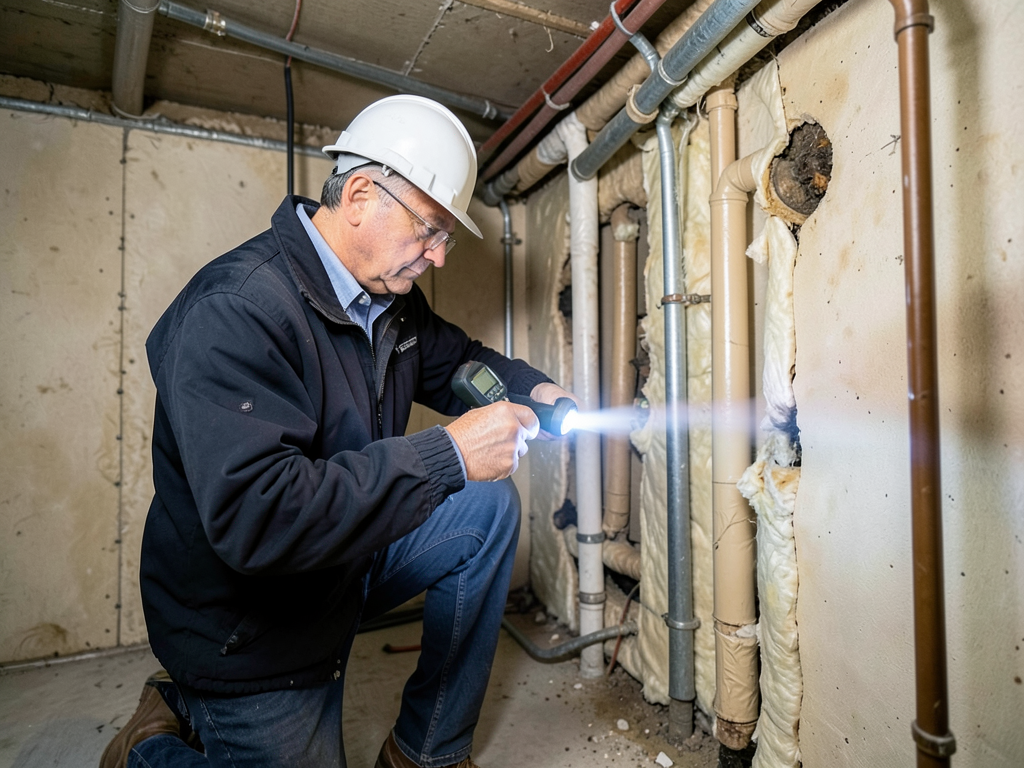
Protecting Your East Side Home from Water Damage While You Travel for the Winter
The East Side of Providence faces unique winter challenges that can turn your vacation into a disaster. Historic homes with aging plumbing systems combined with Rhode Island’s freeze-thaw cycles create a perfect storm for water damage when properties sit vacant. Taking preventative action now can save you thousands in restoration costs and protect your East Side investment from the harsh New England winter. Protecting Your Historic Fox Point Home from Water Damage and Mold.
Why Providence Winters Create a Perfect Storm for East Side Homes
Providence’s coastal climate creates conditions that devastate unprepared homes. The Narragansett Bay effect brings high humidity levels that keep pipes damp, while January temperatures often drop below 20°F, causing rapid freezing. East Side homes, many built before 1940, feature uninsulated crawl spaces and original galvanized plumbing that becomes brittle with age. When water freezes inside these pipes, it expands with 2,000 pounds per square inch of pressure—enough to split copper like a twig. EPA mold prevention guidelines.
Historic triple-deckers and Victorian homes common on the East Side have shared plumbing stacks that complicate winterization. A frozen pipe on the third floor can affect water pressure throughout the entire building. The dense clay soils of Providence also retain moisture, creating hydrostatic pressure against basement walls that forces water through even the smallest foundation cracks when snow melts.. Read more about Preventing basement flooding from leaf-clogged downspouts in the Blackstone neighborhood.
Exterior Winterization Checklist: From Hose Bibs to Gutters
Start your winterization at the property perimeter. Exterior hose bibs are the most vulnerable points in your plumbing system. These outdoor faucets often have pipes running through unheated exterior walls where temperatures plummet fastest. Before you leave:
- Shut Off Interior Valve
Locate the interior shut-off valve for each exterior hose bib, typically in the basement along the pipe leading outside. Turn the valve clockwise until fully closed.. Read more about Protecting a basement wine cellar from moisture and mold in a Wayland Square home.
- Drain Remaining Water
Open the exterior spigot and leave it open for several hours to drain any trapped water. Water left inside will freeze and crack the pipe.
- Install Frost-Proof Covers
Place insulated foam covers over each exterior spigot. These simple covers can prevent wind chill from freezing pipes even when temperatures drop below zero.
Gutters and downspouts require equal attention. Ice dams form when melting snow refreezes at roof edges, forcing water under shingles and into your home. Clean all gutters thoroughly in late fall, removing leaves and debris that trap moisture. Consider installing heat cables along roof edges if your East Side home has a history of ice dam formation.
Rhode Island Building Code Section 1301.3 requires proper drainage away from foundations. Ensure downspouts extend at least five feet from your foundation and direct water toward the street, not toward neighboring properties where it can freeze and create liability issues.
Interior Protections: Insulating Pipes in Unheated Spaces
Interior winterization focuses on protecting vulnerable pipes in unheated areas. East Side basements often feature fieldstone foundations with numerous gaps where cold air infiltrates. Use expanding foam sealant to close gaps around pipes, vents, and foundation cracks. Then insulate all accessible pipes using the appropriate materials:
| Pipe Location | Recommended Insulation | R-Value Needed |
|---|---|---|
| Basement Walls | Foam Pipe Sleeves | R-4 to R-6 |
| Crawl Spaces | Fiber Glass Wrap | R-6 to R-8 |
| Attic Spaces | Heat Tape + Insulation | R-8 to R-10 |
Pay special attention to pipes running along exterior walls. These pipes experience the greatest temperature swings and are most likely to freeze during cold snaps. Use foam insulation sleeves that wrap completely around the pipe, sealing the seam with duct tape to prevent cold air infiltration.
For particularly vulnerable pipes, consider installing electric heat tape. This self-regulating cable warms when temperatures drop below 40°F, preventing freezing without wasting energy. Heat tape is especially valuable for pipes in uninsulated mudrooms or enclosed porches common in East Side historic homes.
High-Tech Prevention: Smart Water Leak Detectors and Shut-off Valves
Modern technology offers sophisticated protection for vacant homes. Smart water leak detectors can alert you to problems before they escalate into disasters. These devices use sensors placed near water heaters, under sinks, and in basements to detect the first signs of moisture. When triggered, they send instant notifications to your smartphone and can even automatically shut off your main water supply.
Whole-house automatic shut-off valves represent the ultimate protection. These systems connect to your main water line and use flow sensors to detect abnormal water usage patterns. If a pipe bursts while you’re in Florida, the valve shuts off water within seconds, potentially saving tens of thousands in damage. Many systems integrate with smart home platforms, allowing you to monitor your home’s water usage remotely through an app.
For East Side residents with older homes, consider installing a point-of-use water monitor on your main line. These devices track water pressure and flow rates, alerting you to gradual pressure drops that indicate potential pipe freezing. Early detection allows you to call a professional before pipes burst. Professional Mold Removal and Remediation Services for East Side Homeowners.
Emergency Steps: What to Do if a Pipe Bursts in Your Providence Home
Despite best preparations, emergencies happen. Knowing exactly what to do when you discover water damage can minimize destruction. The first 30 minutes are critical for preventing mold growth and structural damage.
- Shut Off Main Water Valve
Locate your main water shut-off valve immediately. In East Side homes, this is often in the basement near the front of the house where the water main enters. Turn the valve clockwise until it stops. Get Immediate 24/7 Emergency Water Extraction in Downtown Providence.
- Cut Power to Affected Areas
Water and electricity create lethal combinations. If water threatens electrical outlets or appliances, turn off power at the circuit breaker. Never touch electrical devices while standing in water.
- Document Damage
Take photos and videos of all affected areas before beginning cleanup. This documentation proves invaluable for insurance claims and helps restoration professionals assess the scope of damage. Flood Cleanup & Extraction.
- Extract Standing Water
Use mops, towels, or a wet vacuum to remove standing water. The longer water sits, the more it seeps into porous materials like drywall and hardwood flooring.
Rhode Island’s humid climate means water damage can escalate quickly. Within 24-48 hours, mold begins growing in damp materials. Professional restoration services use industrial-grade dehumidifiers and air movers to dry structures thoroughly, preventing secondary damage that homeowners often overlook.
For East Side residents, local knowledge matters during emergencies. Providence Water maintains a 24-hour emergency line at (401) 521-6303 for water main breaks and severe leaks affecting multiple properties. Keep this number handy alongside your plumber’s contact information.
Professional Winterization Services vs. DIY: Making the Right Choice
Deciding between professional winterization and DIY depends on your home’s age, your comfort with plumbing systems, and the length of your absence. East Side homes present unique challenges that often justify professional expertise.
Professional services offer several advantages. Technicians understand Providence’s specific building patterns and know where to find shut-off valves in historic homes where plumbing may not follow modern conventions. They use commercial-grade equipment like compressed air systems to blow out sprinkler lines and can identify potential problems homeowners miss, such as deteriorating pipe joints or inadequate insulation.
Cost considerations favor professional service for extended absences. A typical professional winterization costs $300-500, while the average water damage restoration claim in Rhode Island exceeds $5,000. The math becomes clear when you consider that a single burst pipe can destroy flooring, drywall, furniture, and personal belongings within hours.
DIY winterization works for short absences and newer homes with accessible plumbing. However, East Side residents should consider professional service if their home is over 50 years old, has had previous plumbing issues, or will be vacant for more than two weeks. The peace of mind during your winter travels often justifies the investment.
Local Resources and Emergency Contacts for East Side Residents
Providence’s East Side encompasses several distinct neighborhoods including College Hill, Blackstone, and Wayland. Each area has unique characteristics that affect winterization strategies. College Hill’s historic district features many homes with original plumbing systems requiring special care, while Wayland’s newer construction may have modern PEX plumbing less susceptible to freezing.
Local utility information proves essential during emergencies. Providence Water’s emergency line operates 24/7 for urgent situations. The Narragansett Bay Commission manages the area’s combined sewer system, which can back up during heavy rains or rapid snowmelt, creating additional flooding risks for basement-level units.
East Side residents should also note the Providence Emergency Management Agency’s winter weather protocols. During severe cold snaps, the agency may activate warming shelters and coordinate with utility companies to prevent service interruptions. Knowing these resources exist provides additional security when traveling during winter months.
Local building codes affect winterization approaches. Rhode Island State Building Code requires specific insulation R-values for different applications, and violations can complicate insurance claims if damage occurs. Professional winterization services understand these requirements and ensure your preparations meet current standards.
Creating Your East Side Winterization Action Plan
Develop a comprehensive winterization checklist tailored to your specific property. Start at least two weeks before your departure date to address any issues that arise during preparation. Your action plan should include:
- Complete plumbing inspection, noting any signs of corrosion or weakness
- Thermostat settings that balance energy savings with freeze prevention (no lower than 55°F)
- Neighbor notification system for checking on your property
- Emergency contact list including your plumber, insurance agent, and restoration service
- Shut-off valve locations and operation instructions for anyone checking your home
Test your preparations before leaving. Run your heating system at the planned temperature for several days, checking for cold spots where pipes might freeze. Verify that all smart devices function correctly and that you receive alerts on your phone. This testing phase often reveals problems you can fix before they cause damage during your absence.
Consider creating a winterization binder with all relevant information, including utility account numbers, emergency contacts, and insurance policy details. Leave this with a trusted neighbor or family member who can act quickly if problems arise. The few minutes spent organizing this information can save hours of panic during an emergency.
Beyond Pipes: Other Winter Risks for Vacant East Side Homes
While frozen pipes represent the most common winter threat, other risks deserve attention when preparing your East Side home for winter travel. Ice dams can cause roof leaks that go unnoticed for weeks, creating perfect conditions for mold growth. Snow accumulation on flat or low-slope roofs common in some East Side buildings can exceed load-bearing capacities, potentially causing structural damage.
Heating system failures represent another significant risk. If your furnace stops working during a cold snap, interior temperatures can drop below freezing within hours, regardless of your pipe insulation efforts. Consider installing a temperature monitoring device that alerts you if indoor temperatures fall below your preset threshold. Reliable Help for Sump Pump Failures and Flooding in Smith Hill.
Coastal flooding from nor’easters affects properties near Narragansett Bay and the Seekonk River. While East Side homes sit on higher ground than downtown Providence, basement flooding remains possible during extreme weather events. Ensure your sump pump functions correctly and consider a battery backup system that operates during power outages.
Security concerns multiply when homes sit vacant during winter months. Beyond water damage, break-ins increase when properties appear unoccupied. Use timers on interior lights, pause mail delivery, and consider a security system that monitors for both intrusion and environmental hazards like smoke or carbon monoxide.
Trust the East Side Experts for Your Winter Protection Needs
East Side homeowners deserve specialized knowledge of local building patterns, climate challenges, and emergency response protocols. Professional winterization services understand the unique vulnerabilities of Providence’s historic housing stock and provide solutions tailored to local conditions.
Atlas Water Damage Restoration Providence brings 15+ years of local experience to every winterization project. Our technicians know exactly where to find shut-off valves in 1900s triple-deckers and understand how Narragansett Bay’s humidity affects drying times after water damage. We don’t just prevent problems—we provide peace of mind through comprehensive protection strategies.
Don’t let winter travel turn into a restoration nightmare. Call (401) 262-8400 today to schedule your professional winterization inspection. Our team will identify vulnerabilities specific to your East Side home and implement proven protection strategies that have safeguarded Providence properties for over a decade. Pick up the phone and call (401) 262-8400 before the next storm hits—your home deserves expert protection.
Frequently Asked Questions
How cold does it need to be for pipes to freeze in Providence?
Pipes begin freezing when temperatures drop below 20°F for six or more consecutive hours. However, wind chill and lack of insulation can cause freezing at 32°F or higher. East Side homes with uninsulated pipes in exterior walls face the greatest risk.
Should I shut off my water completely when leaving for the winter?
Shutting off the main water valve provides the best protection for extended absences. However, if you have automatic sprinkler systems or fire suppression systems, consult a professional about alternative protection methods that maintain these critical systems while securing the rest of your plumbing.
How much does professional winterization cost in Providence?
Professional winterization services in Providence typically range from $300-500 for standard homes. Larger properties or those with complex plumbing systems may cost more. This investment pales compared to the average $5,000+ cost of water damage restoration from a single burst pipe. For more information, visit NFPA winter fire safety resources.
{
“@context”: “https://schema.org”,
“@type”: “BlogPosting”,
“headline”: “Protecting your East Side home from water damage while you travel for the winter”,
“description”: “Essential winterization steps for East Side Providence homes to prevent frozen pipes, ice dams, and costly water damage while you’re away this winter.”,
“wordCount”: 2234,
“datePublished”: “2026-05-27T09:54:00.000Z”,
“dateModified”: “2026-05-27T09:54:00.000Z”,
“inLanguage”: “en-US”,
“mainEntityOfPage”: {
“@type”: “WebPage”,
“@id”: “https://atlaswaterdamagerestorationprovidence.com”
},
“publisher”: {
“@type”: “LocalBusiness”,
“name”: “Atlas Water Damage Restoration Providence”,
“url”: “https://atlaswaterdamagerestorationprovidence.com”
},
“author”: {
“@type”: “Organization”,
“name”: “Atlas Water Damage Restoration Providence”,
“url”: “https://atlaswaterdamagerestorationprovidence.com”
},
“image”: {
“@type”: “ImageObject”,
“url”: “https://atlaswaterdamagerestorationprovidence.com/wp-content/uploads/2026/03/protecting-your-east-side-home-from-water-damage-w-1.png”
}
}
{
“@context”: “https://schema.org”,
“@type”: “LocalBusiness”,
“name”: “Atlas Water Damage Restoration Providence”,
“url”: “https://atlaswaterdamagerestorationprovidence.com”,
“address”: {
“@type”: “PostalAddress”,
“addressLocality”: “Providence”
},
“areaServed”: {
“@type”: “City”,
“name”: “Providence”
}
}
{
“@context”: “https://schema.org”,
“@type”: “FAQPage”,
“mainEntity”: [
{
“@type”: “Question”,
“name”: “How cold does it need to be for pipes to freeze in Providence?”,
“acceptedAnswer”: {
“@type”: “Answer”,
“text”: “Pipes begin freezing when temperatures drop below 20°F for six or more consecutive hours. However, wind chill and lack of insulation can cause freezing at 32°F or higher. East Side homes with uninsulated pipes in exterior walls face the greatest risk.”
}
},
{
“@type”: “Question”,
“name”: “Should I shut off my water completely when leaving for the winter?”,
“acceptedAnswer”: {
“@type”: “Answer”,
“text”: “Shutting off the main water valve provides the best protection for extended absences. However, if you have automatic sprinkler systems or fire suppression systems, consult a professional about alternative protection methods that maintain these critical systems while securing the rest of your plumbing.”
}
},
{
“@type”: “Question”,
“name”: “How much does professional winterization cost in Providence?”,
“acceptedAnswer”: {
“@type”: “Answer”,
“text”: “Professional winterization services in Providence typically range from $300-500 for standard homes. Larger properties or those with complex plumbing systems may cost more. This investment pales compared to the average $5,000+ cost of water damage restoration from a single burst pipe. For more information, visit NFPA winter fire safety resources.”
}
}
]
}
{
“@context”: “https://schema.org”,
“@type”: “HowTo”,
“name”: “Exterior Winterization Steps”,
“step”: [
{
“@type”: “HowToStep”,
“position”: 1,
“name”: “Shut Off Interior Valve”,
“text”: “Locate the interior shut-off valve for each exterior hose bib, typically in the basement along the pipe leading outside. Turn the valve clockwise until fully closed.”
},
{
“@type”: “HowToStep”,
“position”: 2,
“name”: “Drain Remaining Water”,
“text”: “Open the exterior spigot and leave it open for several hours to drain any trapped water. Water left inside will freeze and crack the pipe.”
},
{
“@type”: “HowToStep”,
“position”: 3,
“name”: “Install Frost-Proof Covers”,
“text”: “Place insulated foam covers over each exterior spigot. These simple covers can prevent wind chill from freezing pipes even when temperatures drop below zero.”
}
],
“image”: “https://atlaswaterdamagerestorationprovidence.com/wp-content/uploads/2026/03/protecting-your-east-side-home-from-water-damage-w-1.png”
}
{
“@context”: “https://schema.org”,
“@type”: “BreadcrumbList”,
“itemListElement”: [
{
“@type”: “ListItem”,
“position”: 1,
“name”: “Home”,
“item”: “https://atlaswaterdamagerestorationprovidence.com”
},
{
“@type”: “ListItem”,
“position”: 2,
“name”: “Blog”,
“item”: “https://atlaswaterdamagerestorationprovidence.com/blog”
},
{
“@type”: “ListItem”,
“position”: 3,
“name”: “Protecting your East Side home from water damage while you travel for the winter”
}
]
}
{
“@context”: “https://schema.org”,
“@type”: “Service”,
“serviceType”: “Water Damage Restoration”,
“provider”: {
“@type”: “LocalBusiness”,
“name”: “Atlas Water Damage Restoration Providence”,
“url”: “https://atlaswaterdamagerestorationprovidence.com”
},
“areaServed”: {
“@type”: “City”,
“name”: “Providence”
},
“description”: “Essential winterization steps for East Side Providence homes to prevent frozen pipes, ice dams, and costly water damage while you’re away this winter.”
}