
How to handle a water damage insurance claim in Rhode Island without the stress
Water damage strikes without warning. Whether it’s a burst pipe during a Providence freeze or basement flooding after a Nor’easter, the immediate panic is followed by a daunting question: will my insurance cover this? In Rhode Island, where historic homes and coastal weather create unique vulnerabilities, understanding the insurance claim process is essential. This guide walks you through the exact steps to document damage, communicate with adjusters, and get your restoration approved without unnecessary delays. Rhode Island Department of Business Regulation.
The first 24 hours after discovering water damage determine whether your claim gets approved or denied. Insurance companies require immediate action to prevent further damage, and documentation must be thorough from day one. In Rhode Island, where many homes date back to the 1800s and have lead paint or asbestos, proper documentation also ensures compliance with state remediation requirements. This article breaks down the Rhode Island-specific insurance landscape, shows you exactly what photos and moisture readings to collect, and explains how working with a local IICRC-certified restoration company can strengthen your claim. Get Immediate 24/7 Emergency Water Extraction in Downtown Providence.
Immediate Steps to Take When Water Damage Occurs in Providence
Safety comes first. Before touching anything, shut off electricity to affected areas and identify the water source. In Providence’s older homes, especially those in College Hill or Federal Hill, water can travel through shared walls and floors, making the source harder to locate. Once safe, begin documenting everything with your phone. Insurance adjusters need to see the full extent of damage, not just the obvious areas. Carpet Water Extraction.
Take wide-angle photos of each room showing water spread, then close-up shots of damaged materials. For Category 3 water events like sewage backups common in Providence’s combined sewer overflow areas, document contamination levels with video. Use a moisture meter to record readings at the wall base, mid-wall, and ceiling if affected. These readings create a moisture map that proves drying was necessary and complete.. Read more about Who to Call for Instant Water Damage Cleanup in South Providence.
Time matters. Rhode Island insurance policies often require notification within 24-48 hours. Call your agent immediately and email photos. Keep a log of every conversation with dates, times, and names. This documentation trail prevents disputes later when adjusters question whether damage was pre-existing or new.. Read more about Dealing with water damage in a Wanskuck triple-decker rental property.
Understanding Rhode Island Insurance Laws That Affect Your Claim
Rhode Island follows specific insurance regulations that differ from neighboring states. Under Rhode Island General Laws § 27-5-3, insurers must handle water damage claims promptly and cannot unreasonably delay payment. The state also enforces the “matching” rule, requiring insurers to replace entire sections rather than patching damaged areas, which often increases claim values.
Coastal properties near Narragansett Bay face additional considerations. Standard homeowners policies exclude flood damage, requiring separate National Flood Insurance Program coverage. Many Providence residents in low-lying areas like Fox Point or the Jewelry District discover too late that their sump pump failure during a storm isn’t covered without an endorsement. Understanding these exclusions before disaster strikes prevents claim denials. EPA Mold Guidelines.
Rhode Island allows homeowners to hire public adjusters who work on contingency to maximize claim settlements. However, the state caps public adjuster fees at 10% of the claim amount, protecting homeowners from excessive charges. When choosing between a public adjuster and working directly with your restoration company, consider that restoration contractors often have established relationships with insurance carriers and can expedite approvals. Protecting Your Historic Fox Point Home from Water Damage and Mold.
Essential Documentation Checklist for Rhode Island Claims
Insurance adjusters need specific evidence to approve your claim. Create a documentation package that includes: wide-angle photos of all affected areas, close-up damage photos showing material types and extent, moisture meter readings with timestamps, inventory of damaged contents with approximate values, and any receipts for emergency services already performed.
For historic Providence homes, document pre-existing conditions. If you’re claiming damage to original hardwood floors or plaster walls, show they were in good condition before the incident. Insurance companies often deny claims citing wear and tear, so having “before” photos from real estate listings or recent renovations strengthens your position.
Include structural assessments from licensed contractors. In Rhode Island, where many homes have balloon framing or stone foundations, proving structural integrity requires professional evaluation. A structural engineer’s report showing water compromised load-bearing elements can significantly increase your claim settlement, as these repairs fall under different coverage categories than cosmetic damage. Professional Mold Removal and Remediation Services for East Side Homeowners.
Common Rhode Island Water Damage Scenarios and Coverage Issues
Rhode Island’s climate creates distinct water damage patterns. Winter freeze-thaw cycles cause burst pipes in uninsulated crawl spaces common in Providence’s triple-decker homes. Insurance typically covers sudden pipe bursts but may deny claims for pipes that froze due to lack of maintenance. Document pipe age and maintenance history to prove the incident was unavoidable.
Sewer backup coverage requires a specific endorsement in Rhode Island. Without it, claims for basement flooding from overwhelmed municipal systems get denied. Providence’s combined sewer overflow system, managed by the Narragansett Bay Commission, frequently backs up during heavy rains. Check your policy declarations page for “backwater valve” or “sewer backup” coverage before you need it. Flood Cleanup & Extraction.
Category 3 water events involving sewage or contaminated floodwater require specialized remediation. Rhode Island follows IICRC S500 standards for water damage restoration, mandating specific cleaning protocols and disposal methods. Insurance adjusters look for proof of proper Category 3 remediation when approving claims, as improper cleanup can lead to mold issues and future liability.
How Providence Restoration Companies Work with Insurance Adjusters
Professional restoration companies in Providence understand local insurance requirements. They provide detailed scopes of work using Xactimate software, the industry standard that insurance adjusters use to price repairs. A thorough scope includes demolition estimates, drying equipment calculations based on cubic footage, and material replacement costs specific to Rhode Island’s building market.
Restoration companies also provide moisture mapping and drying logs that prove equipment was necessary and effective. Insurance adjusters question drying equipment charges without documentation showing humidity levels dropped from unsafe to safe ranges. Daily moisture readings showing progress from 90% to below 16% moisture content satisfy this requirement.
Direct billing arrangements between restoration companies and insurance carriers streamline the process. Instead of paying upfront and waiting for reimbursement, the restoration company bills the insurance company directly. This arrangement requires the company to be on the insurance company’s preferred vendor list, which involves meeting specific certification and insurance requirements.
Frequently Asked Questions About Rhode Island Water Damage Claims
How long do I have to file a water damage insurance claim in Rhode Island?
Rhode Island insurance policies typically require notification within 24-48 hours of discovering damage. However, you have up to one year to file a formal claim, though delays can complicate approval if damage worsens or appears pre-existing.
Will my insurance cover mold remediation in Providence?
Standard policies exclude mold damage unless it results from a covered water event. If a burst pipe causes water damage that leads to mold, the mold remediation is usually covered. However, mold from long-term moisture issues or poor ventilation typically isn’t covered.
What if my insurance adjuster denies my claim?
Rhode Island law allows you to request a second inspection or hire a public adjuster. You can also file a complaint with the Rhode Island Department of Business Regulation if you believe the denial was unfair. Many denials get reversed with additional documentation or professional assessments.
Step-by-Step Guide to Managing Your Insurance Claim
- Document Everything Immediately
Take photos and videos of all damage before cleanup begins. Include time stamps and location markers for each image.
- Notify Your Insurance Company
Call your agent within 24 hours. Follow up with an email containing your documentation and a brief description of the incident.
- Mitigate Further Damage
Take reasonable steps to prevent additional damage, like placing tarps or using fans. Document these efforts as they show you acted responsibly.
- Get Professional Assessments
Have a licensed contractor or restoration company evaluate damage and provide written estimates using industry-standard software.
- Review Your Policy
Understand your coverage limits, deductibles, and exclusions before meeting with the adjuster. This knowledge helps you advocate for full coverage.
- Meet the Adjuster with Documentation
Be present during the adjuster’s inspection and provide all your documentation. Point out damage they might miss.
- Review the Settlement Offer
Compare the adjuster’s offer with your contractor’s estimate. If they differ significantly, request justification or a second opinion.
- Appeal if Necessary
If the settlement seems inadequate, provide additional documentation or get a second professional opinion to support your appeal.
Avoiding Common Mistakes That Delay Rhode Island Claims
Many Rhode Island homeowners make critical errors that delay or reduce their settlements. The most common mistake is beginning cleanup before documenting damage. Insurance adjusters need to see the full extent of damage, including how far water traveled and what materials were affected. Starting cleanup too early can result in claim denials.
Another frequent error is accepting the first settlement offer without question. Insurance adjusters work for the company, not for you. Their initial offers often reflect the minimum they think they can pay. Having a contractor present during the adjuster’s inspection ensures all damage gets properly documented and priced.
Rhode Island homeowners also often misunderstand their policy’s actual cash value versus replacement cost coverage. ACV policies pay based on depreciated value, while replacement cost policies pay to replace items new. Knowing which you have prevents disappointment when settlement checks arrive. If you have ACV coverage, consider upgrading to replacement cost coverage before disaster strikes.
Finally, many homeowners fail to understand their policy’s time limitations. Some Rhode Island policies require claims to be filed within specific timeframes after the damage occurs. Missing these deadlines can result in automatic denials, regardless of the damage extent or your documentation quality.
Special Considerations for Commercial Properties in Providence
Commercial water damage claims in Providence involve additional complexities. Business interruption coverage becomes crucial when water damage forces temporary closure. This coverage requires documentation of lost revenue, which means maintaining detailed financial records before disaster strikes. Without this documentation, proving lost income becomes difficult.
Commercial properties also face stricter code compliance requirements. Rhode Island’s building codes require specific materials and installation methods for commercial renovations. Insurance adjusters need to verify that repairs meet current codes, which can increase settlement amounts if original construction doesn’t comply with modern standards.
Providence’s industrial areas, like the Valley neighborhood, contain many older mill buildings with unique restoration challenges. These structures often have asbestos-containing materials or lead paint that requires specialized remediation. Insurance policies for commercial properties must specifically cover hazardous material abatement, or these costs come out of pocket.
Commercial claims also involve more complex documentation requirements. Businesses need to document not just physical damage but also inventory losses, equipment downtime, and potential liability issues. Working with restoration companies experienced in commercial claims ensures all these factors get properly documented and included in the settlement.
Why Acting Fast Matters in Rhode Island’s Climate
Rhode Island’s humid climate creates perfect conditions for secondary damage if water isn’t removed quickly. Within 24-48 hours, clean water can become Category 2 or 3, significantly increasing remediation costs and potentially voiding coverage. Insurance companies expect policyholders to act quickly to prevent this escalation.
Providence’s historic homes, particularly those in College Hill and Fox Point, contain materials that deteriorate rapidly when wet. Original plaster walls, hardwood floors, and lathe-and-plaster ceilings can warp, stain, or develop mold within days. Quick response not only preserves these irreplaceable materials but also strengthens your insurance claim by showing you prevented further damage.
The state’s freeze-thaw cycles create additional urgency. Water trapped in walls or under floors can freeze and expand, causing additional cracking and structural damage. This secondary damage often isn’t covered if it results from delayed response to the initial incident. Insurance adjusters look for evidence of prompt mitigation when evaluating claims.
Rhode Island’s building codes also require specific drying and remediation timelines. The Rhode Island State Building Code mandates that water-damaged structures be dried to specific moisture content levels within certain timeframes to prevent mold growth. Documentation showing compliance with these requirements strengthens your claim and ensures your home is safe to occupy.
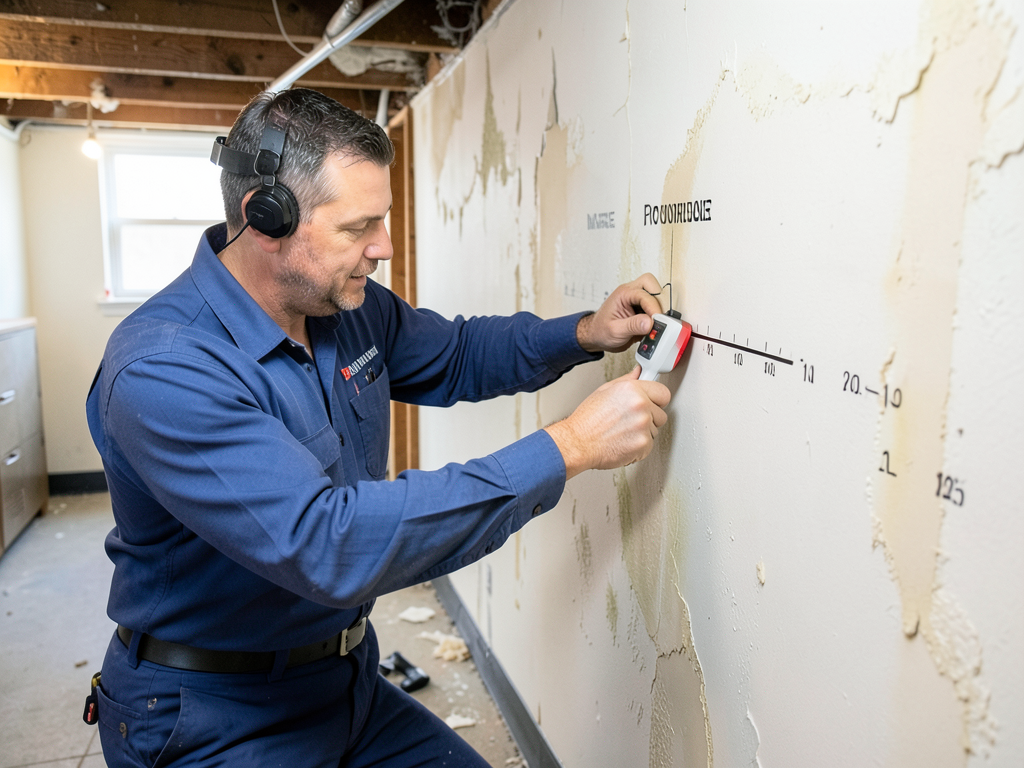
Diagram showing moisture mapping process with readings taken at wall base, mid-wall, and ceiling to document water spread and drying progress.
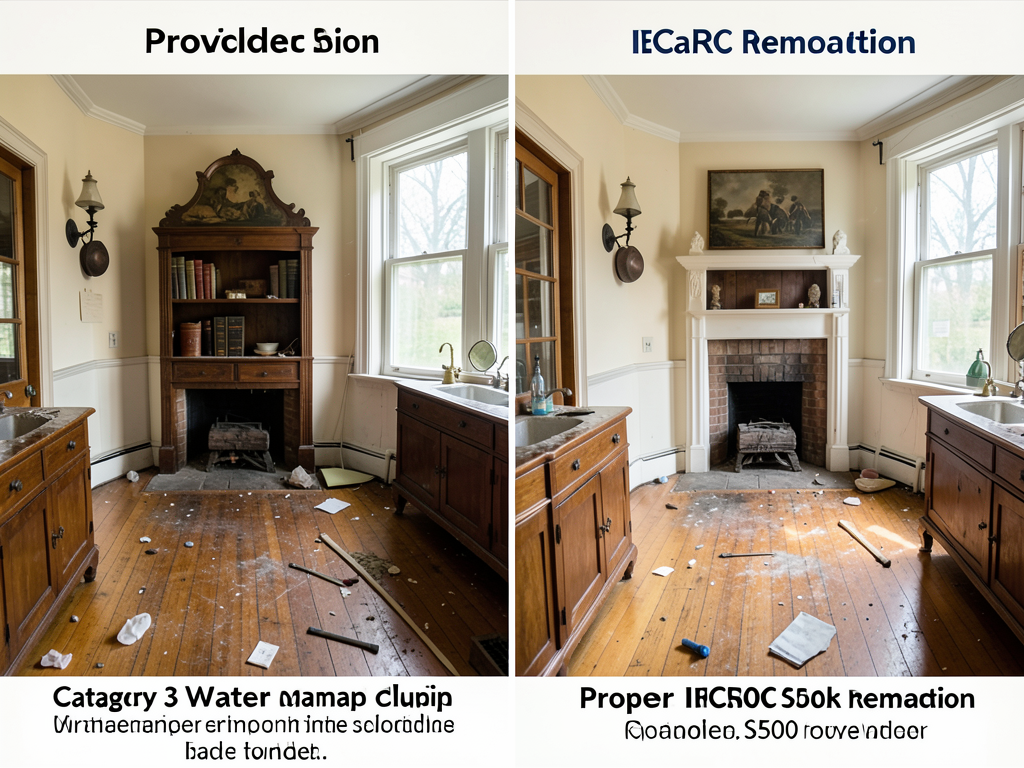
Photo sequence showing Category 3 water contamination in a Providence basement before, during, and after professional remediation following IICRC S500 standards.
Moisture meter reading documentation showing humidity levels dropping from 90% to below 16% over five days of professional drying.
Take Control of Your Water Damage Claim Today
Water damage insurance claims in Rhode Island don’t have to be overwhelming. The key is preparation, documentation, and working with professionals who understand local insurance requirements. Whether you’re dealing with a burst pipe in your historic Providence home or sewer backup in your commercial property, following these steps ensures you get the settlement you deserve.
Don’t let insurance companies minimize your claim or delay your restoration. The longer you wait, the more damage occurs and the harder it becomes to prove your case. Rhode Island’s specific insurance laws and building codes require specialized knowledge to navigate successfully.
Call (401) 262-8400 today to schedule your inspection. Our Providence-based team understands Rhode Island insurance requirements and can help you document damage properly from the start. We work directly with insurance adjusters to ensure your claim gets approved quickly and completely. The first 24 hours matter most – don’t wait until it’s too late to get the help you need.
Pick up the phone and call (401) 262-8400 before the next storm hits. Water damage waits for no one, but with the right preparation and professional help, you can handle your insurance claim without the stress and get your life back to normal faster.
Remember, in Rhode Island, where historic homes and coastal weather create unique challenges, having a local restoration company that understands both the technical and insurance aspects of water damage makes all the difference. Don’t face this alone – call (401) 262-8400 and let our experts guide you through the process.
{
“@context”: “https://schema.org”,
“@type”: “BlogPosting”,
“headline”: “How to handle a water damage insurance claim in Rhode Island without the stress”,
“description”: “Learn how to navigate Rhode Island water damage insurance claims with step-by-step guidance from Providence restoration experts. Get your claim approved faster.”,
“wordCount”: 2360,
“datePublished”: “2026-03-04T15:51:00.000Z”,
“dateModified”: “2026-03-04T15:51:00.000Z”,
“inLanguage”: “en-US”,
“mainEntityOfPage”: {
“@type”: “WebPage”,
“@id”: “https://atlaswaterdamagerestorationprovidence.com”
},
“publisher”: {
“@type”: “LocalBusiness”,
“name”: “Atlas Water Damage Restoration Providence”,
“url”: “https://atlaswaterdamagerestorationprovidence.com”
},
“author”: {
“@type”: “Organization”,
“name”: “Atlas Water Damage Restoration Providence”,
“url”: “https://atlaswaterdamagerestorationprovidence.com”
},
“image”: {
“@type”: “ImageObject”,
“url”: “https://atlaswaterdamagerestorationprovidence.com/wp-content/uploads/2026/03/how-to-handle-a-water-damage-insurance-claim-in-rh-1.png”
}
}
{
“@context”: “https://schema.org”,
“@type”: “LocalBusiness”,
“name”: “Atlas Water Damage Restoration Providence”,
“url”: “https://atlaswaterdamagerestorationprovidence.com”,
“address”: {
“@type”: “PostalAddress”,
“addressLocality”: “Providence”
},
“areaServed”: {
“@type”: “City”,
“name”: “Providence”
}
}
{
“@context”: “https://schema.org”,
“@type”: “FAQPage”,
“mainEntity”: [
{
“@type”: “Question”,
“name”: “How long do I have to file a water damage insurance claim in Rhode Island?”,
“acceptedAnswer”: {
“@type”: “Answer”,
“text”: “Rhode Island insurance policies typically require notification within 24-48 hours of discovering damage. However, you have up to one year to file a formal claim, though delays can complicate approval if damage worsens or appears pre-existing.”
}
},
{
“@type”: “Question”,
“name”: “Will my insurance cover mold remediation in Providence?”,
“acceptedAnswer”: {
“@type”: “Answer”,
“text”: “Standard policies exclude mold damage unless it results from a covered water event. If a burst pipe causes water damage that leads to mold, the mold remediation is usually covered. However, mold from long-term moisture issues or poor ventilation typically isn’t covered.”
}
},
{
“@type”: “Question”,
“name”: “What if my insurance adjuster denies my claim?”,
“acceptedAnswer”: {
“@type”: “Answer”,
“text”: “Rhode Island law allows you to request a second inspection or hire a public adjuster. You can also file a complaint with the Rhode Island Department of Business Regulation if you believe the denial was unfair. Many denials get reversed with additional documentation or professional assessments.”
}
}
]
}
{
“@context”: “https://schema.org”,
“@type”: “HowTo”,
“name”: “How to manage your water damage insurance claim”,
“step”: [
{
“@type”: “HowToStep”,
“position”: 1,
“name”: “Document Everything Immediately”,
“text”: “Take photos and videos of all damage before cleanup begins. Include time stamps and location markers for each image.”
},
{
“@type”: “HowToStep”,
“position”: 2,
“name”: “Notify Your Insurance Company”,
“text”: “Call your agent within 24 hours. Follow up with an email containing your documentation and a brief description of the incident.”
},
{
“@type”: “HowToStep”,
“position”: 3,
“name”: “Mitigate Further Damage”,
“text”: “Take reasonable steps to prevent additional damage, like placing tarps or using fans. Document these efforts as they show you acted responsibly.”
},
{
“@type”: “HowToStep”,
“position”: 4,
“name”: “Get Professional Assessments”,
“text”: “Have a licensed contractor or restoration company evaluate damage and provide written estimates using industry-standard software.”
},
{
“@type”: “HowToStep”,
“position”: 5,
“name”: “Review Your Policy”,
“text”: “Understand your coverage limits, deductibles, and exclusions before meeting with the adjuster. This knowledge helps you advocate for full coverage.”
},
{
“@type”: “HowToStep”,
“position”: 6,
“name”: “Meet the Adjuster with Documentation”,
“text”: “Be present during the adjuster’s inspection and provide all your documentation. Point out damage they might miss.”
},
{
“@type”: “HowToStep”,
“position”: 7,
“name”: “Review the Settlement Offer”,
“text”: “Compare the adjuster’s offer with your contractor’s estimate. If they differ significantly, request justification or a second opinion.”
},
{
“@type”: “HowToStep”,
“position”: 8,
“name”: “Appeal if Necessary”,
“text”: “If the settlement seems inadequate, provide additional documentation or get a second professional opinion to support your appeal.”
}
],
“image”: “https://atlaswaterdamagerestorationprovidence.com/wp-content/uploads/2026/03/how-to-handle-a-water-damage-insurance-claim-in-rh-1.png”
}
{
“@context”: “https://schema.org”,
“@type”: “BreadcrumbList”,
“itemListElement”: [
{
“@type”: “ListItem”,
“position”: 1,
“name”: “Home”,
“item”: “https://atlaswaterdamagerestorationprovidence.com”
},
{
“@type”: “ListItem”,
“position”: 2,
“name”: “Blog”,
“item”: “https://atlaswaterdamagerestorationprovidence.com/blog”
},
{
“@type”: “ListItem”,
“position”: 3,
“name”: “How to handle a water damage insurance claim in Rhode Island without the stress”
}
]
}
{
“@context”: “https://schema.org”,
“@type”: “Service”,
“serviceType”: “Water Damage Restoration”,
“provider”: {
“@type”: “LocalBusiness”,
“name”: “Atlas Water Damage Restoration Providence”,
“url”: “https://atlaswaterdamagerestorationprovidence.com”
},
“areaServed”: {
“@type”: “City”,
“name”: “Providence”
},
“description”: “Learn how to navigate Rhode Island water damage insurance claims with step-by-step guidance from Providence restoration experts. Get your claim approved faster.”
}