
Finding the source of a mysterious water stain near your Fox Point chimney
Water stains near your chimney in Fox Point aren’t just cosmetic issues. They signal active moisture intrusion that threatens your home’s structural integrity. Providence’s coastal climate creates unique challenges for historic masonry, and what starts as a small stain can quickly escalate into major water damage. Protecting Your Historic Fox Point Home from Water Damage and Mold.
The first 24-48 hours after discovering a water stain are critical. Moisture trapped in walls creates perfect conditions for mold growth, and the freeze-thaw cycles common to Providence’s winters can cause masonry to crack further. Understanding what’s causing your chimney leak helps you take immediate action before the damage spreads. Get Immediate 24/7 Emergency Water Extraction in Downtown Providence.
Fox Point’s historic homes, many built in the late 1800s and early 1900s, feature masonry construction that’s particularly vulnerable to water infiltration. The combination of aging mortar, deteriorating flashing, and Providence’s high humidity creates a perfect storm for chimney leaks. Let’s examine what’s really happening behind that water stain. Carpet Water Extraction.
Common causes of chimney leaks in Fox Point homes
Chimney leaks in Providence’s historic districts follow predictable patterns based on building age and construction methods. Understanding these patterns helps pinpoint the exact source of your water stain.. Read more about Common water entry points in a classic Rhode Island Cape Cod house.
Most Fox Point chimney leaks originate from three primary failure points: deteriorated flashing where the chimney meets the roof, cracked chimney crowns that allow water to seep down the flue, and aging masonry that absorbs moisture like a sponge. The coastal proximity means these materials face constant moisture exposure.
Providence’s freeze-thaw cycles compound the problem. Water enters microscopic cracks in mortar during wet weather, then expands when temperatures drop below freezing. This expansion forces cracks wider each cycle, creating a progressive failure that gets worse with every winter storm.
The age of Fox Point’s housing stock matters significantly. Homes built before 1950 often used lime-based mortars that, while historically appropriate, deteriorate faster than modern cement-based products. These older mortars become powdery and lose their water-resistant properties over decades of exposure.
Another factor specific to Fox Point is the neighborhood’s proximity to Narragansett Bay. The constant sea breeze carries salt-laden moisture that accelerates the deterioration of masonry and metal components. This creates a corrosive environment that shortens the lifespan of chimney flashing and other protective elements.
Diagnostic process: How professionals find hidden water sources
Finding the exact source of a chimney leak requires systematic investigation. Water often travels along structural members before appearing as a stain, making the visible damage location misleading about the actual entry point. Finding the Most Reliable Water Damage Restoration Experts in Providence.
Professional water damage technicians use moisture meters to detect elevated humidity levels in wall cavities and ceiling spaces. These readings help map the extent of water migration and identify the highest moisture concentration, which typically indicates the entry point. Professional Mold Removal and Remediation Services for East Side Homeowners.
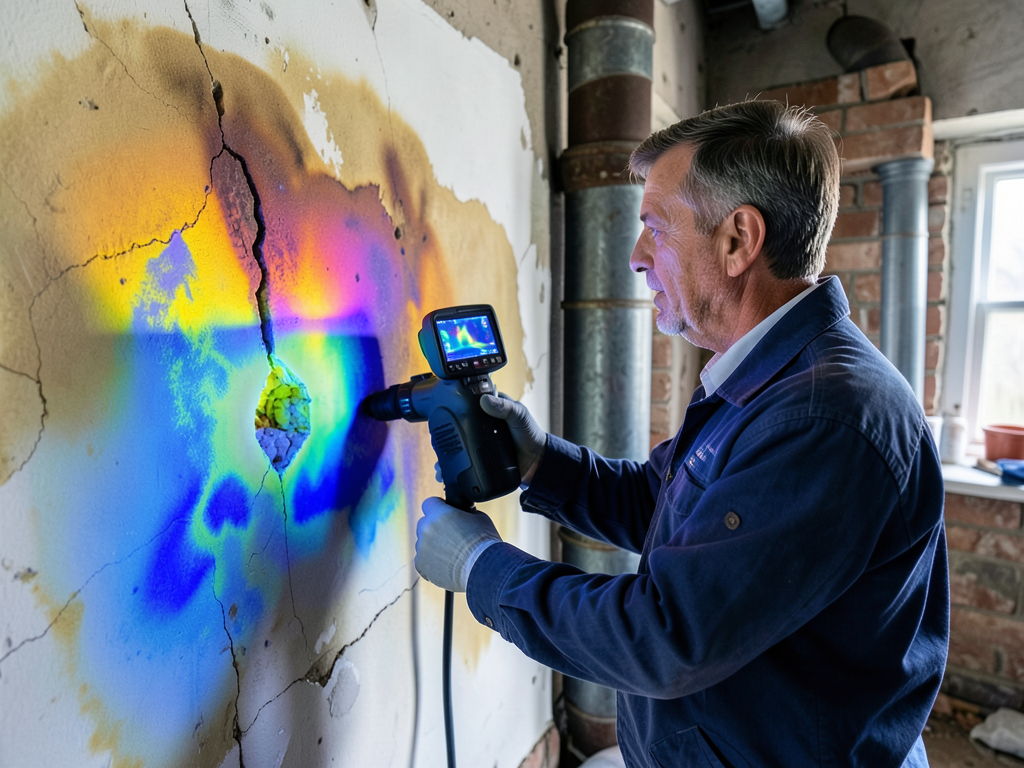
Thermal imaging cameras reveal temperature differences caused by moisture presence. Wet materials conduct heat differently than dry materials, creating visible patterns that help trace water paths through walls and ceilings. This technology is particularly useful for finding hidden leaks behind finished surfaces.
The moisture content of masonry materials provides critical diagnostic information. Brick and mortar can absorb significant water before showing external signs of damage. A moisture meter reading above 20% in chimney masonry indicates active water intrusion requiring immediate attention.
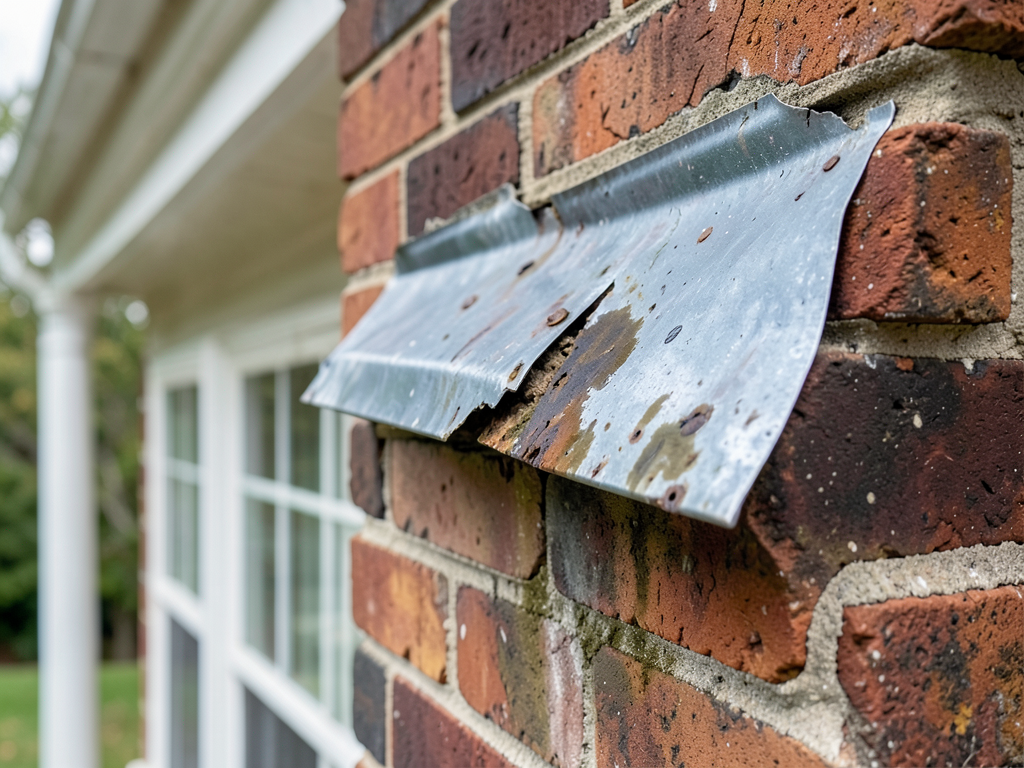
Visual inspection of chimney components reveals common failure patterns. Deteriorated mortar joints appear as gaps or crumbling material. Flashing separation shows as lifted metal or visible gaps between the chimney and roof surface. Crown cracks often appear as hairline fractures that widen under thermal stress. EPA Lead Paint Regulations.
Immediate steps for Fox Point homeowners
When you discover a water stain near your chimney, taking immediate action prevents further damage. The first priority is stopping active water intrusion while avoiding unsafe conditions.
Place buckets or containers under active drips to collect water and prevent floor damage. This simple step protects flooring and prevents slip hazards in your home. Move furniture and valuables away from the affected area to prevent additional damage.
Check your attic or crawl space for active leaks if accessible. Look for daylight through roof penetrations, water stains on rafters, or dripping water. This information helps determine if the leak is active or if you’re seeing residual moisture from a previous event.
Document the damage with photos and notes. This documentation proves valuable for insurance claims and helps restoration professionals understand the scope of work needed. Note when you first noticed the stain and any recent weather events that might have triggered the leak.
Avoid DIY repairs on active leaks. Climbing on wet roofs creates serious fall hazards, and improper repairs can trap moisture, leading to more extensive damage. Professional assessment ensures the problem is correctly identified and properly addressed.
Water damage restoration process for chimney leaks
Professional water damage restoration follows a systematic approach that addresses both immediate water removal and long-term moisture prevention. The process begins with thorough assessment and ends with complete structural drying.
Initial inspection includes moisture mapping to determine the extent of water migration. Technicians use specialized meters to measure moisture content in walls, ceilings, and structural members. This mapping guides the restoration strategy and equipment placement.
Water extraction removes standing water and saturates materials. Industrial-grade extractors remove water from carpets, padding, and other porous materials. This step prevents secondary damage and reduces drying time significantly.
Structural drying uses high-volume air movers and commercial dehumidifiers to remove moisture from building materials. The process typically takes 3-5 days depending on the extent of damage and material types affected. Continuous monitoring ensures complete moisture removal.
Mold prevention treatment applies antimicrobial solutions to affected areas during the drying process. This treatment inhibits mold growth in the elevated humidity environment created by water damage restoration activities.
Final inspection verifies moisture levels have returned to normal ranges before reconstruction begins. This step prevents trapping moisture in walls and ensures the restoration process has been completed successfully.
Providence building codes and historic district considerations
Fox Point falls within Providence’s historic districts, which means chimney repairs must comply with specific preservation guidelines. The Providence Historic District Commission reviews exterior modifications to ensure they maintain neighborhood character.
Rhode Island State Building Code (SBC-1) Chapter 46 requires permits for chimney repairs exceeding $1,000 in value. This includes flashing replacement, masonry repair, and waterproofing applications. Work without proper permits can result in fines and required removal of non-compliant repairs. Rhode Island State Building Code.
Lead paint mitigation requirements apply to homes built before 1978. Disturbing painted surfaces during chimney repairs may require lead-safe work practices under EPA regulations. This includes containment, specialized cleaning, and proper disposal of lead-containing debris.
Mold remediation in Rhode Island follows strict guidelines established by the Rhode Island Department of Health. Remediation activities must prevent cross-contamination and ensure complete removal of affected materials when necessary.
Insurance considerations for historic homes often involve specialized coverage. Standard homeowners policies may not cover full replacement costs for historic materials or craftsmanship required for proper restoration in historic districts.
Preventing future chimney leaks in coastal environments
Prevention strategies for Fox Point homes focus on addressing the unique challenges of coastal proximity and historic construction. Regular maintenance significantly extends the life of chimney components and prevents costly water damage.
Annual chimney inspections identify developing problems before they cause significant damage. Professional inspections check flashing integrity, crown condition, and masonry mortar joints for signs of deterioration. Early detection allows for preventive repairs at a fraction of emergency restoration costs.
Waterproofing masonry surfaces with breathable silane-siloxane sealers prevents water absorption while allowing moisture vapor to escape. This treatment extends the life of historic mortar joints and prevents the freeze-thaw damage common in Providence’s climate.
Chimney crown repair or replacement using modern materials prevents water infiltration at the most vulnerable point of the chimney structure. Proper crown construction includes appropriate slope for water runoff and expansion joints to accommodate thermal movement.
Flashing maintenance involves checking for separation, corrosion, and proper sealing at roof penetrations. Coastal environments accelerate metal corrosion, making flashing replacement necessary more frequently than in inland areas.
Gutter and downspout maintenance prevents water overflow that can saturate chimney masonry from above. Proper drainage directs water away from the foundation and prevents splash-back onto lower chimney sections.
Cost factors for chimney leak repair and restoration
Repair costs vary significantly based on the extent of damage and required restoration scope. Understanding these factors helps homeowners budget appropriately and avoid unexpected expenses during the repair process.
Minor flashing repairs typically range from $500 to $1,500 depending on roof accessibility and material requirements. These repairs address the most common leak source and prevent further water infiltration.
Masonry repair costs depend on the extent of deterioration and required materials. Repointing mortar joints ranges from $10 to $25 per square foot, while brick replacement can cost $20 to $40 per brick installed.
Water damage restoration costs are calculated based on affected area size and material types. Standard rates range from $3 to $7 per square foot for basic water extraction and drying services.
Mold remediation costs vary based on contamination extent and required containment. Small areas might cost $500 to $1,500, while extensive contamination can exceed $5,000 for complete remediation and reconstruction.
Historic district requirements may increase costs due to specialized material sourcing and craftsmanship requirements. Matching historic mortar composition and brick characteristics often requires custom ordering and skilled artisans.
Insurance coverage for chimney-related water damage
Understanding insurance coverage helps homeowners navigate the claims process effectively. Most standard policies cover sudden and accidental water damage but exclude gradual deterioration and maintenance-related issues.
Sudden events like storm damage or pipe bursts typically receive full coverage under standard policies. Gradual leaks from deteriorating components often fall under maintenance exclusions, leaving homeowners responsible for repair costs.
Documentation requirements for insurance claims include photos of damage, repair estimates, and proof of regular maintenance. Lack of maintenance records can result in claim denial even for covered events.
Additional living expenses coverage applies when water damage makes homes uninhabitable during restoration. This coverage includes temporary housing and increased living costs during the restoration period.
Endorsement options for historic homes provide coverage for specialized restoration requirements. These endorsements address the higher costs associated with matching historic materials and craftsmanship.
Claims process timelines typically require immediate notification to insurance companies. Delays in reporting can complicate claims and potentially result in coverage denials based on policy time limitations.
Frequently Asked Questions
How can I tell if my chimney leak is active or just residual moisture?
Active leaks show continuous moisture patterns that worsen during rainfall and often include visible dripping or water flow. Residual moisture appears as static stains that don’t change with weather conditions. A moisture meter reading above 20% indicates active water presence requiring immediate attention.
Will my homeowners insurance cover chimney leak repairs?
Coverage depends on the cause of damage. Sudden events like storm damage are typically covered, while gradual deterioration from lack of maintenance is usually excluded. Most policies require proof of regular chimney maintenance to consider gradual damage claims.
How long does water damage restoration take for chimney-related leaks?
Basic water extraction and drying typically requires 3-5 days. Complete restoration including repairs and reconstruction can take 2-4 weeks depending on damage extent and material availability. Historic district requirements may extend timelines due to permit processes and specialized material sourcing.
Can I prevent chimney leaks with waterproofing treatments?
Waterproofing treatments provide significant protection but don’t eliminate all leak potential. Breathable sealers prevent water absorption while allowing moisture vapor to escape. However, they don’t address structural issues like cracked crowns or separated flashing that require physical repairs.
What are the signs of mold growth from chimney leaks?
Mold indicators include musty odors, visible black or green growth on surfaces, and increased allergy symptoms among occupants. Water stains that appear dark or have irregular borders often indicate mold presence behind the visible surface.
Take action before your water stain becomes a ceiling collapse
Water stains near your Fox Point chimney indicate active moisture intrusion that threatens your home’s structural integrity. Providence’s coastal climate and historic construction create unique challenges that require professional assessment and restoration. Every day you wait allows water to spread deeper into your home’s structure.
Professional water damage restoration addresses both immediate water removal and long-term moisture prevention. The process includes thorough moisture mapping, structural drying, and mold prevention treatment to ensure complete restoration. This systematic approach prevents the secondary damage that occurs when water is trapped in building materials.
Fox Point’s historic district requirements add complexity to chimney repairs, but experienced restoration professionals understand the preservation guidelines and permit processes. They work within these constraints while ensuring your home receives proper water damage restoration that protects your investment.
Don’t let a small water stain become a major structural problem. Call (401) 262-8400 today to schedule your inspection. Our team understands Providence’s unique climate challenges and has extensive experience with historic home restoration in the 02906 area. We’ll identify the source of your leak and develop a comprehensive restoration plan that addresses both immediate damage and long-term prevention.
Pick up the phone and call (401) 262-8400 before the next storm hits. Early intervention saves thousands in repair costs and prevents the mold growth that occurs when moisture is left untreated. Your historic Fox Point home deserves professional care that understands both modern restoration techniques and historic preservation requirements.
{
“@context”: “https://schema.org”,
“@type”: “BlogPosting”,
“headline”: “Finding the source of a mysterious water stain near your Fox Point chimney”,
“description”: “Discover why water stains appear near Fox Point chimneys and how Providence’s coastal climate and historic masonry create unique leak patterns. Get expert help today.”,
“wordCount”: 2254,
“datePublished”: “2026-05-29T09:16:00.000Z”,
“dateModified”: “2026-05-29T09:16:00.000Z”,
“inLanguage”: “en-US”,
“mainEntityOfPage”: {
“@type”: “WebPage”,
“@id”: “https://atlaswaterdamagerestorationprovidence.com”
},
“publisher”: {
“@type”: “LocalBusiness”,
“name”: “Atlas Water Damage Restoration Providence”,
“url”: “https://atlaswaterdamagerestorationprovidence.com”
},
“author”: {
“@type”: “Organization”,
“name”: “Atlas Water Damage Restoration Providence”,
“url”: “https://atlaswaterdamagerestorationprovidence.com”
},
“image”: {
“@type”: “ImageObject”,
“url”: “https://atlaswaterdamagerestorationprovidence.com/wp-content/uploads/2026/03/finding-the-source-of-a-mysterious-water-stain-nea-1.png”
}
}
{
“@context”: “https://schema.org”,
“@type”: “LocalBusiness”,
“name”: “Atlas Water Damage Restoration Providence”,
“url”: “https://atlaswaterdamagerestorationprovidence.com”,
“address”: {
“@type”: “PostalAddress”,
“addressLocality”: “Providence”
},
“areaServed”: {
“@type”: “City”,
“name”: “Providence”
}
}
{
“@context”: “https://schema.org”,
“@type”: “FAQPage”,
“mainEntity”: [
{
“@type”: “Question”,
“name”: “How can I tell if my chimney leak is active or just residual moisture?”,
“acceptedAnswer”: {
“@type”: “Answer”,
“text”: “Active leaks show continuous moisture patterns that worsen during rainfall and often include visible dripping or water flow. Residual moisture appears as static stains that don’t change with weather conditions. A moisture meter reading above 20% indicates active water presence requiring immediate attention.”
}
},
{
“@type”: “Question”,
“name”: “Will my homeowners insurance cover chimney leak repairs?”,
“acceptedAnswer”: {
“@type”: “Answer”,
“text”: “Coverage depends on the cause of damage. Sudden events like storm damage are typically covered, while gradual deterioration from lack of maintenance is usually excluded. Most policies require proof of regular chimney maintenance to consider gradual damage claims.”
}
},
{
“@type”: “Question”,
“name”: “How long does water damage restoration take for chimney-related leaks?”,
“acceptedAnswer”: {
“@type”: “Answer”,
“text”: “Basic water extraction and drying typically requires 3-5 days. Complete restoration including repairs and reconstruction can take 2-4 weeks depending on damage extent and material availability. Historic district requirements may extend timelines due to permit processes and specialized material sourcing.”
}
},
{
“@type”: “Question”,
“name”: “Can I prevent chimney leaks with waterproofing treatments?”,
“acceptedAnswer”: {
“@type”: “Answer”,
“text”: “Waterproofing treatments provide significant protection but don’t eliminate all leak potential. Breathable sealers prevent water absorption while allowing moisture vapor to escape. However, they don’t address structural issues like cracked crowns or separated flashing that require physical repairs.”
}
},
{
“@type”: “Question”,
“name”: “What are the signs of mold growth from chimney leaks?”,
“acceptedAnswer”: {
“@type”: “Answer”,
“text”: “Mold indicators include musty odors, visible black or green growth on surfaces, and increased allergy symptoms among occupants. Water stains that appear dark or have irregular borders often indicate mold presence behind the visible surface.”
}
}
]
}
{
“@context”: “https://schema.org”,
“@type”: “BreadcrumbList”,
“itemListElement”: [
{
“@type”: “ListItem”,
“position”: 1,
“name”: “Home”,
“item”: “https://atlaswaterdamagerestorationprovidence.com”
},
{
“@type”: “ListItem”,
“position”: 2,
“name”: “Blog”,
“item”: “https://atlaswaterdamagerestorationprovidence.com/blog”
},
{
“@type”: “ListItem”,
“position”: 3,
“name”: “Finding the source of a mysterious water stain near your Fox Point chimney”
}
]
}
{
“@context”: “https://schema.org”,
“@type”: “Service”,
“serviceType”: “Water Damage Restoration”,
“provider”: {
“@type”: “LocalBusiness”,
“name”: “Atlas Water Damage Restoration Providence”,
“url”: “https://atlaswaterdamagerestorationprovidence.com”
},
“areaServed”: {
“@type”: “City”,
“name”: “Providence”
},
“description”: “Discover why water stains appear near Fox Point chimneys and how Providence’s coastal climate and historic masonry create unique leak patterns. Get expert help today.”
}