
What to look for in a Providence basement before buying your first home
Buying your first home in Providence means understanding the unique water damage risks that come with our historic properties and coastal climate. The city’s combination of aging infrastructure, high water tables near Narragansett Bay, and seasonal weather extremes creates specific vulnerabilities in basements that can cost new homeowners thousands in unexpected repairs. EPA Renovation, Repair, and Painting Rule.
Providence basements face three main threats: hydrostatic pressure from our clay-heavy soils, combined sewer overflow during heavy rains, and freeze-thaw cycles that stress foundation walls. These aren’t abstract risks—they show up as visible warning signs that experienced inspectors know to check. Before you sign on the dotted line, you need to know what those signs are and what they mean for your investment.. Read more about How high water pressure might be ruining the pipes in your Mount Pleasant home.
Water damage warning signs in Providence basements
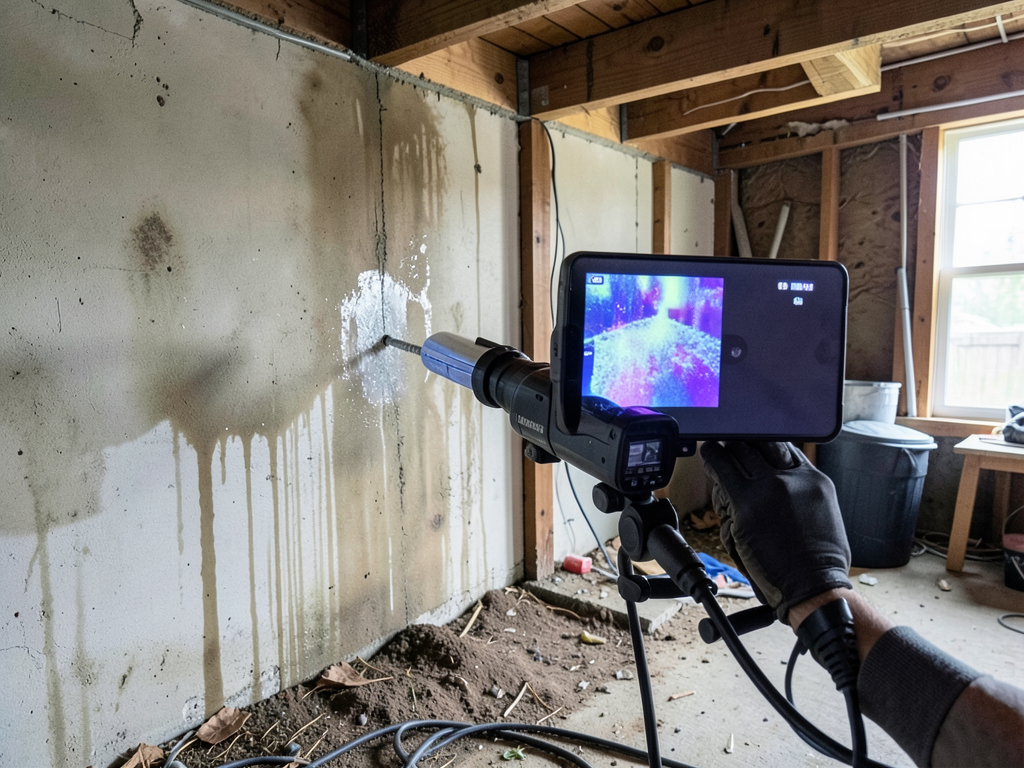
Start with the obvious. Standing water, active leaks, or damp spots on walls indicate current problems that need immediate attention. But the real danger signs are often subtle. Look for efflorescence—that white, powdery residue on concrete walls. It’s not mold; it’s mineral deposits left behind when water evaporates through masonry. This tells you water is already moving through your foundation. Get Immediate 24/7 Emergency Water Extraction in Downtown Providence.
Check the floor where it meets the walls. A gap or separation suggests foundation movement, often caused by soil expansion and contraction. In Providence’s freeze-thaw climate, this happens regularly. Also examine any wood framing or stored items for dark staining or warping—these indicate past moisture exposure that may have gone unaddressed. EPA mold guidelines.
Smell is another diagnostic tool. A musty odor, even without visible mold, suggests chronic moisture problems. The Rhode Island Department of Health requires disclosure of known mold conditions, but odors can reveal issues that sellers might not mention. Trust your nose—if it smells damp, there’s moisture somewhere.. Read more about Why your drains smell like sulfur after a heavy storm in South Providence.
Structural integrity concerns in Providence homes
Providence’s historic architecture means many homes have stone or brick foundations rather than modern poured concrete. These materials behave differently under stress. Look for stair-step cracks in masonry walls, especially diagonal ones widening toward the top. These indicate differential settling—a serious structural issue that water infiltration can worsen. Protecting Your Historic Fox Point Home from Water Damage and Mold.
Check support columns and beams for rust, rot, or insect damage. Water attracts termites and carpenter ants, which can compromise structural integrity. Use a screwdriver to gently probe wood near floor level—if it sinks easily, you’ve got rot. This simple test reveals problems that visual inspection might miss. Carpet Water Extraction.
Pay attention to floor slope. Place a marble or small ball on the floor in multiple locations. If it consistently rolls in one direction, your foundation may be settling unevenly. This often correlates with water pooling in specific areas during heavy rains.. Read more about Common water entry points in a classic Rhode Island Cape Cod house.
Plumbing and drainage red flags
Providence’s combined sewer system means heavy rainfall can back up into basements through floor drains. Look for backflow preventers on plumbing lines—their absence in older homes is a major risk factor. Check the age and material of visible pipes. Galvanized steel corrodes from the inside out, and polybutylene pipes (common in homes built between 1978-1995) are prone to sudden failure.. Read more about Protecting a basement wine cellar from moisture and mold in a Wayland Square home.
Test all plumbing fixtures. Run water in sinks and flush toilets while watching for leaks under fixtures or in ceiling spaces below bathrooms. Listen for gurgling sounds in drains, which can indicate partial blockages that might cause backups during storms.. Read more about How your backyard grading might be causing foundation leaks in North Providence.
Examine the sump pump if present. It should have a dedicated electrical circuit and a battery backup system. Test it by pouring water into the pit—it should activate automatically. Many Providence homes lack proper sump systems, making them vulnerable to groundwater infiltration.
Exterior factors affecting basement moisture
Walk the property during or immediately after rain. Water should drain away from the foundation, not toward it. Check that downspouts extend at least five feet from the house and that soil slopes away from the foundation at a minimum 6-inch drop over 10 feet.
Look at neighboring properties. If adjacent homes have raised foundations or extensive waterproofing, yours might sit lower in the water table. This creates a hydraulic disadvantage where your basement becomes the lowest point for groundwater migration.
Examine trees near the foundation. Large trees within 20 feet can cause foundation issues through root pressure and moisture depletion. Their roots can also damage underground pipes, creating hidden water problems.
Professional inspection technology for basement assessment
Professional inspectors use thermal imaging cameras to detect moisture behind walls without destructive testing. These devices show temperature differences that indicate water presence—wet areas appear cooler because evaporation draws heat away. This technology can reveal problems behind finished walls that visual inspection misses. Professional Mold Removal and Remediation Services for East Side Homeowners.
Moisture meters measure the actual water content in materials. A reading above 16% in wood or 20% in concrete indicates concerning moisture levels. Professional inspectors document these readings with photos and create moisture maps showing problem areas throughout the basement.
Relative humidity meters help assess ventilation effectiveness. Levels above 60% in a basement suggest inadequate airflow or ongoing moisture intrusion. Combined with temperature readings, these tools paint a complete picture of basement conditions.
Rhode Island building code considerations
Rhode Island’s State Building Code (SBC-1) Section 404.2 requires specific waterproofing standards for basements, including vapor barriers and drainage systems. Homes built before 1990 may not meet current standards, creating liability for new owners who must bring properties up to code during renovations.
EPA guidelines mandate lead paint testing and mitigation for homes built before 1978. Water damage often disturbs painted surfaces, potentially releasing lead dust. Any basement renovation affecting pre-1978 materials requires certified lead-safe practices under EPA Renovation, Repair, and Painting Rule.
Local Providence ordinances require permits for basement finishing work. Unpermitted modifications discovered during inspection can complicate closing and may require costly remediation before sale completion.
Cost implications of basement water damage
Minor waterproofing repairs typically cost $2,000-$5,000, while major foundation repairs can exceed $20,000. Mold remediation in Rhode Island averages $15-$30 per square foot, with most basement projects ranging from $3,000-$10,000 depending on contamination extent.
Insurance coverage varies significantly. Standard homeowners policies exclude flood damage, requiring separate National Flood Insurance Program coverage for properties in designated flood zones. Rhode Island’s proximity to Narragansett Bay means many Providence neighborhoods have flood risk, even if not in obvious coastal areas. Flood Cleanup & Extraction.
Water damage can reduce property values by 10-30% depending on severity and repair costs. This depreciation affects both resale potential and your ability to build equity in your first home.
Negotiating repairs and credits
Rhode Island law requires sellers to disclose known material defects, including water damage history. However, disclosure doesn’t obligate sellers to repair issues. Your inspection report becomes a negotiation tool for requesting price reductions or seller-paid repairs.
Common strategies include requesting a home warranty covering major systems for the first year, asking for seller credits at closing to fund repairs, or negotiating price reductions based on estimated repair costs. Always get repair estimates from licensed contractors before finalizing negotiations.. Read more about Questions to ask your contractor about preventing future leaks in your West End home.
Consider the cost-benefit of walking away. If inspection reveals significant structural or moisture issues requiring $15,000+ in repairs, that money might be better invested in a different property without these problems.
Preventive measures for new homeowners
Even if your inspection shows no current problems, Providence’s climate means vigilance is essential. Install a quality dehumidifier with automatic drainage to maintain humidity below 50%. Clean gutters regularly and extend downspouts away from the foundation.
Monitor your basement during the first major rainstorm after moving in. Check for new leaks or moisture accumulation that might not have been apparent during a dry inspection period. Early detection prevents minor issues from becoming major problems.
Consider professional waterproofing upgrades even in apparently dry basements. Interior French drains and exterior waterproofing provide peace of mind and protect your investment in Providence’s challenging climate.
Frequently Asked Questions
What are the most common water damage issues in Providence basements?
Providence basements commonly experience hydrostatic pressure from clay soils, combined sewer overflow during heavy rains, and freeze-thaw foundation stress. These create moisture intrusion, efflorescence, and structural concerns unique to our coastal climate and aging infrastructure.
How much does basement waterproofing cost in Providence?
Basement waterproofing in Providence typically costs $2,000-$15,000 depending on the scope. Minor interior drainage systems start around $2,000, while comprehensive exterior waterproofing with foundation repair can exceed $15,000. Most homeowners spend $5,000-$8,000 for effective moisture control.
Should I walk away from a house with basement water damage?
Not necessarily. Minor moisture issues can be repaired cost-effectively, but major structural problems or active flooding may indicate deal-breaking issues. Get professional repair estimates and compare total costs against your budget and the property’s market value before deciding.
Ready to protect your investment?
Don’t let water damage turn your dream home into a financial nightmare. Call (401) 262-8400 today to schedule a comprehensive basement inspection with our Providence water damage specialists. We’ll identify hidden problems, provide accurate repair estimates, and help you make an informed decision about your first home purchase.
Early detection saves money and stress. Pick up the phone and call (401) 262-8400 before the next storm hits. Our team serves all Providence neighborhoods with 24/7 emergency response and detailed inspection services that give you the confidence to move forward with your home buying journey.
You may also find this helpful. Protecting rubber flooring and home gym equipment from a basement leak in Warwick.
{
“@context”: “https://schema.org”,
“@type”: “BlogPosting”,
“headline”: “What to look for in a Providence basement before buying your first home”,
“description”: “Discover critical water damage warning signs in Providence basements. Learn what inspectors check for and protect your investment before buying.”,
“wordCount”: 1562,
“datePublished”: “2026-05-24T06:44:00.000Z”,
“dateModified”: “2026-05-24T06:44:00.000Z”,
“inLanguage”: “en-US”,
“mainEntityOfPage”: {
“@type”: “WebPage”,
“@id”: “https://atlaswaterdamagerestorationprovidence.com”
},
“publisher”: {
“@type”: “LocalBusiness”,
“name”: “Atlas Water Damage Restoration Providence”,
“url”: “https://atlaswaterdamagerestorationprovidence.com”
},
“author”: {
“@type”: “Organization”,
“name”: “Atlas Water Damage Restoration Providence”,
“url”: “https://atlaswaterdamagerestorationprovidence.com”
},
“image”: {
“@type”: “ImageObject”,
“url”: “https://atlaswaterdamagerestorationprovidence.com/wp-content/uploads/2026/03/what-to-look-for-in-a-providence-basement-before-b-1.png”
}
}
{
“@context”: “https://schema.org”,
“@type”: “LocalBusiness”,
“name”: “Atlas Water Damage Restoration Providence”,
“url”: “https://atlaswaterdamagerestorationprovidence.com”,
“address”: {
“@type”: “PostalAddress”,
“addressLocality”: “Providence”
},
“areaServed”: {
“@type”: “City”,
“name”: “Providence”
}
}
{
“@context”: “https://schema.org”,
“@type”: “FAQPage”,
“mainEntity”: [
{
“@type”: “Question”,
“name”: “What are the most common water damage issues in Providence basements?”,
“acceptedAnswer”: {
“@type”: “Answer”,
“text”: “Providence basements commonly experience hydrostatic pressure from clay soils, combined sewer overflow during heavy rains, and freeze-thaw foundation stress. These create moisture intrusion, efflorescence, and structural concerns unique to our coastal climate and aging infrastructure.”
}
},
{
“@type”: “Question”,
“name”: “How much does basement waterproofing cost in Providence?”,
“acceptedAnswer”: {
“@type”: “Answer”,
“text”: “Basement waterproofing in Providence typically costs $2,000-$15,000 depending on the scope. Minor interior drainage systems start around $2,000, while comprehensive exterior waterproofing with foundation repair can exceed $15,000. Most homeowners spend $5,000-$8,000 for effective moisture control.”
}
},
{
“@type”: “Question”,
“name”: “Should I walk away from a house with basement water damage?”,
“acceptedAnswer”: {
“@type”: “Answer”,
“text”: “Not necessarily. Minor moisture issues can be repaired cost-effectively, but major structural problems or active flooding may indicate deal-breaking issues. Get professional repair estimates and compare total costs against your budget and the property’s market value before deciding.”
}
},
{
“@type”: “Question”,
“name”: “Ready to protect your investment?”,
“acceptedAnswer”: {
“@type”: “Answer”,
“text”: “Don’t let water damage turn your dream home into a financial nightmare. Call (401) 262-8400 today to schedule a comprehensive basement inspection with our Providence water damage specialists. We’ll identify hidden problems, provide accurate repair estimates, and help you make an informed decision about your first home purchase.”
}
}
]
}
{
“@context”: “https://schema.org”,
“@type”: “BreadcrumbList”,
“itemListElement”: [
{
“@type”: “ListItem”,
“position”: 1,
“name”: “Home”,
“item”: “https://atlaswaterdamagerestorationprovidence.com”
},
{
“@type”: “ListItem”,
“position”: 2,
“name”: “Blog”,
“item”: “https://atlaswaterdamagerestorationprovidence.com/blog”
},
{
“@type”: “ListItem”,
“position”: 3,
“name”: “What to look for in a Providence basement before buying your first home”
}
]
}
{
“@context”: “https://schema.org”,
“@type”: “Service”,
“serviceType”: “Water Damage Restoration”,
“provider”: {
“@type”: “LocalBusiness”,
“name”: “Atlas Water Damage Restoration Providence”,
“url”: “https://atlaswaterdamagerestorationprovidence.com”
},
“areaServed”: {
“@type”: “City”,
“name”: “Providence”
},
“description”: “Discover critical water damage warning signs in Providence basements. Learn what inspectors check for and protect your investment before buying.”
}