
Choosing between a sump pump and an ejector pump for your basement in Johnston
A flooded basement in Johnston can happen in minutes during a heavy storm or when a pump fails. Understanding whether you have a sump pump or an ejector pump is the first step to protecting your home from water damage. These two systems look similar but serve completely different purposes. One removes groundwater from under your foundation while the other handles wastewater from basement plumbing. Knowing the difference helps you respond correctly when problems occur. Flood Cleanup & Extraction.
Johnston’s location near the Woonasquatucket River and its mix of older homes and newer developments creates unique drainage challenges. High water tables in some areas mean groundwater constantly presses against basement walls. In other cases, finished basements with bathrooms or laundry rooms require ejector pumps to move waste uphill to the main sewer line. Both systems are critical but failing one type causes very different damage. Carpet Water Extraction.
This guide explains how to identify each pump, what makes them different, and what to do when either one stops working. You will also learn about local building requirements and when to call a professional for water damage restoration in Johnston. Water Damage Restoration Smithfield.
Core Definitions: Groundwater vs. Wastewater
A sump pump collects water that seeps into your basement through the foundation and pumps it away from your home. This water is clean or slightly dirty groundwater. A sump pump sits in a small pit called a sump basin where water naturally collects. When the water reaches a certain level, a float switch activates the pump.. Read more about Why your Pawtucket basement smells like sewage every time it rains.
An ejector pump handles wastewater from basement fixtures like toilets, sinks, and washing machines. This water contains solids and biological waste. The ejector pump sits in a sealed tank connected to your home’s plumbing. It grinds and pumps this waste up to the main sewer line since gravity cannot move it uphill from below-grade fixtures.
The key difference is what each pump moves. Sump pumps handle clean groundwater that threatens to flood your basement. Ejector pumps handle dirty wastewater that cannot flow uphill by gravity alone.
The Sump Pump: Your First Line of Defense Against Providence Floods
Sump pumps protect homes in Johnston from groundwater intrusion. During heavy rains or rapid snowmelt, water saturates the soil around your foundation. This water seeks the path of least resistance which often means through basement walls or floor cracks. A properly installed sump pump collects this water before it spreads across your basement floor.
Most sump pumps in Johnston are submersible units placed directly in the sump pit. The pump has a float switch that rises with water level. When water reaches a preset height, the float activates the motor. The pump then pushes water through a discharge pipe to the exterior of your home, usually to a storm drain or dry well at least ten feet from your foundation.
Johnston’s soil composition affects sump pump performance. Areas with dense clay soil drain slowly, causing water to pool around foundations. Sandy areas may drain quickly but allow more water infiltration. The Rhode Island State Building Code requires sump pumps in new construction where the water table is within three feet of the basement floor according to Section 417.5.2 of the International Residential Code adopted by Rhode Island.
Common sump pump failure points include power outages during storms, float switch malfunctions, and clogged discharge pipes. When a sump pump fails during heavy rain, water can rise several inches per hour in your basement. This creates ideal conditions for mold growth within 24 to 48 hours according to EPA guidelines. EPA mold guidelines.

Diagram showing a typical sump pump installation with pit, float switch, check valve, and discharge pipe routing away from foundation.
The Sewage Ejector Pump: Essential for Below-Grade Plumbing
Ejector pumps serve a different purpose than sump pumps. They handle wastewater from basement bathrooms, laundry rooms, and utility sinks. Since these fixtures sit below the main sewer line, gravity cannot move waste out of your home. The ejector pump grinds solids and pumps everything uphill to the sewer connection.
An ejector pump system includes a sealed tank with a tight-fitting lid. This tank collects wastewater from basement fixtures through a network of pipes. Inside the tank, a pump with a grinder mechanism breaks down solids. When wastewater reaches a certain level, the pump activates and forces everything through a discharge pipe to the main sewer line.
The sealed tank design serves multiple purposes. It contains odors, prevents gases from escaping into your basement, and meets plumbing code requirements. Rhode Island plumbing code requires ejector pumps to have sealed lids and proper venting to prevent sewer gas infiltration. The system must also include a check valve to prevent backflow.
Ejector pump failures create different problems than sump pump failures. When an ejector pump stops working, wastewater backs up into basement fixtures. Toilets may not flush, sinks drain slowly or not at all, and raw sewage can overflow from floor drains. This creates Category 3 water damage, which contains harmful bacteria and requires professional remediation according to IICRC S500 standards. IICRC S500 standards.
Key Technical Differences (Venting, Discharge, and Power)
Sump pumps and ejector pumps differ in several critical ways. Sump pumps typically discharge one and a half inch pipes and do not require venting. They handle clean water and can operate with minimal sealing around the pit. Ejector pumps use two inch discharge pipes and require sealed tanks with proper venting to code.
Power requirements also differ. Sump pumps usually run on standard 120 volt circuits and draw moderate amperage. Ejector pumps need dedicated circuits because they handle solids and require more power. Many ejector pump systems include alarm systems that sound when the tank approaches capacity or the pump fails.
Maintenance needs vary between the two systems. Sump pumps need annual testing and occasional cleaning of the pit. Ejector pumps require more frequent inspection of the sealed system, checking for proper venting, and ensuring the grinder mechanism functions correctly. Both benefit from battery backup systems, especially in Johnston where coastal storms often cause power outages.
Noise levels differ significantly. Sump pumps make minimal noise since they only move water. Ejector pumps are louder due to the grinder mechanism and the force needed to pump solids uphill. If you hear unusual grinding or banging from your ejector pump, it may indicate a failing component that needs immediate attention.
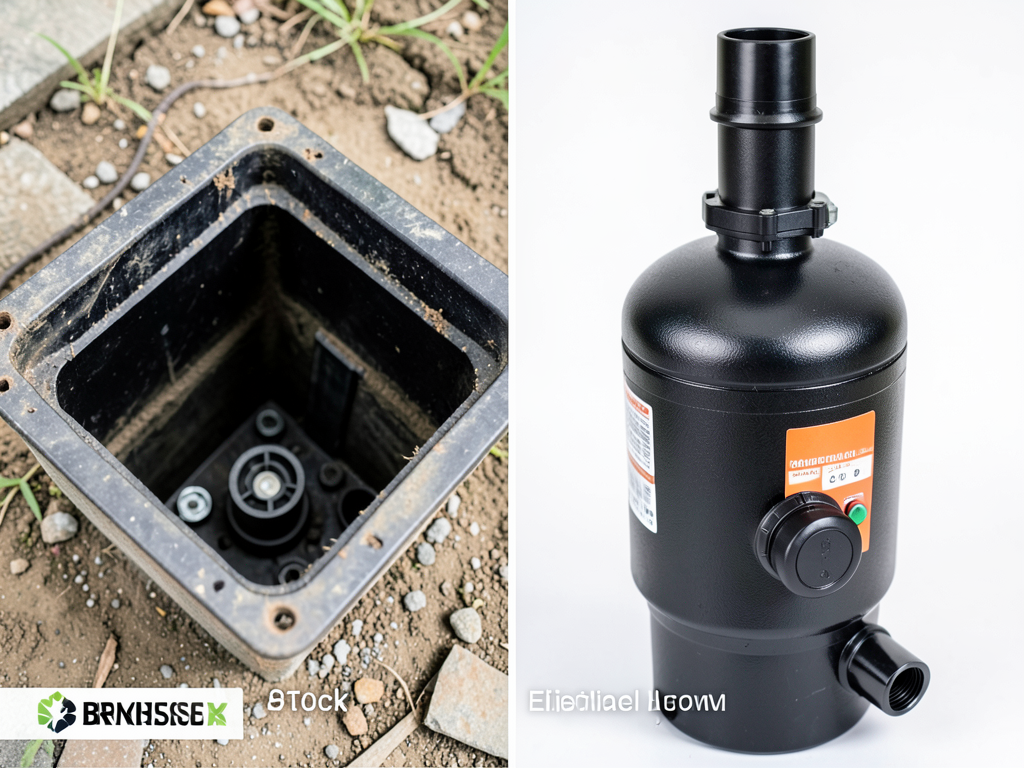
Photo showing the sealed lid and vent pipe of an ejector pump system next to an open sump pump pit with exposed float switch.
Comparison Table: At-a-Glance Differences
| Feature | Sump Pump | Ejector Pump |
|---|---|---|
| Water Type | Clean groundwater | Wastewater with solids |
| Tank Design | Open pit | Sealed tank with lid |
| Discharge Pipe Size | 1.5 inches | 2 inches |
| Venting Required | No | Yes, to prevent gas buildup |
| Power Needs | Standard 120V | 120V dedicated circuit |
| Typical Lifespan | 7-10 years | 7-10 years |
| Failure Consequence | Basement flooding | Sewer backup and contamination |
| Code Requirements | IRC Section 417.5.2 | IPC Section 1008 |
Maintenance Tips for Rhode Island Homeowners
Regular maintenance prevents most pump failures. Test your sump pump every three months by pouring water into the pit until the float activates the pump. Listen for unusual noises and watch for smooth operation. Clean debris from the pit and ensure the discharge pipe remains clear and properly sloped away from your foundation.
Ejector pump maintenance requires more caution due to contamination risks. Never open the sealed tank yourself. Instead, schedule professional inspection annually. Technicians check the seal integrity, test the alarm system, inspect the vent pipe, and verify the grinder mechanism functions properly. They also test the check valve to prevent backflow.
Battery backup systems provide crucial protection during power outages. Johnston experiences frequent coastal storms that can knock out power for hours. A battery backup keeps your pump running when you need it most. Most backup systems provide 8 to 24 hours of operation depending on pump size and battery capacity.
Consider installing a water alarm near your pump systems. These inexpensive devices sound when they detect moisture where it should not be. Place one near your sump pit and another near your ejector tank. Early warning gives you time to address problems before major damage occurs.
During winter months, check that your discharge pipes do not freeze. Frozen pipes prevent proper drainage and can cause pumps to burn out. Insulate exposed pipes and ensure they slope downward away from your home to prevent standing water from freezing.. Read more about How a frozen outdoor faucet can flood your basement in Johnston.
When to Call a Restoration Professional
Call a water damage restoration professional immediately if you notice water in your basement regardless of the source. For sump pump failures, standing water creates mold growth conditions within 24 to 48 hours. For ejector pump failures, sewage backup creates serious health hazards that require professional remediation.
Signs you need immediate help include visible water spreading across your basement floor, sewage backing up through drains, unusual pump noises, or complete pump failure. Do not attempt to clean sewage backup yourself. Category 3 water contains harmful bacteria and requires specialized equipment and protective gear according to IICRC standards.. Read more about Signs that your clogged gutters are actually flooding your Federal Hill foundation.
Professional restoration services include water extraction, structural drying, antimicrobial treatment, and moisture monitoring. Technicians use industrial pumps, air movers, and dehumidifiers to remove water and prevent secondary damage. They also test for hidden moisture in walls and floors that could lead to mold growth.
Insurance coverage differs between pump failures. Most homeowners policies exclude sump pump failure unless you carry specific sump pump endorsement. Ejector pump failures causing sewage backup may be covered under sewer backup provisions if you have that endorsement. Document damage thoroughly and contact your insurance company promptly.
Atlas Water Damage Restoration Providence provides 24/7 emergency response for pump failures and basement flooding throughout Johnston and surrounding areas. Our technicians arrive within 60 minutes to begin water extraction and damage mitigation. We work directly with insurance companies to streamline the claims process.
Frequently Asked Questions
How can I tell if I have a sump pump or ejector pump?
Look at the tank design. Sump pumps sit in open pits with exposed float switches. Ejector pumps are in sealed tanks with tight-fitting lids and vent pipes. Check your plumbing fixtures. If you have basement bathrooms or laundry, you likely need an ejector pump.
What causes sump pumps to fail during storms?
Power outages are the most common cause. Heavy storms often knock out electricity when you need your pump most. Other causes include float switch failure, clogged discharge pipes, and pump motor burnout from age or debris.
How often should I replace my pump?
Most pumps last 7 to 10 years with proper maintenance. Replace your pump if it makes unusual noises, runs constantly, or fails to activate during testing. Consider replacement after 7 years even if it seems to work to prevent unexpected failure.
Can I install a battery backup myself?
Battery backup installation requires electrical knowledge and proper sizing for your pump. Incorrect installation can create fire hazards or fail when you need it. Professional installation ensures proper wiring, correct battery sizing, and integration with your existing system.
What should I do first if my ejector pump fails?
Stop using all basement plumbing immediately. Do not flush toilets or run sinks. This prevents additional sewage from backing up. Call a restoration professional right away. Sewage backup creates Category 3 contamination that requires professional remediation according to IICRC standards.
Are ejector pumps required by code in Johnston?
Rhode Island plumbing code requires ejector pumps when basement fixtures sit below the main sewer line elevation. This typically means any basement bathroom, laundry, or utility sink where gravity drainage is impossible. Local building officials can verify requirements for your specific situation.
Understanding your pump system helps you respond correctly when problems arise. Sump pumps protect against groundwater flooding while ejector pumps handle wastewater from below-grade plumbing. Both systems require regular maintenance and backup power for reliable operation in Johnston’s variable climate.
When pump failures occur, quick action prevents extensive damage. Standing water creates mold growth conditions within 24 hours. Sewage backup creates serious health hazards that require professional remediation. Do not wait to address pump problems.
Atlas Water Damage Restoration Providence serves Johnston homeowners with 24/7 emergency response for pump failures and basement flooding. Our certified technicians arrive quickly to begin water extraction and damage mitigation. We work with all insurance companies and provide documentation for claims.
Call (401) 262-8400 today to schedule your pump inspection or request emergency service. Do not wait for the next storm to discover your pump has failed. Protect your home and family with professional pump maintenance and backup systems.
Pick up the phone and call (401) 262-8400 before the next storm hits. Your basement’s protection depends on properly functioning pump systems.
Visit our emergency water extraction page to learn more about our rapid response services throughout Providence County.
Learn about mold remediation if your basement has experienced previous water damage.
Find reliable water damage restoration experts in your area.
Protect your historic home with our specialized restoration services for older properties.
Get help for sump pump failures and flooding in your neighborhood.
{
“@context”: “https://schema.org”,
“@type”: “BlogPosting”,
“headline”: “Choosing between a sump pump and an ejector pump for your basement in Johnston”,
“description”: “Learn the key differences between sump pumps and ejector pumps in Johnston. Discover which pump you need, how to identify them, and what to do when they fail.”,
“wordCount”: 2188,
“datePublished”: “2026-05-19T07:40:00.000Z”,
“dateModified”: “2026-05-19T07:40:00.000Z”,
“inLanguage”: “en-US”,
“mainEntityOfPage”: {
“@type”: “WebPage”,
“@id”: “https://atlaswaterdamagerestorationprovidence.com”
},
“publisher”: {
“@type”: “LocalBusiness”,
“name”: “Atlas Water Damage Restoration Providence”,
“url”: “https://atlaswaterdamagerestorationprovidence.com”
},
“author”: {
“@type”: “Organization”,
“name”: “Atlas Water Damage Restoration Providence”,
“url”: “https://atlaswaterdamagerestorationprovidence.com”
},
“image”: {
“@type”: “ImageObject”,
“url”: “https://atlaswaterdamagerestorationprovidence.com/wp-content/uploads/2026/03/choosing-between-a-sump-pump-and-an-ejector-pump-f-1.png”
}
}
{
“@context”: “https://schema.org”,
“@type”: “LocalBusiness”,
“name”: “Atlas Water Damage Restoration Providence”,
“url”: “https://atlaswaterdamagerestorationprovidence.com”,
“address”: {
“@type”: “PostalAddress”,
“addressLocality”: “Providence”
},
“areaServed”: {
“@type”: “City”,
“name”: “Providence”
}
}
{
“@context”: “https://schema.org”,
“@type”: “FAQPage”,
“mainEntity”: [
{
“@type”: “Question”,
“name”: “How can I tell if I have a sump pump or ejector pump?”,
“acceptedAnswer”: {
“@type”: “Answer”,
“text”: “Look at the tank design. Sump pumps sit in open pits with exposed float switches. Ejector pumps are in sealed tanks with tight-fitting lids and vent pipes. Check your plumbing fixtures. If you have basement bathrooms or laundry, you likely need an ejector pump.”
}
},
{
“@type”: “Question”,
“name”: “What causes sump pumps to fail during storms?”,
“acceptedAnswer”: {
“@type”: “Answer”,
“text”: “Power outages are the most common cause. Heavy storms often knock out electricity when you need your pump most. Other causes include float switch failure, clogged discharge pipes, and pump motor burnout from age or debris.”
}
},
{
“@type”: “Question”,
“name”: “How often should I replace my pump?”,
“acceptedAnswer”: {
“@type”: “Answer”,
“text”: “Most pumps last 7 to 10 years with proper maintenance. Replace your pump if it makes unusual noises, runs constantly, or fails to activate during testing. Consider replacement after 7 years even if it seems to work to prevent unexpected failure.”
}
},
{
“@type”: “Question”,
“name”: “Can I install a battery backup myself?”,
“acceptedAnswer”: {
“@type”: “Answer”,
“text”: “Battery backup installation requires electrical knowledge and proper sizing for your pump. Incorrect installation can create fire hazards or fail when you need it. Professional installation ensures proper wiring, correct battery sizing, and integration with your existing system.”
}
},
{
“@type”: “Question”,
“name”: “What should I do first if my ejector pump fails?”,
“acceptedAnswer”: {
“@type”: “Answer”,
“text”: “Stop using all basement plumbing immediately. Do not flush toilets or run sinks. This prevents additional sewage from backing up. Call a restoration professional right away. Sewage backup creates Category 3 contamination that requires professional remediation according to IICRC standards.”
}
},
{
“@type”: “Question”,
“name”: “Are ejector pumps required by code in Johnston?”,
“acceptedAnswer”: {
“@type”: “Answer”,
“text”: “Rhode Island plumbing code requires ejector pumps when basement fixtures sit below the main sewer line elevation. This typically means any basement bathroom, laundry, or utility sink where gravity drainage is impossible. Local building officials can verify requirements for your specific situation.”
}
}
]
}
{
“@context”: “https://schema.org”,
“@type”: “BreadcrumbList”,
“itemListElement”: [
{
“@type”: “ListItem”,
“position”: 1,
“name”: “Home”,
“item”: “https://atlaswaterdamagerestorationprovidence.com”
},
{
“@type”: “ListItem”,
“position”: 2,
“name”: “Blog”,
“item”: “https://atlaswaterdamagerestorationprovidence.com/blog”
},
{
“@type”: “ListItem”,
“position”: 3,
“name”: “Choosing between a sump pump and an ejector pump for your basement in Johnston”
}
]
}
{
“@context”: “https://schema.org”,
“@type”: “Service”,
“serviceType”: “Water Damage Restoration”,
“provider”: {
“@type”: “LocalBusiness”,
“name”: “Atlas Water Damage Restoration Providence”,
“url”: “https://atlaswaterdamagerestorationprovidence.com”
},
“areaServed”: {
“@type”: “City”,
“name”: “Providence”
},
“description”: “Learn the key differences between sump pumps and ejector pumps in Johnston. Discover which pump you need, how to identify them, and what to do when they fail.”
}