
How ice dams cause hidden water damage in your Edgewood colonial
Ice dams form when heat escapes from your attic, melting snow on the roof. The water runs down and refreezes at the colder eaves, creating a barrier that traps more melting snow. In Edgewood’s historic colonial homes, poor attic insulation and aging ventilation systems make this problem worse. Water backs up under shingles, seeps into walls, and causes damage you cannot see until it is too late. Protecting Your Historic Fox Point Home from Water Damage and Mold.
The first sign is often a water stain on your ceiling or wall. By then, moisture has already soaked into insulation, drywall, and wooden framing. In older Edgewood homes near Narragansett Bay, the high humidity slows drying and accelerates mold growth behind walls. If you hear dripping sounds in your walls during a thaw or notice paint bubbling near the ceiling, you likely have active water intrusion from an ice dam. Carpet Water Extraction.
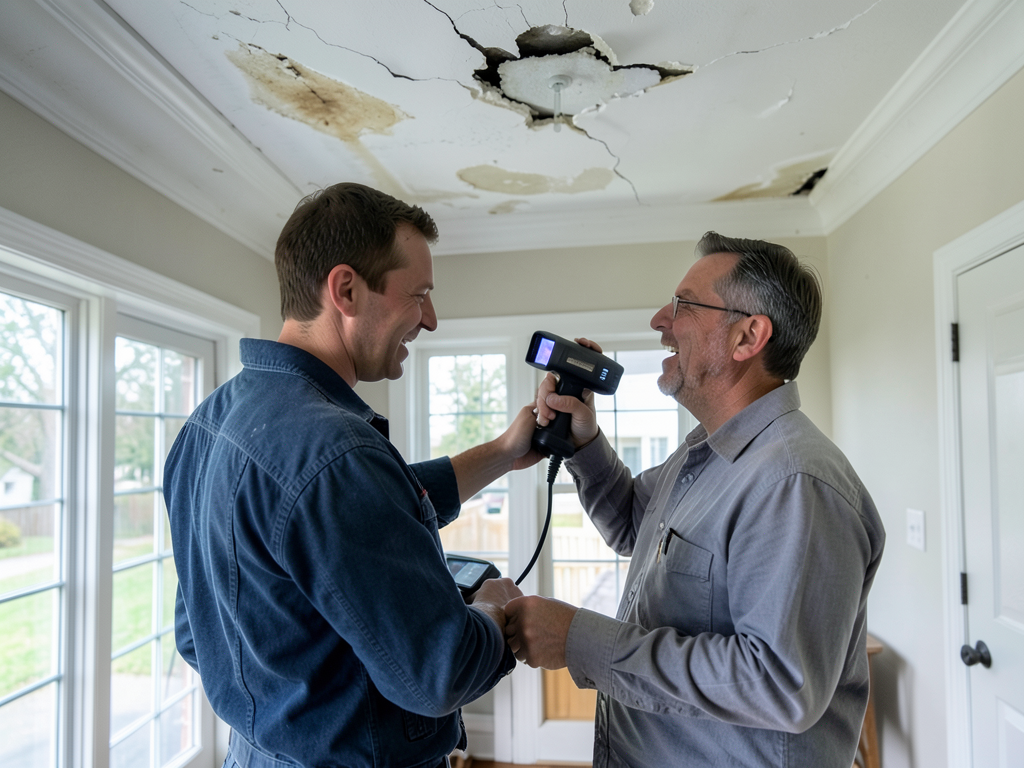
Ice dams in Edgewood are not just a roofing issue. They create structural damage inside your home that requires professional restoration. Our team uses thermal imaging cameras to find hidden moisture pockets behind plaster and drywall. We then extract water, dry the structure with industrial dehumidifiers, and replace damaged materials to prevent mold growth. This is not a job for a roofer alone. Professional Mold Removal and Remediation Services for East Side Homeowners.
Rhode Island building codes require proper attic ventilation to prevent ice dam formation. The Rhode Island State Building Code (SBC-1) Section 1203 mandates minimum ventilation ratios based on attic floor area. Many Edgewood colonials built before these codes were enforced lack adequate soffit and ridge vents. Combined with the freeze-thaw cycles common in Providence winters, this creates perfect conditions for ice dams.. Read more about Stopping attic leaks caused by ice dams in your Bristol home.
Water trapped by ice dams can travel several feet before finding an exit point. In a typical Edgewood colonial, this means water can soak through ceiling joists and wall studs before dripping into your living space. The damage is often worse than it appears. A small ceiling stain can indicate gallons of water absorbed into building materials. Finding the Most Reliable Water Damage Restoration Experts in Providence.
Emergency response is critical. Within 24-48 hours, trapped moisture creates conditions for mold colonization. Our 24/7 emergency team arrives with moisture meters, thermal cameras, and industrial drying equipment. We document all damage for insurance claims and work directly with Rhode Island homeowners’ insurance adjusters who understand winter storm damage patterns in the Providence area. Get Immediate 24/7 Emergency Water Extraction in Downtown Providence.
Prevention starts with proper insulation. The Department of Energy recommends R-49 to R-60 insulation in Rhode Island attics. Many Edgewood homes have only R-19 or less. Adding insulation and sealing air leaks from the living space below can prevent the heat loss that causes ice dams. Proper ventilation allows cold air to circulate under the roof deck, keeping the entire roof surface cold. EPA mold guidelines.
Ice dam removal should never involve hammers or chisels. These tools damage shingles and flashing. We use low-pressure steam equipment that melts ice safely without damaging roofing materials. This method is approved by the Institute of Inspection Cleaning and Restoration Certification (IICRC) for safe ice removal during restoration work.
After water extraction and drying, we replace damaged drywall, insulation, and flooring. We treat all affected areas with antimicrobial solutions to prevent mold growth. Our HEPA air scrubbers remove airborne spores during the restoration process. We then rebuild walls and ceilings to match your home’s original character, which is especially important in Edgewood’s historic district.
Insurance coverage for ice dam damage varies by policy. Most Rhode Island homeowners’ policies cover sudden and accidental water damage but may exclude damage from long-term moisture problems. We provide detailed documentation including moisture readings, thermal imaging scans, and damage assessments to support your claim. Our experience with local insurance companies helps streamline the process.
Edgewood’s location near Narragansett Bay creates additional challenges. The bay’s influence on local weather patterns means more frequent freeze-thaw cycles than inland areas. This increases the risk of ice dam formation and subsequent water damage. Homes within the 02905 and 02910 zip codes experience these patterns more intensely than other Providence neighborhoods.
Warning signs of hidden ice dam damage include musty odors, increased allergy symptoms, and unexplained increases in humidity levels inside your home. These symptoms indicate mold growth behind walls. By the time you notice visible mold, the problem has likely spread throughout your wall cavities and may require extensive remediation.
Our restoration process follows IICRC S500 standards for water damage restoration. This industry standard requires thorough moisture mapping, proper drying techniques, and verification that materials have returned to normal moisture content levels. We document every step to ensure your home is restored to pre-loss condition and prevent future problems.
Ice dams can also damage your roof structure. The weight of ice and snow can stress roof trusses and rafters. When ice dams form, the melting and refreezing process can lift shingles and create gaps in flashing. This allows water to penetrate deeper into your roof structure, causing damage that may not be visible until a major leak occurs.
Prevention strategies include installing heat cables along eaves, improving attic insulation, and ensuring proper ventilation. However, these measures work best when implemented before winter. Once ice dams form, the damage is already occurring inside your home. Professional removal and restoration is the only way to address both the visible and hidden damage.
Edgewood’s historic architecture presents unique restoration challenges. Many homes have lathe and plaster walls that absorb water differently than modern drywall. Our technicians understand these materials and use appropriate drying techniques to prevent further damage. We also match original plaster textures and paint colors to maintain your home’s historic character.
Water damage from ice dams can affect electrical systems. Water traveling through walls can reach electrical outlets, switches, and junction boxes. This creates fire hazards and requires inspection by a licensed electrician. We coordinate with electrical contractors to ensure your home is safe before completing restoration work.
The restoration timeline depends on the extent of damage. Minor cases may take 3-5 days, while extensive damage requiring structural repairs can take several weeks. We provide clear timelines and keep you informed throughout the process. Our goal is to restore your home quickly while ensuring all damage is properly addressed.
DIY ice dam removal often causes more damage than it prevents. Using improper tools or techniques can void your roof warranty and create new leaks. Professional restoration companies have the equipment and expertise to remove ice safely and address the resulting water damage comprehensively.
Edgewood residents should monitor their roofs during winter storms. Look for large icicles hanging from eaves, which indicate ice dam formation. Check your attic for signs of moisture or frost on the underside of the roof deck. These early warning signs can help you address problems before extensive damage occurs.
Our team serves the entire Edgewood area including homes near Narragansett Boulevard, Broad Street, and the Pawtuxet Village border. We understand the specific challenges of restoring historic homes in this neighborhood and have experience working with Edgewood’s unique building characteristics.
Insurance claim success often depends on documentation. We provide before and after photos, moisture readings, and detailed damage assessments. This documentation helps insurance adjusters understand the full extent of damage and approve appropriate repairs. We also assist with claim submission and can communicate directly with your insurance company.
Hidden water damage can affect your home’s value and structural integrity. Unaddressed moisture problems lead to wood rot, compromised structural members, and ongoing mold issues. Professional restoration addresses these problems completely, protecting your investment and ensuring your home remains safe and healthy.
Edgewood’s proximity to Narragansett Bay means higher humidity levels year-round. This humidity slows the natural drying process after water damage occurs. Professional drying equipment is essential to remove moisture before mold can establish itself. Our industrial dehumidifiers and air movers can dry materials in days rather than the weeks it might take naturally.
We use moisture meters to test materials at multiple depths. Surface readings can be misleading when dealing with thick plaster walls or structural members. Our technicians take readings at 1/4 inch, 1/2 inch, and deeper to ensure all moisture is removed before reconstruction begins.
Ice dam damage often reveals other problems in older homes. Poor insulation, inadequate ventilation, and aging roofing materials all contribute to ice dam formation. Our restoration process includes identifying these underlying issues and recommending solutions to prevent future damage.
The cost of professional ice dam restoration varies based on damage extent. Minor ceiling repairs might cost a few thousand dollars, while extensive structural repairs can cost significantly more. However, addressing the problem professionally prevents more expensive repairs later and protects your home’s value.
Edgewood homeowners should consider annual roof inspections before winter. A professional can identify ventilation problems, insulation gaps, and roof conditions that contribute to ice dam formation. Early intervention can prevent the extensive damage that occurs when ice dams go untreated.
Our restoration services include working with your schedule to minimize disruption. We understand that water damage is stressful and work efficiently to restore your home while maintaining clear communication throughout the process. We also provide temporary protection for your belongings during restoration work.
Ice dams are a predictable problem in Providence winters, but the damage they cause does not have to be catastrophic. Professional restoration addresses both the immediate water damage and the underlying causes, protecting your Edgewood colonial for years to come.
Frequently Asked Questions
How do I know if I have ice dam damage?
Look for water stains on ceilings or walls, peeling paint near the ceiling, or musty odors. You might also see large icicles hanging from your eaves or notice dripping sounds in your walls during a thaw.
Can I remove ice dams myself?
DIY removal often causes more damage than it prevents. Using hammers, chisels, or chemicals can damage your roof and create new leaks. Professional removal with low-pressure steam is safer and prevents further damage.
Will my insurance cover ice dam damage?
Most Rhode Island homeowners’ policies cover sudden and accidental water damage from ice dams. However, coverage varies by policy. We provide documentation to support your claim and work with insurance adjusters to ensure proper coverage.
How long does ice dam restoration take?
Minor damage might take 3-5 days to repair, while extensive damage requiring structural work can take several weeks. We provide clear timelines and keep you informed throughout the restoration process.
What causes ice dams in Edgewood homes?
Ice dams form when heat escapes from poorly insulated attics, melting snow on the roof. The water refreezes at the colder eaves, creating a dam that traps more melting snow. Edgewood’s older homes often lack proper insulation and ventilation, making them more susceptible.
How can I prevent ice dams?
Prevent ice dams by improving attic insulation to R-49 to R-60, sealing air leaks from living spaces, and ensuring proper ventilation with soffit and ridge vents. Annual roof inspections before winter can identify problems early.
Is mold a concern with ice dam damage?
Yes, mold can begin growing within 24-48 hours of water exposure. Hidden moisture behind walls creates ideal conditions for mold colonization. Professional drying and antimicrobial treatment are essential to prevent mold growth.
Do you work with insurance companies?
Yes, we work directly with insurance companies and provide detailed documentation including moisture readings, thermal imaging, and damage assessments to support your claim and ensure proper coverage.
What areas do you serve in Edgewood?
We serve the entire Edgewood area including homes near Narragansett Boulevard, Broad Street, and the Pawtuxet Village border. We understand the specific challenges of restoring historic homes in this neighborhood. For more information, visit International Building Code ventilation requirements.
{
“@context”: “https://schema.org”,
“@type”: “BlogPosting”,
“headline”: “How ice dams cause hidden water damage in your Edgewood colonial”,
“description”: “Ice dams in Edgewood cause hidden water damage behind walls and ceilings. Learn the warning signs, emergency steps, and local restoration solutions for 2026.”,
“wordCount”: 1974,
“datePublished”: “2026-04-15T11:10:00.000Z”,
“dateModified”: “2026-04-15T11:10:00.000Z”,
“inLanguage”: “en-US”,
“mainEntityOfPage”: {
“@type”: “WebPage”,
“@id”: “https://atlaswaterdamagerestorationprovidence.com”
},
“publisher”: {
“@type”: “LocalBusiness”,
“name”: “Atlas Water Damage Restoration Providence”,
“url”: “https://atlaswaterdamagerestorationprovidence.com”
},
“author”: {
“@type”: “Organization”,
“name”: “Atlas Water Damage Restoration Providence”,
“url”: “https://atlaswaterdamagerestorationprovidence.com”
},
“image”: {
“@type”: “ImageObject”,
“url”: “https://atlaswaterdamagerestorationprovidence.com/wp-content/uploads/2026/03/how-ice-dams-cause-hidden-water-damage-in-your-edg-1.png”
}
}
{
“@context”: “https://schema.org”,
“@type”: “LocalBusiness”,
“name”: “Atlas Water Damage Restoration Providence”,
“url”: “https://atlaswaterdamagerestorationprovidence.com”,
“address”: {
“@type”: “PostalAddress”,
“addressLocality”: “Providence”
},
“areaServed”: {
“@type”: “City”,
“name”: “Providence”
}
}
{
“@context”: “https://schema.org”,
“@type”: “FAQPage”,
“mainEntity”: [
{
“@type”: “Question”,
“name”: “How do I know if I have ice dam damage?”,
“acceptedAnswer”: {
“@type”: “Answer”,
“text”: “Look for water stains on ceilings or walls, peeling paint near the ceiling, or musty odors. You might also see large icicles hanging from your eaves or notice dripping sounds in your walls during a thaw.”
}
},
{
“@type”: “Question”,
“name”: “Can I remove ice dams myself?”,
“acceptedAnswer”: {
“@type”: “Answer”,
“text”: “DIY removal often causes more damage than it prevents. Using hammers, chisels, or chemicals can damage your roof and create new leaks. Professional removal with low-pressure steam is safer and prevents further damage.”
}
},
{
“@type”: “Question”,
“name”: “Will my insurance cover ice dam damage?”,
“acceptedAnswer”: {
“@type”: “Answer”,
“text”: “Most Rhode Island homeowners’ policies cover sudden and accidental water damage from ice dams. However, coverage varies by policy. We provide documentation to support your claim and work with insurance adjusters to ensure proper coverage.”
}
},
{
“@type”: “Question”,
“name”: “How long does ice dam restoration take?”,
“acceptedAnswer”: {
“@type”: “Answer”,
“text”: “Minor damage might take 3-5 days to repair, while extensive damage requiring structural work can take several weeks. We provide clear timelines and keep you informed throughout the restoration process.”
}
},
{
“@type”: “Question”,
“name”: “What causes ice dams in Edgewood homes?”,
“acceptedAnswer”: {
“@type”: “Answer”,
“text”: “Ice dams form when heat escapes from poorly insulated attics, melting snow on the roof. The water refreezes at the colder eaves, creating a dam that traps more melting snow. Edgewood’s older homes often lack proper insulation and ventilation, making them more susceptible.”
}
},
{
“@type”: “Question”,
“name”: “How can I prevent ice dams?”,
“acceptedAnswer”: {
“@type”: “Answer”,
“text”: “Prevent ice dams by improving attic insulation to R-49 to R-60, sealing air leaks from living spaces, and ensuring proper ventilation with soffit and ridge vents. Annual roof inspections before winter can identify problems early.”
}
},
{
“@type”: “Question”,
“name”: “Is mold a concern with ice dam damage?”,
“acceptedAnswer”: {
“@type”: “Answer”,
“text”: “Yes, mold can begin growing within 24-48 hours of water exposure. Hidden moisture behind walls creates ideal conditions for mold colonization. Professional drying and antimicrobial treatment are essential to prevent mold growth.”
}
},
{
“@type”: “Question”,
“name”: “Do you work with insurance companies?”,
“acceptedAnswer”: {
“@type”: “Answer”,
“text”: “Yes, we work directly with insurance companies and provide detailed documentation including moisture readings, thermal imaging, and damage assessments to support your claim and ensure proper coverage.”
}
},
{
“@type”: “Question”,
“name”: “What areas do you serve in Edgewood?”,
“acceptedAnswer”: {
“@type”: “Answer”,
“text”: “We serve the entire Edgewood area including homes near Narragansett Boulevard, Broad Street, and the Pawtuxet Village border. We understand the specific challenges of restoring historic homes in this neighborhood. For more information, visit International Building Code ventilation requirements.”
}
}
]
}
{
“@context”: “https://schema.org”,
“@type”: “BreadcrumbList”,
“itemListElement”: [
{
“@type”: “ListItem”,
“position”: 1,
“name”: “Home”,
“item”: “https://atlaswaterdamagerestorationprovidence.com”
},
{
“@type”: “ListItem”,
“position”: 2,
“name”: “Blog”,
“item”: “https://atlaswaterdamagerestorationprovidence.com/blog”
},
{
“@type”: “ListItem”,
“position”: 3,
“name”: “How ice dams cause hidden water damage in your Edgewood colonial”
}
]
}
{
“@context”: “https://schema.org”,
“@type”: “Service”,
“serviceType”: “Water Damage Restoration”,
“provider”: {
“@type”: “LocalBusiness”,
“name”: “Atlas Water Damage Restoration Providence”,
“url”: “https://atlaswaterdamagerestorationprovidence.com”
},
“areaServed”: {
“@type”: “City”,
“name”: “Providence”
},
“description”: “Ice dams in Edgewood cause hidden water damage behind walls and ceilings. Learn the warning signs, emergency steps, and local restoration solutions for 2026.”
}