
How to save your high-end area rugs after a flood in the North End
When floodwater hits your North End home, your high-end area rugs face immediate threats from water damage, dye bleeding, and mold growth. Time is critical. The first 24-48 hours determine whether your Persian, Oriental, or wool rug survives or becomes a permanent loss. This guide shows you exactly what to do when disaster strikes your historic Providence neighborhood. Get Immediate 24/7 Emergency Water Extraction in Downtown Providence.
North End homes near the Woonasquatucket River and along Valley Street sit in areas prone to flash flooding during heavy Nor’easters. The combination of aging plumbing in century-old buildings and the area’s clay-heavy soil creates perfect conditions for sudden water emergencies. Your rug’s survival depends on immediate action and professional restoration techniques. Professional Mold Removal and Remediation Services for East Side Homeowners.
Immediate steps: What to do when your rug is flooded
Stop the water source first. If a pipe burst or appliance failed, shut off the main water valve immediately. For storm flooding, use sandbags or towels to block additional water entry. Every minute counts when saving valuable textiles. Flood Cleanup & Extraction.
Remove the rug from standing water if possible. Do not drag it across wet floors as this spreads contamination. Instead, roll it carefully and place it on a dry surface like a plastic tarp. If the rug is too heavy or saturated, leave it in place and call professionals immediately. Carpet Water Extraction.
Document the damage for insurance. Take clear photos of the entire rug, close-ups of water stains, and any visible mold growth. This documentation helps with claims and guides restoration specialists on the water category level.
Avoid common mistakes that destroy rugs permanently. Never use a regular vacuum on a wet rug as this can cause electrical hazards and spread contamination. Do not apply heat directly to the surface as this sets stains and warps fibers. Most importantly, do not wait more than 24 hours to begin professional drying.
Our specialized 8-step area rug restoration process
Professional restoration follows a precise sequence that differs from standard carpet cleaning. High-end rugs require specialized handling to preserve their value and prevent permanent damage.
Step 1: Water category assessment. Technicians determine if the water is clean (Category 1), gray (Category 2), or black (Category 3) sewage. This classification under IICRC S500 standards dictates the entire restoration approach and determines whether the rug can be saved.
Step 2: Complete water extraction. Using commercial-grade extractors, we remove standing water from both the rug surface and backing. For wool and silk rugs, we use lower pressure settings to prevent fiber damage while ensuring thorough moisture removal.
Step 3: Anti-microbial treatment application. We apply EPA-registered antimicrobials specifically formulated for natural fibers. This prevents mold and mildew growth within the critical 24-48 hour window when spores begin multiplying rapidly.
Step 4: Submersion cleaning. Unlike surface cleaning, we immerse the entire rug in specialized cleaning pits. This removes contaminants trapped deep within the foundation and prevents wicking of stains as the rug dries.
Step 5: Controlled drying process. We use commercial dehumidifiers and air movers to reduce humidity to below 40%. Wool rugs require slower drying to prevent fiber shrinkage and backing delamination. Temperature and humidity are monitored continuously.
Step 6: Dye stabilization testing. Before final cleaning, we test for dye migration potential. Some antique rugs have unstable dyes that can bleed during cleaning. We use special techniques to prevent color transfer and preserve the original design.
Step 7: Final grooming and restoration. After drying, we realign fibers, remove any remaining spots, and restore the rug’s original texture. This includes brushing techniques specific to each fiber type.
Step 8: Quality inspection and certification. We provide documentation showing the rug meets restoration standards and is safe for your home. This includes moisture content readings and antimicrobial treatment certification.
Why Providence homeowners trust us for water damage recovery
North End residents choose our service because we understand the unique challenges of historic Providence properties. The area’s mix of Victorian homes, triple-deckers, and converted industrial spaces creates specific water damage patterns that require specialized knowledge. Protecting Your Historic Fox Point Home from Water Damage and Mold.
Our team holds IICRC certifications in water damage restoration and textile cleaning. We follow EPA guidelines for antimicrobial treatments and comply with Rhode Island’s lead paint mitigation requirements for pre-1978 homes. This ensures your restoration meets all safety standards. EPA mold prevention guidelines.
We maintain relationships with local insurance adjusters who understand the value of high-end rugs. Our documentation process includes detailed before-and-after photos, moisture readings, and treatment logs that streamline your claim process.
Emergency response is available 24/7 because water damage does not wait for business hours. Our average arrival time in the North End is under 60 minutes, which is critical for preventing permanent damage to natural fiber rugs.
Expertise in Oriental, Persian, and synthetic rug restoration
Different rug types require different approaches. Persian rugs often use vegetable dyes that react differently to water than modern synthetic dyes. Wool rugs can absorb up to 30% of their weight in water before feeling wet, making them deceptively saturated.
Silk rugs are particularly vulnerable to water damage. The protein fibers can yellow permanently if not dried correctly. We use specialized drying chambers with controlled humidity for these delicate textiles.
Modern synthetic rugs are less susceptible to dye bleeding but can suffer from backing separation when flooded. The latex backing can break down and create permanent odors if not properly treated.
Preventing mold and mildew in Rhode Island’s humid climate
Rhode Island’s coastal humidity creates ongoing challenges for rug preservation. Even after professional cleaning, rugs can develop mold if indoor humidity remains above 60%. We provide specific recommendations for your home’s conditions.
Dehumidification is essential for North End homes near the bay. We recommend maintaining indoor humidity between 35-45% using commercial-grade dehumidifiers. This prevents both mold growth and fiber degradation over time.
Air circulation prevents moisture pockets that lead to mold. We suggest using ceiling fans or air movers even after restoration is complete. This keeps air moving across rug surfaces and prevents condensation.
Regular inspections catch problems early. We teach homeowners to check for musty odors, discoloration, or changes in texture that indicate moisture problems. Early detection prevents expensive restoration later.
Frequently asked questions about rug water damage
How long can a wet rug sit before mold grows?
Mold can begin growing within 24-48 hours of water exposure, especially in wool and silk rugs. The exact timing depends on temperature, humidity, and the rug’s fiber content. Natural fibers are more susceptible than synthetics.
Can all water-damaged rugs be saved?
Not all rugs survive water damage. Category 3 (black water) contamination often requires disposal for health reasons. The rug’s age, fiber content, and water exposure time determine salvageability. We provide honest assessments before beginning restoration.
Should I try cleaning the rug myself?
DIY cleaning often causes more damage than good. Consumer cleaning products can set stains permanently, and improper drying techniques lead to mold growth. Professional restoration equipment and techniques are necessary for valuable rugs.
How much does rug restoration cost?
Costs vary based on rug size, fiber content, and damage extent. Simple cleaning starts around $2-3 per square foot, while extensive restoration with antimicrobial treatment can reach $6-8 per square foot. Insurance often covers water damage restoration.
How long does the restoration process take?
Emergency extraction happens within hours. The complete restoration process typically takes 3-5 days, depending on drying requirements and rug complexity. We provide specific timelines after initial assessment.
Will my rug smell like chemicals after treatment?
Professional restoration uses low-odor, EPA-registered antimicrobials. Any residual scent dissipates within 24-48 hours as the rug fully dries. We guarantee odor removal or retreatment at no additional cost.
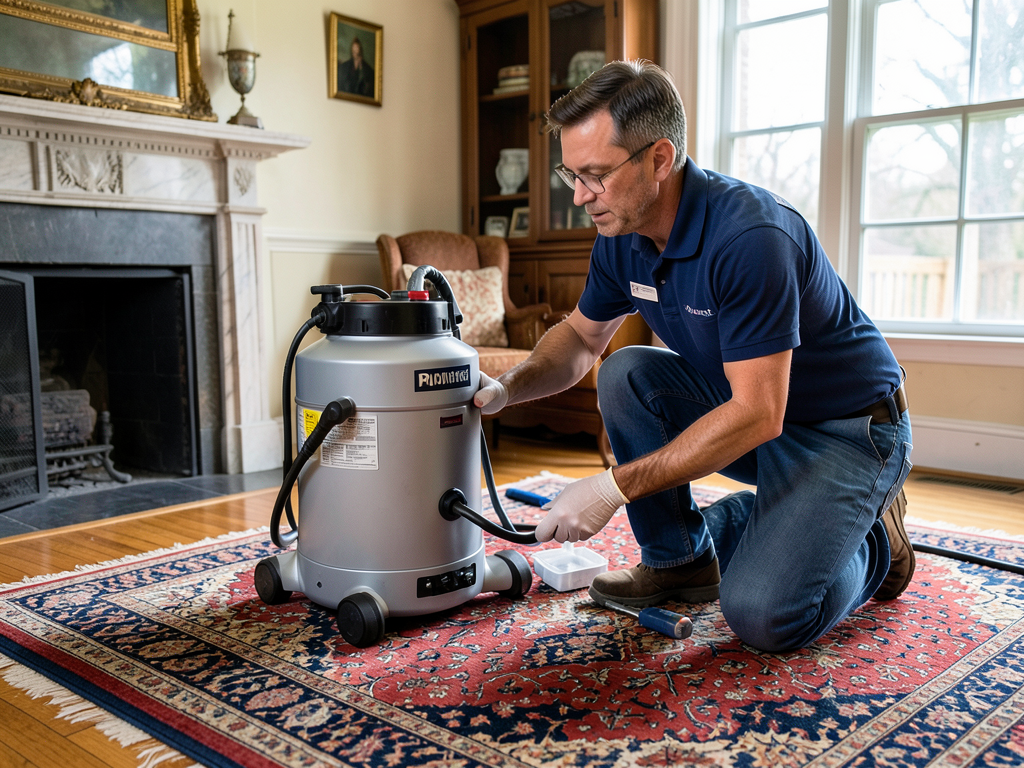
Diagram showing the difference between surface cleaning and complete submersion restoration for water-damaged rugs. This visual demonstrates how contaminants penetrate deep into rug foundations and why surface cleaning fails to address underlying damage.
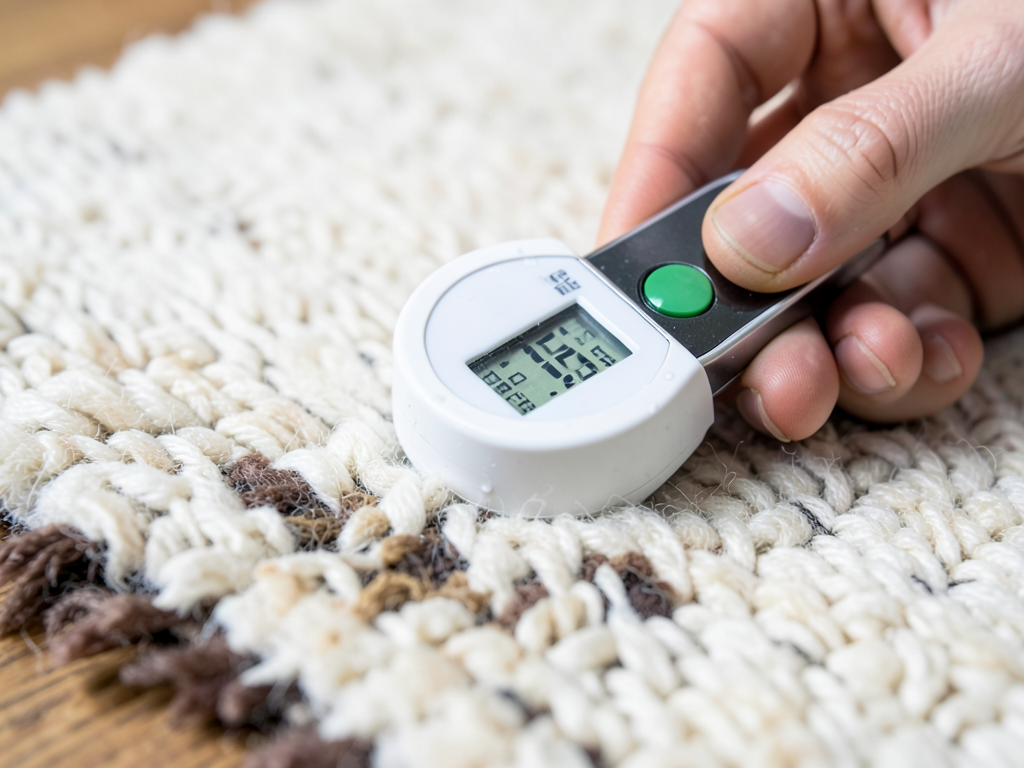
Technician using moisture meters on a Persian rug after water extraction. Shows the diagnostic process of checking moisture content at multiple depths to ensure complete drying and prevent mold growth.
Before and after comparison of a wool rug restored after basement flooding. Demonstrates the dramatic improvement possible with professional restoration techniques for water-damaged textiles.
Call now for emergency rug restoration in the North End
Water damage to your high-end rug requires immediate professional attention. Every hour of delay reduces the chances of successful restoration and increases the risk of permanent damage or mold growth.
Our team serves all North End neighborhoods including Valley Street, Branch Avenue, and areas near the Woonasquatucket River. We understand the specific challenges of Providence’s historic architecture and coastal climate.
Emergency service is available 24/7. Our technicians arrive within 60 minutes with commercial-grade equipment and IICRC-certified expertise. We provide honest assessments and clear pricing before beginning any work. IICRC water damage restoration standards.
Don’t risk permanent damage to your valuable rug. Call (401) 262-8400 now for immediate emergency response. We’ll arrive quickly, assess the damage, and begin professional restoration to save your rug and protect your home.
Pick up the phone and call (401) 262-8400 before the next storm hits. Your high-end rug deserves expert care from professionals who understand Providence’s unique restoration challenges.
{
“@context”: “https://schema.org”,
“@type”: “BlogPosting”,
“headline”: “How to save your high-end area rugs after a flood in the North End”,
“description”: “Expert guide to saving flooded Oriental and Persian rugs in Providence’s North End. Learn 24/7 emergency restoration, mold prevention, and specialized cleaning techniques.”,
“wordCount”: 1564,
“datePublished”: “2026-04-23T13:23:00.000Z”,
“dateModified”: “2026-04-23T13:23:00.000Z”,
“inLanguage”: “en-US”,
“mainEntityOfPage”: {
“@type”: “WebPage”,
“@id”: “https://atlaswaterdamagerestorationprovidence.com”
},
“publisher”: {
“@type”: “LocalBusiness”,
“name”: “Atlas Water Damage Restoration Providence”,
“url”: “https://atlaswaterdamagerestorationprovidence.com”
},
“author”: {
“@type”: “Organization”,
“name”: “Atlas Water Damage Restoration Providence”,
“url”: “https://atlaswaterdamagerestorationprovidence.com”
},
“image”: {
“@type”: “ImageObject”,
“url”: “https://atlaswaterdamagerestorationprovidence.com/wp-content/uploads/2026/03/how-to-save-your-high-end-area-rugs-after-a-flood-1.png”
}
}
{
“@context”: “https://schema.org”,
“@type”: “LocalBusiness”,
“name”: “Atlas Water Damage Restoration Providence”,
“url”: “https://atlaswaterdamagerestorationprovidence.com”,
“address”: {
“@type”: “PostalAddress”,
“addressLocality”: “Providence”
},
“areaServed”: {
“@type”: “City”,
“name”: “Providence”
}
}
{
“@context”: “https://schema.org”,
“@type”: “FAQPage”,
“mainEntity”: [
{
“@type”: “Question”,
“name”: “How long can a wet rug sit before mold grows?”,
“acceptedAnswer”: {
“@type”: “Answer”,
“text”: “Mold can begin growing within 24-48 hours of water exposure, especially in wool and silk rugs. The exact timing depends on temperature, humidity, and the rug’s fiber content. Natural fibers are more susceptible than synthetics.”
}
},
{
“@type”: “Question”,
“name”: “Can all water-damaged rugs be saved?”,
“acceptedAnswer”: {
“@type”: “Answer”,
“text”: “Not all rugs survive water damage. Category 3 (black water) contamination often requires disposal for health reasons. The rug’s age, fiber content, and water exposure time determine salvageability. We provide honest assessments before beginning restoration.”
}
},
{
“@type”: “Question”,
“name”: “Should I try cleaning the rug myself?”,
“acceptedAnswer”: {
“@type”: “Answer”,
“text”: “DIY cleaning often causes more damage than good. Consumer cleaning products can set stains permanently, and improper drying techniques lead to mold growth. Professional restoration equipment and techniques are necessary for valuable rugs.”
}
},
{
“@type”: “Question”,
“name”: “How much does rug restoration cost?”,
“acceptedAnswer”: {
“@type”: “Answer”,
“text”: “Costs vary based on rug size, fiber content, and damage extent. Simple cleaning starts around $2-3 per square foot, while extensive restoration with antimicrobial treatment can reach $6-8 per square foot. Insurance often covers water damage restoration.”
}
},
{
“@type”: “Question”,
“name”: “How long does the restoration process take?”,
“acceptedAnswer”: {
“@type”: “Answer”,
“text”: “Emergency extraction happens within hours. The complete restoration process typically takes 3-5 days, depending on drying requirements and rug complexity. We provide specific timelines after initial assessment.”
}
},
{
“@type”: “Question”,
“name”: “Will my rug smell like chemicals after treatment?”,
“acceptedAnswer”: {
“@type”: “Answer”,
“text”: “Professional restoration uses low-odor, EPA-registered antimicrobials. Any residual scent dissipates within 24-48 hours as the rug fully dries. We guarantee odor removal or retreatment at no additional cost.”
}
}
]
}
{
“@context”: “https://schema.org”,
“@type”: “BreadcrumbList”,
“itemListElement”: [
{
“@type”: “ListItem”,
“position”: 1,
“name”: “Home”,
“item”: “https://atlaswaterdamagerestorationprovidence.com”
},
{
“@type”: “ListItem”,
“position”: 2,
“name”: “Blog”,
“item”: “https://atlaswaterdamagerestorationprovidence.com/blog”
},
{
“@type”: “ListItem”,
“position”: 3,
“name”: “How to save your high-end area rugs after a flood in the North End”
}
]
}
{
“@context”: “https://schema.org”,
“@type”: “Service”,
“serviceType”: “Water Damage Restoration”,
“provider”: {
“@type”: “LocalBusiness”,
“name”: “Atlas Water Damage Restoration Providence”,
“url”: “https://atlaswaterdamagerestorationprovidence.com”
},
“areaServed”: {
“@type”: “City”,
“name”: “Providence”
},
“description”: “Expert guide to saving flooded Oriental and Persian rugs in Providence’s North End. Learn 24/7 emergency restoration, mold prevention, and specialized cleaning techniques.”
}