
What Rhode Island homeowners need to know about sump pump battery backups
Rhode Island basements flood when power fails during storms. A battery backup sump pump gives your home automatic protection when the primary pump stops working. This guide covers everything Providence homeowners need to know about choosing, installing, and maintaining backup systems that keep basements dry during our worst weather. Flood Cleanup & Extraction.
Providence sits in a coastal climate where heavy rain, Nor’easters, and high water tables create constant basement flooding risks. When storms knock out power, your main sump pump stops working just when you need it most. A battery backup system kicks in automatically, pumping water for hours without electricity.. Read more about How to handle water damage in a finished basement with a French drain system.
Most Rhode Island homes need backup protection because our winters bring frozen discharge lines and spring thaws overwhelm drainage systems. The cost of installing a quality backup system runs between $600 and $1,200, while flood damage cleanup often exceeds $5,000. The math is simple: prevention costs less than repair. EPA sump pump buying guide.
Understanding how these systems work helps you make smart choices. Battery backups use deep-cycle marine batteries that last 3-5 years. They connect to your existing sump pit and activate when water rises or power fails. Modern units include alarms, WiFi monitoring, and automatic testing features that alert you before problems develop.. Read more about Getting rid of standing water in your Warwick crawl space for good.
Choosing the right system depends on your basement size, water volume, and local conditions. Providence homes near Narragansett Bay face higher water tables than properties in northern Providence County. Your backup pump needs enough capacity to handle your specific drainage challenges.
Why Rhode Island basements need battery backup protection
Rhode Island’s climate creates perfect conditions for basement flooding. Our coastal location means high humidity, frequent storms, and occasional storm surge that pushes water tables higher. When heavy rain hits frozen ground or overwhelmed municipal systems, water seeks the lowest point in your home.
Power outages during storms leave homes vulnerable. Your primary sump pump runs on electricity, so when the grid fails, so does your first line of defense. Battery backups provide 8-24 hours of continuous pumping depending on battery size and water volume. This coverage often spans the duration of typical Providence storm outages.
Many Providence neighborhoods sit on clay soils that drain poorly. Areas like Fox Point and College Hill experience hydrostatic pressure that forces water through foundation cracks. A backup pump handles this constant pressure when your main pump can’t keep up.
Rhode Island building codes require proper drainage but don’t mandate backup systems. However, insurance companies increasingly offer premium discounts for homes with battery backups. Some policies even require them for coverage in flood-prone areas near the Seekonk River or Providence Harbor.
Types of battery backup sump pump systems
Understanding your options helps you choose the right protection level. Three main backup system types serve different needs and budgets.
Battery backup pumps install alongside your primary pump in the same sump pit. They use 12-volt DC motors powered by deep-cycle batteries. These systems activate automatically when the primary pump fails or water rises too quickly. Most units pump 1,500-2,400 gallons per hour at 10-foot lift.
Combination systems include both a primary AC pump and battery backup in one package. The primary pump handles normal conditions while the backup takes over during power failures. These all-in-one solutions cost more but simplify installation and maintenance. Reliable Help for Sump Pump Failures and Flooding in Smith Hill.
Water-powered backup systems use municipal water pressure to create suction that removes basement water. They work without electricity or batteries but require adequate water pressure and increase your water bill. These systems suit homes with reliable city water service but won’t work with well pumps. Finding the Most Reliable Water Damage Restoration Experts in Providence.
Battery capacity determines how long your backup runs. Standard systems use 7-12 amp-hour batteries that last 4-8 hours. Extended capacity units with 75-100 amp-hour batteries provide 24-48 hours of protection. Your choice depends on how long power typically stays out in your area.
Installation considerations for Providence homes
Proper installation ensures your backup system works when needed. Most Providence homeowners hire professionals because incorrect installation creates failure risks. Professional Mold Removal and Remediation Services for East Side Homeowners.
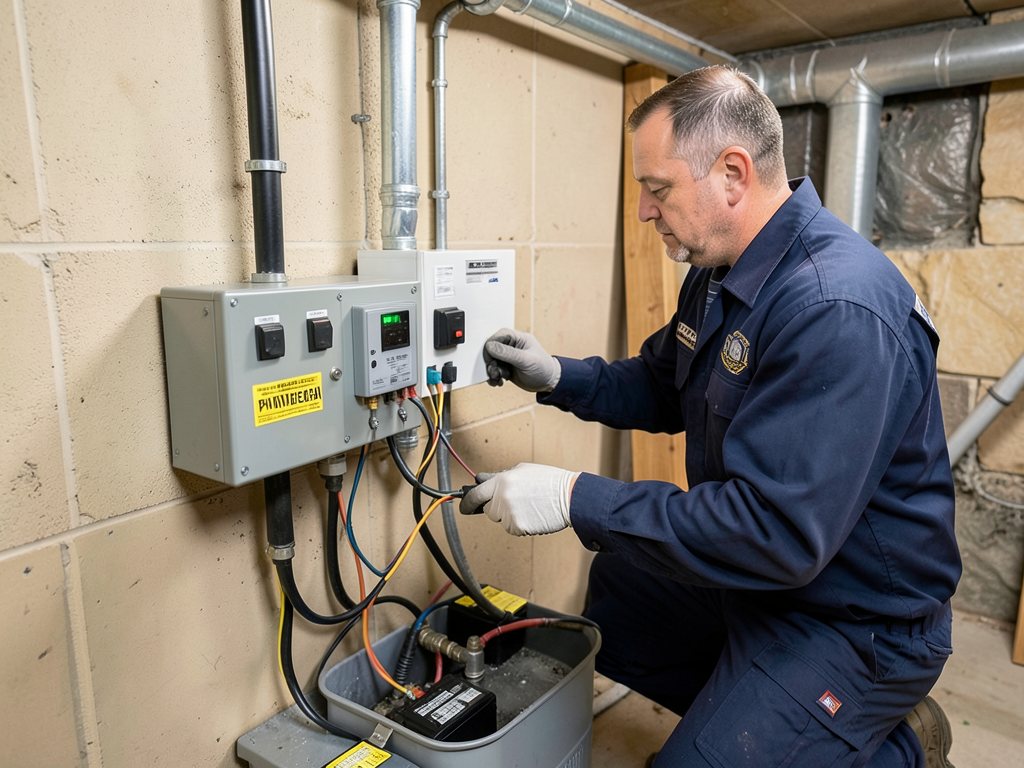
Placement matters for reliability. Your backup pump needs its own float switch positioned higher than the primary pump’s switch. This prevents both pumps from running simultaneously while ensuring the backup activates if the primary fails or can’t keep up.
Discharge routing requires careful planning. The backup pump must have a separate discharge line or a check valve to prevent backflow when the primary pump runs. Shared discharge lines without proper valving cause both pumps to fight each other.
Rhode Island building codes require GFCI protection for all sump pump circuits. The backup system’s battery charger and control panel need dedicated circuits to prevent nuisance tripping during storms. Professional electricians understand these requirements and ensure code compliance.
Ventilation prevents battery gas buildup. Lead-acid batteries release hydrogen during charging, creating explosion risks in sealed spaces. Proper venting to the outside or adequate airflow in the installation area protects your home.
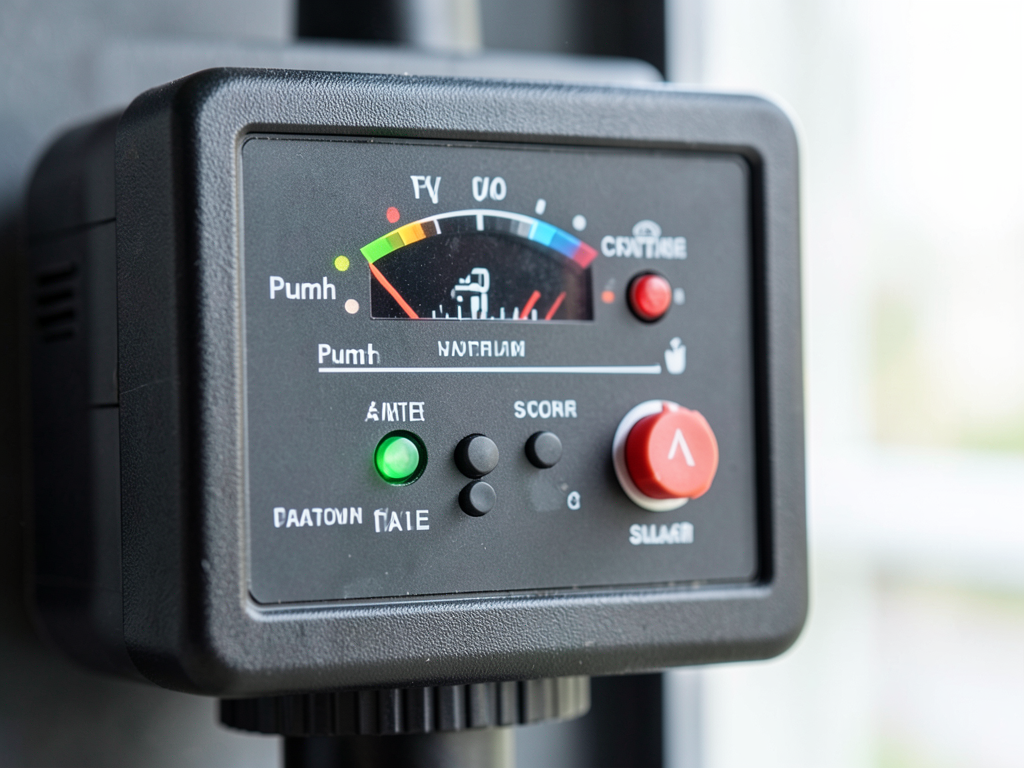
Mounting the control panel in an accessible location helps with maintenance. The panel should show battery status, pump operation, and alarm conditions at a glance. Many modern systems connect to smartphone apps for remote monitoring.
Maintenance schedule for reliable operation
Regular maintenance prevents backup failures when storms hit. A simple quarterly schedule keeps your system ready.
Quarterly checks should include battery voltage testing with a multimeter. Healthy 12-volt batteries read 12.6 volts or higher when fully charged. Readings below 12.3 volts indicate the battery needs replacement soon.
Clean the sump pit annually to remove sediment that can clog pump intakes. Providence’s clay soils produce fine particles that settle in the pit bottom. This debris reduces pump efficiency and can cause overheating.
Test the backup pump every three months by pouring water into the sump pit until the float activates. Listen for unusual noises that might indicate bearing wear or impeller damage. The pump should start quickly and pump water smoothly.
Check alarm functionality monthly. Most systems have test buttons that verify the alarm circuit works. Some units include low battery alarms that alert you before complete failure occurs.
Replace batteries every 3-5 years regardless of apparent condition. Deep-cycle batteries lose capacity gradually, reducing backup run time. Calendar-based replacement prevents surprise failures during storms.
Inspect discharge lines annually for clogs, damage, or freezing risks. Providence winters can freeze exposed discharge pipes, causing backups. Heat tape or buried discharge lines prevent this common failure mode.
Smart features and modern technology
Today’s battery backup systems offer features that provide peace of mind and early warning of problems.
WiFi-enabled controllers send smartphone alerts when the backup activates, battery voltage drops, or the system detects problems. These notifications let you monitor your basement from anywhere, crucial when you’re away during storms.
Automatic testing runs the backup pump briefly every few days to verify operation. These systems track pump cycles, battery health, and alarm functionality, alerting you to developing issues before they cause failures.
High-water alarms add protection by detecting rising water before flooding occurs. Some systems integrate with whole-home automation platforms, triggering lights, sirens, or phone calls when water threatens your basement.
Temperature monitoring prevents freeze damage in unheated spaces. The system can alert you when temperatures drop near freezing, giving you time to add heat or drain the system before damage occurs.
Energy monitoring tracks power usage and can detect when your primary pump runs excessively, indicating potential problems before they cause failures. This feature helps identify failing check valves or overwhelmed drainage systems.
Cost factors and return on investment
Understanding the true costs helps you budget for protection. Several factors affect system pricing.
Basic battery backup systems start around $600 for DIY installation. Professional installation adds $200-400 for labor and electrical work. Premium systems with larger batteries, WiFi controls, and extended warranties cost $1,200-1,800 installed.
Battery replacement every 3-5 years costs $100-200 for standard units. Premium lithium batteries last longer but cost $300-500. Factor these replacement costs into your long-term budget.
Installation complexity affects pricing. Homes with difficult access, complex plumbing, or code compliance issues pay more. Providence’s older housing stock often requires additional work to meet current electrical codes.
Insurance premium discounts can offset costs. Many Rhode Island insurers offer 5-15% discounts for homes with battery backup systems. These savings can pay for the system over 5-10 years.
Compare these costs to potential flood damage. A single basement flooding incident in Providence averages $4,000-7,000 for cleanup, drying, and repairs. Finished basements with water damage can exceed $15,000. The backup system pays for itself by preventing one major flood.
Common failure points and how to prevent them
Understanding why backup systems fail helps you prevent problems. Most failures follow predictable patterns.
Battery failure causes the majority of backup system problems. Batteries lose capacity over time, especially in hot or cold environments. Regular testing and scheduled replacement prevent surprise failures during storms.
Float switch malfunctions prevent pumps from activating. Debris in the sump pit can jam floats, while corrosion can prevent electrical contacts from closing. Keep the pit clean and test switches quarterly.
Discharge line clogs cause pumps to run without removing water. Leaves, sediment, and ice can block discharge pipes. Annual inspections and proper pipe routing prevent these issues.
Power supply problems affect battery chargers. GFCI trips, circuit breaker failures, or damaged wiring can prevent batteries from charging. Professional installation with dedicated circuits reduces these risks.
Motor bearing failure occurs in systems that run frequently. Providence’s high water tables mean backup pumps often cycle during normal conditions. Quality pumps with sealed bearings last longer in these demanding environments.
Control panel failures prevent system operation. Power surges, water damage, or component aging can disable controls. Surge protection and proper mounting location extend control panel life.
Rhode Island-specific considerations
Providence’s unique geography and climate create specific challenges for sump pump systems.
The Narragansett Bay influence creates higher water tables in coastal Providence neighborhoods. Areas near the bay experience groundwater levels 2-3 feet higher than inland locations. This requires more powerful pumps and larger batteries.
Rhode Island’s freeze-thaw cycles stress discharge lines. Water freezing in pipes can crack them or block flow completely. Burying discharge lines below frost line or using heat tape prevents winter failures.
Providence’s clay soils drain slowly, increasing hydrostatic pressure on foundations. Homes in areas like Elmhurst and Mount Pleasant need systems sized for continuous operation rather than occasional use.
Local building codes require GFCI protection for all sump pump circuits. Rhode Island electrical code also mandates dedicated circuits for pump equipment. Professional installers understand these requirements and ensure compliance.
Insurance requirements vary by neighborhood. Properties in FEMA-designated flood zones or near the Providence River may need documentation of backup systems for coverage. Check with your insurance agent about specific requirements. FEMA flood insurance basics.
Rhode Island’s humid summers promote corrosion in electrical components. Quality systems with sealed controls and marine-grade components last longer in our coastal environment.
Professional vs. DIY installation
Deciding between professional and DIY installation depends on your skills, local codes, and system complexity.
DIY installation saves $200-400 in labor costs but requires electrical knowledge and plumbing skills. You’ll need to understand Rhode Island electrical codes, proper discharge routing, and battery safety. Mistakes can create fire hazards or code violations.
Professional installation includes code compliance, warranty coverage, and expert sizing. Installers know local conditions and can recommend appropriate systems for your specific situation. They also handle electrical permits and inspections required in Providence.
DIY systems typically use simpler controls and smaller batteries to reduce complexity. Professional systems offer advanced features like WiFi monitoring, automatic testing, and high-capacity batteries that provide longer run times.
Warranty coverage differs significantly. DIY installations void manufacturer warranties if not done correctly. Professional installation usually includes 1-2 year labor warranties plus full manufacturer coverage on parts.
Time investment matters too. DIY installation takes 4-8 hours for someone with experience. Professional installation completes in 2-3 hours with proper tools and knowledge. Consider whether your time is worth the cost savings.
Resale value can be affected. Professional installation with permits and inspections provides documentation that satisfies home inspectors and buyers. DIY work may raise questions during home sales.
Emergency preparation and response
Even with backup systems, preparation helps you respond effectively when storms threaten.
Create a flood response plan that includes emergency contacts, insurance information, and steps to take when water appears. Post this plan near your electrical panel where everyone can find it quickly. Get Immediate 24/7 Emergency Water Extraction in Downtown Providence.
Test your backup system before storm seasons. Fall testing prepares for winter freeze-thaw cycles while spring testing readies you for heavy rains. Don’t wait until storms approach to discover problems.
Keep emergency supplies accessible. A wet-dry vacuum, mops, and absorbent materials help manage small leaks before they become floods. Store these items in a dry area away from potential water damage.
Know your home’s water shutoff location. If a pipe bursts during freezing weather, stopping the water supply prevents extensive damage. Make sure all household members know how to operate the main shutoff valve.
Document your basement contents for insurance purposes. Photos or videos of finished areas, valuable items, and equipment help with claims if flooding occurs. Store this documentation in cloud storage or a waterproof container.
Consider flood sensors in addition to your backup system. These devices detect water in multiple locations and can alert you to problems before significant damage occurs.
Review your insurance coverage annually. Many policies exclude sump pump failures or require separate riders for comprehensive coverage. Understanding your protection helps you make informed decisions about additional safeguards.
Frequently Asked Questions
How long do battery backup sump pumps run during a power outage?
Standard systems run 4-8 hours depending on battery capacity and water volume. Extended capacity units with larger batteries provide 24-48 hours of continuous operation. Factors affecting run time include battery age, water inflow rate, and pump horsepower.
Can I install a battery backup system myself?
DIY installation is possible but requires electrical knowledge and plumbing skills. You must understand Rhode Island electrical codes, proper discharge routing, and battery safety. Professional installation ensures code compliance and includes warranty coverage, though it costs more than DIY.
How often should I replace the battery?
Replace backup batteries every 3-5 years regardless of apparent condition. Deep-cycle batteries lose capacity gradually, reducing backup run time. Calendar-based replacement prevents surprise failures during storms. Test battery voltage quarterly and replace immediately if readings fall below 12.3 volts.
Will a battery backup work during a hurricane?
Battery backups work during hurricanes if properly sized and maintained. Most systems provide 8-24 hours of pumping, which may not cover extended outages. Consider extended capacity batteries or whole-home generators for hurricane protection. Regular testing ensures reliability when needed most.
What size battery backup do I need?
Battery size depends on your basement’s water volume, local water table, and desired run time. Standard systems suit most homes, but properties near Narragansett Bay or with high water tables may need larger batteries. Professional assessment helps determine appropriate capacity for your specific situation.
Protect your Providence home today
Rhode Island’s climate won’t wait for you to prepare. Every year, storms flood unprepared basements, causing thousands in damage and disrupting lives. A battery backup sump pump provides automatic protection when you need it most.
Don’t let the next storm catch you unprepared. Our team installs and maintains battery backup systems throughout Providence and surrounding communities. We understand local conditions, building codes, and the specific challenges Rhode Island homeowners face.
Call (401) 262-8400 today to schedule your free assessment. We’ll evaluate your current system, recommend appropriate backup solutions, and provide clear pricing with no hidden costs. Our installations include warranty coverage and ongoing support to keep your basement dry for years to come.
Pick up the phone and call (401) 262-8400 before the next storm hits. One call now prevents costly flood damage later. Your peace of mind is worth the investment.
You may also find this helpful. Why your Gaspee Plateau garage keeps flooding after a heavy rainstorm.
{
“@context”: “https://schema.org”,
“@type”: “BlogPosting”,
“headline”: “What Rhode Island homeowners need to know about sump pump battery backups”,
“description”: “Protect your Providence basement from flooding with expert sump pump backup systems. Learn local installation, maintenance, and emergency preparation for Rhode Island storms.”,
“wordCount”: 2675,
“datePublished”: “2026-04-08T12:37:00.000Z”,
“dateModified”: “2026-04-08T12:37:00.000Z”,
“inLanguage”: “en-US”,
“mainEntityOfPage”: {
“@type”: “WebPage”,
“@id”: “https://atlaswaterdamagerestorationprovidence.com”
},
“publisher”: {
“@type”: “LocalBusiness”,
“name”: “Atlas Water Damage Restoration Providence”,
“url”: “https://atlaswaterdamagerestorationprovidence.com”
},
“author”: {
“@type”: “Organization”,
“name”: “Atlas Water Damage Restoration Providence”,
“url”: “https://atlaswaterdamagerestorationprovidence.com”
},
“image”: {
“@type”: “ImageObject”,
“url”: “https://atlaswaterdamagerestorationprovidence.com/wp-content/uploads/2026/03/what-rhode-island-homeowners-need-to-know-about-su-1.png”
}
}
{
“@context”: “https://schema.org”,
“@type”: “LocalBusiness”,
“name”: “Atlas Water Damage Restoration Providence”,
“url”: “https://atlaswaterdamagerestorationprovidence.com”,
“address”: {
“@type”: “PostalAddress”,
“addressLocality”: “Providence”
},
“areaServed”: {
“@type”: “City”,
“name”: “Providence”
}
}
{
“@context”: “https://schema.org”,
“@type”: “FAQPage”,
“mainEntity”: [
{
“@type”: “Question”,
“name”: “How long do battery backup sump pumps run during a power outage?”,
“acceptedAnswer”: {
“@type”: “Answer”,
“text”: “Standard systems run 4-8 hours depending on battery capacity and water volume. Extended capacity units with larger batteries provide 24-48 hours of continuous operation. Factors affecting run time include battery age, water inflow rate, and pump horsepower.”
}
},
{
“@type”: “Question”,
“name”: “Can I install a battery backup system myself?”,
“acceptedAnswer”: {
“@type”: “Answer”,
“text”: “DIY installation is possible but requires electrical knowledge and plumbing skills. You must understand Rhode Island electrical codes, proper discharge routing, and battery safety. Professional installation ensures code compliance and includes warranty coverage, though it costs more than DIY.”
}
},
{
“@type”: “Question”,
“name”: “How often should I replace the battery?”,
“acceptedAnswer”: {
“@type”: “Answer”,
“text”: “Replace backup batteries every 3-5 years regardless of apparent condition. Deep-cycle batteries lose capacity gradually, reducing backup run time. Calendar-based replacement prevents surprise failures during storms. Test battery voltage quarterly and replace immediately if readings fall below 12.3 volts.”
}
},
{
“@type”: “Question”,
“name”: “Will a battery backup work during a hurricane?”,
“acceptedAnswer”: {
“@type”: “Answer”,
“text”: “Battery backups work during hurricanes if properly sized and maintained. Most systems provide 8-24 hours of pumping, which may not cover extended outages. Consider extended capacity batteries or whole-home generators for hurricane protection. Regular testing ensures reliability when needed most.”
}
},
{
“@type”: “Question”,
“name”: “What size battery backup do I need?”,
“acceptedAnswer”: {
“@type”: “Answer”,
“text”: “Battery size depends on your basement’s water volume, local water table, and desired run time. Standard systems suit most homes, but properties near Narragansett Bay or with high water tables may need larger batteries. Professional assessment helps determine appropriate capacity for your specific situation.”
}
}
]
}
{
“@context”: “https://schema.org”,
“@type”: “BreadcrumbList”,
“itemListElement”: [
{
“@type”: “ListItem”,
“position”: 1,
“name”: “Home”,
“item”: “https://atlaswaterdamagerestorationprovidence.com”
},
{
“@type”: “ListItem”,
“position”: 2,
“name”: “Blog”,
“item”: “https://atlaswaterdamagerestorationprovidence.com/blog”
},
{
“@type”: “ListItem”,
“position”: 3,
“name”: “What Rhode Island homeowners need to know about sump pump battery backups”
}
]
}
{
“@context”: “https://schema.org”,
“@type”: “Service”,
“serviceType”: “Water Damage Restoration”,
“provider”: {
“@type”: “LocalBusiness”,
“name”: “Atlas Water Damage Restoration Providence”,
“url”: “https://atlaswaterdamagerestorationprovidence.com”
},
“areaServed”: {
“@type”: “City”,
“name”: “Providence”
},
“description”: “Protect your Providence basement from flooding with expert sump pump backup systems. Learn local installation, maintenance, and emergency preparation for Rhode Island storms.”
}