
Protecting the lath and plaster walls of your Armory District home from moisture
If you live in Providence’s Armory District, your home likely features beautiful historic lath and plaster walls that give your property character and charm. These traditional walls, common in homes built before 1940, require special care when it comes to moisture protection. Unlike modern drywall, lath and plaster walls can develop serious structural problems when exposed to water, potentially leading to dangerous ceiling collapses or extensive mold growth. Protecting Your Historic Fox Point Home from Water Damage and Mold.
The Armory District’s proximity to the Woonasquatucket River and its historic building stock create unique moisture challenges. Many homes in this area sit on clay-rich soils that retain water, while the neighborhood’s Victorian-era construction often includes wood lath that expands when wet. Understanding how these materials react to moisture is the first step in protecting your investment.
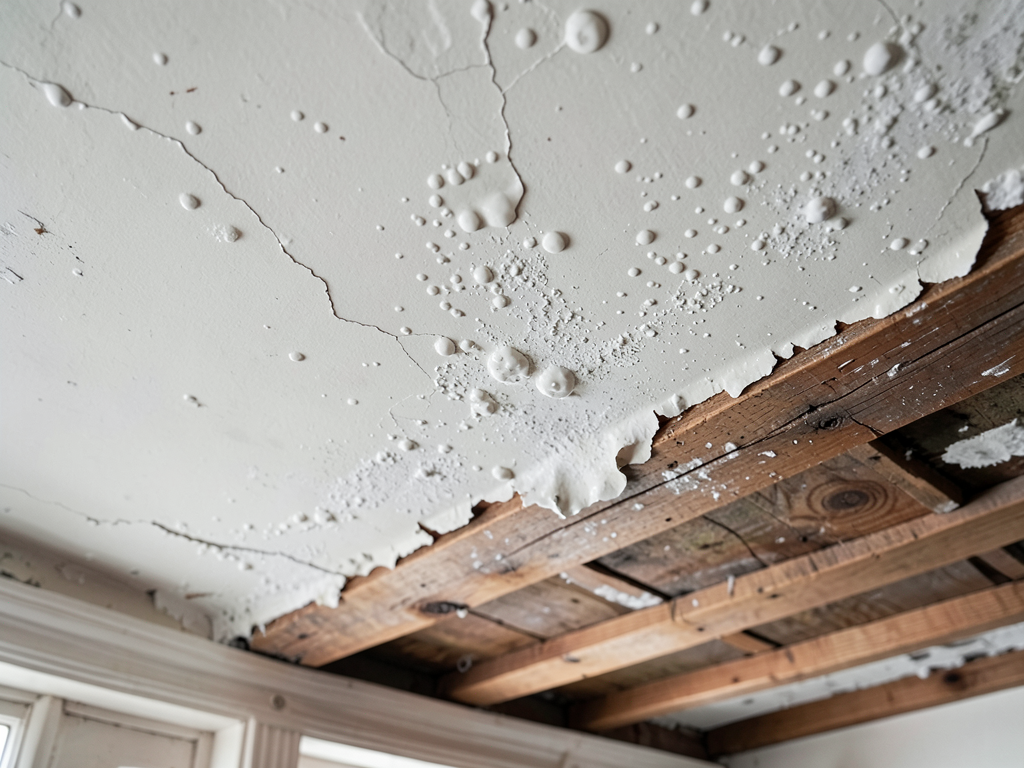
Water damage to lath and plaster manifests differently than you might expect. Instead of simple staining, you might notice bubbling paint, sagging sections, or white efflorescence crystals forming on the surface. These are warning signs that the plaster’s ‘keys’ have broken loose from the wood lath behind it, creating a dangerous situation where entire wall sections could fail without warning.
Protecting your Armory District home requires a combination of prevention, early detection, and professional restoration when problems occur. The historic nature of these buildings means that DIY repairs often do more harm than good, potentially violating local preservation guidelines or creating new moisture pathways through improper sealing. EPA Lead Renovation, Repair and Painting (RRP) rules.
How water affects lath and plaster differently than drywall
Modern drywall consists of compressed gypsum between paper layers, making it relatively uniform when wet. Lath and plaster walls, however, are a three-dimensional system where water can travel through multiple pathways. The wood lath expands when absorbing moisture, causing the plaster keys to shear off. This creates hollow spots that sound different when tapped and can lead to sudden failure.
The Armory District’s historic homes often feature horsehair plaster, where animal hair was mixed into the plaster to add strength. While this technique creates incredibly durable walls when dry, water exposure causes the hair to break down and the plaster to lose its structural integrity. You might notice this as a musty smell or visible deterioration along ceiling edges.
Coastal Providence’s humidity levels, averaging 70% annually, create constant moisture exposure for historic buildings. This slow, persistent dampness can be more damaging than a single flood event because it allows mold colonies to establish in the wood lath before surface damage becomes visible. Professional moisture mapping using infrared thermography can detect these hidden problems before they cause structural failure. Professional Mold Removal and Remediation Services for East Side Homeowners.
Water damage in lath and plaster also creates unique safety hazards. A ceiling section that appears slightly sagging might be holding thousands of pounds of water-saturated plaster. Unlike drywall that gives warning through visible bulging, plaster can maintain its appearance until the moment it fails, making professional assessment critical for any water exposure.
Common moisture sources in Armory District homes
The Armory District’s location near the Woonasquatucket River means many homes sit in areas with high water tables. During heavy rains or rapid snowmelt, hydrostatic pressure can force water through basement walls and up through the first-floor plaster. This ‘rising damp’ often appears as dark staining at the base of walls before spreading upward.
Historic plumbing in Armory District homes presents another major moisture risk. Many properties still contain original cast iron pipes that corrode from the inside out. A small leak behind a plaster wall might go unnoticed for months, saturating the wood lath and creating perfect conditions for mold growth before any visible damage appears.
Roof leaks affect lath and plaster differently than modern construction. Water traveling down rafters can pool at ceiling joists, creating isolated wet spots that don’t show staining until the plaster keys fail. The Armory District’s many Victorian homes with complex rooflines and multiple valleys are particularly susceptible to this hidden water damage pattern.
Even interior moisture sources pose risks. Steam from bathrooms without proper ventilation can condense on cool plaster walls in winter, creating localized dampness that leads to paint failure and mold growth. The compact nature of many Armory District homes means moisture from cooking and breathing can accumulate in wall cavities, especially in homes with poor insulation.
Warning signs of lath and plaster water damage
Early detection saves thousands in restoration costs. One of the first signs of water damage in lath and plaster is a change in sound. When you tap on a healthy plaster wall, it produces a solid, ringing tone. Water-damaged areas sound dull or hollow because the plaster has separated from the lath behind it.
Visual indicators include bubbling or peeling paint that occurs in irregular patterns rather than uniform sheets. This happens because water travels through the plaster at different rates, causing some areas to lose adhesion while others remain intact. You might also notice fine cracks forming in a circular pattern around light fixtures or ceiling medallions where water tends to collect.
Efflorescence appears as a white, powdery substance on plaster surfaces. This occurs when water-soluble salts from the wood lath or historic mortar migrate to the surface as water evaporates. While efflorescence itself isn’t harmful, it indicates active moisture movement that could lead to more serious damage if not addressed.
Musty odors are often the first warning sign homeowners notice. By the time you can smell mold, colonies have likely established themselves in the wall cavity. The Armory District’s older homes, with their numerous wall cavities and limited ventilation, provide ideal conditions for mold growth when moisture is present.
Physical changes in the wall surface provide critical warning signs. Slight bulging, especially along ceiling edges where plaster meets crown molding, indicates water accumulation. A depression or ‘give’ when you press gently on the wall suggests the plaster has lost its key connection to the lath. These areas require immediate professional assessment as they could fail without warning. Get Immediate 24/7 Emergency Water Extraction in Downtown Providence.
Professional restoration process for historic plaster
Restoring water-damaged lath and plaster requires specialized knowledge of historic building materials. The process begins with thorough moisture mapping using professional-grade meters and infrared cameras to identify all affected areas. This step is crucial because water often travels along paths invisible to the naked eye, and missing even small damp areas can lead to recurring problems.
Stabilization comes next. For sagging ceilings or walls, temporary support systems prevent catastrophic failure during restoration. This might involve building temporary walls or installing specialized bracing that distributes the weight of wet plaster safely. The Armory District’s many three-story homes require particular care during this phase due to the increased weight of upper-floor plaster.
Drying historic plaster differs significantly from modern materials. While you might be tempted to use high-heat drying equipment, this can cause historic lime plaster to calcine or turn to powder. Professional restoration uses controlled drying techniques that remove moisture slowly to prevent additional cracking or delamination of the plaster surface.
Once dry, the plaster requires careful assessment to determine what can be saved versus what must be replaced. Small areas of damage might be repaired using traditional methods and materials that match the original construction. However, extensive damage often requires removing and replacing entire wall sections to ensure structural integrity and prevent future problems.
The final restoration phase involves matching the original finish. Armory District homes often feature decorative plaster details, textured finishes, or historic paint colors that require skilled artisans to reproduce. This attention to detail ensures the repaired areas blend seamlessly with untouched sections, maintaining your home’s historic character and value.
Preventing moisture damage in your Armory District home
Prevention starts with understanding your home’s specific vulnerabilities. Armory District properties built before 1940 often lack vapor barriers and proper drainage systems that modern homes take for granted. Installing dehumidifiers in basements and crawl spaces can reduce the moisture load on plaster walls, especially during Providence’s humid summers.
Regular maintenance of your roof and gutters prevents one of the most common sources of water damage. The Armory District’s many mature trees drop leaves and debris that can clog gutters, causing water to back up under roof shingles and travel down wall cavities. Cleaning gutters seasonally and inspecting your roof after major storms can prevent costly water damage.
Plumbing inspections are particularly important in historic homes. Consider having a professional plumber inspect visible pipes annually, looking for corrosion, loose fittings, or signs of previous leaks. The cost of prevention is minimal compared to the expense of repairing water-damaged lath and plaster, which often requires specialized restoration skills.
Improving ventilation reduces indoor moisture that can affect plaster walls. Even simple steps like running bathroom exhaust fans during showers and for 30 minutes afterward can significantly reduce the moisture load on your home’s historic materials. In Armory District’s tightly built historic homes, proper ventilation is crucial for preventing condensation-related damage.
Consider installing moisture sensors in areas prone to water damage. Modern wireless sensors can alert you to leaks under sinks, near water heaters, or in basements before significant damage occurs. Early detection is particularly valuable in Armory District homes where water can travel through wall cavities for weeks before visible signs appear.
Local building codes and historic preservation
Working on lath and plaster walls in the Armory District requires understanding both modern building codes and historic preservation guidelines. The Rhode Island State Building Code (SBC-1) sets minimum standards for structural repairs, while the Providence Historic District Commission oversees changes to properties within designated historic areas.
For homes built before 1978, federal EPA Lead Renovation, Repair and Painting (RRP) rules apply to any work that disturbs painted surfaces. This means proper containment, certified workers, and specific cleanup procedures are mandatory when repairing water-damaged plaster in older Armory District homes. Violating these rules can result in substantial fines and health hazards. Flood Cleanup & Extraction.
Insurance considerations also affect restoration choices. Many Armory District homes qualify for historic preservation tax credits when repairs use appropriate materials and methods. However, using modern alternatives to save money might violate these programs’ requirements and reduce your home’s historic value. Professional restoration companies familiar with local regulations can help navigate these requirements.
Building permits are typically required for structural repairs to plaster walls, even when the work is restoration rather than new construction. The City of Providence’s inspection department reviews plans to ensure repairs meet both safety standards and historic preservation guidelines. Working with contractors who understand this dual requirement prevents delays and ensures compliance.
Environmental regulations affect how water-damaged materials are handled. Rhode Island’s Department of Environmental Management has specific requirements for disposing of water-damaged plaster, particularly if it contains horsehair or other organic materials that could harbor mold. Professional restoration companies handle these requirements as part of their service, ensuring legal compliance.
Insurance and restoration costs
Understanding your insurance coverage before water damage occurs can save significant stress during restoration. Most standard homeowner policies cover sudden water damage from burst pipes or appliance failures, but they often exclude gradual damage or flooding from external sources. Armory District homeowners should review their policies to understand these limitations. Reliable Help for Sump Pump Failures and Flooding in Smith Hill.
When filing a claim for water-damaged plaster, documentation becomes crucial. Insurance adjusters need to see the extent of damage, the cause, and the proposed restoration plan. Professional restoration companies provide detailed documentation that supports your claim, including moisture readings, structural assessments, and itemized repair proposals that meet both insurance and historic preservation requirements.
Cost factors for restoring lath and plaster vary significantly based on damage extent and required methods. Simple repairs to small areas might cost a few hundred dollars, while extensive restoration involving structural repairs and historic finish matching can run into thousands. The Armory District’s many homes with decorative plaster details or historic paint colors often require artisan-level work that commands premium pricing.
Timing affects restoration costs significantly. Emergency response within 24-48 hours of water exposure can prevent many problems that develop if water sits in wall cavities. The longer water remains, the more extensive the damage becomes, potentially requiring complete wall replacement rather than repair. Quick response also reduces the risk of mold growth, which can double restoration costs.
Consider the long-term value preservation when evaluating restoration costs. Armory District homes represent significant investments, and maintaining their historic character through proper restoration protects this value. While modern alternatives might seem cost-effective initially, they can reduce your home’s historic appeal and potentially violate preservation guidelines if you later seek tax credits or sell to preservation-minded buyers.
Choosing the right restoration professional
Not all water damage restoration companies have experience with historic lath and plaster. When selecting a contractor for your Armory District home, look for specific experience with pre-1940 construction and knowledge of historic building materials. Ask about their familiarity with lime plaster versus modern gypsum plaster and their approach to matching historic finishes.
Certifications matter significantly for historic restoration. Look for IICRC certification in water damage restoration, EPA Lead-Safe certification for pre-1978 homes, and membership in preservation organizations like the Providence Preservation Society. These credentials indicate a commitment to proper techniques and awareness of regulatory requirements specific to historic properties. IICRC S500 Standards for water damage restoration.
Ask potential contractors about their assessment process. A thorough evaluation should include moisture mapping, structural assessment, and identification of all affected areas before providing a restoration plan. Be wary of companies that provide quotes without seeing the damage firsthand, as water can travel through wall cavities in ways that aren’t immediately visible.
Request references from similar projects in the Armory District or other historic Providence neighborhoods. Speaking with previous clients can provide insight into the contractor’s ability to work within historic preservation guidelines and their success in matching original finishes. Photos of completed projects are also valuable for assessing their restoration quality.
Understand the timeline and process before work begins. Historic restoration often takes longer than modern repairs due to the careful drying required for old plaster and the time needed to source matching materials. A reputable contractor will explain these factors upfront and provide a realistic schedule that accounts for the unique requirements of your Armory District home.
Emergency response for water damage
When water damage occurs in your Armory District home, quick action can prevent extensive plaster damage. The first 24-48 hours are critical for preventing mold growth and minimizing structural damage. If you discover water, immediately stop the source if possible and begin removing standing water with mops or wet vacuums.
Protect your belongings by moving furniture and valuables away from affected areas. Water can travel up furniture legs and cause additional damage, while valuables near damaged plaster risk destruction if walls or ceilings fail. Use aluminum foil under furniture legs to prevent staining on wet floors if you cannot move items easily.
Increase air circulation to begin the drying process, but avoid using high-heat sources on historic plaster. Open windows if weather permits, and use fans to circulate air without directing high-velocity airflow at wet surfaces. The goal is gentle, consistent air movement that promotes evaporation without causing additional stress to the plaster.
Document the damage thoroughly for insurance purposes. Take clear photos of all affected areas before any cleanup begins, including close-ups of damage and wider shots showing the context. This documentation becomes crucial when working with insurance adjusters and can prevent disputes about the extent or cause of damage.
Contact a professional restoration company immediately, even if the damage seems minor. Water can travel extensively through historic wall cavities before visible signs appear, and what looks like a small problem might indicate more extensive damage. Professional assessment can identify hidden moisture that, if left untreated, will cause problems weeks or months later.
Long-term maintenance for plaster walls
After restoration, maintaining your lath and plaster walls requires different approaches than modern construction. Regular inspections can catch problems early, particularly checking for new cracks, water stains, or changes in wall sound that might indicate developing issues. Pay special attention to areas near plumbing fixtures, under windows, and along roof lines where water intrusion is most likely.
Humidity control becomes crucial for preventing future moisture problems. Consider installing a whole-house dehumidifier if your Armory District home experiences chronic humidity issues. Keeping indoor humidity between 30-50% reduces the risk of condensation on cool plaster walls during temperature changes and prevents the slow moisture accumulation that damages historic materials.
Address small problems promptly before they become major repairs. Hairline cracks can be repaired with traditional plaster patching compounds, while small water stains might respond to cleaning and sealing. However, if you notice recurring problems in the same area, this indicates an underlying moisture source that requires professional investigation.
Consider the impact of modern lifestyle on historic materials. Frequent showers, cooking without proper ventilation, and even indoor plants can increase indoor humidity beyond what your historic plaster walls can handle. Small changes like using exhaust fans consistently and fixing minor plumbing leaks immediately can significantly extend the life of your restored plaster.
Educate yourself about your home’s specific construction details. Understanding whether your walls contain lime plaster, gypsum plaster, or a combination helps you make informed decisions about repairs and modifications. This knowledge also helps you communicate effectively with contractors about appropriate restoration methods for your Armory District home’s unique construction.
Frequently Asked Questions
How can I tell if my plaster walls have water damage?
Look for bubbling or peeling paint, sagging sections, white efflorescence crystals, musty odors, or changes in sound when tapping the wall. Water-damaged plaster often sounds dull or hollow compared to solid areas. Any of these signs warrant professional assessment, especially in historic Armory District homes where damage can progress rapidly.
Can water-damaged plaster be repaired or must it be replaced?
Many water-damaged plaster areas can be repaired if caught early. Small sections with intact keys can be patched using traditional materials. However, extensive damage where the plaster has separated from the lath usually requires removal and replacement to ensure structural integrity and prevent future problems.
How long does plaster take to dry after water damage?
Drying time varies based on damage extent, plaster type, and environmental conditions. Historic lime plaster may require several weeks of controlled drying to prevent additional damage. Professional restoration uses moisture meters to determine when walls are truly dry, as surface appearance can be misleading with historic materials.
Will my homeowner’s insurance cover plaster restoration?
Most policies cover sudden water damage from sources like burst pipes, but may exclude gradual damage or flooding. Coverage for historic restoration varies by insurer. Document damage thoroughly and work with restoration professionals who can provide detailed assessments that support your insurance claim.
Is it safe to stay in my home during plaster restoration?
Safety depends on damage extent and restoration methods. Minor repairs might allow you to remain home with some area restrictions. However, extensive restoration, particularly involving structural repairs or lead paint mitigation, may require temporary relocation. Your restoration contractor can advise based on your specific situation.

Call for professional assessment today
Water damage to lath and plaster walls requires immediate professional attention to prevent dangerous structural failures and extensive mold growth. The unique construction of Armory District homes makes DIY repairs risky and potentially damaging to your property’s historic character. Professional restoration ensures proper techniques, material matching, and compliance with local preservation guidelines.
Don’t wait until sagging ceilings or crumbling walls create safety hazards in your home. Early intervention can save thousands in restoration costs and preserve the historic beauty of your Armory District property. Professional moisture assessment can identify hidden problems before they cause catastrophic damage.
Call (401) 262-8400 today to schedule your inspection. Our experienced team understands the unique challenges of restoring historic lath and plaster in Providence’s Armory District. We provide thorough assessments, detailed restoration plans, and work within all local preservation guidelines to protect your home’s character and your family’s safety.
Pick up the phone and call (401) 262-8400 before the next storm hits. Your Armory District home deserves expert care that preserves its historic beauty while ensuring modern safety and comfort. Don’t let water damage destroy your property’s value and character.
{
“@context”: “https://schema.org”,
“@type”: “BlogPosting”,
“headline”: “Protecting the lath and plaster walls of your Armory District home from moisture”,
“description”: “Discover how to protect your Armory District’s historic lath and plaster walls from moisture damage. Learn warning signs, restoration techniques, and local Providence solutions.”,
“wordCount”: 3390,
“datePublished”: “2026-04-02T15:47:00.000Z”,
“dateModified”: “2026-04-02T15:47:00.000Z”,
“inLanguage”: “en-US”,
“mainEntityOfPage”: {
“@type”: “WebPage”,
“@id”: “https://atlaswaterdamagerestorationprovidence.com”
},
“publisher”: {
“@type”: “LocalBusiness”,
“name”: “Atlas Water Damage Restoration Providence”,
“url”: “https://atlaswaterdamagerestorationprovidence.com”
},
“author”: {
“@type”: “Organization”,
“name”: “Atlas Water Damage Restoration Providence”,
“url”: “https://atlaswaterdamagerestorationprovidence.com”
},
“image”: {
“@type”: “ImageObject”,
“url”: “https://atlaswaterdamagerestorationprovidence.com/wp-content/uploads/2026/03/protecting-the-lath-and-plaster-walls-of-your-armo-1.png”
}
}
{
“@context”: “https://schema.org”,
“@type”: “LocalBusiness”,
“name”: “Atlas Water Damage Restoration Providence”,
“url”: “https://atlaswaterdamagerestorationprovidence.com”,
“address”: {
“@type”: “PostalAddress”,
“addressLocality”: “Providence”
},
“areaServed”: {
“@type”: “City”,
“name”: “Providence”
}
}
{
“@context”: “https://schema.org”,
“@type”: “FAQPage”,
“mainEntity”: [
{
“@type”: “Question”,
“name”: “How can I tell if my plaster walls have water damage?”,
“acceptedAnswer”: {
“@type”: “Answer”,
“text”: “Look for bubbling or peeling paint, sagging sections, white efflorescence crystals, musty odors, or changes in sound when tapping the wall. Water-damaged plaster often sounds dull or hollow compared to solid areas. Any of these signs warrant professional assessment, especially in historic Armory District homes where damage can progress rapidly.”
}
},
{
“@type”: “Question”,
“name”: “Can water-damaged plaster be repaired or must it be replaced?”,
“acceptedAnswer”: {
“@type”: “Answer”,
“text”: “Many water-damaged plaster areas can be repaired if caught early. Small sections with intact keys can be patched using traditional materials. However, extensive damage where the plaster has separated from the lath usually requires removal and replacement to ensure structural integrity and prevent future problems.”
}
},
{
“@type”: “Question”,
“name”: “How long does plaster take to dry after water damage?”,
“acceptedAnswer”: {
“@type”: “Answer”,
“text”: “Drying time varies based on damage extent, plaster type, and environmental conditions. Historic lime plaster may require several weeks of controlled drying to prevent additional damage. Professional restoration uses moisture meters to determine when walls are truly dry, as surface appearance can be misleading with historic materials.”
}
},
{
“@type”: “Question”,
“name”: “Will my homeowner’s insurance cover plaster restoration?”,
“acceptedAnswer”: {
“@type”: “Answer”,
“text”: “Most policies cover sudden water damage from sources like burst pipes, but may exclude gradual damage or flooding. Coverage for historic restoration varies by insurer. Document damage thoroughly and work with restoration professionals who can provide detailed assessments that support your insurance claim.”
}
},
{
“@type”: “Question”,
“name”: “Is it safe to stay in my home during plaster restoration?”,
“acceptedAnswer”: {
“@type”: “Answer”,
“text”: “Safety depends on damage extent and restoration methods. Minor repairs might allow you to remain home with some area restrictions. However, extensive restoration, particularly involving structural repairs or lead paint mitigation, may require temporary relocation. Your restoration contractor can advise based on your specific situation.”
}
}
]
}
{
“@context”: “https://schema.org”,
“@type”: “BreadcrumbList”,
“itemListElement”: [
{
“@type”: “ListItem”,
“position”: 1,
“name”: “Home”,
“item”: “https://atlaswaterdamagerestorationprovidence.com”
},
{
“@type”: “ListItem”,
“position”: 2,
“name”: “Blog”,
“item”: “https://atlaswaterdamagerestorationprovidence.com/blog”
},
{
“@type”: “ListItem”,
“position”: 3,
“name”: “Protecting the lath and plaster walls of your Armory District home from moisture”
}
]
}
{
“@context”: “https://schema.org”,
“@type”: “Service”,
“serviceType”: “Water Damage Restoration”,
“provider”: {
“@type”: “LocalBusiness”,
“name”: “Atlas Water Damage Restoration Providence”,
“url”: “https://atlaswaterdamagerestorationprovidence.com”
},
“areaServed”: {
“@type”: “City”,
“name”: “Providence”
},
“description”: “Discover how to protect your Armory District’s historic lath and plaster walls from moisture damage. Learn warning signs, restoration techniques, and local Providence solutions.”
}