
Dealing with water damage in a Wanskuck triple-decker rental property
When water damage strikes a Wanskuck triple-decker the problem spreads fast through shared walls and stacked plumbing stacks. You need immediate action to protect your investment property and keep tenants safe. Call (401) 262-8400 now for 24/7 emergency response serving Providence’s multi-family housing stock. Get Immediate 24/7 Emergency Water Extraction in Downtown Providence.
Why Wanskuck triple-deckers face unique water damage risks
Wanskuck’s historic triple-deckers built between 1900 and 1930 feature aging galvanized steel plumbing that corrodes from the inside out. The shared stack plumbing means a leak on the third floor can destroy ceilings below before tenants notice. Heavy clay soils in Wanskuck’s low-lying areas create hydrostatic pressure against basement walls during spring rains. Combined with Providence’s freeze-thaw cycles these factors make multi-unit properties especially vulnerable to water intrusion. Protecting Your Historic Fox Point Home from Water Damage and Mold.
Rhode Island’s building code requires lead paint mitigation for restoration work in pre-1978 buildings. The Rhode Island Department of Health mandates specific containment procedures when water damage disturbs lead-based paint common in Wanskuck’s older housing stock. EPA Lead-Safe Practices.
Immediate steps for landlords when water damage hits
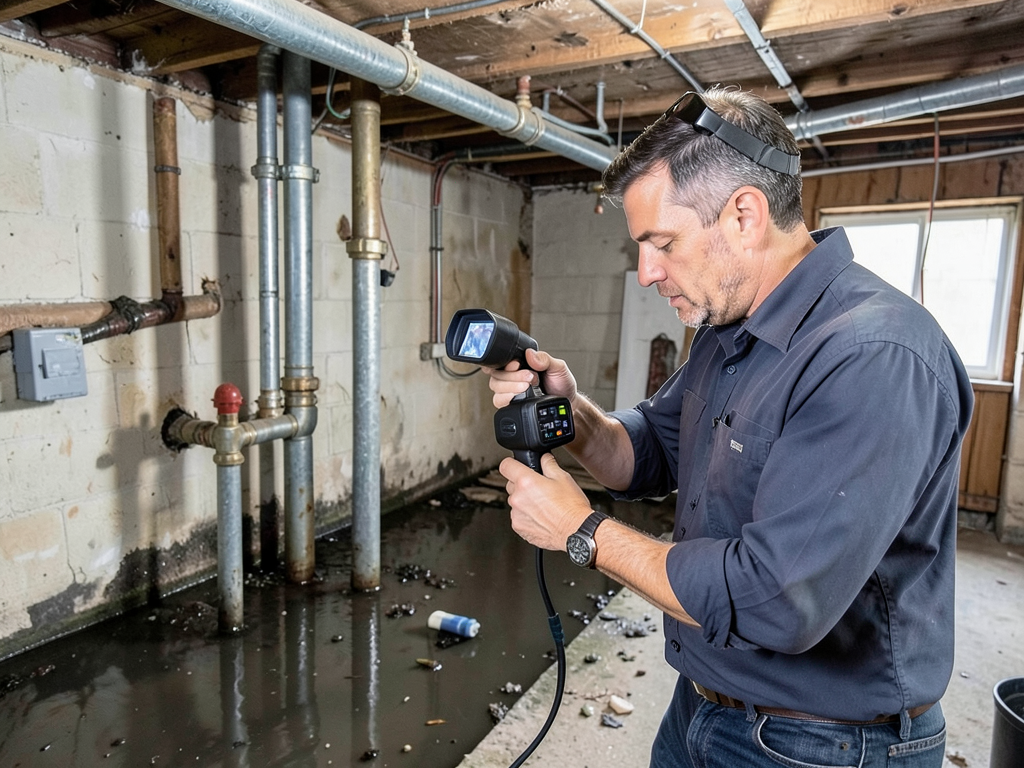
Shut off the main water supply immediately. In Wanskuck triple-deckers this valve often sits in the basement near the front entrance. Contact all tenants within 30 minutes to assess damage extent. Document everything with photos before cleanup begins. Rhode Island law requires landlords to provide alternative housing if water damage makes units uninhabitable. Flood Cleanup & Extraction.
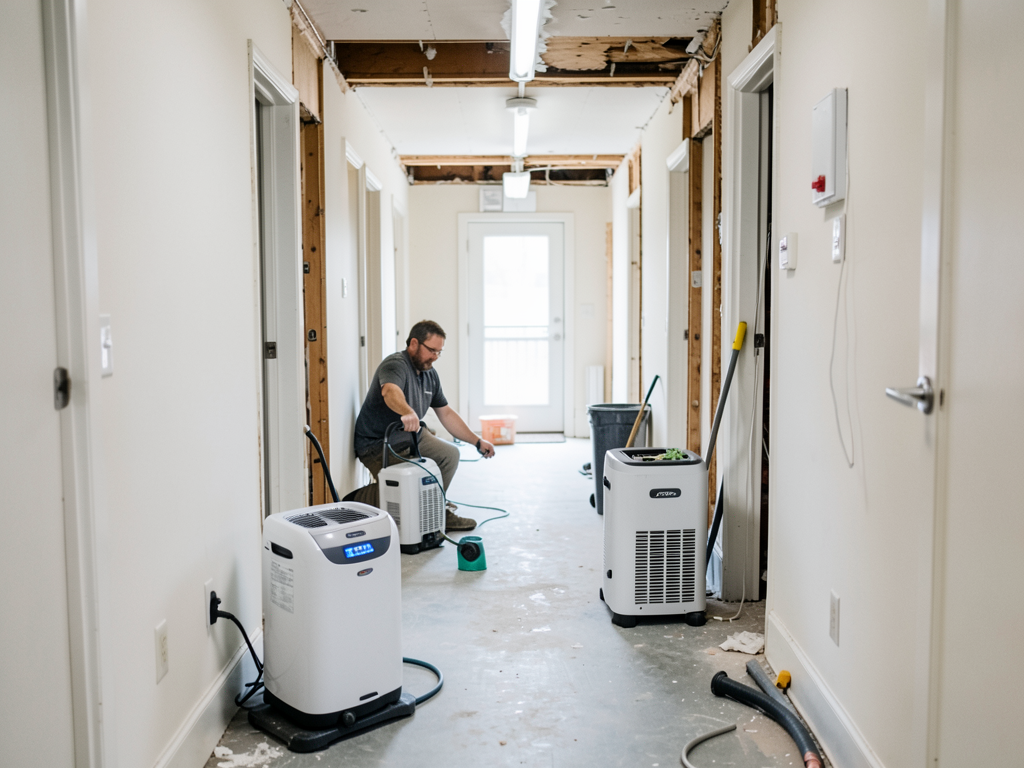
Start water extraction within 24 hours to prevent mold growth. The IICRC S500 standard states mold can begin growing in 24-48 hours in damp conditions. Use commercial-grade dehumidifiers rated for at least 70 pints per day in multi-unit settings. IICRC S500 Standards.
Challenges unique to Providence multi-unit restoration
Shared HVAC systems in Wanskuck’s older buildings create cross-contamination risks. Mold spores travel through ductwork affecting multiple units. The Providence Building Board of Appeals requires permits for structural repairs in historic districts. Wanskuck falls within these regulated zones.
Tenant coordination becomes complex when multiple families need access during restoration. Rhode Island landlord-tenant law requires 24-hour notice before entering occupied units except in emergencies. Work must proceed room by room to minimize displacement time.
Insurance coordination differs for multi-family properties. Master policies may exclude tenant belongings requiring separate renter’s insurance claims. Understanding actual cash value versus replacement cost value affects your recovery timeline.
The multi-family restoration process step by step
- Emergency assessment and containment
Technicians use moisture meters at multiple depths to map damage extent. Thermal imaging cameras detect hidden moisture in wall cavities and under flooring.
- Water extraction and structural drying
Commercial extraction equipment removes standing water. High-volume air movers create airflow patterns that dry multiple units simultaneously without spreading contamination.
- Demolition and debris removal
Remove damaged materials following EPA lead-safe practices. Bag contaminated materials in 6-mil plastic for proper disposal at approved facilities.
- Cleaning and sanitization
Apply antimicrobial treatments to prevent mold growth. Clean HVAC systems to remove spores and prevent cross-contamination between units.
- Reconstruction and final inspection
Rebuild using moisture-resistant materials. Conduct final moisture readings to ensure all affected areas meet dryness standards before rebuilding.
Insurance coordination for multi-tenant properties
Property owners need both building coverage and business interruption insurance for rental properties. Renter’s insurance covers tenant belongings but not structural repairs. Public adjusters can help navigate complex multi-party claims.
Document damage thoroughly with time-stamped photos and videos. Keep receipts for all mitigation expenses. Insurance companies require proof of immediate response to prevent further damage.
Rhode Island follows a comparative negligence standard in insurance claims. If tenants contributed to damage through negligence coverage may be reduced or denied.
Why local expertise matters in Wanskuck
Local technicians understand Wanskuck’s specific building patterns and can navigate narrow side streets with restoration equipment. They know which suppliers stock materials matching historic triple-decker specifications.
24/7 availability means technicians can respond during off-hours to minimize tenant disruption. Local companies maintain relationships with Providence building inspectors and can expedite permit processes.
Understanding local weather patterns helps predict when properties face highest risk. Wanskuck’s proximity to the Seekonk River affects drainage patterns and flood risks during heavy rains.
Preventing future water damage in your rental property
Install water leak detection systems that shut off supply automatically when leaks occur. Replace aging galvanized pipes before they fail catastrophically. Schedule annual plumbing inspections focusing on stack connections and drain lines.
Clean gutters and downspouts twice yearly. Ensure proper grading directs water away from foundations. Consider exterior waterproofing for basements in Wanskuck’s high-water-table areas.
Educate tenants about water damage prevention. Provide emergency contact information and teach basic shut-off procedures. Regular communication prevents small issues from becoming major disasters.
Cost factors for multi-unit restoration
Restoration costs depend on damage extent square footage and building age. Lead paint mitigation adds 15-25% to standard restoration costs. Emergency response fees apply for after-hours service.
Insurance deductibles for commercial properties often exceed $5,000. Understanding your policy’s actual cash value versus replacement cost provisions affects out-of-pocket expenses.
Tenant relocation costs during restoration can exceed restoration costs themselves. Factor in temporary housing food allowances and potential lost rent when budgeting.
Choosing the right restoration company
Look for IICRC certification specifically in commercial drying and mold remediation. Verify experience with multi-family properties similar to yours. Check references from other Providence landlords.
Confirm 24/7 availability and average response times under 60 minutes. Ensure technicians carry proper insurance and licensing for Rhode Island work.
Ask about equipment inventory. Large-scale projects require multiple dehumidifiers air movers and specialized extraction units working simultaneously.
Tenant communication during restoration
Provide written notice of restoration timeline and affected areas. Explain noise levels equipment placement and access restrictions. Address concerns about belongings and personal safety.
Establish clear communication channels for tenant questions and concerns. Regular updates prevent misunderstandings and reduce complaints to building inspectors.
Document all tenant communications in case disputes arise later about restoration quality or timeline compliance.
Legal considerations for landlords
Rhode Island requires landlords to maintain habitable conditions. Failure to address water damage promptly can result in rent abatement or lease termination rights for tenants.
Document all mitigation efforts to demonstrate reasonable care. Keep records of contractor communications permits and inspection reports.
Consider consulting with a real estate attorney familiar with Rhode Island landlord-tenant law before major restoration projects.
Environmental factors affecting restoration
Wanskuck’s humid summers slow natural drying times. Mechanical drying becomes essential for timely restoration. Winter restoration requires freeze protection for water lines and temperature control for drying equipment.
Air quality testing may be required before tenants can safely return. This proves remediation effectiveness and protects against liability claims.
Noise ordinances in Providence may restrict restoration hours in residential areas. Plan work schedules accordingly to avoid violations.
Technology in modern restoration
Moisture mapping software creates detailed damage reports for insurance companies. Remote monitoring systems track drying progress 24/7 allowing technicians to adjust equipment placement for optimal results.
Digital documentation provides clear before-and-after comparisons. Time-stamped photos prove mitigation efforts were timely and thorough.
Project management software coordinates multiple contractors and tracks permit requirements across different restoration phases.
Building code compliance
Providence requires permits for structural repairs affecting load-bearing elements. Electrical and plumbing work must be performed by licensed professionals. Final inspections verify compliance before rebuilding begins. Professional Mold Removal and Remediation Services for East Side Homeowners.
Historic district regulations may restrict material choices and repair methods. Work with contractors familiar with these requirements to avoid costly delays.
ADA compliance may be required for common areas depending on building configuration and use.
Emergency preparedness for property managers
Create a water damage response plan specific to your property. Identify shut-off valve locations and establish emergency contact chains. Keep restoration company contact information readily available.
Maintain relationships with multiple contractors for different restoration specialties. Having backup options prevents delays when primary contractors are unavailable.
Consider service agreements with restoration companies for priority response and potentially reduced emergency fees.
Long-term property protection strategies
Invest in preventive maintenance to reduce water damage risks. Regular roof inspections gutter cleaning and plumbing checks catch problems before they cause major damage.
Upgrade plumbing systems in older buildings. Replacing galvanized pipes with PEX or copper prevents future failures and improves water pressure for tenants. Reliable Help for Sump Pump Failures and Flooding in Smith Hill.
Install water monitoring systems that alert you to unusual usage patterns indicating potential leaks.
The restoration timeline reality
Emergency response occurs within hours. Water extraction and initial drying take 3-5 days. Demolition and debris removal require 2-3 days. Cleaning and sanitization need 1-2 days. Reconstruction timelines vary based on damage extent and permit requirements.
Insurance approvals often cause delays. Having documentation ready and understanding your policy terms speeds this process.
Tenant availability for access affects restoration speed. Coordinate work around tenant schedules when possible to minimize disruption.
Quality control in restoration
Final moisture readings should show readings below 16% in wood materials and below 4% in concrete. Air quality testing confirms safe conditions for reoccupancy.
Document all quality control steps. Keep test results and inspection reports for insurance and legal purposes.
Walk through completed work with tenants to address any concerns before final payment.
Cost vs quality considerations
Lowest bid may not provide best value. Quality restoration prevents future problems and protects your investment. Consider contractor experience with similar properties and their warranty offerings.
Ask about equipment quality and drying methodology. Professional-grade equipment dries faster and more thoroughly than consumer-grade alternatives.
Verify insurance coverage and licensing before signing contracts. This protects you from liability if accidents occur during restoration.
Building relationships with restoration professionals
Establish relationships with restoration companies before emergencies occur. This ensures priority response when disasters strike.
Consider annual property assessments to identify potential water damage risks. Preventive recommendations can save thousands in emergency restoration costs.
Join local landlord associations to share experiences and recommendations about restoration contractors.
Technology integration for property protection
Smart home technology can detect leaks immediately and shut off water automatically. These systems send alerts to your phone allowing rapid response even when you’re away.
Remote monitoring of humidity levels helps identify developing moisture problems before they cause visible damage.
Digital documentation systems streamline insurance claims and provide clear records for future reference.
Environmental responsibility in restoration
Choose restoration companies that recycle materials when possible. Many building materials can be diverted from landfills through proper sorting and recycling programs.
Consider using low-VOC materials during reconstruction to improve indoor air quality for tenants.
Energy-efficient upgrades during restoration can reduce long-term operating costs for your property.
Preparing for the restoration process
Before contractors arrive move valuable items from affected areas. Take photos of undamaged belongings for insurance purposes. Establish clear access routes for equipment and materials.
Communicate restoration plans to all tenants. Address concerns about noise dust and access limitations upfront to prevent conflicts.
Arrange for temporary storage if large items need to be moved during restoration.
The importance of documentation
Keep detailed records of all restoration activities. This includes contracts change orders and payment receipts. Document all tenant communications regarding the restoration process.
Maintain copies of all permits inspection reports and test results. These documents prove compliance with building codes and insurance requirements.
Photograph progress at key stages. This provides evidence of work quality and helps resolve any disputes that arise.
Understanding your insurance policy
Review your policy annually to understand coverage limits exclusions and deductibles. Know whether you have actual cash value or replacement cost coverage.
Document improvements made to your property. This ensures insurance coverage reflects current replacement costs.
Consider adding riders for specific risks common to your property type or location.
Community resources for landlords
Providence offers resources for property owners dealing with restoration challenges. The city’s building department can provide guidance on permit requirements and code compliance.
Local contractors associations often provide referrals to reputable restoration companies. These organizations maintain standards for their members.
Neighborhood associations in Wanskuck may offer support and recommendations based on local experiences.
Final considerations before restoration begins
Verify contractor credentials and insurance coverage. Get everything in writing including scope of work payment terms and timeline expectations.
Understand your rights and responsibilities under Rhode Island law. This includes tenant notification requirements and habitability standards.
Prepare for the unexpected. Restoration often reveals additional damage requiring extra work and cost adjustments.
Moving forward after restoration
Conduct a final walkthrough with your restoration contractor. Address any remaining concerns before making final payment.
Document the completed restoration with photos and test results. This provides a baseline for future reference if problems arise.
Consider preventive measures to reduce future water damage risks. This might include plumbing upgrades moisture monitoring or improved drainage systems.
Building long-term resilience
Invest in your property’s long-term health. Regular maintenance prevents small problems from becoming major disasters.
Stay informed about new restoration technologies and techniques. The industry evolves continuously offering better solutions for property protection.
Maintain relationships with trusted contractors for ongoing maintenance and future emergencies.
Water damage in Wanskuck triple-deckers requires immediate professional attention. The longer you wait the more extensive and expensive the damage becomes. Call (401) 262-8400 now for 24/7 emergency response serving Providence’s multi-family housing stock. Our local technicians understand the unique challenges of Wanskuck’s historic buildings and can restore your property quickly and professionally.
Frequently Asked Questions
How long does water damage restoration take in a triple-decker?
Emergency response begins within hours. Water extraction and initial drying take 3-5 days. Complete restoration including reconstruction typically requires 2-4 weeks depending on damage extent and permit requirements.
Who pays for water damage in a rental property?
Landlords are responsible for structural repairs and building systems. Tenants cover personal belongings unless landlord negligence caused the damage. Insurance coverage depends on policy terms and cause of damage.
Can I stay in my unit during restoration?
This depends on damage extent and work required. Minor damage may allow occupancy with restrictions. Major restoration often requires temporary relocation for safety and efficiency.
What permits are needed for restoration in Wanskuck?
Providence requires permits for structural electrical and plumbing work. Wanskuck’s historic district may have additional requirements. Your restoration company should handle permit acquisition as part of their service.
How can I prevent water damage in my triple-decker?
Regular maintenance is key. Replace aging plumbing before failures occur. Install water detection systems. Ensure proper drainage around the building. Educate tenants about water conservation and damage prevention.
What should I do immediately after discovering water damage?
Shut off the main water supply. Contact all tenants to assess damage extent. Document everything with photos. Call a professional restoration company immediately. Quick response prevents mold growth and minimizes damage.
{
“@context”: “https://schema.org”,
“@type”: “BlogPosting”,
“headline”: “Dealing with water damage in a Wanskuck triple-decker rental property”,
“description”: “Expert water damage restoration for Wanskuck triple-decker rentals. Fast response for multi-unit properties with shared plumbing stacks and tenant coordination needs.”,
“wordCount”: 2431,
“datePublished”: “2026-03-09T10:48:00.000Z”,
“dateModified”: “2026-03-09T10:48:00.000Z”,
“inLanguage”: “en-US”,
“mainEntityOfPage”: {
“@type”: “WebPage”,
“@id”: “https://atlaswaterdamagerestorationprovidence.com”
},
“publisher”: {
“@type”: “LocalBusiness”,
“name”: “Atlas Water Damage Restoration Providence”,
“url”: “https://atlaswaterdamagerestorationprovidence.com”
},
“author”: {
“@type”: “Organization”,
“name”: “Atlas Water Damage Restoration Providence”,
“url”: “https://atlaswaterdamagerestorationprovidence.com”
},
“image”: {
“@type”: “ImageObject”,
“url”: “https://atlaswaterdamagerestorationprovidence.com/wp-content/uploads/2026/03/dealing-with-water-damage-in-a-wanskuck-triple-dec-1.png”
}
}
{
“@context”: “https://schema.org”,
“@type”: “LocalBusiness”,
“name”: “Atlas Water Damage Restoration Providence”,
“url”: “https://atlaswaterdamagerestorationprovidence.com”,
“address”: {
“@type”: “PostalAddress”,
“addressLocality”: “Providence”
},
“areaServed”: {
“@type”: “City”,
“name”: “Providence”
}
}
{
“@context”: “https://schema.org”,
“@type”: “FAQPage”,
“mainEntity”: [
{
“@type”: “Question”,
“name”: “How long does water damage restoration take in a triple-decker?”,
“acceptedAnswer”: {
“@type”: “Answer”,
“text”: “Emergency response begins within hours. Water extraction and initial drying take 3-5 days. Complete restoration including reconstruction typically requires 2-4 weeks depending on damage extent and permit requirements.”
}
},
{
“@type”: “Question”,
“name”: “Who pays for water damage in a rental property?”,
“acceptedAnswer”: {
“@type”: “Answer”,
“text”: “Landlords are responsible for structural repairs and building systems. Tenants cover personal belongings unless landlord negligence caused the damage. Insurance coverage depends on policy terms and cause of damage.”
}
},
{
“@type”: “Question”,
“name”: “Can I stay in my unit during restoration?”,
“acceptedAnswer”: {
“@type”: “Answer”,
“text”: “This depends on damage extent and work required. Minor damage may allow occupancy with restrictions. Major restoration often requires temporary relocation for safety and efficiency.”
}
},
{
“@type”: “Question”,
“name”: “What permits are needed for restoration in Wanskuck?”,
“acceptedAnswer”: {
“@type”: “Answer”,
“text”: “Providence requires permits for structural electrical and plumbing work. Wanskuck’s historic district may have additional requirements. Your restoration company should handle permit acquisition as part of their service.”
}
},
{
“@type”: “Question”,
“name”: “How can I prevent water damage in my triple-decker?”,
“acceptedAnswer”: {
“@type”: “Answer”,
“text”: “Regular maintenance is key. Replace aging plumbing before failures occur. Install water detection systems. Ensure proper drainage around the building. Educate tenants about water conservation and damage prevention.”
}
},
{
“@type”: “Question”,
“name”: “What should I do immediately after discovering water damage?”,
“acceptedAnswer”: {
“@type”: “Answer”,
“text”: “Shut off the main water supply. Contact all tenants to assess damage extent. Document everything with photos. Call a professional restoration company immediately. Quick response prevents mold growth and minimizes damage.”
}
}
]
}
{
“@context”: “https://schema.org”,
“@type”: “HowTo”,
“name”: “Multi-family water damage restoration process”,
“step”: [
{
“@type”: “HowToStep”,
“position”: 1,
“name”: “Emergency assessment and containment”,
“text”: “Technicians use moisture meters at multiple depths to map damage extent. Thermal imaging cameras detect hidden moisture in wall cavities and under flooring.”
},
{
“@type”: “HowToStep”,
“position”: 2,
“name”: “Water extraction and structural drying”,
“text”: “Commercial extraction equipment removes standing water. High-volume air movers create airflow patterns that dry multiple units simultaneously without spreading contamination.”
},
{
“@type”: “HowToStep”,
“position”: 3,
“name”: “Demolition and debris removal”,
“text”: “Remove damaged materials following EPA lead-safe practices. Bag contaminated materials in 6-mil plastic for proper disposal at approved facilities.”
},
{
“@type”: “HowToStep”,
“position”: 4,
“name”: “Cleaning and sanitization”,
“text”: “Apply antimicrobial treatments to prevent mold growth. Clean HVAC systems to remove spores and prevent cross-contamination between units.”
},
{
“@type”: “HowToStep”,
“position”: 5,
“name”: “Reconstruction and final inspection”,
“text”: “Rebuild using moisture-resistant materials. Conduct final moisture readings to ensure all affected areas meet dryness standards before rebuilding.”
}
],
“image”: “https://atlaswaterdamagerestorationprovidence.com/wp-content/uploads/2026/03/dealing-with-water-damage-in-a-wanskuck-triple-dec-1.png”
}
{
“@context”: “https://schema.org”,
“@type”: “BreadcrumbList”,
“itemListElement”: [
{
“@type”: “ListItem”,
“position”: 1,
“name”: “Home”,
“item”: “https://atlaswaterdamagerestorationprovidence.com”
},
{
“@type”: “ListItem”,
“position”: 2,
“name”: “Blog”,
“item”: “https://atlaswaterdamagerestorationprovidence.com/blog”
},
{
“@type”: “ListItem”,
“position”: 3,
“name”: “Dealing with water damage in a Wanskuck triple-decker rental property”
}
]
}
{
“@context”: “https://schema.org”,
“@type”: “Service”,
“serviceType”: “Water Damage Restoration”,
“provider”: {
“@type”: “LocalBusiness”,
“name”: “Atlas Water Damage Restoration Providence”,
“url”: “https://atlaswaterdamagerestorationprovidence.com”
},
“areaServed”: {
“@type”: “City”,
“name”: “Providence”
},
“description”: “Expert water damage restoration for Wanskuck triple-decker rentals. Fast response for multi-unit properties with shared plumbing stacks and tenant coordination needs.”
}