
Preparing your Washington Park home for frozen pipe season
Washington Park’s historic homes face unique winter challenges as temperatures drop below freezing in Providence. The combination of aging plumbing systems, exposed pipes in uninsulated basements, and the neighborhood’s proximity to Narragansett Bay creates perfect conditions for frozen pipes and costly water damage. This guide provides specific strategies for Washington Park residents to protect their properties before the next cold snap hits. Protecting Your Historic Fox Point Home from Water Damage and Mold.

Understanding Washington Park’s winter vulnerability
Washington Park’s 19th and early 20th-century homes were built before modern insulation standards existed. Many properties feature original copper piping that runs through exterior walls or unheated crawl spaces. The neighborhood’s elevation near the bay creates microclimates where temperatures can drop 5-10 degrees lower than downtown Providence, accelerating freeze risks. When water freezes inside pipes, it expands by approximately 9% in volume, creating pressures exceeding 2,000 pounds per square inch that can rupture even thick copper lines. Carpet Water Extraction.
Exterior preparation checklist
Start your winterization efforts outside where pipes are most exposed to freezing temperatures. The Providence Water Supply Board recommends shutting off exterior hose bibs by October 15th each year. Locate the interior shutoff valve for each outdoor spigot, typically found in the basement near the foundation wall. Turn the valve clockwise to close it, then open the exterior spigot to drain remaining water. Leave the outside valve open throughout winter to prevent trapped water from freezing and bursting the pipe.. Read more about Repairing water damage in the historic masonry of a Valley area home.
Inspect your home’s foundation for cracks or gaps where cold air can enter and reach pipes. Washington Park’s older homes often have deteriorated mortar between foundation stones that allows freezing drafts. Use expanding foam sealant or silicone caulk to close these openings. Pay special attention to areas where pipes penetrate exterior walls, as these create direct pathways for cold air infiltration.
Remove and drain garden hoses, then store them indoors. Water trapped in hoses can freeze and create back pressure that damages both the hose bib and interior plumbing. Consider installing frost-proof hose bibs if you frequently use outdoor water sources during shoulder seasons. These specialized fixtures extend the valve mechanism deeper into heated spaces, keeping the actual shutoff point away from freezing temperatures.. Read more about Who to Call for Instant Water Damage Cleanup in South Providence.
Interior vulnerability zones
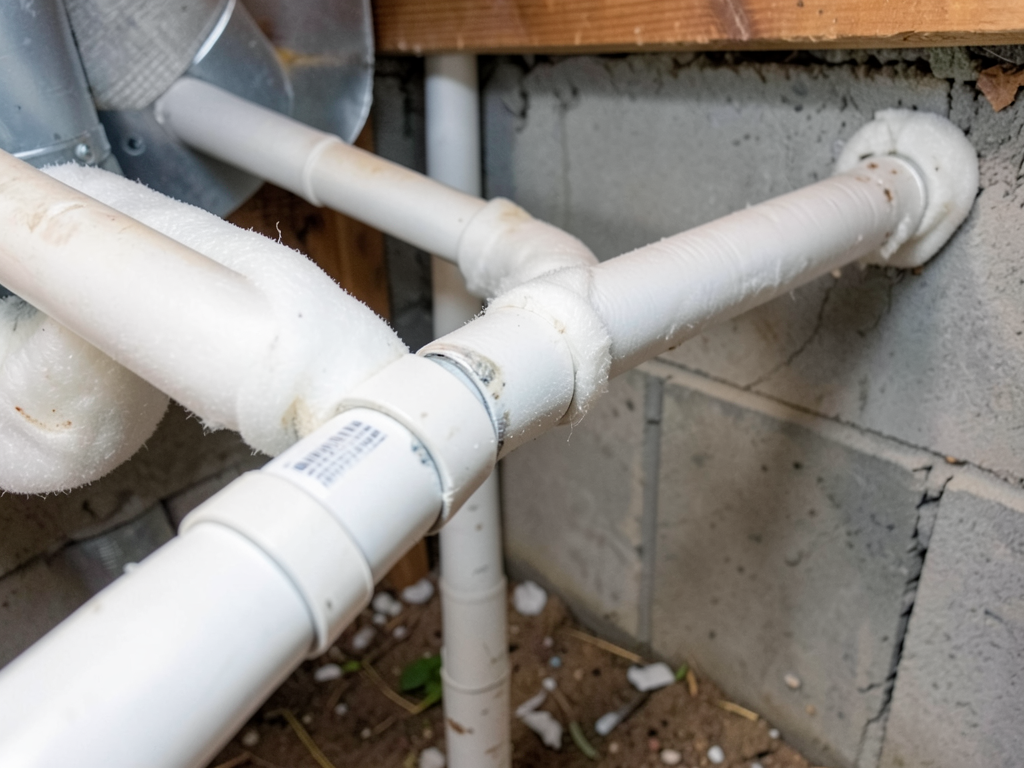
Washington Park’s basement-heavy homes create multiple freeze risk areas. Uninsulated basement rim joists allow cold air to circulate around floor joists and plumbing lines. The Rhode Island State Building Code (SBC-1) requires minimum R-13 insulation in rim joists, but many historic homes lack this protection. Check your basement for exposed pipes along exterior walls or in unheated corners. These pipes need immediate insulation before temperatures drop. Get Immediate 24/7 Emergency Water Extraction in Downtown Providence.
Attic spaces and crawl areas present similar risks. Many Washington Park homes have converted attics or shallow crawl spaces where plumbing runs above the main living area. These spaces often lack heating vents and can reach temperatures near outdoor readings during cold snaps. Wrap all exposed pipes in these areas with foam insulation sleeves, available at local hardware stores like Adler’s Hardware on Wickenden Street or The Home Depot on Branch Avenue.
Pay attention to pipes near windows or exterior doors. Even small drafts can create freeze zones around plumbing. Install weatherstripping around doors and use window insulation film on older single-pane windows common in Washington Park’s historic homes. The goal is creating a thermal barrier that keeps cold air away from vulnerable pipes.
The trickle strategy and thermostat settings
When temperatures drop below 20°F, running water becomes your best defense against freezing. The trickle strategy involves allowing a small stream of water to flow from faucets connected to vulnerable pipes. This continuous movement prevents water from reaching freezing temperatures, even in subzero conditions. Focus on faucets at the highest and lowest points in your plumbing system to keep water moving through the entire network.
Keep your thermostat set to at least 55°F throughout your home, even if you plan to be away. Many Washington Park residents make the mistake of turning down heat in unused rooms during winter vacations, creating freeze risks in those areas. Maintain consistent temperatures throughout your home by keeping interior doors open and ensuring all heating vents remain unobstructed. The slight increase in heating costs is minimal compared to potential water damage from a burst pipe.
Consider installing smart thermostats that allow remote temperature monitoring and adjustment. These devices can alert you if temperatures drop unexpectedly in specific areas of your home, giving you time to take preventive action before pipes freeze. Some models integrate with leak detection sensors that can automatically shut off water if they detect moisture where it shouldn’t exist.
Heat tape and secondary heating solutions
For pipes in extremely vulnerable locations, heat tape provides active freeze protection. This electrical heating cable wraps around pipes and maintains temperatures above freezing using built-in thermostats. Choose UL-listed heat tape specifically designed for your pipe material and location. Plastic pipes require different heat tape than metal pipes, and exterior applications need weatherproof ratings. Install heat tape according to manufacturer instructions, never overlapping the cable which can create fire hazards.
Secondary heating options include small space heaters for enclosed areas with plumbing. Place these heaters at least three feet from combustible materials and never leave them unattended. For crawl spaces and attics, consider installing permanent electric baseboard heaters with thermostats set to activate at 40°F. These provide consistent low-level heat without the risks of portable heaters.
Insulate hot water pipes as well as cold water lines. While hot pipes are less likely to freeze, they lose heat rapidly in uninsulated spaces, forcing your water heater to work harder and increasing energy costs. Foam pipe insulation also provides sound deadening benefits, reducing water hammer noise common in older Providence homes with aging plumbing systems.
What to do if pipes are already frozen
If you suspect frozen pipes, act quickly to prevent bursting. First, locate the frozen section by feeling along exposed pipes for areas that feel much colder than surrounding sections or show frost accumulation. You might hear a whistling sound as water tries to flow through the ice blockage. Turn off the main water supply at your home’s shutoff valve, typically located in the basement near where the water main enters the house.
Never use open flames like propane torches to thaw pipes. This dangerous method can ignite nearby materials and cause steam explosions that rupture pipes violently. Instead, use a hair dryer on the highest setting, working from the faucet end toward the frozen section. Apply heat slowly and evenly, allowing the ice to melt gradually. Keep the faucet open so melting water can escape.
Electric heating pads wrapped around pipes provide controlled heat for thawing. You can also use hot towels soaked in water heated to about 140°F, replacing them as they cool. For accessible frozen sections, a space heater directed at the area can work, but maintain proper clearances from combustibles. If you cannot locate the frozen section or it’s not accessible, call a professional plumber immediately. Professional Mold Removal and Remediation Services for East Side Homeowners.
Watch for signs of pipe damage as pipes thaw. Water leaking from joints or along pipe lengths indicates cracks that will worsen once full water pressure returns. If you discover damage, keep the main water valve closed and contact a restoration professional. Even small leaks can cause extensive damage if left unaddressed.
Emergency response and professional restoration
When pipes burst despite your prevention efforts, immediate action minimizes damage. Shut off your home’s main water supply immediately to stop the flooding. Document all damage with photos and videos for insurance purposes before beginning cleanup. Remove standing water using wet vacuums, mops, and towels to prevent further absorption into building materials. Flood Cleanup & Extraction.
Many Washington Park homes feature hardwood floors, plaster walls, and original woodwork that require specialized drying techniques. Standard household fans and dehumidifiers often cannot adequately dry these materials, leading to warping, swelling, and mold growth within 24-48 hours. Professional water damage restoration companies use industrial-grade equipment including high-capacity air movers and desiccant dehumidifiers that can extract moisture from deep within building materials.
The Institute of Inspection Cleaning and Restoration Certification (IICRC) S500 Standard governs professional water damage restoration procedures. This standard requires moisture mapping to identify all affected areas, even those not visible to the naked eye. Moisture meters and thermal imaging cameras detect water hidden behind walls and under floors, ensuring complete drying and preventing secondary damage like mold growth. IICRC S500 water damage restoration standard.
Insurance coverage for water damage varies significantly. Sudden burst pipe damage is typically covered under standard homeowners policies, but gradual leaks or poor maintenance issues may be excluded. Review your policy details and document all damage thoroughly. Many restoration companies work directly with insurance providers to streamline the claims process.. Read more about How to save your furniture after a sudden pipe burst in your Jewelry District loft.
Long-term winterization strategies
Consider whole-home plumbing upgrades for long-term freeze protection. PEX (cross-linked polyethylene) piping offers superior freeze resistance compared to copper. PEX can expand slightly when frozen without rupturing, then return to its original shape when thawed. While replacement of all plumbing represents a significant investment, it eliminates the constant worry of winter freeze damage.
Install emergency pressure relief valves on your plumbing system. These valves automatically release pressure if pipes freeze and begin to burst, potentially saving thousands in damage by preventing catastrophic failure. Some models integrate with home automation systems to send alerts when pressure drops indicate potential freezing conditions.
Upgrade your home’s insulation beyond minimum code requirements. The Rhode Island Office of Energy Resources offers rebates for insulation improvements that can offset costs while providing freeze protection. Focus on attic insulation, basement wall insulation, and crawl space encapsulation. These improvements not only prevent frozen pipes but also reduce heating costs throughout the winter.
Consider installing a whole-house water monitoring system that detects unusual water usage patterns indicating leaks or pipe bursts. These smart devices can automatically shut off water supply when anomalies are detected, preventing extensive damage even if you’re away from home. Some systems integrate with smartphone apps to provide real-time monitoring and control.
Local resources and support
Washington Park residents can access several local resources for winter preparation. The Providence Neighborhood Planting Program sometimes offers tree planting services that can provide windbreaks and reduce cold air infiltration around homes. The city’s Department of Public Works maintains a 24-hour emergency hotline for water main breaks and severe weather issues affecting infrastructure. EPA winterization guidelines.
Local hardware stores understand Washington Park’s specific needs. Adler’s Hardware on Wickenden Street has served the community for generations and stocks products suited for historic home restoration and winterization. Their staff can provide specific advice for your home’s construction type and age. The Home Depot on Branch Avenue offers bulk insulation materials and modern freeze protection products at competitive prices.
Join neighborhood social media groups or email lists to stay informed about weather alerts and share winter preparation tips with fellow residents. Washington Park’s tight-knit community often coordinates bulk purchases of winterization supplies or shares information about contractors who specialize in historic home maintenance. These connections can prove invaluable when severe weather approaches.
Taking action before the freeze hits
Don’t wait for the first hard freeze to begin winterization efforts. Start your preparations in early November when temperatures consistently drop below 40°F. This timeline allows you to address any issues discovered during your inspection before severe weather arrives. Create a checklist of tasks and tackle them systematically, focusing first on the most vulnerable areas of your home.
Consider scheduling a professional plumbing inspection if your home is over 50 years old or has a history of freeze problems. Licensed plumbers can identify vulnerable pipes, recommend specific insulation solutions, and install freeze protection devices. The cost of this inspection typically ranges from $150-300 but can prevent thousands in potential damage.
Remember that Washington Park’s historic character requires special consideration when making modifications. Always check with the Providence Historic District Commission before making exterior changes that might affect your home’s historic designation. Many freeze protection solutions can be implemented discreetly without compromising architectural integrity.
Call (401) 262-8400 today to schedule your winter plumbing inspection or to learn more about our comprehensive freeze protection services. Our team understands Washington Park’s unique challenges and can help ensure your home stays safe and dry all winter long. Don’t let frozen pipes ruin your holiday season or damage your valuable historic property.
Frequently Asked Questions
How cold does it need to be for pipes to freeze in Washington Park?
Pipes typically begin freezing when temperatures drop to 20°F or below for six or more consecutive hours. However, pipes in uninsulated or drafty areas can freeze at temperatures above 30°F. Washington Park’s proximity to Narragansett Bay can create localized cold spots that accelerate freezing conditions.
Should I turn off my water if I’m leaving Washington Park for a winter vacation?
Yes, if you’ll be away for more than 48 hours during freezing weather, shut off your main water valve and drain pipes by opening faucets. Keep your thermostat at 55°F minimum. Consider having a neighbor check your home daily during severe cold snaps. Some residents install smart water shutoff valves that can be controlled remotely.
How much does professional pipe insulation cost in Providence?
Professional pipe insulation for an average Washington Park home typically costs $500-1,500 depending on accessibility and the extent of work needed. This includes labor and materials for insulating exposed pipes in basements, attics, and crawl spaces. The investment often pays for itself within two to three winters through prevented damage and energy savings.
What should I do if I discover a frozen pipe in the middle of the night?
Immediately shut off your main water supply to prevent flooding if the pipe bursts. Apply gentle heat using a hair dryer, starting from the faucet end. Never use open flames. If you cannot thaw the pipe within 30 minutes or notice any signs of damage, call an emergency plumber. Keep cabinet doors open to allow warm air circulation around indoor pipes.
Does homeowner’s insurance cover frozen pipe damage in Rhode Island?
Most standard Rhode Island homeowner’s policies cover sudden and accidental water damage from burst pipes. However, damage from poor maintenance or gradual leaks is typically excluded. Document all damage thoroughly with photos and videos, and contact your insurance company immediately after discovering damage. Many restoration companies can assist with the claims process.
{
“@context”: “https://schema.org”,
“@type”: “BlogPosting”,
“headline”: “Preparing your Washington Park home for frozen pipe season”,
“description”: “Protect your Washington Park home from frozen pipes this winter with expert tips from Providence restoration specialists. Learn local vulnerabilities and prevention strategies.”,
“wordCount”: 2411,
“datePublished”: “2026-03-13T15:22:00.000Z”,
“dateModified”: “2026-03-13T15:22:00.000Z”,
“inLanguage”: “en-US”,
“mainEntityOfPage”: {
“@type”: “WebPage”,
“@id”: “https://atlaswaterdamagerestorationprovidence.com”
},
“publisher”: {
“@type”: “LocalBusiness”,
“name”: “Atlas Water Damage Restoration Providence”,
“url”: “https://atlaswaterdamagerestorationprovidence.com”
},
“author”: {
“@type”: “Organization”,
“name”: “Atlas Water Damage Restoration Providence”,
“url”: “https://atlaswaterdamagerestorationprovidence.com”
},
“image”: {
“@type”: “ImageObject”,
“url”: “https://atlaswaterdamagerestorationprovidence.com/wp-content/uploads/2026/03/preparing-your-washington-park-home-for-frozen-pip-1.png”
}
}
{
“@context”: “https://schema.org”,
“@type”: “LocalBusiness”,
“name”: “Atlas Water Damage Restoration Providence”,
“url”: “https://atlaswaterdamagerestorationprovidence.com”,
“address”: {
“@type”: “PostalAddress”,
“addressLocality”: “Providence”
},
“areaServed”: {
“@type”: “City”,
“name”: “Providence”
}
}
{
“@context”: “https://schema.org”,
“@type”: “FAQPage”,
“mainEntity”: [
{
“@type”: “Question”,
“name”: “How cold does it need to be for pipes to freeze in Washington Park?”,
“acceptedAnswer”: {
“@type”: “Answer”,
“text”: “Pipes typically begin freezing when temperatures drop to 20°F or below for six or more consecutive hours. However, pipes in uninsulated or drafty areas can freeze at temperatures above 30°F. Washington Park’s proximity to Narragansett Bay can create localized cold spots that accelerate freezing conditions.”
}
},
{
“@type”: “Question”,
“name”: “Should I turn off my water if I’m leaving Washington Park for a winter vacation?”,
“acceptedAnswer”: {
“@type”: “Answer”,
“text”: “Yes, if you’ll be away for more than 48 hours during freezing weather, shut off your main water valve and drain pipes by opening faucets. Keep your thermostat at 55°F minimum. Consider having a neighbor check your home daily during severe cold snaps. Some residents install smart water shutoff valves that can be controlled remotely.”
}
},
{
“@type”: “Question”,
“name”: “How much does professional pipe insulation cost in Providence?”,
“acceptedAnswer”: {
“@type”: “Answer”,
“text”: “Professional pipe insulation for an average Washington Park home typically costs $500-1,500 depending on accessibility and the extent of work needed. This includes labor and materials for insulating exposed pipes in basements, attics, and crawl spaces. The investment often pays for itself within two to three winters through prevented damage and energy savings.”
}
},
{
“@type”: “Question”,
“name”: “What should I do if I discover a frozen pipe in the middle of the night?”,
“acceptedAnswer”: {
“@type”: “Answer”,
“text”: “Immediately shut off your main water supply to prevent flooding if the pipe bursts. Apply gentle heat using a hair dryer, starting from the faucet end. Never use open flames. If you cannot thaw the pipe within 30 minutes or notice any signs of damage, call an emergency plumber. Keep cabinet doors open to allow warm air circulation around indoor pipes.”
}
},
{
“@type”: “Question”,
“name”: “Does homeowner’s insurance cover frozen pipe damage in Rhode Island?”,
“acceptedAnswer”: {
“@type”: “Answer”,
“text”: “Most standard Rhode Island homeowner’s policies cover sudden and accidental water damage from burst pipes. However, damage from poor maintenance or gradual leaks is typically excluded. Document all damage thoroughly with photos and videos, and contact your insurance company immediately after discovering damage. Many restoration companies can assist with the claims process.”
}
}
]
}
{
“@context”: “https://schema.org”,
“@type”: “BreadcrumbList”,
“itemListElement”: [
{
“@type”: “ListItem”,
“position”: 1,
“name”: “Home”,
“item”: “https://atlaswaterdamagerestorationprovidence.com”
},
{
“@type”: “ListItem”,
“position”: 2,
“name”: “Blog”,
“item”: “https://atlaswaterdamagerestorationprovidence.com/blog”
},
{
“@type”: “ListItem”,
“position”: 3,
“name”: “Preparing your Washington Park home for frozen pipe season”
}
]
}
{
“@context”: “https://schema.org”,
“@type”: “Service”,
“serviceType”: “Water Damage Restoration”,
“provider”: {
“@type”: “LocalBusiness”,
“name”: “Atlas Water Damage Restoration Providence”,
“url”: “https://atlaswaterdamagerestorationprovidence.com”
},
“areaServed”: {
“@type”: “City”,
“name”: “Providence”
},
“description”: “Protect your Washington Park home from frozen pipes this winter with expert tips from Providence restoration specialists. Learn local vulnerabilities and prevention strategies.”
}