
What to Do When Your Cranston Sewer Line Backs Up into Your Bathroom
Sewer water flooding your Cranston bathroom is a Category 3 biohazard emergency that demands immediate action. The foul odor hits first—a rotten egg stench mixed with raw sewage—followed by dark, contaminated water spreading across your floor. Every minute you wait increases the risk of serious illness from E. coli, hepatitis, and other pathogens. This guide walks you through the critical first steps Cranston residents must take before our Providence-based team arrives for complete decontamination and restoration. EPA information on sewer systems and backups.
Emergency Sewage Removal & Decontamination
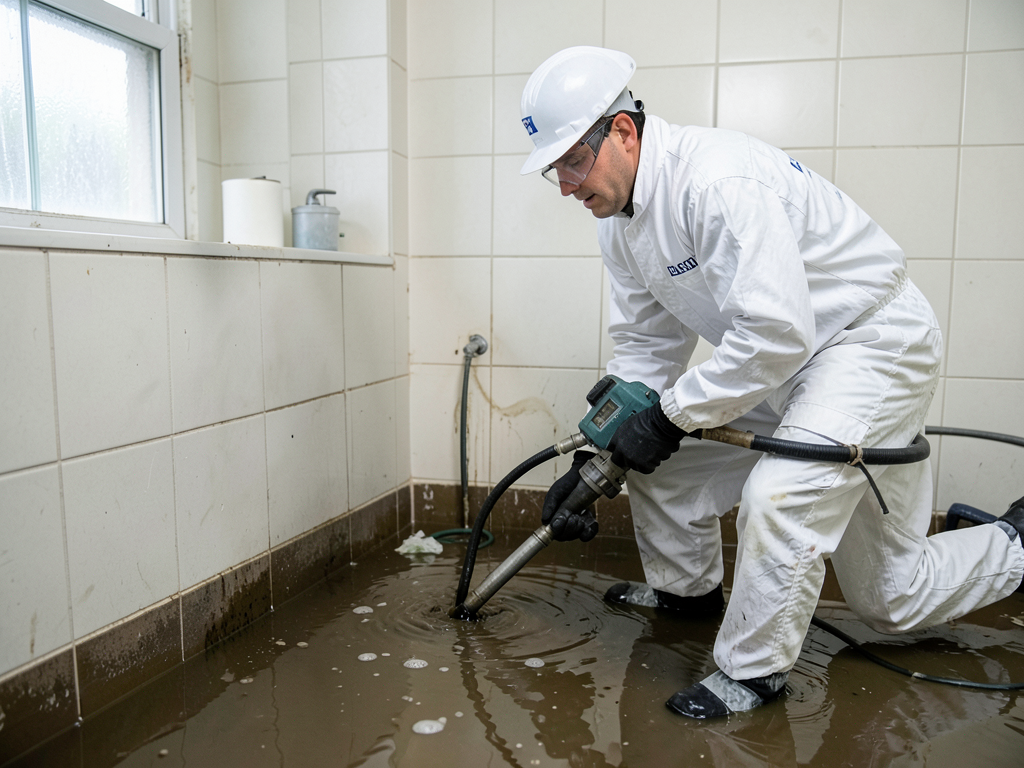
Category 3 water—also called black water—contains dangerous microorganisms that can cause severe illness. The moment you notice sewage backing up through your drains, you need to act fast. First, shut off the water supply to prevent additional flooding. Then, evacuate the affected area immediately. Do not attempt to clean it yourself with household cleaners. Standard bleach cannot eliminate the pathogens present in sewage.
Our emergency response team follows strict IICRC S500 standards for black water remediation. We arrive within 60 minutes to Cranston neighborhoods like Edgewood and Garden City, equipped with industrial-grade extractors and EPA-registered antimicrobials. The contaminated materials—carpeting, drywall, and personal items—must be removed and properly disposed of according to Rhode Island Department of Environmental Management regulations.
The Health Risks of Sewage Backups (Category 3 Water)
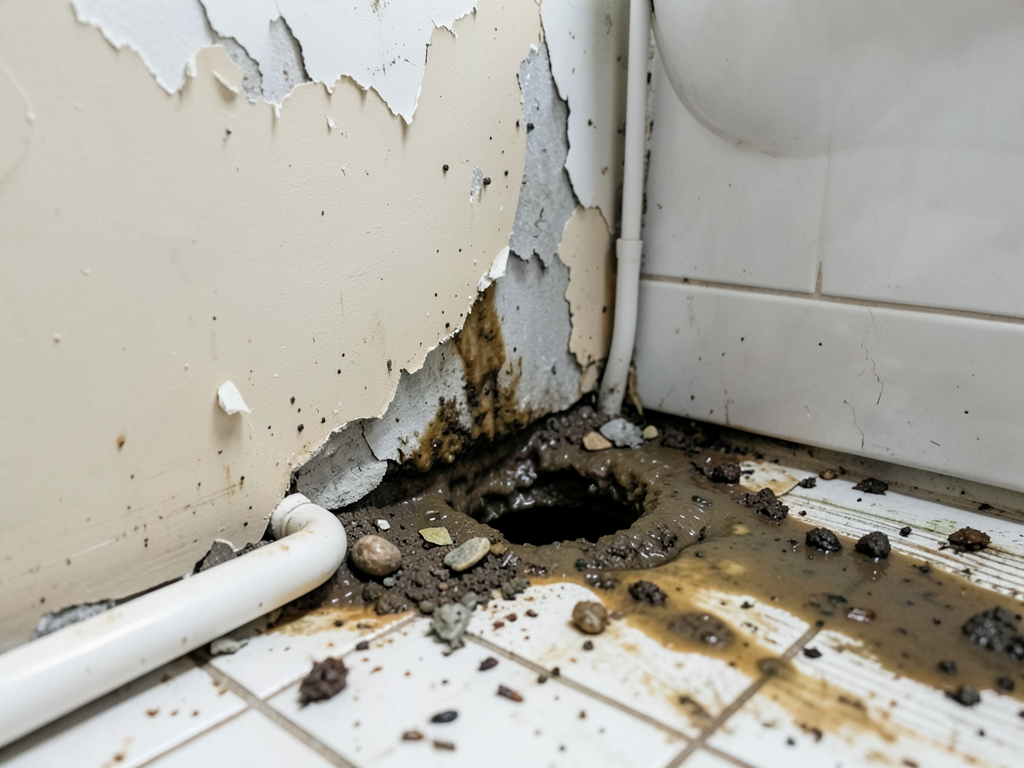
Raw sewage contains a cocktail of dangerous pathogens. E. coli bacteria can cause severe gastrointestinal illness within hours of exposure. Hepatitis A virus survives in sewage for months and can lead to liver damage. Salmonella and other bacteria create additional health hazards. The Rhode Island Department of Health classifies sewage backups as immediate public health threats requiring professional remediation.
Beyond bacteria, sewage contains parasites like Giardia and Cryptosporidium that resist standard cleaning methods. These microorganisms can survive in moist environments for weeks. The moisture also creates perfect conditions for mold growth within 24-48 hours, adding another layer of health risks. Children, elderly individuals, and those with compromised immune systems face the highest risk of severe illness from sewage exposure.
The Cranston Department of Public Works reports that aging infrastructure in older neighborhoods like Oaklawn and Edgewood contributes to frequent sewer backups during heavy rainfall. Combined sewer overflow systems struggle when stormwater overwhelms the capacity, forcing contaminated water back through residential plumbing.
Our Professional Remediation Process
Our Cranston sewage cleanup follows a proven five-step process that meets or exceeds all Rhode Island environmental regulations. First, we conduct a thorough inspection using moisture meters and thermal imaging to identify the full extent of contamination. Category 3 water can travel through wall cavities and under flooring, creating hidden hazards.
Second, we extract all standing water using truck-mounted extraction units capable of removing hundreds of gallons per hour. This prevents further absorption into building materials. Third, we remove contaminated porous materials including carpet, padding, and affected drywall. These materials cannot be effectively sanitized and must be properly disposed of at licensed facilities.
Fourth, we apply hospital-grade antimicrobial treatments to all affected surfaces. These EPA-registered chemicals kill 99.9% of bacteria and viruses. We use HEPA air scrubbers to filter airborne contaminants and remove odors. Finally, we dry the structure using commercial dehumidifiers and air movers, monitoring moisture levels daily until materials return to normal moisture content.
Why Choose a Providence-Based Team for Cranston Emergencies?
Living in Cranston means dealing with specific infrastructure challenges. The city’s combination of historic homes and aging municipal systems creates unique vulnerabilities. Our Providence team maintains a dedicated Cranston response unit that understands these local conditions. We know that homes near Meshanticut Pond face different flooding patterns than those in the Knightsville business district.. Read more about Dealing with a Burst Pipe in Warwick — Fast Water Damage Repair Solutions.
We maintain our equipment at our Providence facility, allowing us to deploy to Cranston within 30 minutes of your call. This rapid response prevents the secondary damage that occurs when contaminated water sits for hours. Our technicians hold current Rhode Island contractor licenses and complete annual training on the latest remediation techniques for Category 3 water.
Cranston residents also benefit from our relationships with local insurance adjusters who understand the specific challenges of sewage cleanup in Rhode Island’s climate. We provide detailed documentation that speeds claim approval and ensures you receive full coverage for the restoration work.
Navigating Insurance Claims in Rhode Island
Most standard homeowner policies in Rhode Island cover sudden and accidental sewage backups, but coverage details vary significantly. We help Cranston residents understand their specific policy limitations before work begins. Some policies exclude damage from tree roots invading sewer lines, while others have specific sub-limits for sewage backup coverage.
Our documentation process follows guidelines set by the Property Casualty Insurers Association of America. We provide moisture readings, photographic evidence, and itemized removal reports that insurance companies require. Our team communicates directly with adjusters, explaining the Category 3 classification and why certain materials must be removed rather than restored.
We also help you understand the Rhode Island statute of limitations for insurance claims, ensuring you file within the required timeframe. For Cranston properties near the Pawtuxet River, we document whether the backup resulted from municipal system failure or private plumbing issues, as this affects coverage responsibility.
Preventing Future Sewage Backups
After we restore your Cranston bathroom, we recommend preventive measures to reduce future backup risks. Installing a backwater valve can prevent sewage from flowing back into your home during heavy rainfall or municipal system overload. These devices cost between $1,500 and $4,000 but can save thousands in cleanup costs.
Regular sewer line maintenance helps identify problems before they cause backups. We recommend annual camera inspections of your main sewer line, especially for Cranston homes built before 1980 when clay pipes were common. These older pipes crack and allow tree roots to invade, creating blockages that lead to backups.
Proper disposal habits also prevent backups. Never flush wipes, paper towels, or feminine products, even if labeled “flushable.” These items do not break down like toilet paper and create stubborn clogs. In Cranston’s older neighborhoods, where pipes have smaller diameters, these blockages occur more frequently.
Frequently Asked Questions
How quickly should I call for help when sewage backs up?
Immediately. Every hour sewage sits increases contamination and damage. Call (401) 262-8400 right away for 24/7 emergency response to Cranston homes.
Is sewage backup covered by insurance?
Most Rhode Island homeowners policies cover sudden sewage backups, but coverage varies. We help document damage and work with your insurance company throughout the claims process.
How long does sewage cleanup take?
Initial extraction and removal typically takes 4-8 hours. Complete drying and restoration requires 3-5 days depending on damage extent and materials affected.
Can I stay in my home during cleanup?
For Category 3 water, we recommend temporary relocation until remediation completes. The health risks from airborne contaminants and ongoing moisture make it unsafe for occupancy.
What areas of Cranston do you serve?
We serve all Cranston zip codes including 02905, 02910, 02920, and 02921. Our team responds to Edgewood, Garden City, Oaklawn, Meshanticut, and all other Cranston neighborhoods.
Take Action Now
Sewer backup is not a problem that improves with time. The longer contaminated water remains in your Cranston bathroom, the more extensive and expensive the damage becomes. Our Providence-based team stands ready to respond 24/7 to your emergency. We bring industrial-grade equipment, EPA-registered antimicrobials, and years of experience handling Category 3 water situations throughout Rhode Island.
Don’t risk your family’s health or your home’s structural integrity. Call (401) 262-8400 now for immediate response. Our IICRC-certified technicians will arrive quickly, contain the contamination, and begin the restoration process that returns your bathroom to safe, usable condition. Remember, sewage backup is a race against time—and we’re the team that wins that race for Cranston residents.
Pick up the phone and call (401) 262-8400 before the next storm hits or the next pipe fails. Your health and your home deserve professional protection from Category 3 water hazards. For more information, visit CDC guidelines on sewage exposure and health.
{
“@context”: “https://schema.org”,
“@type”: “BlogPosting”,
“headline”: “What to Do When Your Cranston Sewer Line Backs Up into Your Bathroom”,
“description”: “Sewer backup in Cranston? Learn the health risks of Category 3 water, emergency steps to take, and how our 24/7 Providence team handles black water cleanup.”,
“wordCount”: 1327,
“datePublished”: “2026-02-15T15:11:00.000Z”,
“dateModified”: “2026-02-15T15:11:00.000Z”,
“inLanguage”: “en-US”,
“mainEntityOfPage”: {
“@type”: “WebPage”,
“@id”: “https://atlaswaterdamagerestorationprovidence.com”
},
“publisher”: {
“@type”: “LocalBusiness”,
“name”: “Atlas Water Damage Restoration Providence”,
“url”: “https://atlaswaterdamagerestorationprovidence.com”
},
“author”: {
“@type”: “Organization”,
“name”: “Atlas Water Damage Restoration Providence”,
“url”: “https://atlaswaterdamagerestorationprovidence.com”
},
“image”: {
“@type”: “ImageObject”,
“url”: “https://atlaswaterdamagerestorationprovidence.com/wp-content/uploads/2026/03/what-to-do-when-your-cranston-sewer-line-backs-up-1.png”
}
}
{
“@context”: “https://schema.org”,
“@type”: “LocalBusiness”,
“name”: “Atlas Water Damage Restoration Providence”,
“url”: “https://atlaswaterdamagerestorationprovidence.com”,
“address”: {
“@type”: “PostalAddress”,
“addressLocality”: “Providence”
},
“areaServed”: {
“@type”: “City”,
“name”: “Providence”
}
}
{
“@context”: “https://schema.org”,
“@type”: “FAQPage”,
“mainEntity”: [
{
“@type”: “Question”,
“name”: “Why Choose a Providence-Based Team for Cranston Emergencies?”,
“acceptedAnswer”: {
“@type”: “Answer”,
“text”: “Living in Cranston means dealing with specific infrastructure challenges. The city’s combination of historic homes and aging municipal systems creates unique vulnerabilities. Our Providence team maintains a dedicated Cranston response unit that understands these local conditions. We know that homes near Meshanticut Pond face different flooding patterns than those in the Knightsville business district.”
}
},
{
“@type”: “Question”,
“name”: “How quickly should I call for help when sewage backs up?”,
“acceptedAnswer”: {
“@type”: “Answer”,
“text”: “Immediately. Every hour sewage sits increases contamination and damage. Call (401) 262-8400 right away for 24/7 emergency response to Cranston homes.”
}
},
{
“@type”: “Question”,
“name”: “Is sewage backup covered by insurance?”,
“acceptedAnswer”: {
“@type”: “Answer”,
“text”: “Most Rhode Island homeowners policies cover sudden sewage backups, but coverage varies. We help document damage and work with your insurance company throughout the claims process.”
}
},
{
“@type”: “Question”,
“name”: “How long does sewage cleanup take?”,
“acceptedAnswer”: {
“@type”: “Answer”,
“text”: “Initial extraction and removal typically takes 4-8 hours. Complete drying and restoration requires 3-5 days depending on damage extent and materials affected.”
}
},
{
“@type”: “Question”,
“name”: “Can I stay in my home during cleanup?”,
“acceptedAnswer”: {
“@type”: “Answer”,
“text”: “For Category 3 water, we recommend temporary relocation until remediation completes. The health risks from airborne contaminants and ongoing moisture make it unsafe for occupancy.”
}
},
{
“@type”: “Question”,
“name”: “What areas of Cranston do you serve?”,
“acceptedAnswer”: {
“@type”: “Answer”,
“text”: “We serve all Cranston zip codes including 02905, 02910, 02920, and 02921. Our team responds to Edgewood, Garden City, Oaklawn, Meshanticut, and all other Cranston neighborhoods.”
}
}
]
}
{
“@context”: “https://schema.org”,
“@type”: “BreadcrumbList”,
“itemListElement”: [
{
“@type”: “ListItem”,
“position”: 1,
“name”: “Home”,
“item”: “https://atlaswaterdamagerestorationprovidence.com”
},
{
“@type”: “ListItem”,
“position”: 2,
“name”: “Blog”,
“item”: “https://atlaswaterdamagerestorationprovidence.com/blog”
},
{
“@type”: “ListItem”,
“position”: 3,
“name”: “What to Do When Your Cranston Sewer Line Backs Up into Your Bathroom”
}
]
}
{
“@context”: “https://schema.org”,
“@type”: “Service”,
“serviceType”: “Water Damage Restoration”,
“provider”: {
“@type”: “LocalBusiness”,
“name”: “Atlas Water Damage Restoration Providence”,
“url”: “https://atlaswaterdamagerestorationprovidence.com”
},
“areaServed”: {
“@type”: “City”,
“name”: “Providence”
},
“description”: “Sewer backup in Cranston? Learn the health risks of Category 3 water, emergency steps to take, and how our 24/7 Providence team handles black water cleanup.”
}